A children’s slide is the only structure left standing amid the shattered ruins in Kyiv’s Solomianskyi district. The smell of burnt metal, scorched stone and smoke still lingers from the destroyed factory nearby, after the area was hit by Russian drones in August and September this year.
The August 8 attack coincided with US president Donald Trump’s proposed ‘deadline’ for ending Russia’s full-scale invasion in Ukraine. Since then, he has loosened sanctions and signed a deal to buy Russian diesel, while his envoy Steve Witkoff praised dictator Vladimir Putin as a “humanitarian.” Even the ceasefire around Oleshky, supposedly brokered by Melania Trump, is being viewed by some in the Ukrainian military as just breathing space to allow preparations for a Russian full-scale assault on Kherson.
“Horror” is the word Oksana from Solomianskyi uses to describe Trump. She’s having a cigarette break and shares how her “apartment was damaged but not destroyed” in the recent attack. “Unfortunately, I don’t believe Trump, I don’t believe he will end the war.”
Oksana is happy that there are still people in America “with brains”. But, she says, “I don’t understand how this country which has democracy can become an authoritarian country.”
Her words are echoed by Olena, who runs a children’s charity in Kyiv. “It’s terrible,” she says. “It seems to us that they just want to squeeze the victim, that they don’t want a fight with the aggressor. This ‘very brave’ American president just wants to punish a victim that is not doing everything the aggressor wants.”
It is, she says, “a new level of cynical international policy, and all Ukrainians are saying that we can’t deal with this approach. Even those who don’t support Zelensky, they are not saying we should go along with it. Because we have to deal with truth, not zero morals.”
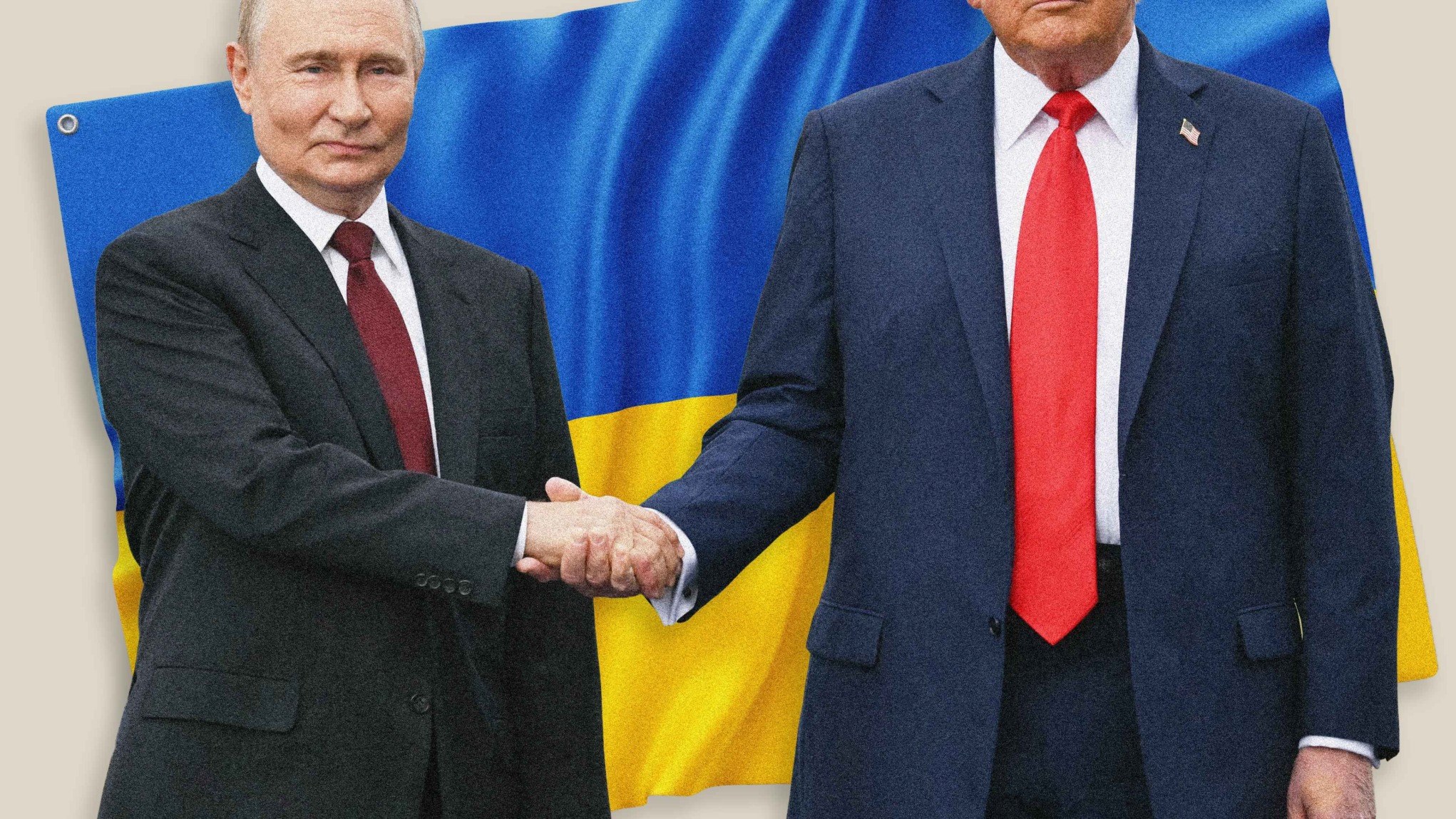
Since returning to the White House in January 2025, Trump has all but ended the US’s partnership with Ukraine, cutting off humanitarian and military aid, inviting Putin to a summit in Alaska, humiliating president Volodymyr Zelensky in the Oval Office, and seeking a ‘deal’ over a ceasefire to end the war.
The world saw a preview of what a deal might look like last autumn, when Witkoff and Putin envoy Kirill Dimitriev drafted a 28-point peace plan which would see Russia occupying the entire Donbas region. The proposed ‘peace’ also banned Ukraine from ever joining NATO, capped the size of its army, and put Trump at the head of a ‘peace council.’
Suggested Reading
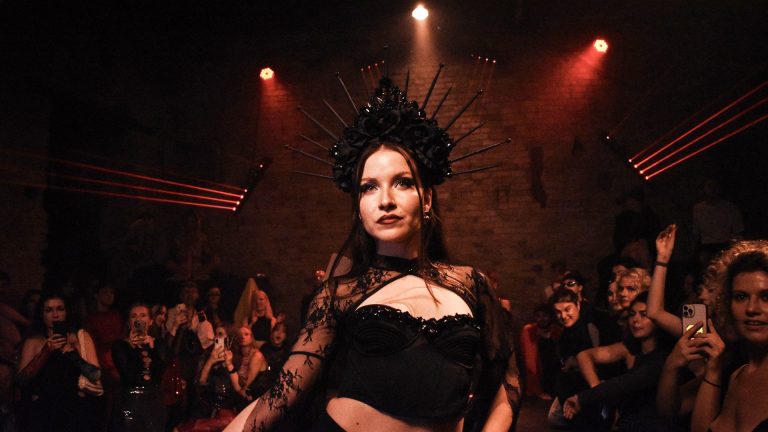
The queer Ukrainians voguing while Putin bombs them
“We analysed dozens of decisions made by the Trump administration,” says Viktor Shlinchak, a director at Kyiv think tank Institute of World Policy. We are chatting in a cafe, but there are no coffees on the menu: Russian attacks on Kyiv’s energy infrastructure mean we are in a blackout. “Two thirds were negative towards Ukraine, in that they did not help Ukraine, or they made the situation more difficult.”
There are many theories why, as Shlinchak puts it, Trump has “hitched himself to Putin”, a move which has ended decades of US foreign policy norms. “We can’t say there is kompromat,” says Shlinchak, referring to long-standing claims that Putin must possess damaging material about Trump. “It could be kompromat, it could be business interests, it could be political.
“But we know that now, autocratic regimes are closer to Trump. And there is a general understanding that Trump is more like Putin in his soul.”
Shlinchak and Oksana both believe that Trump will face impeachment if he loses control of the House after the midterm elections. In Kharkiv, aid worker Bohdan expresses his hope “that Trump will be the first president to be successfully impeached.”
Located 30km from the border with Russia, Kharkiv has faced almost constant bombardment since the start of the full-scale invasion. The ring road is now encircled by nets protecting the city from FPV drones. Between Kharkiv and the next big city Poltava, almost every petrol station has been destroyed by Russian air strikes. The night before meeting Bohdan, drones targeted the Kholodnohirskyi and Saltivskyi districts.
Bohdan sees Trump’s presidency as upending the post-world war two liberal western order, established during the peace negotiations in Yalta. “We see, and all the world sees, that all principles, all laws, all alignments which were done before are no longer working,” he says.
Since returning to the White House, Trump has repeatedly parroted Kremlin talking points, with Zelensky accusing the US president of living in a Russian “disinformation space.” False claims made by Trump include blaming Ukraine for starting the war; that Zelensky is a dictator; and that it is no longer possible for Ukraine to win.
Trump’s attacks against Ukraine tend to boost Zelensky’s approval ratings at home. “People may like him or they may not,” says Valentyna Kapustian, whose son Dima is fighting on the front lines. “I am sure that he makes mistakes, just as any person does. But personally, I believe that if Ukraine had had a different president during this incredibly difficult period, we might already have lost this war.”
It may boost Zelensky’s popularity, but when Trump promotes Kremlin narratives, “globally such disinformation is dangerous,” says Anton Zemlianyi, a Senior Analyst at the Kyiv-based think tank Ukraine Security and Cooperation Centre. We meet the day after Russia launched multiple ballistic missiles at Kyiv overnight, killing one woman and damaging civilian infrastructure.
Suggested Reading

Ukraine is showing Europe what it needs to become
“These narratives can influence the US population on which US politicians rely,” he adds.
Zemlianyi also sees how the US switches narratives on Russia and Ukraine, saying “they are changing very often. When Trump started his second term, he said Ukraine had no cards. Then he said Putin was a ‘paper tiger.’ Now he has turned against Ukraine again.”
Beyond the US, Zemlianyi has concerns that Russian disinformation risks influencing Europe’s attitudes towards Ukraine, particularly in countries such as France and Germany where the far right are edging towards power.
The UK, he says, is not immune, with Russia “actively trying to influence the far right and the far left in Europe, including the UK.”
Russian disinformation narratives, Zemlianyi warns, “could influence the debate about defence in the UK, and we are seeing narratives on the far left and the far right about not investing in defence, that this is something that is not needed, that investment should go on other things.” The UK “must pay attention, as Russia sees it as an enemy.”
As for Trump, Kyiv cab driver Artem sums it up. “Trump wants any possibility to continue his power,” he says. “That is his priority. Everything else is second level.”
Translation and additional reporting by Anna Vlasenko
 Most popular

What happens to Trump if he loses the midterms?

It might not look like it, but a motoring miracle has now happened

How Abdul El-Sayed became the man who can break Trump
The truth that Northern Ireland has never confronted