I found out the purge was happening because one of its victims messaged me to complain about it. An old contact – one of the many Conservative MPs who lost in 2024, and who up until now had been considering standing again at the next election – told me that the choice had been removed from them.
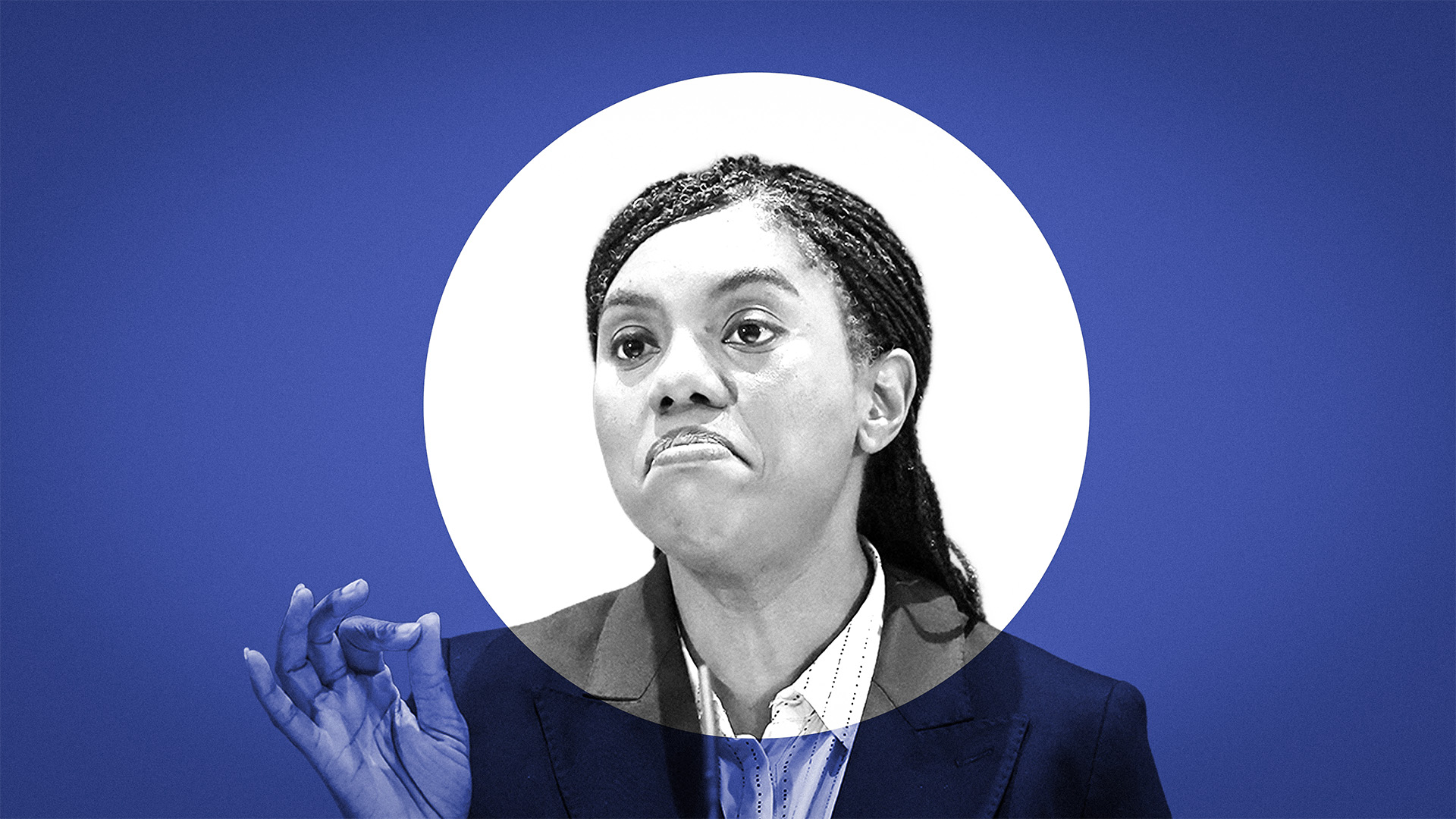
They do not believe in scrapping net zero, or in removing Britain from the European Court of Human Rights, and so they will simply not be able to be a Tory politician again, at least for as long as Kemi Badenoch remains leader.
It was an odd conversation to have, as the former MP really isn’t or ever was a rebel. One of the reasons we built a good working relationship was that I always felt they were worth talking to, as a representative of the moderate wing of the party, in both ideology and temperament. They had their own set of beliefs, sure, but ultimately valued unity and electoral victory more than their own political preferences.
Though it may be tempting to always text the firebrands and the naughty characters, to try and find out about their latest scheme or steal an attention-grabbing quote from them, the rank-and-file MPs like my source usually ended up being more useful. The majority of parliamentarians tend to follow the herd, instead of forging their own way.

In any case – and to move from one animal to the next – this particular member won’t be rejoining their flock anytime soon. As we found out a day or so later, Badenoch’s threats weren’t hollow, as she removed the whip from Gavin Barwell, Theresa May’s former chief of staff. The Conservative party’s once broad church is getting narrower by the day.
The leadership’s reasoning for this is, if taken at face value, not wholly unreasonable. The party’s direction of travel under Badenoch has shifted rightward to such an extent that any centrist would find little there to whet their appetite anyway. Given the circumstances, the split might as well be made official.
Still, something doesn’t feel quite right. The leader of the opposition is working to make her party politically narrower and it merely mirrors what her predecessor in that role did when he, and his party, were waiting for power. Keir Starmer spent a lot of time making sure that his Labour MPs would share his view of the world, and definitely not stand even an inch to the left of where he wanted to take them, and we all know how that ended.
Clearly, he and Morgan McSweeney and whoever else was advising him back then assumed that, if everyone in their parliamentary party existed within the same slither of the centre-left, then smooth sailing would be assured. What they failed to account for is that politicians are people, and even they cannot be reduced to a set of views and little else.
As Starmer found out eventually, some of his loudest critics were the ones who technically agreed with him the most, while many of the few true left-wingers on his benches chose to keep quiet, over there in the background. The forever wars under Jeremy Corbyn did split the party along quite neat ideological lines but that was the exception, and not the rule.
Badenoch may be hellbent on rebuilding the Conservatives in her image, but what she fails to understand is that she’s addressing the wrong problem. Parties aren’t solely united or successful because they all agree on everything; mostly, they tend to pull together and all march in the same direction when they have a leader they like and respect, and whose plan they believe will work.
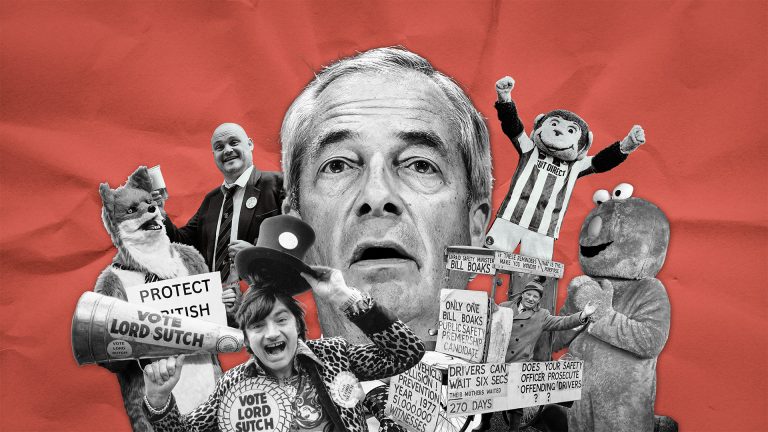

Not every Labour MP personally believed in Blairism and countless Tory MPs privately found Boris Johnson detestable, but they kept their mouths shut in the run-up to their respective elections. My contact sits squarely on the centre-right but, like many of their former colleagues, they are tribal enough that they would have gone with the flow if it had been required of them.
Sure, it probably feels easier to cull the people you perceive as ideological enemies and assume it will clear your path to victory, but the only way to get a truly united party ready for government is to do your job properly. After all, how can you win against other political parties if your faith in your own intellectual rigour is so stunted that it won’t allow you to try and convince the people who see themselves as your allies?
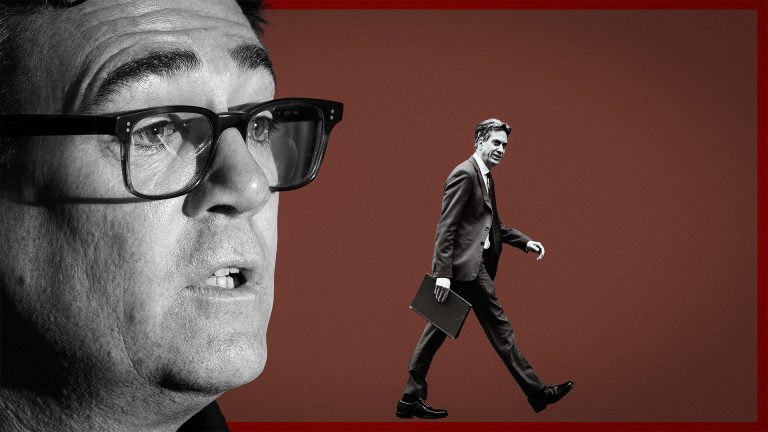
Badenoch seems unable or unwilling to realise this, and Labour wasted much of the past two years ignoring its own reality too. The latter has, at least, now decided to move on, and early signs show that Andy Burnham may at least try to build a broader party again.
The hope is that this will eventually make Labour climb in the polls again. After all, the electorate is many things, but “ideologically narrow” just isn’t one of them. Received wisdom states that people will never vote for a divided party, but there ought to be an addendum to the maxim. As history has often shown, Britain just won’t vote for an insular one either.
 Most popular
My truly deranged encounter with Trump apologist Kellyanne Conway

The moral depravity of Robert Jenrick


Is this the real reason Trump keeps falling asleep in public?

Suella Braverman’s book has sold only 106 copies. This is why