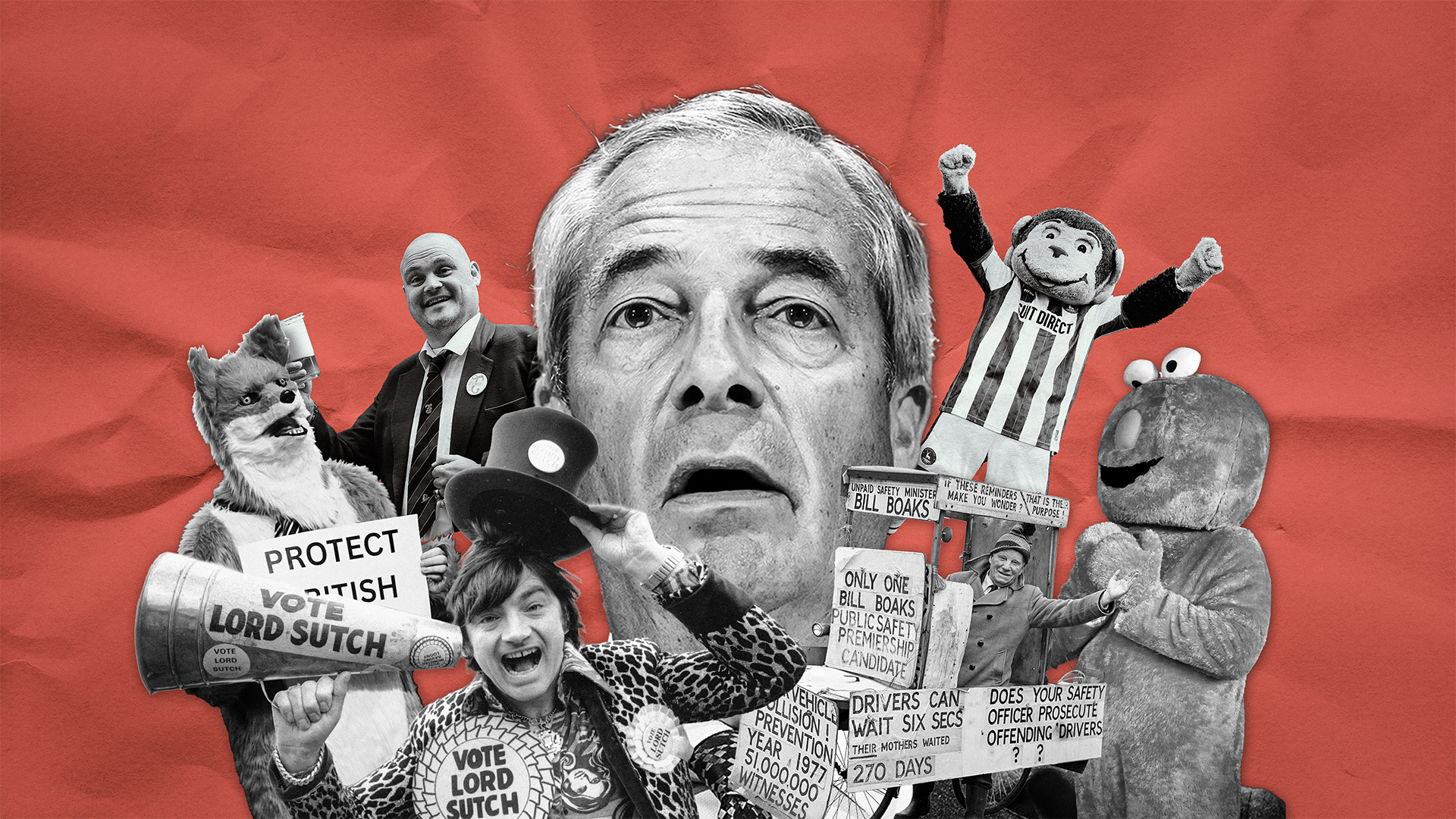
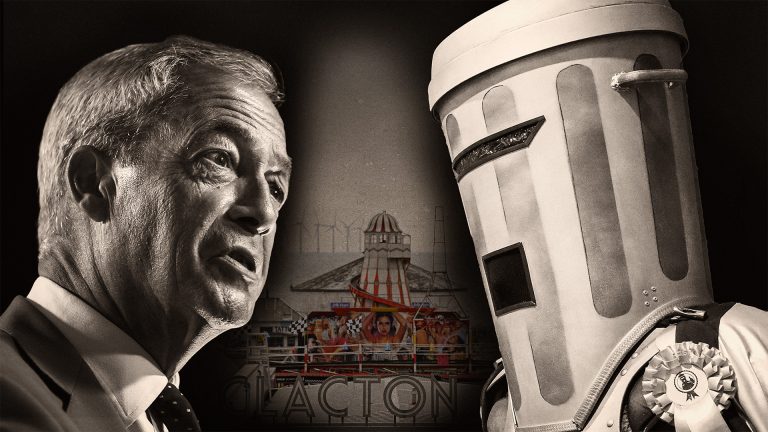
1) Count Binface – leader of the Recyclones of Sigma IX, self-styled intergalactic space warrior, definitely not just an Oxford-educated comic with a bin on his head – is extremely unlikely to win next month’s Clacton by-election. But the bookies currently have him at an unusually plausible 5/1, and he does seem likely to win the 5% of the vote required to retain his £500 deposit, making it his best-ever result. In his most recent electoral test – against Andy Burnham et al in Makerfield last month – he won just 95 votes.
2) The deposit was introduced to limit the number of time-wasting comedy candidates. It hasn’t worked. Other candidates promising to contest Clacton include “Mr Fishfinger”, a Doncaster engineer who first legally changed his name and dressed up as a large breaded fish product to combat Lib Dem leader Tim Farron in Westmorland & Lonsdale in 2017.
3) Alas, Robert Pownall, founder of campaign group Protect the Wild, who once dressed as a gannet but now prefers to wear a fox costume, has pulled out of the Clacton race. But there is still one Fox in the race – actor Laurence, standing for Reclaim, who probably doesn’t believe himself to be a novelty candidate at all but definitely is one.
Suggested Reading
17 ways Nigel Farage could get himself out of this mess
4) The long tradition of British people doing silly things in the name of democracy is sometimes traced to Bill Boaks, a former naval officer and veteran of Dunkirk, who stood in 28 different post-war elections using an armoured bicycle to bang on about road safety.
5) In 1963, musician David Sutch contested the by-election triggered by the resignation of John Profumo. His National Teenage Party argued that, if the over-21s couldn’t be trusted, the over-18s should have the vote. He lost the election but ultimately won the argument.
6) “Screaming Lord” Sutch would later found the still extant Official Monster Raving Loony Party, whose pledges have included employing doctors’ receptionists to defend Britain’s borders from migrants, and painting grey squirrels red. Between 1963 and 1997, Sutch stood for parliament a record 39 times.
7) In 1979, the journalist and novelist Auberon Waugh contested North Devon for the Dog Lovers’ Party, in the hope of unseating Jeremy Thorpe, the Liberal leader linked to scandal by the assassination on Exmoor of his lover’s Great Dane, Rinka. Waugh’s slogan: “A better deal for your dog”.
8) Also in Devon, in 1994 Richard Huggett stood for the European Parliament for the – read it closely – Literal Democrats. His 10,000 votes helped hand the previously LibDem seat to the Tories.
9) For the Glasgow Hillhead by-election of 1982, widely expected to be won by Roy Harris Jenkins of the new Social Democratic Party, a man named Douglas Parkin stood for a pre-existing Social Democratic Party. To maximise his chances, he changed his name to Roy Harold Jenkins.
10) In 2005, singer Catherine Taylor-Dawson stood in four different Cardiff constituencies simultaneously under the Vote For Yourself Rainbow Dream Ticket. In one seat, Cardiff North, she won a single vote. She claimed not to have voted for herself.
11) Standing as a novelty candidate can go wrong, sort of. In 2002, Hartlepool FC mascot H’Angus the Monkey – a reference to the legend that the townspeople had once tried and convicted a shipwrecked primate, erroneously believing him to be French – stood for the town’s new mayoralty. The monkey won, and served three terms, under his real name Stuart Drummond – the only elected mayor the town ever had
12) Others who have tried and failed to become MPs include Mr Blobby (the House Party, 1994); Al Murray’s pub landlord (Free United Kingdom Party, against Nigel Farage in South Thanet, in 2015); and Elmo from Sesame Street (it’s something to do with fathers’ rights to see their kids).
13) The role played of Britain’s novelty candidates has sometimes been compared to that of a medieval court jester, or the slave whispering to Roman emperors to remember they are mortal: a pressure valve, a way of ensuring they don’t let power make them lose sight of their own frailties.
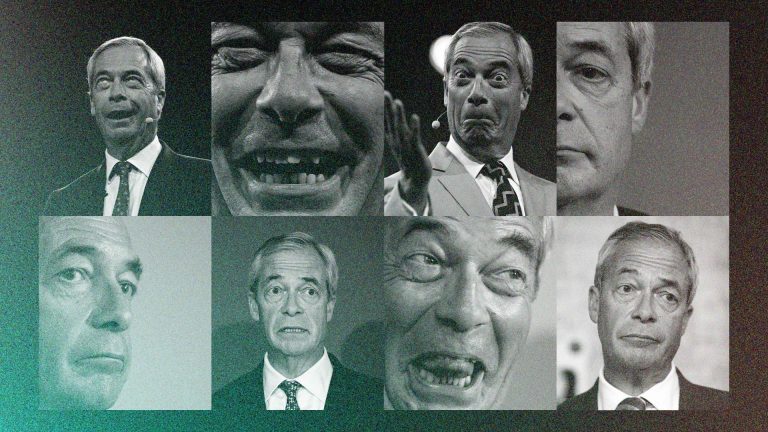
14) It is not clear that Nigel Farage believes keeping his ego in check is in fact an important function of democracy.
 Most popular
My truly deranged encounter with Trump apologist Kellyanne Conway
The moral depravity of Robert Jenrick
Is this the real reason Trump keeps falling asleep in public?

Suella Braverman’s book has sold only 106 copies. This is why