
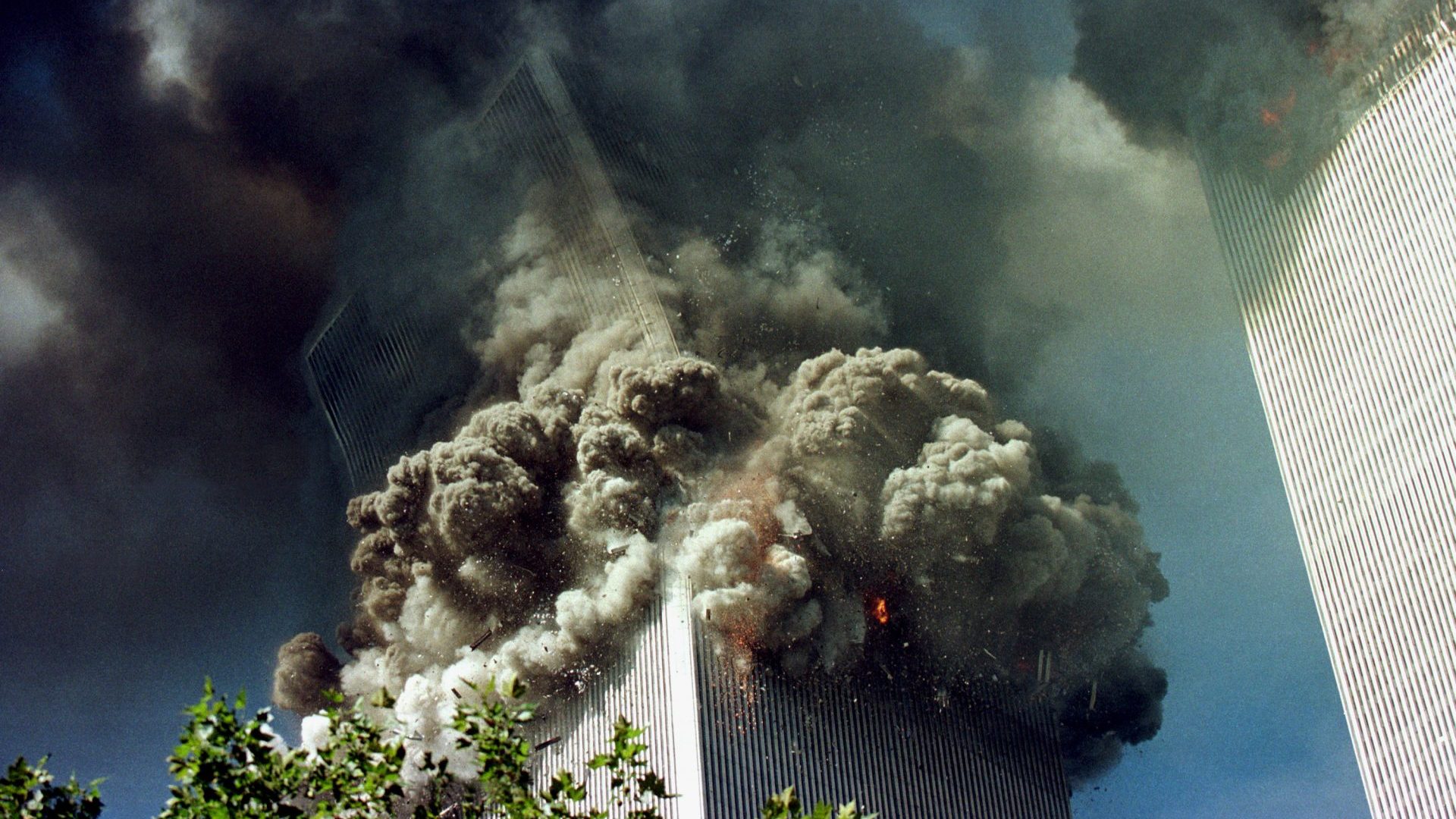
It has taken the world 25 years to come full circle from the horror of 9/11. The Taliban are back, al-Qaeda is resurgent, and repression is being normalised as Western governments retreat from their defence of equality and from the human rights that were once considered universal.
Transnational terrorist groups again have protection in Afghanistan. The Islamic State survived the destruction of its so-called caliphate and has spread through affiliates from the Sahel to South Asia. In Syria, a former al-Qaeda commander reinvented himself as a president and was welcomed at the White House.
These are signs of what the historian Margaret MacMillan has called “a new age of disorder”.
It is an age in which alliances have become brittle, international institutions are losing authority and credibility, and governments sacrifice long-term security for political expediency. The threat has dispersed, just as the will and capacity to confront it have diminished.
Afghanistan, where al-Qaeda planned the 9/11 attacks while Osama bin Laden was the Taliban’s honoured guest, shows what that disorder looks like. The country is again becoming both a sanctuary and a battleground.
Almost two dozen terrorist groups, including al-Qaeda and the Pakistani Taliban known as the TTP, are now based in Afghanistan, according to UN reporting.
Suggested Reading

Our world was born in the fires of 9/11
Pakistan, the Taliban’s former sponsor, has spent much of this year striking targets inside Afghanistan as relations between the neighbours have descended into open conflict.
At the same time, anti-Taliban groups have claimed attacks across the country, raising concerns that Afghanistan could once again be sliding towards the kind of conflict that followed the Soviet invasion and which led ultimately to the rise of the Taliban.
Much of the recent fighting has been concentrated in Badakhshan, the mountainous northeastern province bordering Pakistan, Tajikistan and, at the end of the Wakhan corridor, China.
Badakhshan has significant mineral resources, including gold, ruby, emerald and lapis lazuli mines, as well as strategic routes connecting south and central Asia.
The Afghanistan Freedom Front has intensified its attacks there, exploiting the high-altitude terrain its fighters know well. The Taliban have brought in reinforcements and laid landmines.
The unrest also exposed divisions within the regime: Juma Khan Fateh, an influential local Tajik commander long loyal to the Taliban, has been detained after challenging the regime’s authority. Afghan media in exile have reported that he has been transferred to Kabul and some of his men have been executed by Taliban firing squads.
The National Resistance Front, led by Ahmad Massoud, exiled son of the late Northern Alliance leader Ahmad Shah Massoud, also appears to have expanded its attacks across the north, including in its Panjshir stronghold where its fighters face intense pressure from Taliban forces. Smaller and largely unknown armed groups have also appeared elsewhere.
The Taliban have accused Islamabad of funding and arming their opponents. Islamabad, meanwhile, accuses the Taliban of sheltering the TTP, which seeks to overthrow the Pakistani state and impose its own version of Taliban rule.
Asif Durrani, Pakistan’s former special representative to Afghanistan and a former ambassador to Kabul, denied that Islamabad was supporting the armed opposition. Pakistan had adopted a “hands-off policy” after the failure of its previous involvement, he told me.
The militias are unlikely to threaten Taliban rule unless discontent spreads to the regime’s Pashtun constituency, although economic hardship has yet to produce significant Pashtun opposition, he said.
For Durrani, the larger failure is encapsulated by the outcome of the 20-year US-led intervention. “The irony is that the power snatched from the Taliban was handed back after 20 years,” he said.

The Taliban’s victory in 2021 offered a model for Islamist extremist groups elsewhere: survive, exhaust and outlast the enemy, take control of the state, and then wait for former enemies to seek accommodation.
The groups fighting against the Taliban are in a very different position. There is little evidence they are getting substantial support from outside. Militia sources said weapons can be purchased in Afghanistan and in arms bazaars in the mountains along the border.
Local disputes in Afghanistan have often become larger wars when neighbouring states start choosing sides. Badakhshan has the internal divisions, and – as the Northern Alliance demonstrated during the first Taliban regime – the geography to sustain a long campaign.
But while the prospect of another war in Afghanistan is alarming enough, the international response is more revealing.
Russia is so far the only country to recognise the Taliban as Afghanistan’s government. China stopped just short, though Beijing hosts a Taliban ambassador who presented his credentials to president Xi Jinping.
European engagement is intensifying, driven by the domestic politics of migration. Germany has negotiated directly with Taliban figures to facilitate deportations and has allowed regime representatives into the country to issue travel documents. Norway has joined other European governments seeking arrangements for voluntary and forced returns.
The US has narrowed protections for Afghans who fled the Taliban’s return five years ago, including those who worked and fought alongside the American military during the 20-year war. Washington does not recognise the regime, but engages with it selectively when doing so serves American interests.
This is legitimacy by convenience: yesterday’s terrorists become today’s statesmen when governments decide they need them.
Suggested Reading

Twenty-five years later, these are the new victims of the 9/11 wars
Not so long ago, western governments made recognition dependent on the Taliban renouncing terrorism, forming a representative government and restoring rights to women and girls. The Taliban have done none of these things. They have intensified their cruelty while waiting for these conditions to crumble under western domestic political pressure.
To deport Afghans to Taliban rule, governments must sustain the fantasy that the country is safe.
The same regime identified in international security assessments as a haven for transnational terrorist groups is treated as a responsible state when it is politically convenient.
Twenty-five years ago, the attacks that were planned in Kandahar united much of the world behind a common purpose: to destroy al-Qaeda and ensure Afghanistan was no longer a safe place for terrorists. The response led to two decades of war, but no lasting settlement and no agreement even on what winning would look like.
Today, the Taliban rule Afghanistan, al-Qaeda enjoys protection, and armed groups are probing the regime’s weaknesses in strategically important corners of the country.
The threat extends far beyond Afghanistan’s borders, but the international order that mobilised against it a quarter of a century ago is fractured.
The world has come full circle. The danger is clear – but few seem willing to confront it.
 Most popular

Emily Maitlis’s diary: As I was saying to George Clooney just the other day…
Books are the key to understanding the world. That’s why Putin wants to burn them
Our world was born in the fires of 9/11


The uncomfortable truth about Ariana Grande