It was Chambers, the mid-morning break at Eton, in 1981. I could have popped down to Tap, the school pub – open to all over the age of 16 – for a couple of swift pints before double geography, but I was not in the mood for the company of rowers.
Instead, we jacked up what we called our reverse heater, engineered to inhale rather exhale air, cannily placed on the windowsill, and had a couple of crafty roll-ups (it was a quirk of the school, and in flagrant contradiction of the laws of the land, that you were allowed to drink at 16, but not smoke).
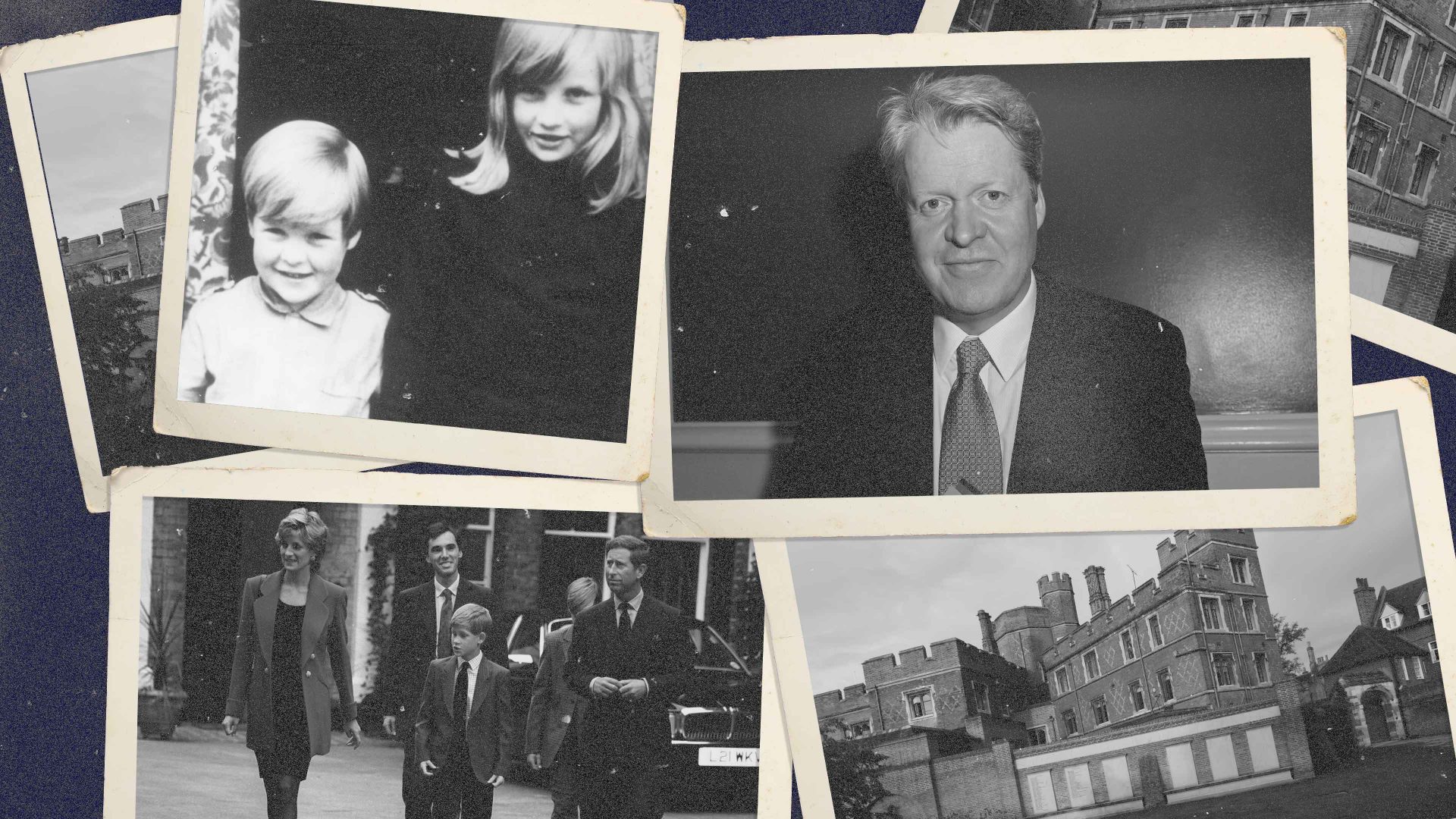
Down below, Charles Spencer was holding court. The royal engagement had just been announced and tail-coated teenagers had gathered around to express their condolences at his sister having agreed to marry so very far beneath herself.
This recollection came back to me as Spencer v Windsor roared back into the news. Eton was a rum old place back in 1981, with its own institutions, language and codes. It took a while to get the hang of, but in my penultimate “half” (academic term, of which there are three), I was sufficiently in the swing of things to know one thing.
In these surroundings, and contrary to public perception, the royal family were far from being considered the pinnacle of posh. They were, in fact, parvenus.
After all, the House of Windsor hadn’t even existed in the previous century and, unlike her brother and father, Diana’s groom-to-be had gone not to Eton but to Gordonstoun, near Inverness. The Windsors were, to be brutal, middle-class. Little wonder there was general consternation among the Etonians, and sympathy for the future author of Swan Song: Diana, My Sister.
How did our certainty that were superior to the royal house of the United Kingdom take hold? For many centuries, our school had been run by Old Etonians for the sons of Old Etonians. A preponderance of the beaks (teachers) had themselves attended Eton and an even greater majority of the pupils were sons of Old Etonians.
Suggested Reading
A royal warning for Charles in Washington
At my first mess (communal tea) one boy had announced that he was the 57th member of his family to go to Eton. Crikey! 57 Varieties of Old Etonian – that’s one hell of a slogan.
The admissions system was sufficiently embedded for Old Etonians to refer to their alma mater in the singular. There was only one school. And should an OE ask you: ‘Were you at school?’ it will only confuse him if you reply “Piddington Comprehensive”.
The correct reply is: “GDR 1977-1980, HSBC 1981-2”, thereby establishing your creds and providing information to further the conversation. If you happened not to go to Eton, a simple “No” will suffice.
Yet all this exclusivity had one very evident disadvantage. Surrounding Charles Spencer – or Althorp, as he then was known in honour of his family estate – were some of the stupidest people I would meet in my life.
Genetically inevitably, centuries of inbreeding had rendered many of the scions simple-minded. These assorted Tennants and Morgan-Grenfells could bray, but could they actually speak? Whatever the case, Althorp nodded away.
Happily, the monopoly was near its end. Michael McCrum, the headmaster when I arrived, accepted the job on one condition: the law stating that all sons of Etonians be guaranteed entry be spiked. At a stroke, the aristocracy’s very private Public school had been busted wide open to the general public.
The school would cease to be founded on nepotism and instead become the fount of elitism that it is today. The playing fields of Eton had been levelled.
As Margaret Thatcher eased into power, she rearranged her Cabinet so it featured, in the words of OE Harold MacMillan, more Estonians than Old Etonians. Out went OEs Ian Gilmour and Francis Pym and the Lords Carrington and Soames. In came Nigel Lawson and Leon Britten, neither of whom was Estonian, but I think we know what Supermac was implying.
Thatcher was followed by Blair and, kerpow!, we were all middle class. So much so that Prince William became the first royal direct heir to go to Eton, and recently his son George the first royal direct heir to go to Eton as the son of an Old Etonian.
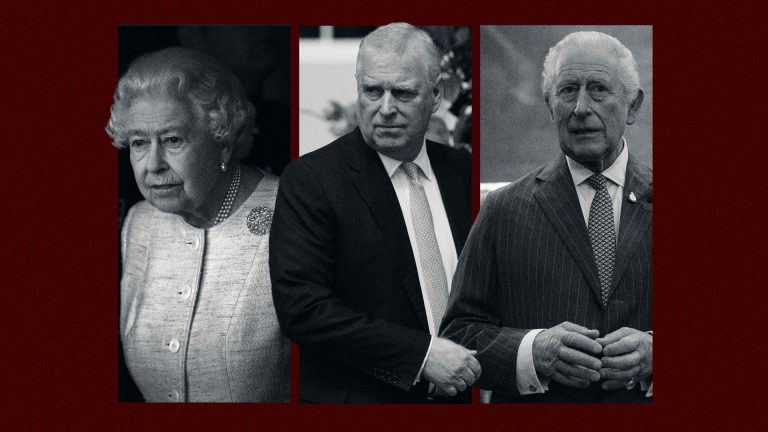
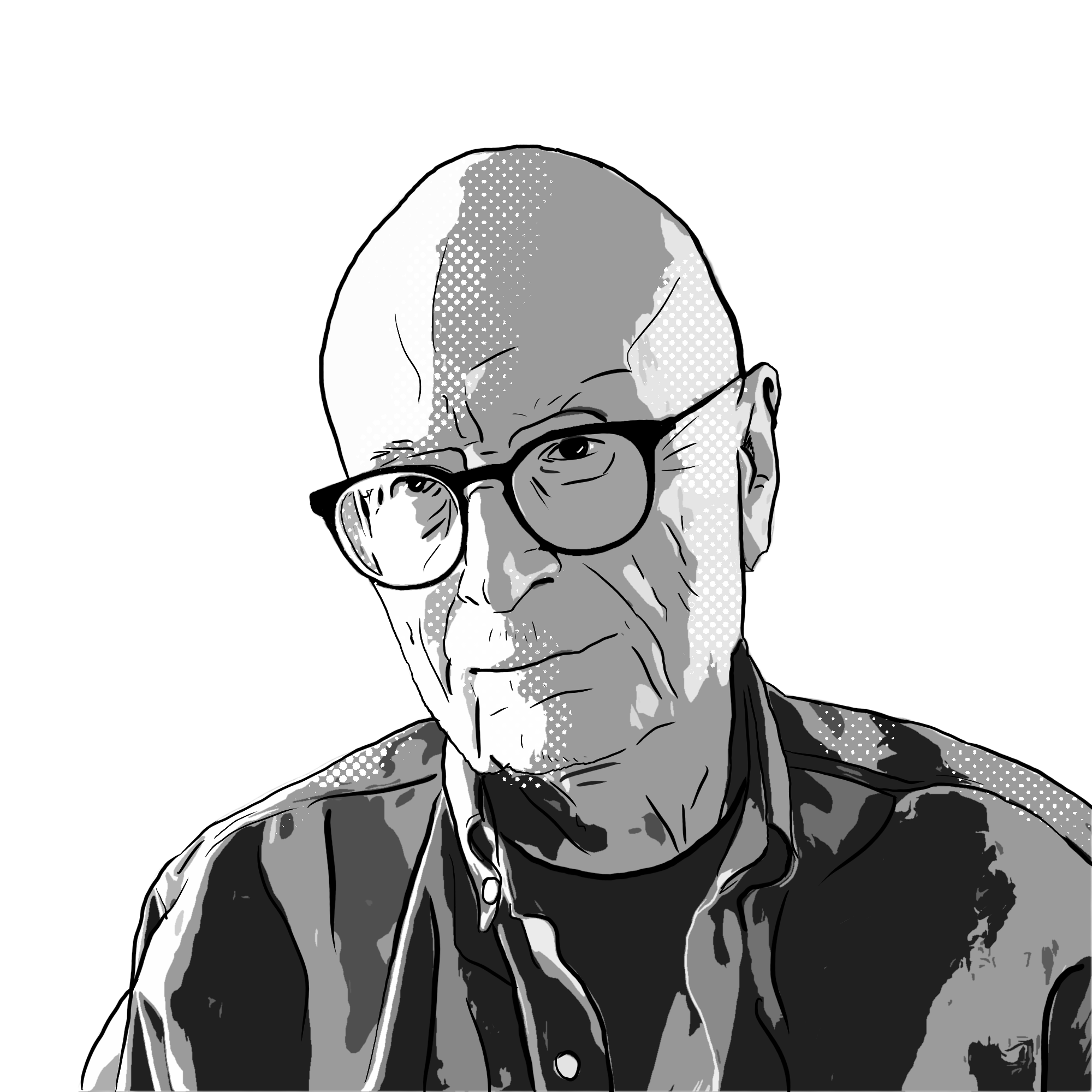
The current Spencer v Windsor dust-up is therefore likely to be the final battle in an old war: Do the aristocracy or the royal family know better the English way of doing things?
Who be the custodians of the faith? Who be the arbiters of how every man should do his duty? Is Spencer or Windsor right about whether the young Princes should have walked with their father behind the coffin of their mother?
But as one war ends, perhaps another one has already started. This time it will not be the toffs taking on the royals but the celebs.
Prince Harry, having gone to Hollywood and hitched himself to Meghan, fronts up the celeb camp: his brother will be leader of the Royals. The torches have been passed. The battle for the memory of a woman who was born a Spencer, married a royal and became a celeb will sustain.
And Eton having re-branded itself, and in so doing recently educated more famous actors – Dominic West, Damian Lewis, Tom Hiddleston, Eddie Redmayne et al – than aristos, will, as is its wont, have an Old Boy in each camp.
 Most popular

Emily Maitlis’s diary: Trump doesn’t fear the AI apocalypse – but he’s terrified about the midterms

The decline of the Daily Mail
If Shabana Mahmood is tough, why is she so slow to crack down on Danny Tommo and the far right?


What the rich and powerful are really saying about AI