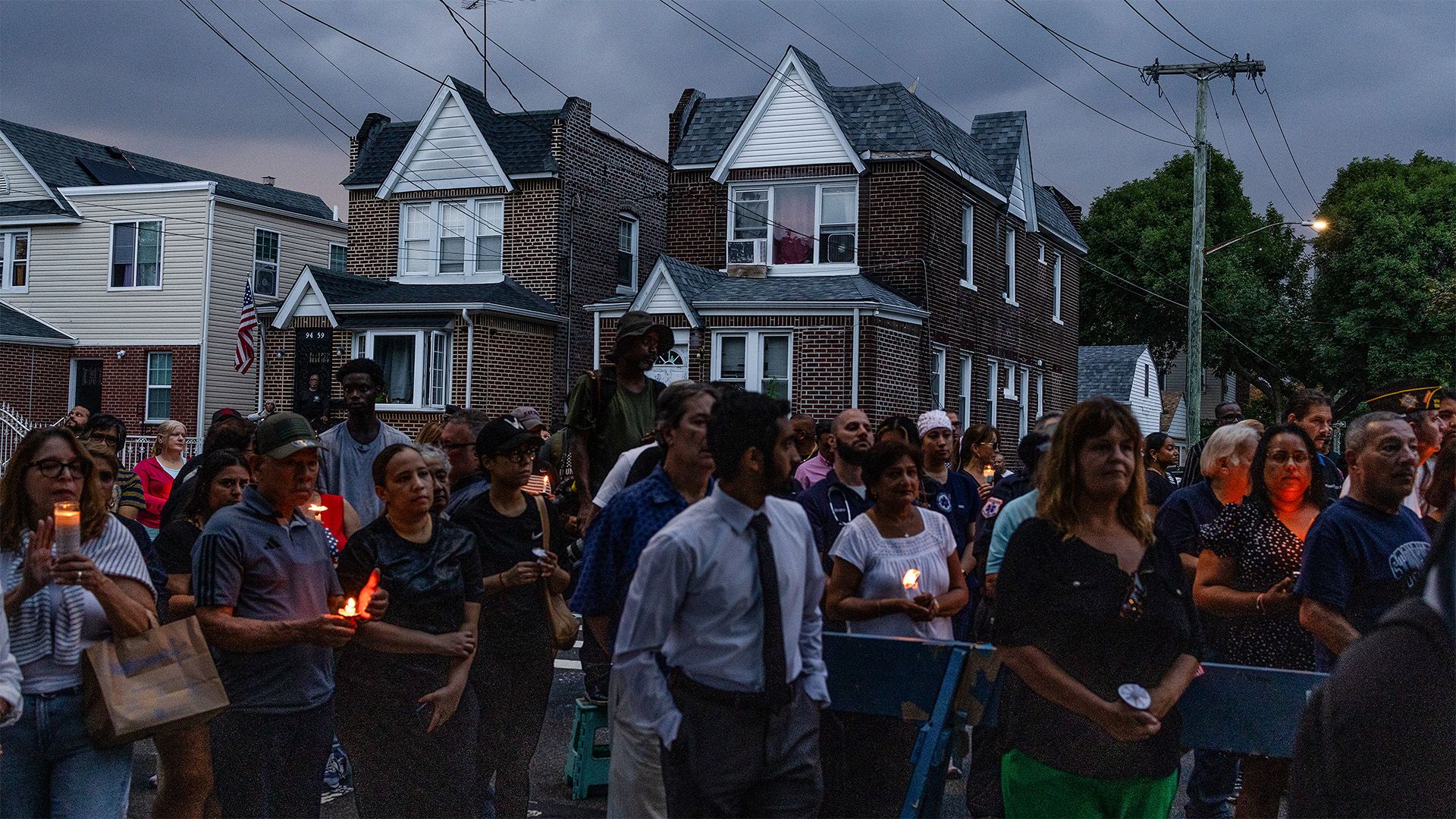
In the past week, the Pentagon quietly disclosed that almost 200 more soldiers have been wounded in the Iran war than previously known. The war’s official toll currently stands at 18 killed and 482 wounded. But that wasn’t the only change in the numbers.
There was also confusion when, last Friday, four casualties from July – the three soldiers killed in Jordan and another killed in Northern Iraq – disappeared from the Pentagon’s Defense Casualty Analysis System’s “Operation Epic Fury” tally. They then reappeared under a new category: “Overseas Operations”.
According to the Pentagon, casualties after 7 July belong to a new conflict with Iran because, in Trump’s view, April’s ceasefire ended the original campaign, despite American and Iranian forces continuing to exchange strikes afterwards.
According to Task & Purpose, an American publication covering military and defence news; “The pre- and post-July 7 fighting has been largely similar, with US bombing missions trading blows with waves of Iranian missiles and drones. Trump himself has posted on social media that the ‘Iran Military Conflict’ has seen 18 American service members killed, which includes the four killed after July 7.”
Suggested Reading
Rubio got Cuba, but Vance got Iran: Trump auditions his successors
So why bother fudging the numbers? On the face of it, it only seems guaranteed to upset the families of those killed in action. The War Powers Act of 1973 states that the president must end military operations within 60 days, unless authorised by congress. If the recent casualties in the war were counted as part of Operation Epic Fury then technically Trump would be in violation of it.
But Trump has never been particularly concerned with constitutional niceties. So perhaps the legal argument isn’t the only one. Maybe an administration presiding over an increasingly unpopular war has every incentive to make the casualty figures look smaller – or at least harder to follow.
Much of that opposition has been driven by the war’s economic cost: the cost of fuel at the pump has climbed, squeezing Americans already frustrated by the cost of living. Throw in a growing list of dead and wounded soldiers, and it’s hardly surprising support has collapsed.
It wouldn’t be the first time the US military has become creative with statistics during an unpopular war.
Because the Vietnam war had no clear frontline, commanders often measured success through body counts rather than territory captured. These “kill ratios” of ARVN to NLF forces were often entirely estimated on the number of dead Vietnamese, enemy or civilian.
According to the historian Guenter Lewy, around one third of those counted as enemy kills were civilians, with women and children even reported as enemy combatants during the My Lai and Son Thang massacres.
If that already sounds bad, these numbers were then inflated as statistics got passed up the bureaucracy. This led to massive miscalculations that convinced commanders at the top they were winning a war they were, in reality, steadily losing.
Suggested Reading

Trump has made his biggest, most dangerous mistake yet
The fact there have been any casualties at all in this pointless, ego-driven war is tragic. At least previous controversial American wars were justified to ordinary voters in a way they understand, like fighting terrorism post-9/11 or containing the commies during the Cold War.
The Iran war has been obviously, from the start, nothing more than an excuse for Trump to seize what is not his and flex his decrepit muscles.
The reclassification of four casualties might not seem like the greatest political scandal in history, especially given everything else the administration is currently doing, but they do matter.
They matter legally, if the reclassification changes how the conflict is viewed under the War Powers Act. And they matter politically, because every wounded or killed American reminds voters that this is a war they never wanted in the first place.
 Most popular


Emily Maitlis’s diary: As I was saying to George Clooney just the other day…

A new film about Elon Musk reveals him as so awful it’s almost tragic. Almost

The strange case of the Lib Dem writer who fell for Farage


The right wing media hounded Jason Arday and ignored James Orr. It’s obvious why