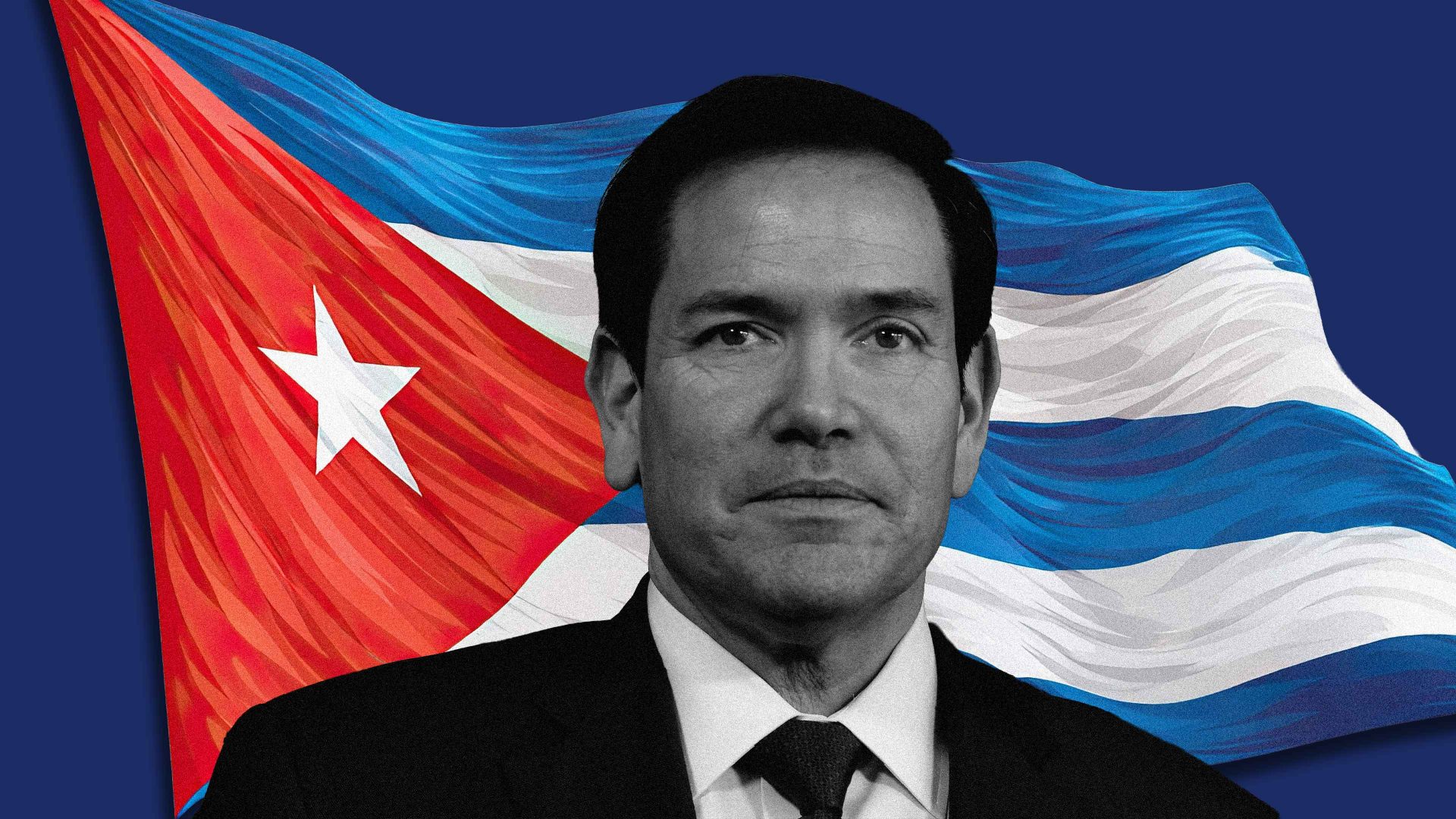
Is Cuba next? For Marco Rubio, it’s a matter of when, not if.
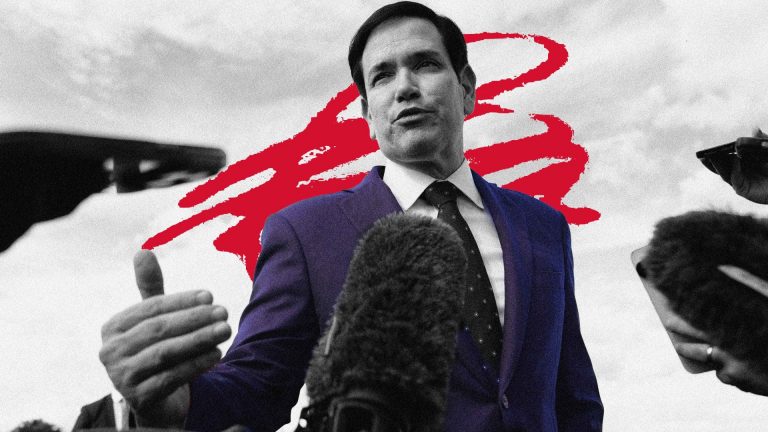
I was at a White House briefing recently when the US secretary of state was asked why he had appeared in a photo with top US military officers against a rather provocative backdrop.
“There happened to be a map of Cuba, and I said it’d be good if we took a picture in front of that map,” Rubio deadpanned. He then added with a grin: “We have maps of other countries.”
But few doubt that, after Donald Trump’s military adventures in Venezuela and Iran, Cuba is now firmly in Rubio’s sights.
The son of Cuban immigrants, Rubio has been obsessed for decades with toppling the communist leaders of the island, which lies just 90 miles off the coast of his native Florida.
Rubio has managed to get so close to Trump that he even managed to land a second job: national security adviser. He has used his position to push his own vision of dominance in what Washington calls the “western hemisphere,” but is more commonly known as Latin America.
For Rubio in particular, this is Washington’s backyard, and in his view, Cuba’s communist government is the most persistent and dangerous intruder in America’s neighbourhood. Handily for Rubio, his focus on his greatest personal priority means he’s also been able to keep a relatively low profile on another, far messier US entanglement – Iran.
Suggested Reading
Trump has made his biggest, most dangerous mistake yet
Instead, the millstone of the Iran war has been hung around the neck of a reluctant JD Vance. It’s a bitter irony for Vance, perhaps the most ardent anti-interventionist in the whole administration, that he should be saddled with sorting out exactly the kind of war he so vocally opposed.
It also just so happens that Rubio and Vance are seen as the most likely successors to Trump in the 2028 presidential election, even if Rubio has insisted that, if Vance runs, he will not.
If it does end up as a battle between Rubio and Vance, their ties to two very different foreign policy projects could be the decisive factor.
Rubio’s focus on Cuba’s 67-year-old communist government mirrors America’s own. From John F Kennedy to the Bay of Pigs and the Cuban Missile Crisis, this cold war relic has left a lasting scar on the American political psyche that successive presidents have struggled to heal.
While Rubio’s own parents left Cuba before Fidel Castro came to power, it has been part of his own mythology for decades. Democratic senator Ruben Gallego, a long-term opponent of the Trump administration’s policy towards the island, said Rubio was “obsessed” with Cuba.
But Rubio has now brought Trump along with him, helped partly by the fact that the 80-year-old Trump is himself something of a cold war relic. Just days after the US military operation in January to seize the Venezuelan president, Nicolás Maduro, a close ally of Cuba who supplied the island with oil, Trump put Cuba on notice.
Since then Washington has mounted a relentless pressure campaign on Havana with unnerving echoes of the build-up to the Venezuela raid. Trump has repeatedly talked about “taking over” Cuba, while Washington has indicted former president Raúl Castro, imposed an effective oil embargo on Cuba and slapped economic sanctions on some state-run firms, even as Cuba endures repeated blackouts.
Rubio’s state department then accused Cuba of sending spies to infiltrate the top echelons of the US government and of fuelling leftist “terrorism” in America.
The pressure on Cuba has also become part of a growing effort by Trump and other Republicans to paint left wing US politicians as “communists” ahead of November’s US midterm elections. “With communism, everything turns to shit,” Trump said in Georgia on Wednesday in the latest of a series of speeches that have ramped up “Red Menace”-style warnings.
For all that, there are signs that US action against Cuba is not exactly imminent. There has been little of the military build-up of aircraft carriers and troops that occurred before the Venezuela operation.
Rubio himself declined to give a timeline when asked about it this week. “These are complex things that take time,” Rubio said during a trip to the Philippines.
Suggested Reading
The coercive control of Marco Rubio’s Munich doctrine
“It’s a failed state. But I’ve never laid out any timeline as to what change would look like or when it would happen. I wish it was tomorrow because they deserve it; the people of Cuba deserve a better future.”
Rubio at least has the chance to avoid another US military entanglement. Vance has not been so lucky. Trump put Vance in charge of ceasefire talks with Iran, but the deal the vice-president helped to negotiate was slammed by many in the MAGA movement and now appears to have collapsed completely.
Vance made a couple of appearances in the same White House briefing room after Rubio’s, and in one of them he insisted Trump wasn’t setting him up as the “fall guy” if the Iran war drags on.
Yet having both Vance and Rubio at the same podium within weeks of each other looked suspiciously like the kind of auditions Trump used to hold in his reality TV heyday on The Apprentice. For most people in the room, Rubio came out the winner with his relaxed manner and ability to react off-the-cuff.
Trump may agree, according to the recently published book Regime Change by New York Times journalists Maggie Haberman and Jonathan Swan, which depicts him as conducting frequent straw polls on his successor.
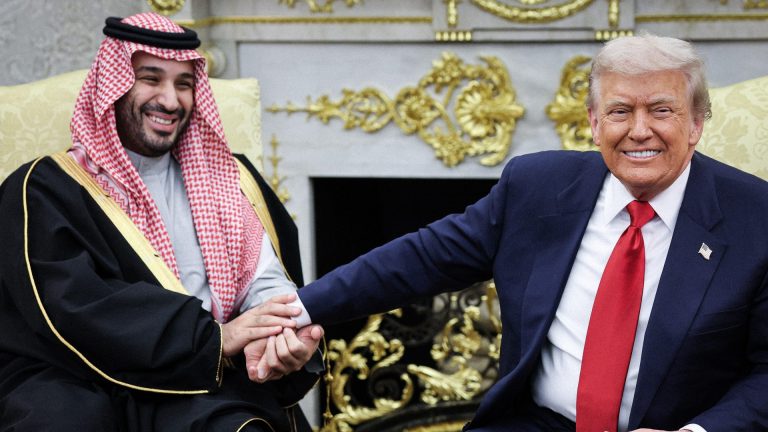
Asked on one occasion if he thought the next president would remove the gilded decorations with which he has covered the Oval Office, Trump reportedly replied: “Cubans love gold.”
Danny Kemp is the White House correspondent for AFP