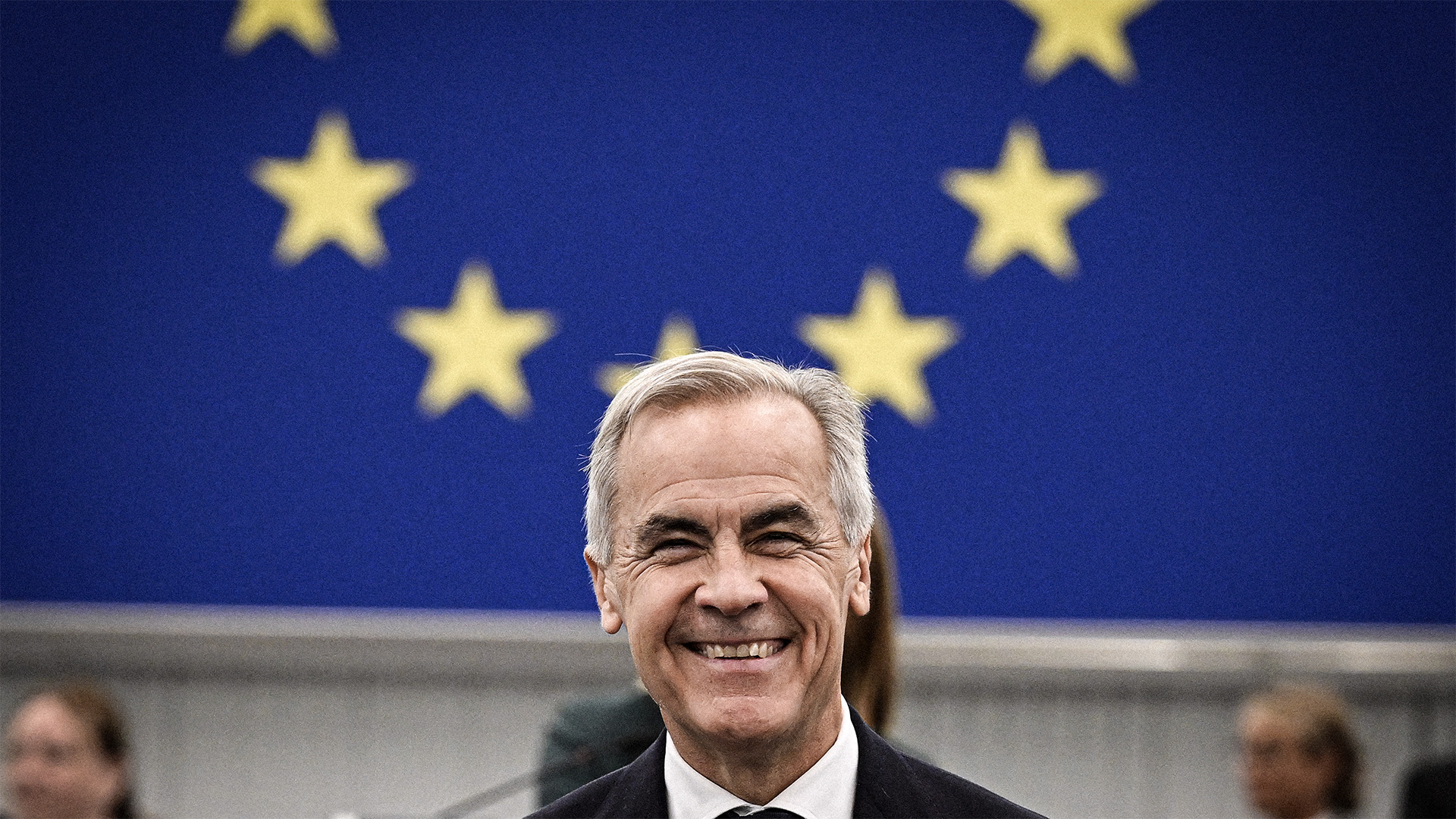
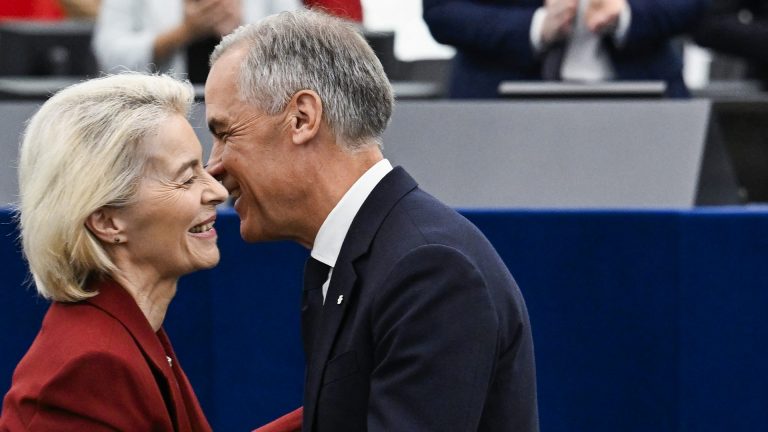
The first thing to say about Canada being offered associate membership of the EU is that there is no such thing as associate membership of the EU. The second thing is that this does not matter a damn, or as Mark Carney put it: “The precise nomenclature for Europe is a question for Europe… what matters is the substance”.
This remark showed, in 15 short words, that the Canadian PM understands the EU better than successive British governments have managed for the last 70 years.
He also had the nous and the ability to give the speech to the European Parliament in French, German and English. Frankly he could have read out the latest ice hockey scores and still got a standing ovation, but he did far more than that. He realigned Canadian economic and foreign policy away from America and across the Atlantic, not to London but to Brussels. Carney knows what successive British PMs have forgotten, the EU is the only available counterbalance to America.
Suggested Reading
Why can’t Britain be a bit more Mark Carney?
But what are Canada and the EU hoping to get out of this new relationship? Canada might not seem like a natural ally of the EU, but it has advantages. For a start it is not America, has fallen out with America, does not trust America and is therefore very keen to find new friends. Europe finds itself in almost exactly the same position. My enemy’s enemy is my friend.
Then there is the fact that trade between Canada and the EU has been rising significantly in recent years, following the Comprehensive Economic and Trade alliance (CETA) signed in 2016. That removed 98% of all tariffs on trade which has risen by 81% in the last ten years.
There is also much more that could be done especially to increase trade in services. Carney is proposing “seamless digital trade in non-agricultural goods” and across a whole range of services. Mark Carney also laid out a wish list of future cooperation with the EU which includes AI, the space sector, defence cooperation, critical minerals and energy policy.
This last one is a game changer for the EU, which has been stymied by its reliance on Russian energy, a running sore since the war in Ukraine started, and now by the war between the US and Iran. Canada is a huge oil and natural gas producer and has until now sent most of it to the US, but it is looking for new markets. In Europe’s eyes, it is safe, reliable, peaceful, trustworthy and has a secure means of transporting that energy across a Nato controlled stretch of the North Atlantic. What’s not to like?
Certainly, Carney knows how to tell his audience what they want to hear, promising that Canada could contribute liquefied natural gas and hydrogen “at large scale to support Europe’s energy security” and that he in turn could benefit from what he called Europe’s leadership on clean energy technologies.
He also knows how to say just the right things to allay European scepticism (not all countries will be totally in favour of offering a special deal to Ottawa) by proposing that Canada join the Erasmus+ scheme. This allows students to work and study abroad at little or no extra cost, improving language skills, cultural integration and mutual appreciation. The UK is to rejoin in 2027, if it can stop haggling pointlessly over every detail.
But the point is not that allowing European students to study French in Quebec is such a big deal. It shows that Carney and Canada understand the importance of such schemes to the grand European project, and accept them wholeheartedly, something the UK signally failed to do even when in the EU.
Suggested Reading

Should Britain take a (maple) leaf from Canada’s book on EU?
Canada has also already negotiated membership of the EU’s SAFE defence procurement project, the first non-EU country to do so, giving it access to a massive new defence market, a huge budget, and securing cooperation across the Atlantic. The UK refused to join because it thought the entry price too high and is therefore out on its own again.
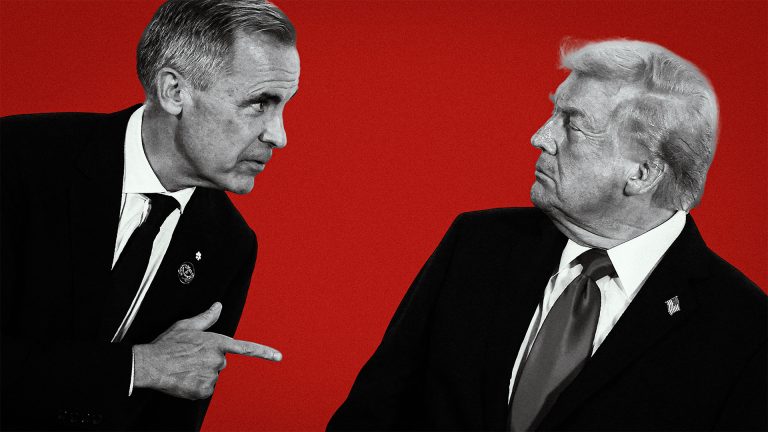
So far, of course, this is mostly warm words and promised negotiations. But it has got off to such a great start that Donald Trump has said both that it is “laughable” and that if it goes ahead, he will retaliate with more tariffs on the EU.
The next milestone is the EU-Canada summit in Montreal at the end of October, that is before the UK’s long delayed “reset” negotiations with the EU even start. They were due in July and were put back to late November, mainly because the UK is dragging its feet yet again and is demanding the impossible with almost nothing to offer in return.
Mark Carney was Governor of the Bank of England on the day we voted for Brexit, he has learnt the lessons well: don’t demand, ask nicely, offer something in return and Europe will welcome you with open arms.
Canada, on the other side of the Atlantic, now has a closer and better relationship with the EU than we do and it is going to get even better.
 Most popular


Sky’s The Wargame might be prescient – but it’s also propaganda


The right wing media hounded Jason Arday and ignored James Orr. It’s obvious why

A new film about Elon Musk reveals him as so awful it’s almost tragic. Almost
Mark Twain warned us about AI over a century ago