It is hard to overstate just how jittery Washington DC feels this week. Democrats are notoriously neurotic at the best of times. And these are, perhaps, the best of times.
The promise of a blue wave in the midterm elections has led many to define the thing they are feeling as “nauseously optimistic”.
The kind of excitement that makes you want to throw up.
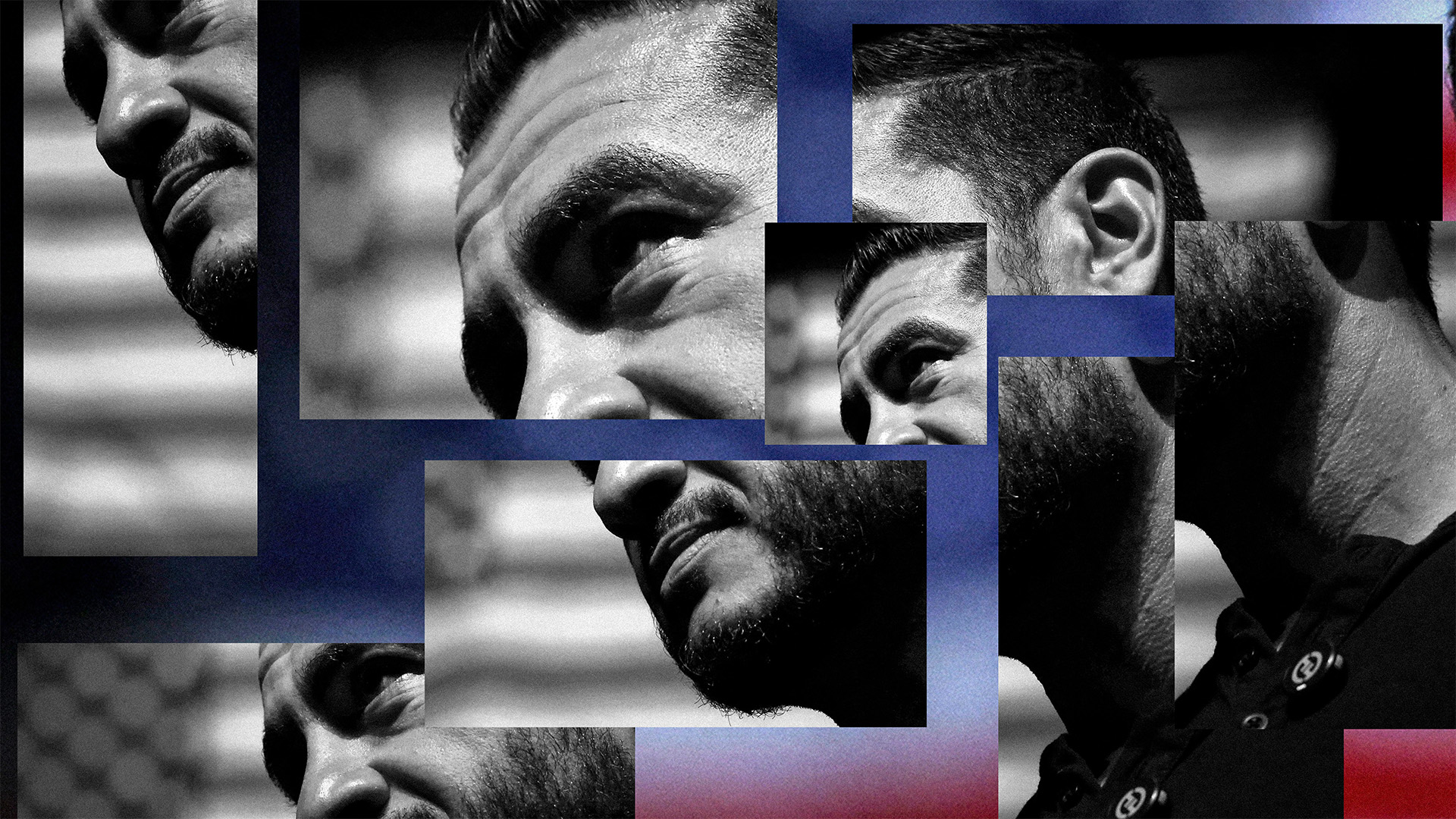
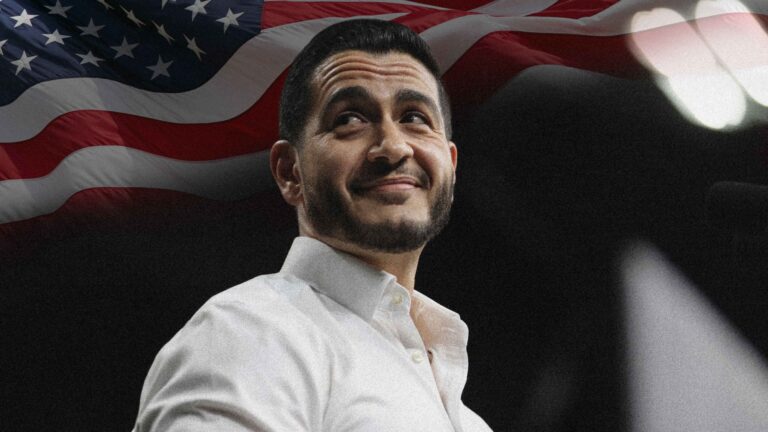
We are off to Michigan in the morning to follow one of the most electrifying senate races of the election. Abdul El-Sayed would become the first Musllm to sit in the Senate if he wins. His success here could help Democrats regain control of Congress and stymie Trump’s legislative agenda in his last two years.
But this weekend, a row has broken out between El-Sayed and the Democratic candidate who lost to him in the primary race. The irony is palpable: after Trump spent the entire campaign referring to El-Sayed as a jihadist and a terrorist , few were expecting the most lethal blow to come from his own side.
Haley Stevens has accused El-Sayed of letting anti-Jewish hate fester amongst his supporters. This weekend she singled out an ad made by Cenk Uygar’s hard left support group, Rebellion Pac.
She’s not wrong about the ad. It is, objectively, atrocious. Bordering if not embracing anti-Semitism, it features a Jewish-looking woman telling her family they can no longer afford eggs because their tax money must be spent on bombing Palestinians.
It is as economically illiterate as it is culturally divisive.
And she’s insisting El-Sayed call it out.
But – and here’s the thing : The Bad Ad wasn’t made by El-Sayed. And it would probably have sunk without trace had Stevens not drawn it to national attention.
On the surface, the row pitches anti-Semitism against Islamophobia. But skim one level lower and El-Sayed supporters sniff a more mundane explanation: The bitter smell of revenge by a vanquished opponent. El-Sayed is – let’s delicately say – wary of her efforts to help his campaign. He has told her in no uncertain terms to back off.
As we make our way to Dearborn – one of the largest Arab-American communities in the country – I am weighing up the conflicting narratives in my own mind. He has allowed himself strange bedfellows on the campaign – like the odious influencer Hasan Piker who touted himself as a friend for too long.
It should certainly have been easier for El-Sayed to put distance between them and to denounce the attack ads made in his name. But I have also heard El-Sayed’s frustration on the stump. Every attempt to talk about affordable healthcare and the cost of living gets constantly derailed by this unhealthy fixation on his name, his faith and his assumed allegiances.

We are mid-interview with another Michigan Democrat when the bombshell drops: Haley Stevens announces she’s switched sides and will be voting for the Republican Mike Rogers. There is a yelp from the table behind as the news sinks in.
But it is in many ways a clarifying moment. A vote for Rogers is a vote for Trump.
Rogers mimics the fear-mongering Islamophobia of his mobster boss. He has questioned El-Sayed’s allegiance to America. He has called him a dangerous extremist and tried to link him to Al Qaeda.
For Stevens to choose this over her own side vindicates all those Democrats who believe this was a personal vendetta. Her eccentric move can be written off as egocentric treachery.
Perhaps she’s done El-Sayed a favour after all.
When we catch up with Abdul El-Sayed later – at a strangely intimate hustings that feels more like a council meeting than an eve-of-election rally – he refuses to mention Stevens by name.
‘We’ve had a long day’ is all he says, leaving the crowd to fill in the gaps.
He gives off the air of a man desperate to see this campaign end.
Before we wrap up our Channel 4 Epstein documentary, I have one more interview to do in DC. We are looking at the expansion of his trafficking ring as a result of his desultory 2008 plea deal.
The woman I am meeting was 22, Russian, and lost, when Epstein approached her on the streets of New York, offering to make her dreams come true with the promise of a career that would never materialise.
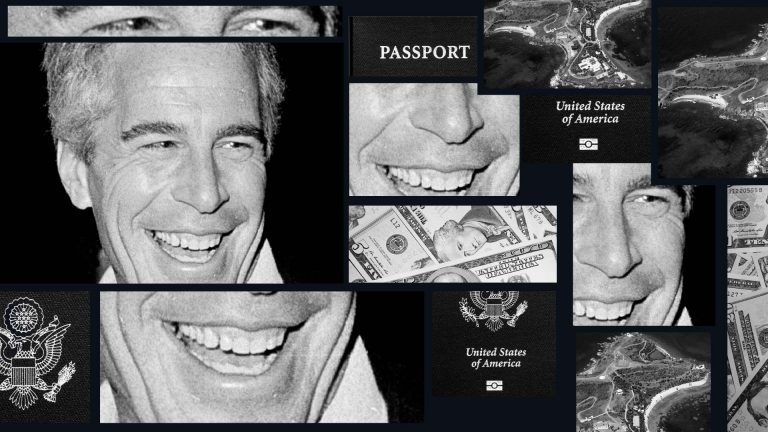
Because she was not underage when she met him, her story and that of many many other trafficking victims is often passed over. But she spells out to me what coercive control looks like up close.
She is locked in her room when she displeases Epstein. She is not allowed out of his sight without his permission. She is weighed publicly and humiliated when she starts to comfort eat through depression. Photos of her at her “fat” weight are pinned up around his apartment.
She finds her phone messages are hacked when she tries to plan her escape. And all this, needless to say, is in addition to the sexual abuse she endures and his demands for her to bring him “more pussy” – other young girls – which she will ignore, much to his growing anger.
I ask her if the release of three million files brought her relief or pain when they were made public last year. She grimaces.
She had never wanted her story to come out. Never wanted her name known. Then she catches my eye and decides to tell me the one story that encapsulates the mindset of those in power .
‘You know….” she hesitates. “My dog is in those files . But because he has a boy’s name – Monty – he is redacted. You see what I’m saying? They redacted my dog’s name and they plastered mine all over them. It tells you everything you need to know.”
 Most popular

What happens to Trump if he loses the midterms?

It might not look like it, but a motoring miracle has now happened

How Abdul El-Sayed became the man who can break Trump
The truth that Northern Ireland has never confronted