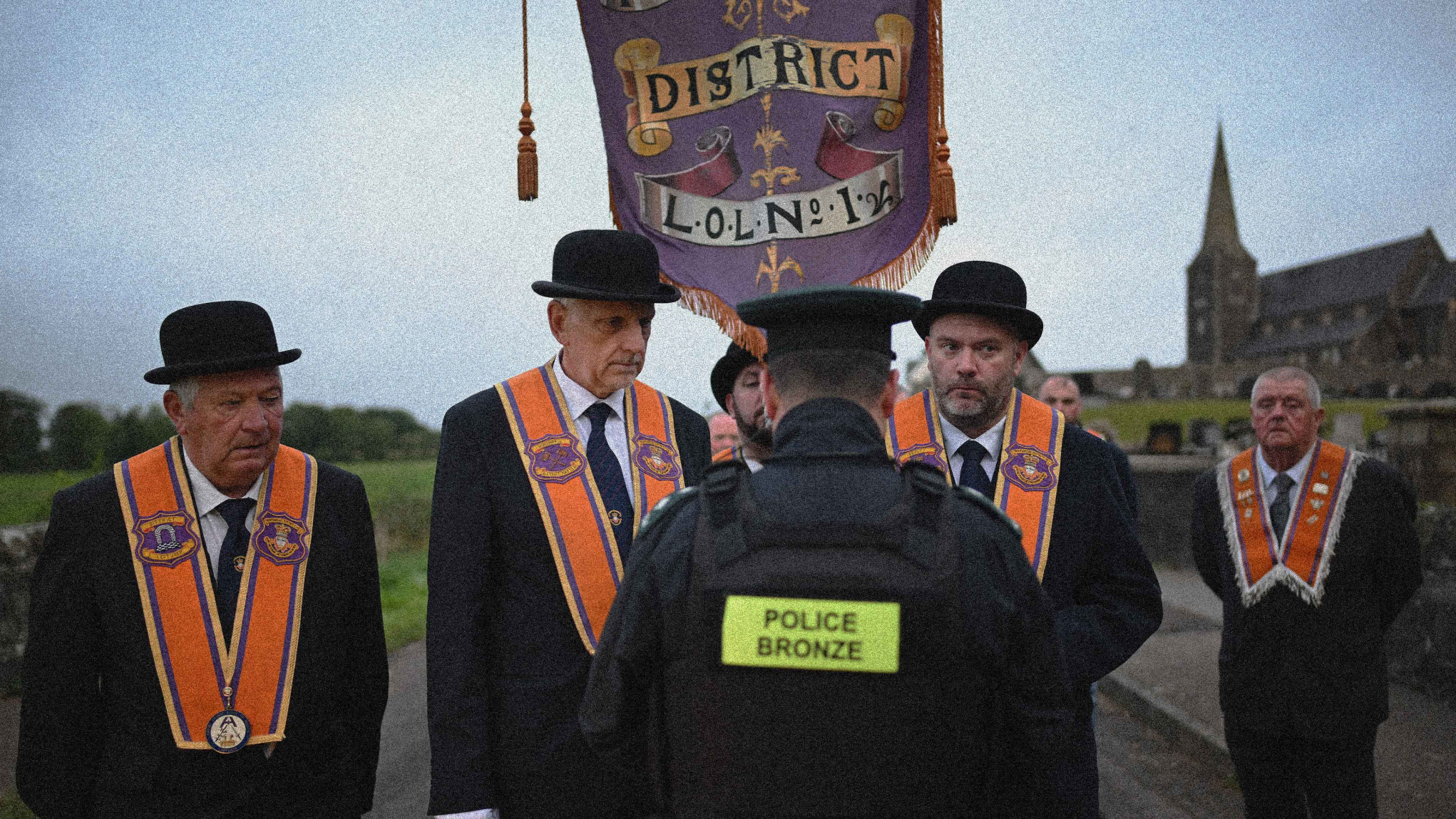
Defence secretary Wes Streeting is down as a speaker on my UK politics panel at the wonderfully boutique Cliveden Literary Festival.
This strikes me as odd – really – because the Houthis are bombing Saudi Arabia, the Iranians have been at RAF Fairford, and Trump has just decided to bankroll Russia, I am worrying that a literary festival is maybe not the best use of his time. I also fear he’s forgotten that last time a defence minister entered these bucolic grounds it ended in a swimming pool and a scandal which made Cliveden synonymous with the Profumo affair.
Alongside him on the panel will be deputy leader of the opposition Alex Burghart, two peers (very Cliveden) and a failed candidate for the Reform Party. On the day itself, Labour MP Jess Phillips arrives in place of Wes (emergency!) and as we open our discussion on Brexit she tells me she wants Rejoin to be in Labour’s next manifesto. When I ask her about it later she will call it “stating the bleedin’ obvious”, in a very Jess Phillips way.
It does not feel like the bleeding obvious to any of the other panellists. Burghart will “reject the premise” that we are economically poorer since Brexit and commit to undo any rapprochement with the EU. Reform will call the move by Burnham “a gift” for Nigel Farage’s party.
But it is a conversation I have off the record with a senior Conservative which proves the most revealing. They tell me they were surprised Keir Starmer missed the early chance to take us back into the customs union two years ago. It would have started a path to economic health AND set a trap for the Tories. Would they really set themselves on a collision course with business by revoking it?
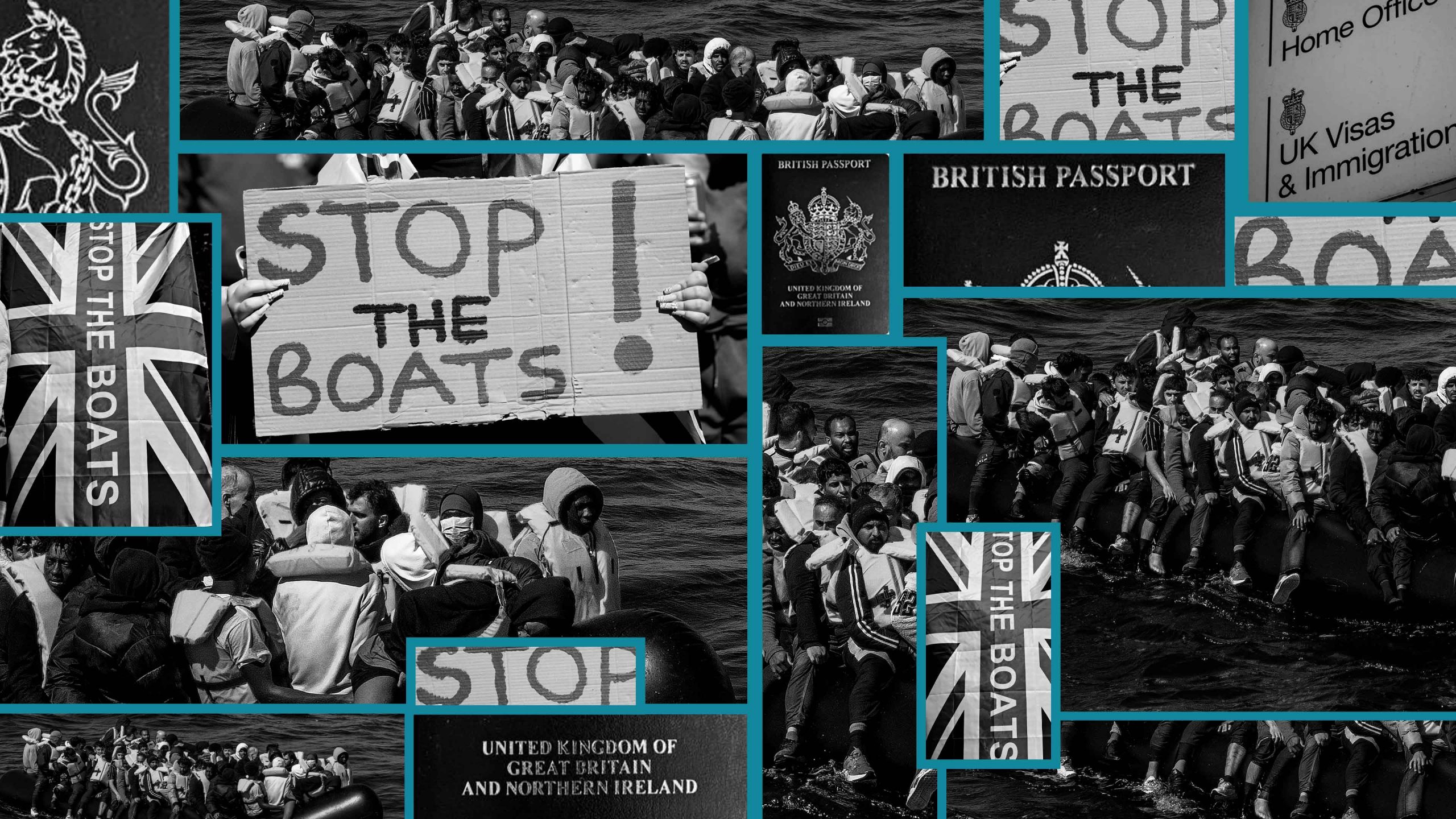
On stage, the EU debate slides into immigration. The reality tells one story: how small boat arrival numbers have plunged – a 40% drop year on year. How the asylum backlog has shrunk to the lowest level in a decade. How legal long-term immigration numbers have fallen almost 50% – according to Home Office figures – with fewer people coming here on work visas. If it’s a debate about numbers, the numbers are falling. If it’s a debate about control, then the direction of travel would suggest that it is returning. Yet the discourse on my panel is still about jihadists and rapists. The assumption that everyone coming here is trying to scam the system at best, and murder us at worst.
It is completely at odds with the other conversations being held here over the course of the weekend. Michael Moritz – the Welsh billionaire head of Sequoia Capital and author of an astonishing memoir of his parents’ escape from the Nazis – suggests passports be handed out to brilliant foreigners that come to study at Oxford. Eugene Rogan – a professor there and a Middle East expert – says it is the human capital of Damascus that gives him hope. Seeing young Syrians now trying to reshape their future with innovation, hunger and expertise.
‘It is remarkable that anyone ever took seriously Trump’s notion that he was a stopper of wars… we’ve long seen him choose the bullies over the bullied. But we should embrace the truth of this relationship: he girlcrushed Putin from day one’
Historian Peter Frankopan silences the audience with revelatory numbers on immigrant start-ups. I check afterwards to find that in America 60% of unicorn start-ups – ones that now have a value of $1bn plus – have been founded or co-founded by immigrants. They make up just 15% of the population, but 46% of Fortune 500 companies have been founded by immigrants or their children.
We have had almost no growth in this country for two decades. My own kids – in their early 20s – have never known it. And yet we wait to get richer on the idea that we are protecting ourselves from the outsider. The language we use – of suspicion, rejection, exclusion – drives this debate as much as the policies themselves.
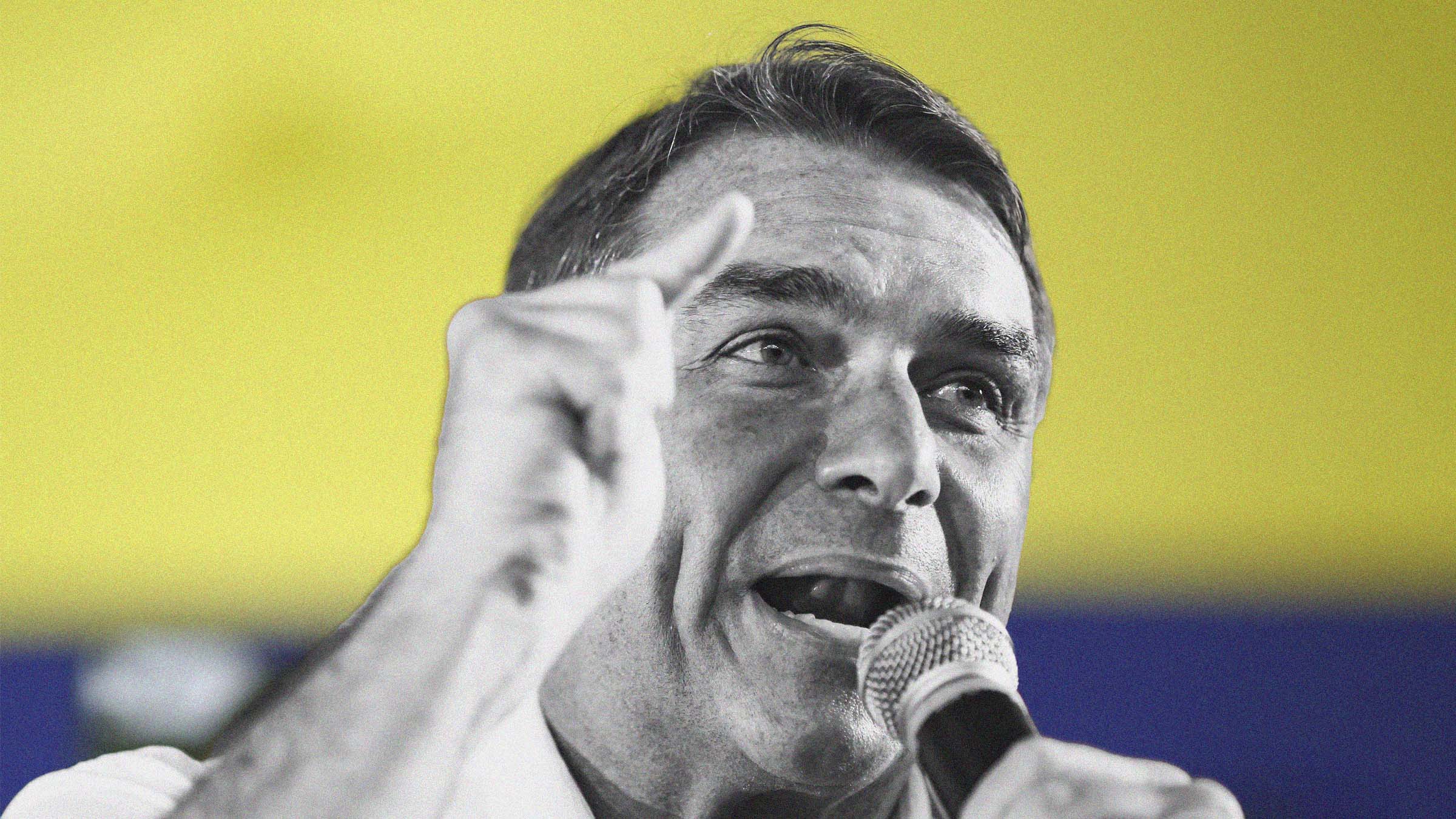
On @thenewsagents we discuss Trump’s execrable diesel deal with Vladimir Putin. It is remarkable that anyone ever took seriously his notion that he was a stopper of wars. More frustrating perhaps is the grief he gave those who accused him of complicity with Russia in 2016. Whatever part Putin did or didn’t play in getting Trump into power (over to you, Andy?) it is now, to channel Jess Phillips, bleedin’ obvious that Trump is on Team Russia.
We’ve long seen Trump choose the bullies over the bullied. But we should embrace the eccentric truth of this relationship: Trump girlcrushed Putin from day one.

Was it the bare-nippled horse riding? The Siberian skinny dip? Or the snug-fit judo uwagi, I often catch myself wondering? His sycophancy comes from the same stable as pimply adolescent infatuation.
It would be quite sweet if only it didn’t presage world war three.
Midweek, I host the cast of Ink at the London Film Festival. James Graham’s screenplay charts the rise of the Sun – with Guy Pearce as Rupert Murdoch and Jack O’Connell as his legendary editor Larry Lamb. At its visual core sits the true kidnap and murder of Muriel McKay – a friend of Murdoch. It asks if her fate was sealed by the paper’s decision to “run with it” for circulation figures.
In a telling exchange with the police, Lamb is admonished for calling it “a story” rather than “a case”. But the brilliance of Danny Boyle’s direction means we – the audience – become complicit in the paper’s success – cheering on the plucky little Sun to overtake the establishment Mirror.
My first single was the Boomtown Rats’ Rat Trap. My first album was The Fine Art of Surfacing. My first microphone was a hairbrush – air-singing to Diamond Smiles.
So when Bob Geldof agrees to be interviewed by me on stage, the world stops for a second.
In person he is sweary and irascible and provocative and twinkly. Everything I hoped for. He tells me the story of London through the eyes of an immigrant, when the pub signs and the boarding houses still said “No Blacks, no Irish, no dogs”.

He found work as a digger on the new M23, as a canner in a Peterborough factory. His job in an abattoir became the inspiration for RatTrap. The soulless place you get caught.
The London he describes was racist and raw but somehow full of potential after the repression of Catholic Ireland. This country resented him, arrested him, tolerated him and ultimately feted him.
He was bestowed with a knighthood for humanitarian work that changed the world.
That is the tale of immigration I long to hear more.