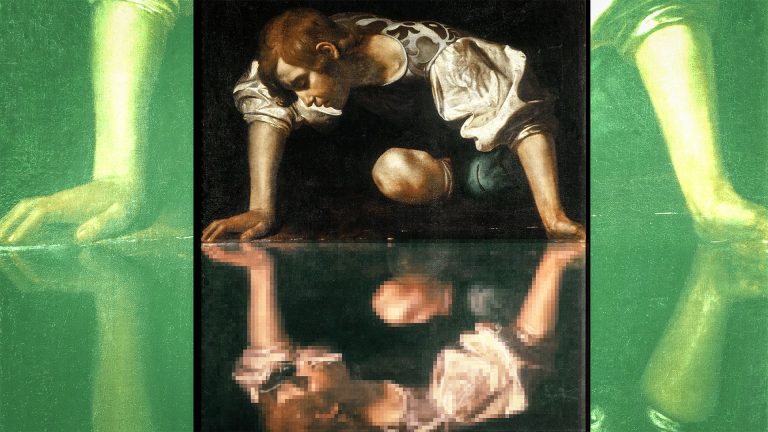
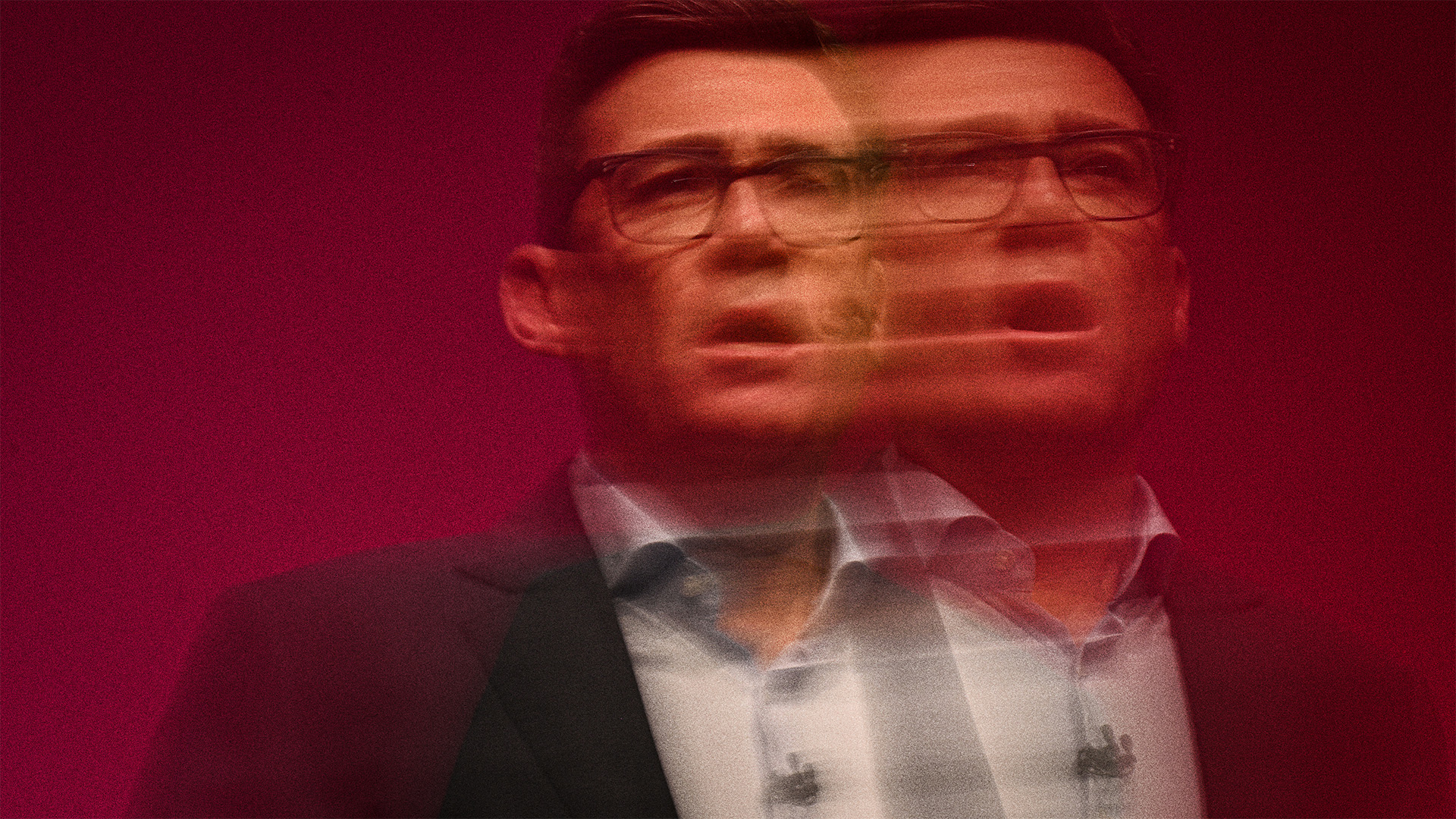
“Suicidal empathy” has been having a moment.
The phrase has travelled from the online right, via Elon Musk and the American culture wars, into British politics. Reform’s Robert Jenrick – the man who painted over children’s cartoon murals at an asylum-processing centre in Kent – is a fan. Coined by Canadian academic Gad Saad, it describes the idea that too much compassion is not a strength, but a weakness that can ultimately destroy a society.
I found myself wondering what Saad would have made of Andy Burnham’s speech to the Labour conference on Tuesday.
The centre of it was his promise to create a National Care Service, funded in part by ending the pensions triple lock and replacing it with a more limited guarantee of increases by inflation or 2.5 per cent.
But the emotional core of Burnham’s proposition was his father, who died only a couple of weeks ago. He spoke about watching the care workers looking after other people’s parents on poverty pay, somehow holding together a threadbare system with “huge skill, humour and humanity”. He thanked them for seeing his father through the final years of his life.
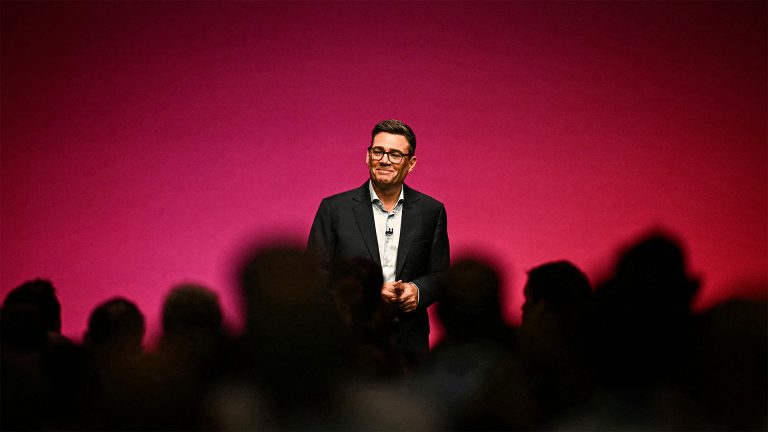
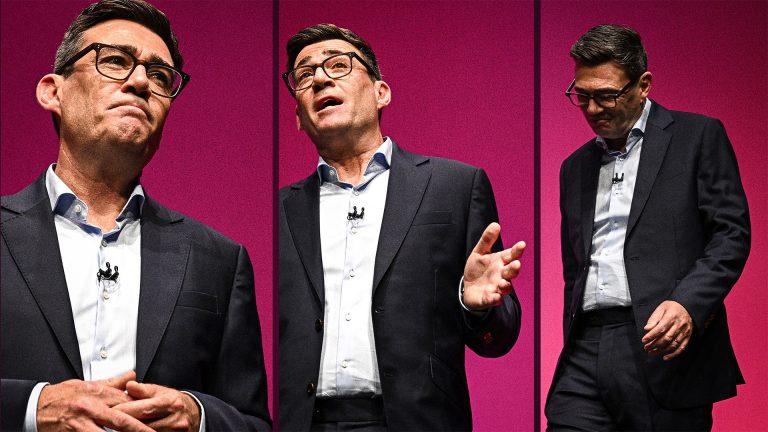
Then, he cried. For a moment, he could not quite compose himself. The hall waited, as did his cabinet. Some of them cried too.
It was one of the most striking moments I have seen at a party conference. Not simply because it was moving – it certainly was – but because it felt like something long overdue had shifted.
Until now, Burnham’s most distinctive quality has been his cheerful pub-bloke shtick. It is precisely because that image is so deeply embedded in his political identity that watching him tear up on stage, in front of millions of people, carried such weight.
But there was no sense that he was stepping outside that identity to show emotion. The two things felt entirely compatible: you can be the man with the pint and the man who cries about his dad. And, crucially, he does not seem to regard feeling as something separate from politics. It is not an embarrassing leak from the private sphere into the public one, but the thing that gives his politics its direction in the first place. Ministers and Labour figures were delighted by the speech and proud of the raw emotion displayed by their leader.
Burnham’s determination to change social care is rooted in watching what happened to his family and his National Care Service comes from seeing people who care for the elderly treated as if they are invisible. This newfound politics of care is an attempt to turn an intensely personal experience of love, grief and injustice into public policy.
We live in a divided age: one defined by the fissures of austerity and a series of financial and social shocks, all brooding in a town square of anonymised, algorithmically-driven social media interactions. In this state of nature, cruelty has taken root. Individualism is sold as common sense and compassion for others is disregarded as naivety.
It is most apparent in the way we talk about welfare and immigration, stripping benefit recipients and asylum seekers of their humanity. The same instinct runs through arguments about housebuilding, pensions, public services and taxation. There is remarkably little political space for the idea that something can cost me a little while making all of us better off. Nobody wants to be inconvenienced by the public good.
So too have we come to be accustomed to the idea that emotion has no place in serious politics. The ideal politician is controlled and detached. Keir Starmer embodied exactly that model: guarded and disciplined, loath to display emotion.
Farage offers something different, but it belongs to the same thought. His louder politics of grievance, resentment and antagonism still regard hardness as a form of strength and compassion as weakness.
Beyond Britain, the world is ruled by those with enormous egos and enormous platforms, treating geopolitics as a stage on which personal strength must constantly be demonstrated. Care is something for somebody else.
Suggested Reading
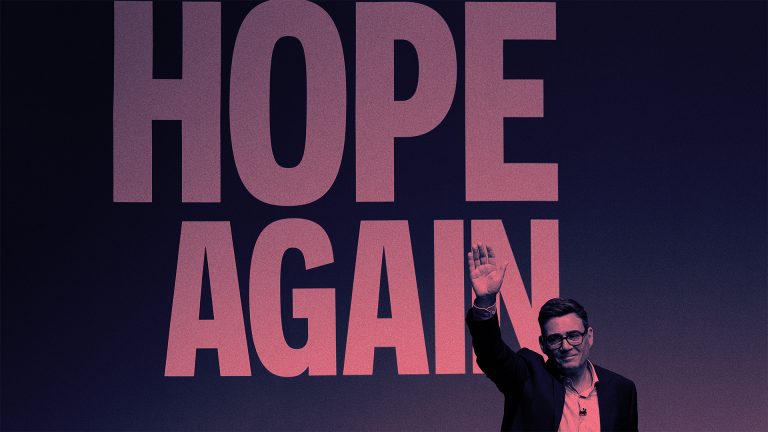
We waited 500 editions for this speech
Burnham offers another model. To be clear: it is not soft. There is nothing soft about standing up at a party conference and telling pensioners that the triple lock cannot continue in its current form, nor is there anything soft about telling your own MPs that some of your ideas will be politically painful.
Instead, he argued that the hard choices come from a deep, necessary empathy. Here is a bargain with society: give something up now to build something better for everyone. Ending the triple lock is not simply an exercise in saving, but spending that money differently, to build a system in which the elderly can grow old without the fear of being impoverished by care, while their children do not have to watch their homes and savings disappear into a broken system.
The argument behind “suicidal empathy” is that compassion is self-defeating. Burnham’s proposition is the inverse. Compassion is what gives you the conviction to make difficult decisions in the first place. Politics does not require us to care less, but to care more.
The bargain is imperfect. There are legitimate questions about whether the money raised will be sufficient, and about exactly what a National Care Service would cover. Those questions will matter enormously in the months and years to come.
But the political proposition here is much larger and much more radical than the funding mechanism. When so much politics is telling us to look out for ourselves, there was something quietly radical about a politician standing on a stage, crying for the people who cared for his father, and saying that this was precisely why he’s going to change the country.
 Most popular
Sorry Nigel, but the polls show you’ve had it
“We will hope again”: Andy Burnham’s full speech to the 2026 Labour Party Conference
Why is Farage so keen to protect Russia’s right to lie and cheat?
Vigour, passion, purpose: Why Andy Burnham’s bold speech will be talked about for many years to come