The air around Westminster on Monday evening was already thick with the latest heatwave’s humidity. But it felt heavier still in Downing Street’s garden, where Keir Starmer’s family, aides and political allies came together for a hastily organised party that was laden with all kinds of emotion.
Large quantities of what they call “chicken wine” – because a pair of the birds appear on the label – were being poured. Someone was blasting out hits from Coldplay and Taylor Swift from a portable speaker. There were some tears and a lot of slightly damp hugging, as well as smiles and occasional bursts of laughter, from the 150 loyalists who had gathered there.
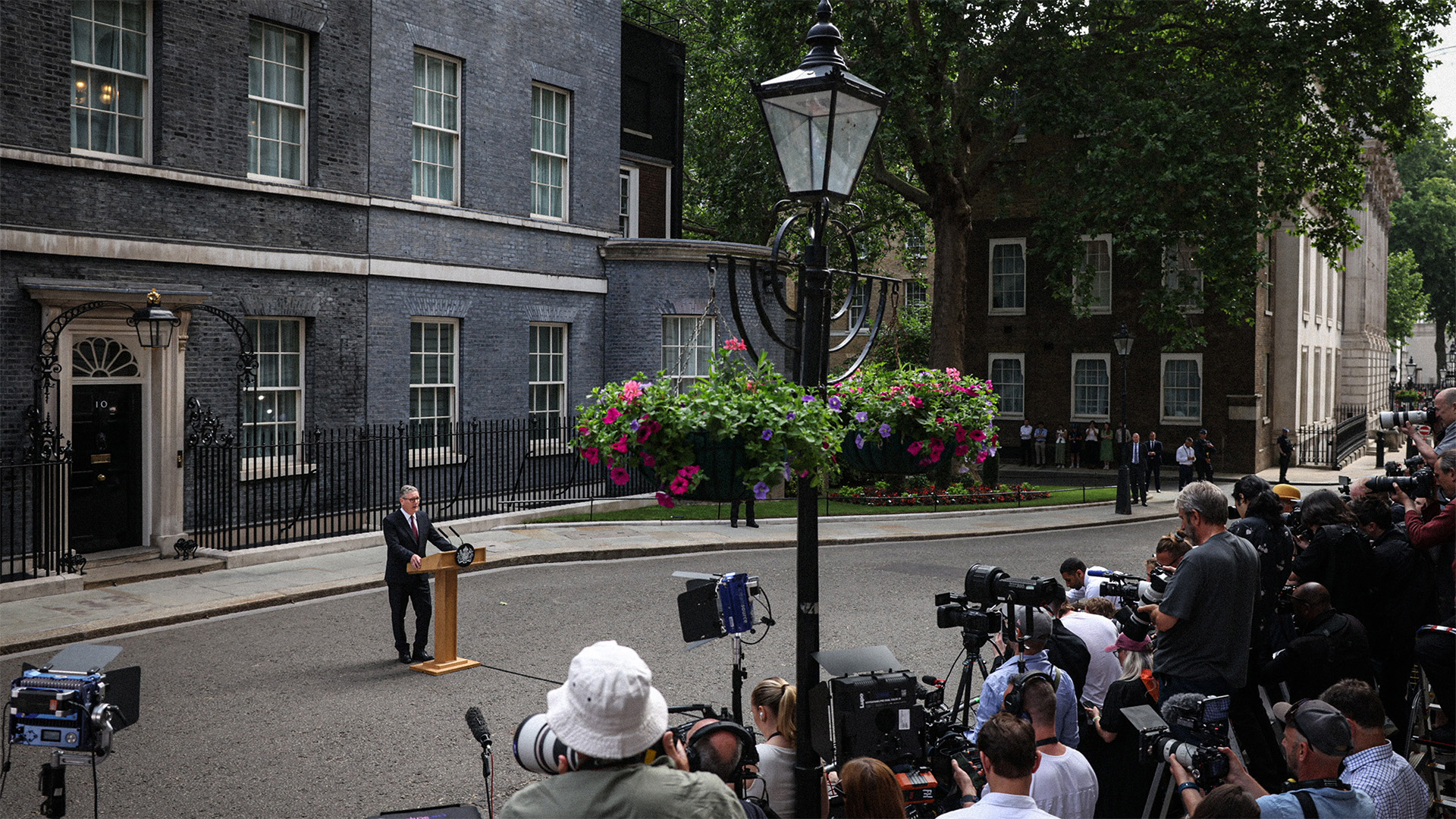
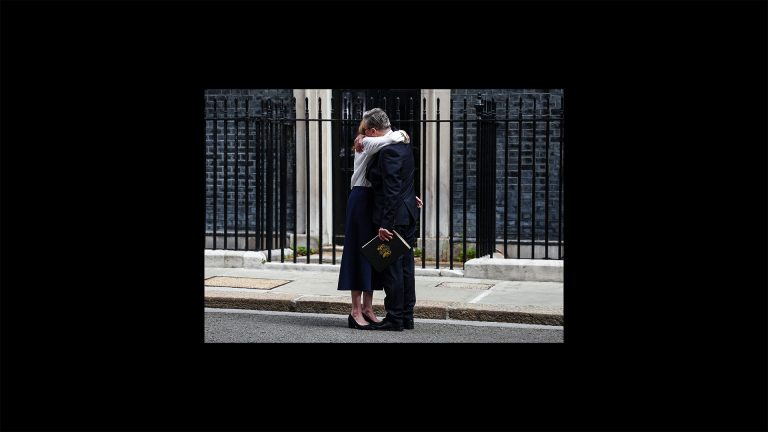
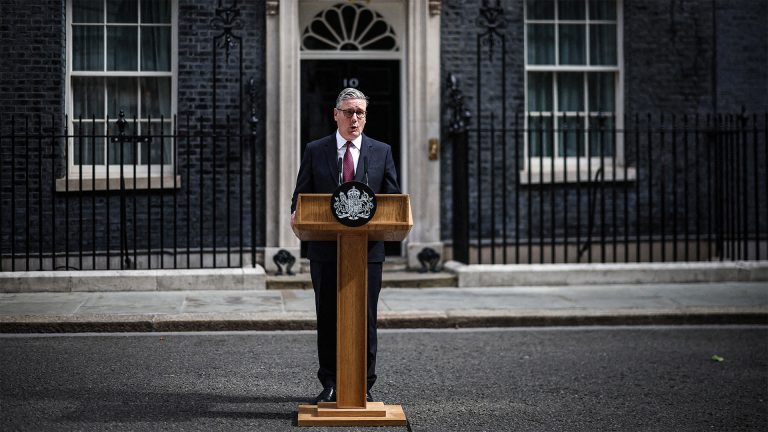
Many of them had been outside at the front of the building to bear witness to Starmer’s resignation that morning. The brittle delivery of his speech had cracked towards the end when he paid tribute to his wife, Vic, for being “by my side through good times and bad” – then broken altogether as he talked about his ‘beautiful children” and promised he would now try to be “the best dad I can”.
This was a rare glimpse of a human side which he has always been reluctant to show, despite having been told so often it might help him make that much-craved connection with the public.
As the day came to an end and began to lengthen into dusk at the back of the house, however, Starmer delivered only the briefest remarks in which he said going on too long risked him getting “too emotional” again. Instead, the man who was still – just about – prime minister chose a different and typically less emotive way to show them how he felt. He moved around the garden slowly, casually dressed and drinking from a bottle of beer, making sure he talked properly and seriously with everyone who had turned up.
One of them later said the “respect and love” they got from him – and from each other – on Monday evening was a reminder of how things used to be, back in the days when they were so eager to be in government, before it all turned so sour.
Since February, when the first serious effort to oust Starmer was thwarted, many of his closest allies and aides had begun to accept privately he would have to step down before the next general election. A failure to emote in public was just one of the ways he seemed unsuited for the job and even his most diehard supporters recognise there were too many mistakes; too many missed opportunities.
Loyalty was squandered, anonymous briefings from within a sometimes-dysfunctional Downing Street casually spread blame around for its own failings, while the government’s story became ever more incoherent. The damage to his authority was deep, his record-breaking unpopularity intractable, the emotion of pure hatred – not just on social media but also behind so many doors knocked on by Labour canvassers – towards him grew ever more intense.
Yet there is still some bafflement and resentment in his circle at how acknowledged errors – such as cutting pensioners’ winter fuel allowance or appointing Peter Mandelson as ambassador to Washington – are falsely equated with the Iraq war, the Brexit referendum or the Covid lockdown drinking parties that defined some of Starmer’s predecessors. There is also a large measure of frustration over the enforced timing of his resignation this week, with some MPs believing the prime minister deserved a longer stay in office so that he could have put into practice the lessons learned – and be credited for decisions taken – during these past two difficult years.
Indeed, he will be departing Downing Street just when some solid achievements are being notched up despite severe limits to what can be done at home and endless mayhem abroad. The economy is at last growing a little, immigration is getting controlled, while crime and NHS waiting lists are falling. The benefits of long term investments in clean energy, public infrastructure and defence, as well as reforms to health, early years education, apprenticeships and those in the pipeline on welfare will be reaped by Starmer’s successors – provided they are not unpicked first.
This is why, even after Labour’s calamitous election results last month and the recognition Andy Burnham could no longer be prevented from re-entering parliament through a by-election, some effort was put into a plan by which Starmer could have carried on for a few months more.
Evidence that this was, briefly, a real thing can be found in how he watched his team’s biggest football match in 20 years sitting at home. A prime minister who felt he had nothing left to lose (except, as it turned out, a penalty shoot-out) could have got himself to Budapest to watch Arsenal play in their first Champions League final since 2006. His decision to watch the game on May 30 from his sofa reflected a continued sensitivity to public opinion, or at the very least what the media would have done by totting up of the expense of his flight and security, that showed Starmer thought he had some way to go before the final whistle was blown on him.
Polls showed he retained significant support among party members – certainly more than might have been perceived from reading the newspapers – which meant he could beat potential candidates such as Wes Streeting, Angela Rayner or Ed Miliband. And just maybe, if Burnham had only scraped home with the smallest majority in his by-election or his credibility somehow unravelled in the meantime, there was an outside chance of prevailing against him too.
But there are plenty of advisers in Downing Street and sympathetic ministers who admit they never harboured much hope of winning such a fight this summer. They tended to regard the prime minister’s repeated insistence that he would “not walk away” and would contest any leadership challenge as being more about deterring or delaying one until next year.
They were encouraged by signals from within the Burnham camp that he was reluctant to initiate a leadership challenge and would prefer Streeting to get the blame for instigating such “regicide”. They also detected nervousness about whether the former Manchester mayor, who had not even been an MP for nine years, was ready to step straight into Downing Street.
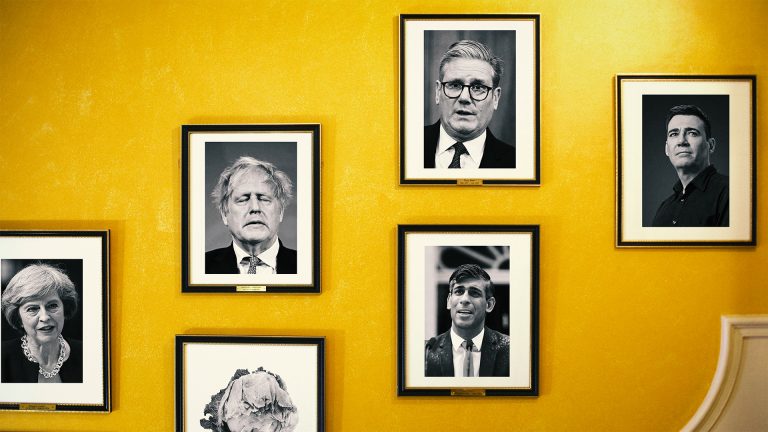
Starmer swiftly rejected a reckless idea, which was to reassert his authority by sacking any senior ministers deemed to be disloyal. More consideration was given to a proposal – which now seems ridiculously implausible – to welcome Burnham back into parliament with the offer of a cabinet job on the tacit understanding that he would get his shot at Downing Street later.
When the prime minister began his fightback in the final days before the Makerfield by-election, however, he was almost immediately knocked back. Previous supporters and donors he telephoned were reluctant to offer him much backing, while meetings with junior ministers who owed him their jobs were similarly awkward and demoralising.
Then came the hammer blow of John Healey’s resignation as defence secretary over what he said was inadequate funding for the government’s long-awaited investment in the military. From Starmer’s perspective, the £13.5 billion additional funding he raised by squeezing other departmental budgets was more than any other prime minister who talked big about defence spending had achieved – and had been done without much help from anyone else in government. But no one around him doubted Healey’s resignation put a gigantic hole in Starmer’s proudest claim that he got the “big calls right” and would always keep Britain safe.
Suggested Reading

I didn’t rate Starmer as PM – so why do I feel so sad?
The final straw came in the small hours of Friday morning at the count for the Makerfield by-election, where Burnham was not only victorious but had also passed every possible test his party might set. He almost doubled Labour’s majority and did not need the even more extreme Restore Britain to take a slice of Reform’s share of the vote because he got fully 55 per cent of it. The Greens, who have eaten into Labour’s other flank, got less than 1 per cent.
A couple of hundred miles away in Downing Street, Starmer spent much of Friday talking individually to cabinet ministers about whether he should, or even could, stay. “The conversations were,” according to one of his most senior staff, “very difficult ones for Keir”.
By the weekend, he was at Chequers writing a speech where he accepted “the question being asked now” was no longer about who should run the government over the next few months but “whether I am best placed to lead us into the next general election”. And on Monday morning, the prime minister said he had heard from his party’s MPs and accepted their answer “with good grace”.
Starmer was pleased that he managed to maintain some agency because the media did not know for certain what he would say until the podium appeared outside Downing Street. There is also some satisfaction in being able to expose the contradiction between those in Burnham’s camp who said he should quit because Whitehall was grinding to a halt amid the uncertainty over his future – and others who wanted him to stay on a couple of months while they worked on “their plan and their tan” this summer. He is now expected to leave Downing Street in under four weeks after making one last effort to finalise his defence investment plan ahead of a big Nato summit.
But these are tiny consolations for someone who had once been so determined to oversee a “full decade of national renewal” and knows long-term challenges are less likely to be solved unless Britain can break its habit of having very short-term prime ministers.
Suggested Reading

This is why Starmer had to go
His frosty relationship over recent years with the man who now seems certain to be the next inhabitant of No 10 is unlikely to have been thawed by anything that has happened over recent weeks and days. After the Makerfield result, there was irritation in Downing Street at endless news footage of the Burnham team celebrating their victory in the pub even as Starmer and his aides worked late into the night on dealing with the consequences of Friday’s Bedford train crash.
There was more annoyance on Monday as Burnham arrived in London grinning triumphantly and posing for a mass selfie with MPs shortly after the prime minister’s resignation speech. “For a politician supposed to get the vibes and do the empathy, it might have been a good idea for Andy to say a few words of tribute to the leader who won those MPs their seats at the last election,” says a minister.
As he counts down the days before leaving, Starmer is unlikely to consider serving under Burnham, perhaps as foreign secretary, even if such an offer was made. Friends mostly expect him to quit as an MP sooner rather than later.
But his speech on Monday outside Downing Street earned him some rare praise because it showed he had decided against unleashing the turmoil that would have ensued if he had tried to barricade himself inside. “Every decision I’ve taken has been about putting the country I love first,” he said, adding that he would support his successor and “do everything I can to ensure an orderly handover of power”.
There is real dignity in this position and it will serve him well if history is to judge him better than he has so often been by a legion of critics. And, if that means bottling up any anger or bitterness he might feel towards Burnham, that should not be too difficult for him. After all, Starmer is usually rather good at concealing his emotions.
Tom Baldwin is the author of Keir Starmer: The Biography
 Most popular

Churchill, the Beatles, St George: All the English heroes who aren’t actually English

The New World at 500: Independence isn’t our marketing slogan. It’s our business model
The problem is they just don’t care about us any more
Sorry Nigel, but the polls show you’ve had it