Yes, there were bad policies. But they were not the problem. The decision to cut winter fuel allowance. The decision to hike National Insurance payments. The decision to pick a fight with farmers over inheritance tax. These were all bad policies.
As for foreign policy, the sight of Starmer in the White House ingratiating himself with Trump was immensely damaging. When he produced the letter of invitation from the King and presented it to the president, he looked like a supplicant – and the decision to pick Peter Mandelson as his ambassador to the US was perhaps the single worst personnel decision in modern political history.
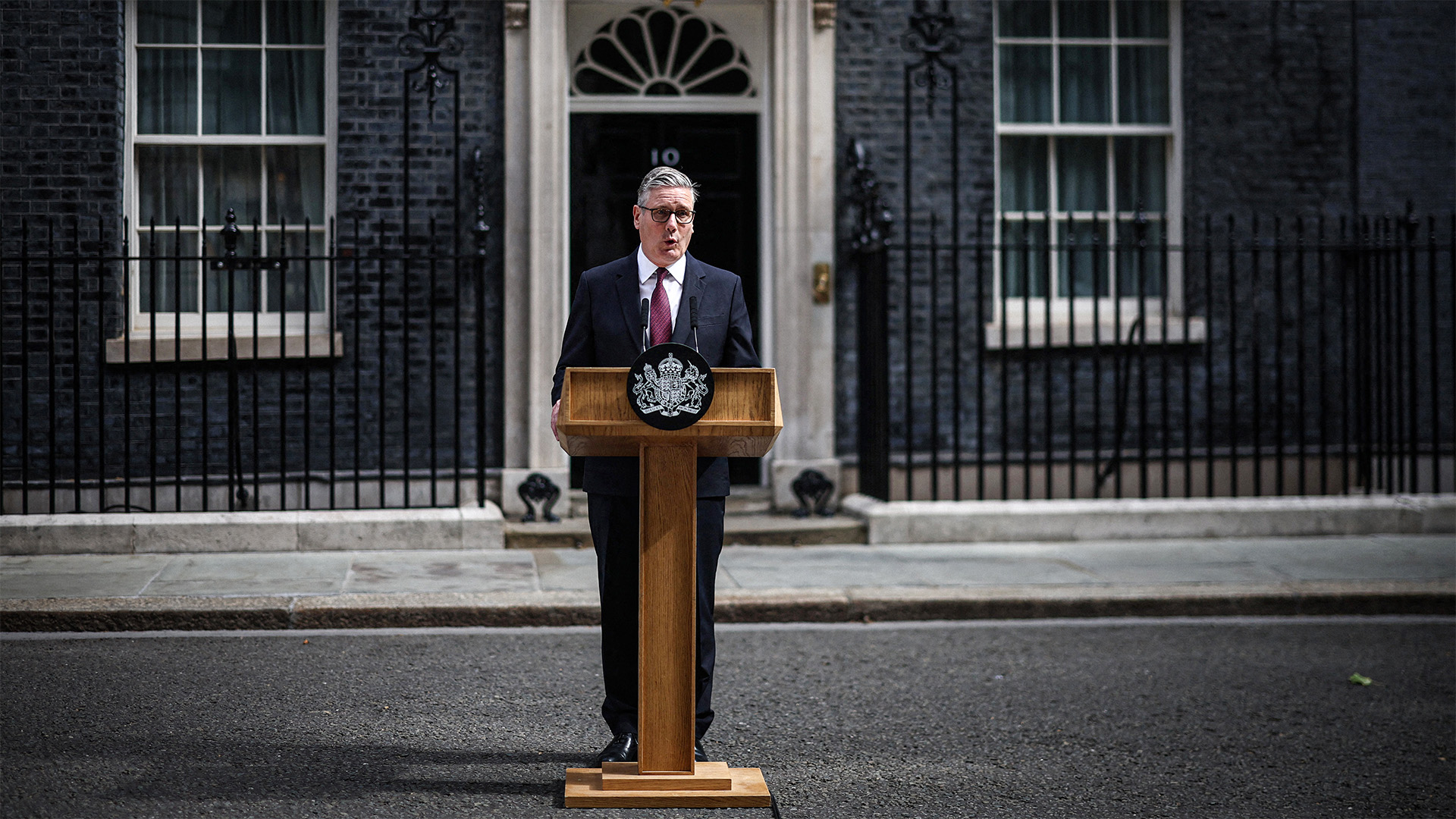
But the bad policies and poor decisions were not Starmer’s most fundamental weakness. His biggest and most damaging problem was pre-political. It had nothing to do with his policies, decisions or ideas. It was a problem that preceded all of that. The seeds of his own destruction were contained in the approach that Starmer brought with him into office.
Starmer’s defining pre-political problem was that he couldn’t construct a narrative to convey his central political ideas, which meant he came across as someone who didn’t have any.
Yes, there were stories about his childhood, about his parents and his siblings. But backward-facing reminiscences were precisely the wrong kind of narrative. What he really needed was to tell a story about Britain in the present day, and where he thought the nation was heading. But he couldn’t do it. That inability was all the more damaging as Zack Polanski and Nigel Farage both happen to be good at it.
And because Starmer had no ability to construct a narrative of that kind, the impression it gave was of someone who offered no sense of political direction.
The inference for the electorate was plain – that this was someone who did not understand the country, and in not understanding the country, did not understand the voter. The consequences of that were manifested in the catastrophic local election results, where huge numbers of Labour councillors lost their seats to Green and Reform candidates.
Suggested Reading
What Starmer never understood about being PM
Instead of a compelling story about Britain, Starmer based his leadership on the idea of “deliverism”. In this approach, you do not need stories. What you need are policies that you can deliver. This will make the country work better, people’s lives will improve, and that way you will win the political race. There is some merit to that approach.
What it ignores is that people think in terms of stories. The instinct to construct narratives is a profound civilisational impulse. To dismiss its importance, and to ignore the emotional response that stories can generate, is to misunderstand how ideas – and political sentiments – are spread. As Jess Philips wrote in her resignation letter when she stepped down as safeguarding minister back in May, “politics is as much about feelings as policy, especially at the moment.”
But Starmer’s instinct was to opt for a cold, bloodless process of procedural, narrow policy. At a time of building global crisis, this fixation with “deliverism” was especially disastrous, because it overlooked the international character of so many of Britain’s problems.
No UK government policy could ever offset the effects of the Iran war, or the sense of political decay that has spread across the world from Trump’s White House. It’s impossible for Downing Street to do anything about inflation when it is being driven by an energy crisis in global markets.
But Starmer was unable to craft a political story that grasped this new sense of international threat. He offered no sense of authority or reassurance. In short, Starmer was completely unable to do “the vision thing”.
Suggested Reading
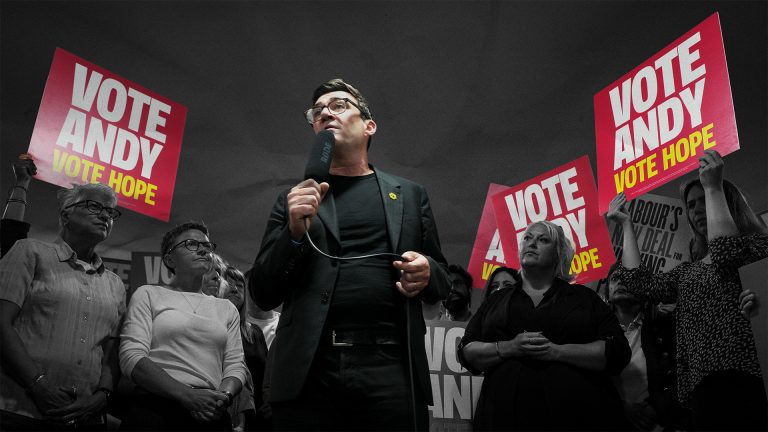

Burnham must run fearlessly into the future – and this is how
It’s easy to be dismissive about vision. It sounds superficial, like pointless, airy big-talk. But it’s much more important than that. To have vision is to have a theory of the future. And if you don’t have one of those, if you don’t have any idea of where you want to go, then what, really, are you asking people to vote for?
The answer, as Starmer discovered at the local elections, turned out to be “someone else”.
Now, he will be replaced, almost certainly by Andy Burnham. If he does succeed Starmer in Downing Street, he will be confronted by exactly the same array of brutal political problems, both domestically and internationally. Being prime minister isn’t getting any easier – the last PM to win a majority and serve an entire term in office was David Cameron.
The challenge for Burnham will be to develop a strong, coherent story about Britain’s place in the world, about Britain’s future – and to tell it. If not, the next PM will do no better than the last.
 Most popular

Emily Maitlis’s diary: Trump doesn’t fear the AI apocalypse – but he’s terrified about the midterms

The decline of the Daily Mail
If Shabana Mahmood is tough, why is she so slow to crack down on Danny Tommo and the far right?


What the rich and powerful are really saying about AI