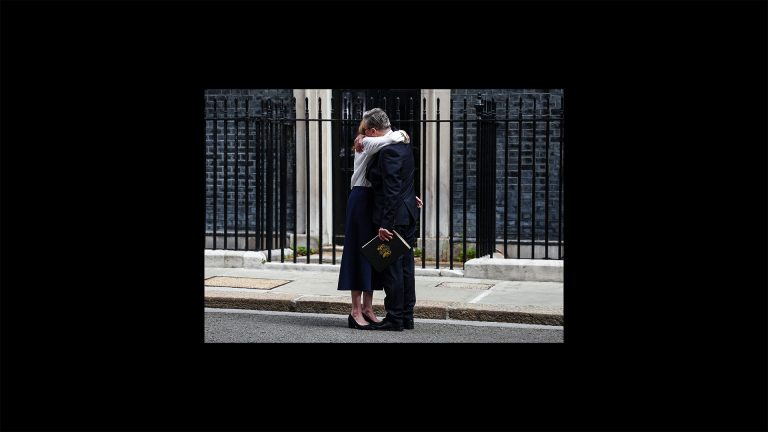
June 22, 2026: Today, the day Keir Starmer announced that he would be resigning as prime minister.
June 23, 2016: The day the UK voted to leave the European Union.
Ten years minus one day.
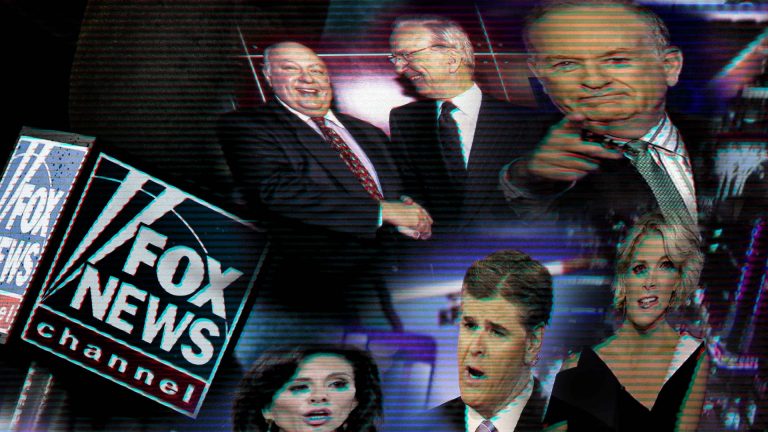
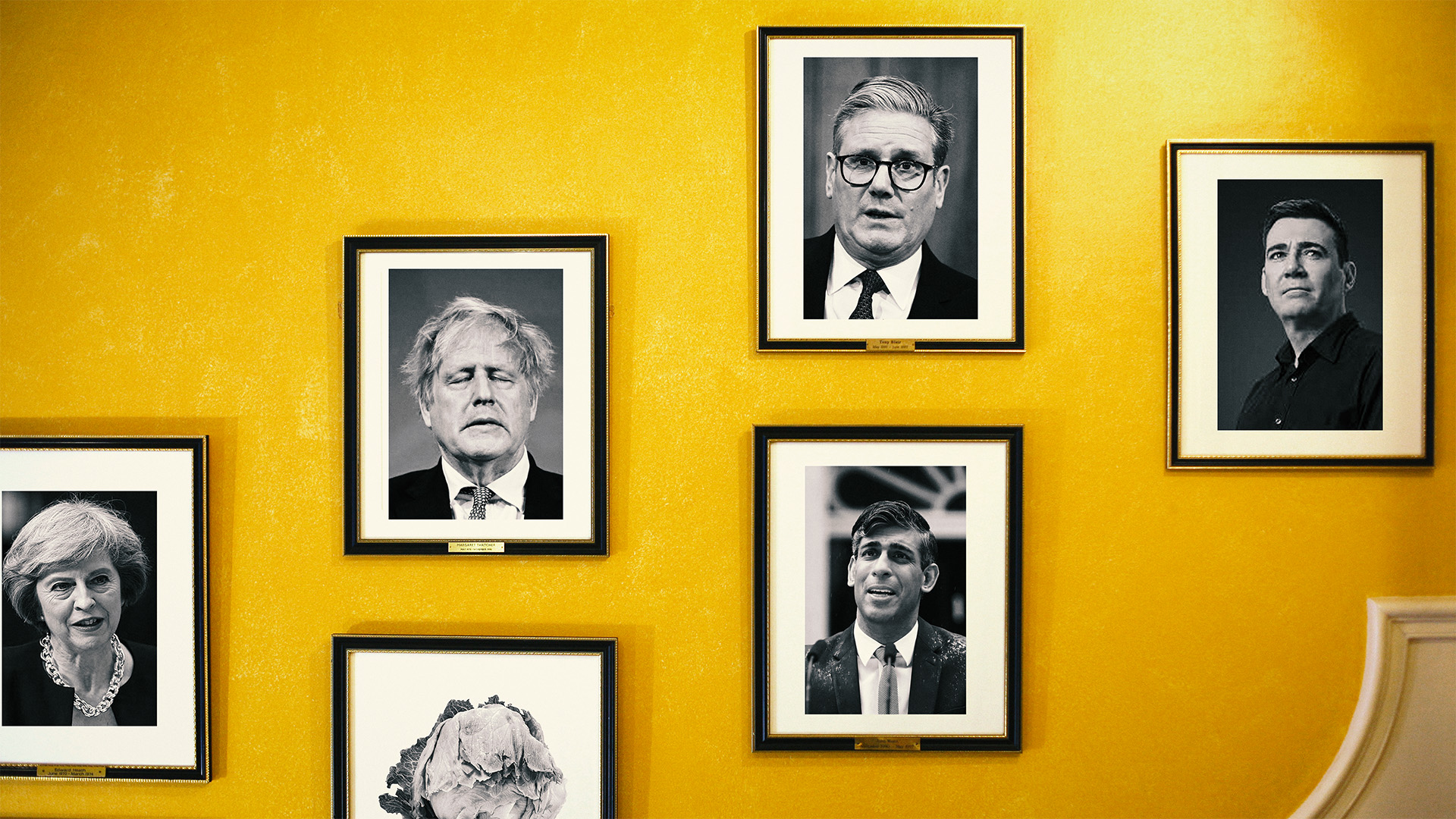
David Cameron. Theresa May. Boris Johnson. Liz Truss. Rishi Sunak. Keir Starmer. Andy Burnham to follow.
Ten years. Seven PMs. Am I alone in thinking there might be a link between the two dates? Happy birthday, Brexit.
We used to laugh at Italy when it churned through prime ministers. They had six between Silvio Berlusconi’s final stint, which ended in 2008, and Georgia Meloni.
With Meloni coming up to four years in the job, you have to go back to David Cameron to find a British PM who lasted as long in office as she has so far. During Margaret Thatcher’s Premiership, no fewer than ten Italian prime ministers came and went… bonus points for anyone who can remember Amintore Fanfani, Giovanni Goria or Ciriaco de Mita. No? Me neither.
Suggested Reading

I didn’t rate Starmer as PM – so why do I feel so sad?
So why, other than my self-confessed Brexit Derangement Syndrome, do I make the link between Brexit and this long and growing list of occupants of 10 Downing Street? Answer: because Brexit did not just weaken us economically, it weakened us politically too. And every single one on that list, bar Cameron, who vacated the field when his catastrophic referendum decision backfired, has failed in part because of a failure to admit the truth about Brexit, and confront the country with the damage it has done.
Whether the Brexit backers like Johnson and Sunak, Johnson with his bloviating bluster about Global Britain, Sunak with his technocratic managerialism, or the reluctants like May and Starmer, with her “Brexit means Brexit” and his “Make Brexit Work” slogans, they were all jockeys flogging a dead horse.
Now, not least because of the Leave-voting Makerfield constituency in which he won the by-election that has put paid to Starmer’s premiership, the chances are Andy Burnham will settle on similar formulations, park past comments on the need to get back in, and get the country to focus on other things.
Don’t get me wrong. I am not saying Brexit is the only or even the main reason Keir Starmer has gone from landslide to resignation in less than two years. But I am saying that it is one of the reasons that the country, our politics and our standing in the world are in the mess they’re in.
To be fair to Starmer, he worked hard and with some success to repair the damage to our reputation as a serious country on the foreign policy front. Several heads of state and government I spoke to in recent weeks simply could not understand why his position had become so difficult, and why his ratings were so low.
But they were, and then in came numbers that spoke a lot louder than opinion polls… real votes in real ballot boxes showing that Burnham could do something few other Labour politicians seemed capable of doing – stop the rise of Reform.

It is a brutal end to a short premiership, which started out so well, with a 174-seat majority. He will doubtless spend the rest of his life wondering how he went from that to where he is now, and perhaps Andy Burnham should spend the time before he takes over reflecting on the same thing, so he avoids some of the same mistakes:
1) First impressions matter. The first days, even the first hours, are so important. Attention is at its highest. Clarity of project must be strong. The tone must be realistic but optimistic too.
2) First decisions matter. Governments tend to be remembered by the big things that go right, and the big things that go wrong. That the winter fuel payment cut became the defining policy change of Starmer’s first year suggests there were not enough big, bold decisions being made elsewhere.
3) Strategy matters even more. All successful leaders and governments have a clear and compelling strategy that is understood across Westminster and Whitehall, and by the public at large. The decisions made by government have to tell a story that speaks to the public mood and the national interest.
4) MPs matter. 411 Labour MPs were elected amid the Starmer landslide. Of course, he can take a lot of the credit for them getting there. But MPs should not be taken for granted. Too many began to feel disrespected and ignored. Burnham has to find ways to ensure they are more than just lobby fodder.
Suggested Reading
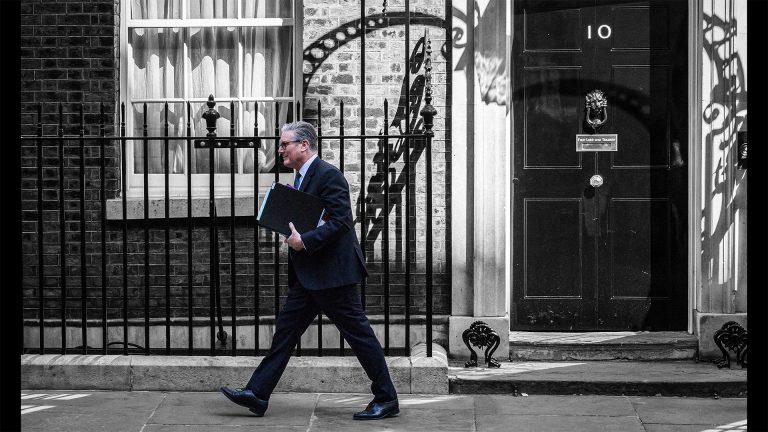

What Starmer never understood about being PM
5) Ministers matter. The key Cabinet appointments should go to the strongest talent, and the broader appointments should be made on merit, but reflecting differing political strands in the parliamentary Labour Party.
6) Advisers matter. Starmer relied too heavily on one strand of advice, from Morgan McSweeney, whose talents in running a campaign from opposition did not translate well to government.
7) Political judgement matters more. Starmer sub-contracted too many decisions, not least when it came to personnel. It is one of the tragedies of his term, for example, that his instinct was not to send Peter Mandelson to be ambassador in the US. He was persuaded otherwise, and from that flowed a lot of political damage. Leaders must listen to a range of advice, but ultimately rely on their own judgement for the big or risky ones.
8) Parliamentary performance matters. Starmer improved over time at the despatch box, but he never really gave a sense of being comfortable and in command. It will be interesting to see whether Burnham’s determination to avoid tribalism and point-scoring survives the heat of the hothouse when it gets going.
9) Speeches and speaking style matter. So much of modern leadership comes down to what you say, how you say it, the impression you land on people.
10) Media matters. The media landscape has changed out of all recognition. Starmer never seemed at ease with this side of the job, but you have to dominate the media on your own terms.
The mainstream and social media hostility to Starmer has been disproportionate. It will now shift to Burnham. Indeed, in some quarters, it already has. New ways of communication are desperately needed to cut through the noise and hostility, the lies and disinformation.
 Most popular

Churchill, the Beatles, St George: All the English heroes who aren’t actually English

The New World at 500: Independence isn’t our marketing slogan. It’s our business model
The problem is they just don’t care about us any more
Sorry Nigel, but the polls show you’ve had it