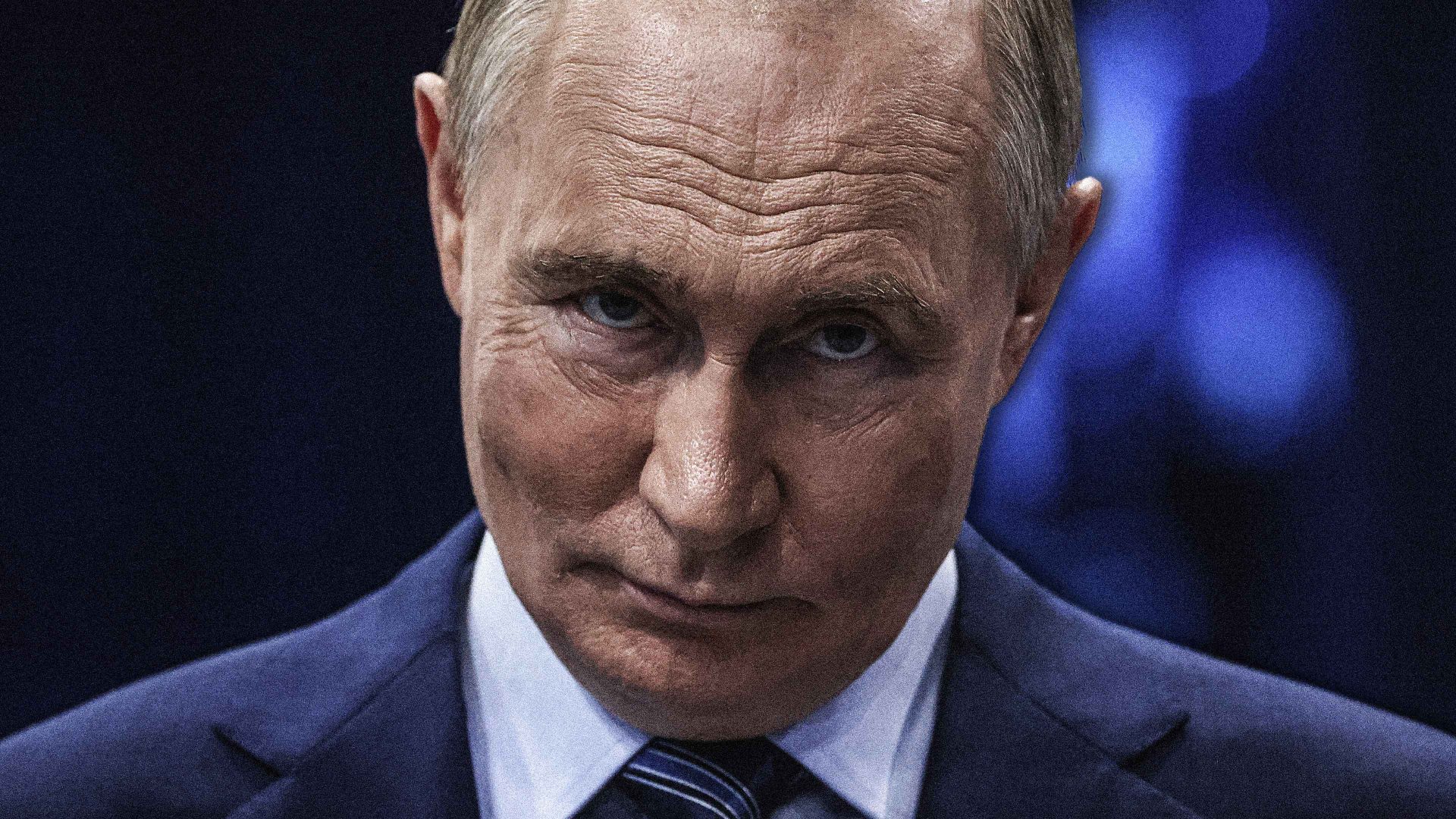
In the photoshoot that accompanied his 60-hour interview with The Economist, Andrey Melnichenko stares into the distance as if haunted by some approaching catastrophe. “The most important thing is that we step back from the abyss,” he tells readers in the accompanying 3,000-word essay.
The Russian oligarch, who owns the EuroChem, the second biggest fertiliser company in the world, was forced to fell a life divided between Switzerland and his yacht and return to Moscow due to sanctions imposed , America and the European Union.
Headlined “The Man Who Would Change Russia”, Melnichenko’s intervention was a calculated attempt to signal a potential off-ramp from the Ukraine war – both to Western leaders and their voters.
He is not a dissident. Indeed he is granted seances with Vladimir Putin himself. He does not condemn the invasion of Ukraine, nor call for the withdrawal of Russian troops.
And he doesn’t want to challenge Putin. But he does want a change of governance, and he wants Western forbearance and engagement with the Russian business elite to make it happen.
In essence, the demand is for “sovereignty”: stop fantasising about defeating us in the “30 years war” Putin has declared against the West, and instead build conditions for Russian re-entry into Europe’s security architecture: that’s the essence of Melnichenko’s manifesto. Ignore the opportunity, he says, and we run the risk of conventional or even nuclear war with NATO.
Suggested Reading
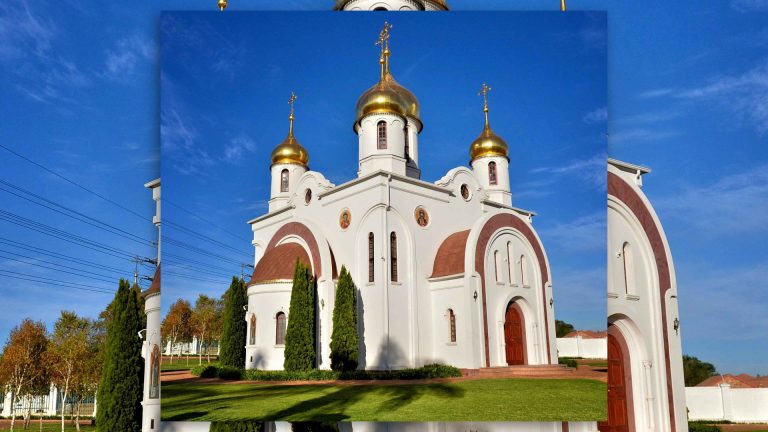
If you’re Kenyan, watch out – Vladimir Putin wants your soul
Ukrainian reactions were predictably curt – and Western geopolitical analysts also gave the interview short shrift. The balance of opinion concluded, in my view rightly, that this was a Kremlin-inspired gambit to force wedges into the Trump administration.
Since then, in classic good-cop, bad cop style, Putin has rained hypersonic missiles onto Ukraine and in all likelihood gave the green light to an attempted explosive drone attack on a Ukrainian plane in Leipzig last week.
But it is worth evaluating calmly both the offer and the argument of the Melnichenko gambit, even if – as I will argue – they should be rejected.
Melnichenko’s critique of the Russian oligarchy goes like this: we put our faith in the global system, moving our domiciles and wealth to the tax havens of the West, only to see the system shatter due to de facto Western economic warfare against Russia, in the aftermath of February 2022. Forced to choose between Putin’s revisionist and aggressive agenda and that of a West that wants to destroy us, we retreated from politics. But as the regime totters – its oil infrastructure and food distribution system in flames due to Ukrainian deep strikes – we’re stepping forward to offer the West a de-escalation path.
Freeze the Ukrainian front lines. Disavow any idea of breaking up the Russian Federation, or pursuing its key players Nuremberg style, and accept co-existence, with Ukrainian neutrality as the precondition.
Since Ukraine “gets a vote” in this dilemma, and has consistently chosen to orient to the West, the European Union and NATO, and to maintain the sovereign borders set on the day the USSR was dissolved, Ukrainian neutrality is a non-starter.
The West – indeed Europe alone, if Trump continues to waver on the supply of Patriot missiles (US financial aid is long gone) – should stick to the objective of a sovereign and whole Ukraine, and to the indictments under international law it has already pursued against Putin and his cronies.
But we have to be aware that Melnichenko’s intervention may be something more than just a Kremlin gambit. It could, indeed, represent a signal either from within the security elite or the business oligarchy that – should they find a window from which to push the president – they might be open to a strategic deal with the West.
Imagine the scenario: Putin dies; his closest henchmen are arrested or flee. A Melnichenko-like figure emerges playing the same geopolitical lounge music as the guy in the Economist photoshoot. At this point, in alliance with the outright Putin-understanders, a whole layer of the Western business and political elite says: let’s do a deal.
That deal might not involve ceding the Donbas to Russia; but it might realistically involve the end of sanctions; a return to oil and gas dependency on Russia and forswearing the pursuit of Russian war criminals through the international courts.
If I thought it would work, and bring peace, I might support it. But it fundamentally misunderstands what Russia is. The Stalinist security state survived the death of Stalin, the breakup of the Soviet Union; and it could certainly survive the replacement of Putin by Melnichenko.
Alongside the security state, and the vastly inflated arms industry, Russia is home to numerous completely evil and powerful people: the heirs of the assassinated mercenary leader Prigozhin, who will possess their own torture chambers, poison factories and in the worst case nukes.
This is not a state that can be reasoned with – for the very reason Melnichenko outlines: its business elite and its people have displayed no desire either for democracy or political pluralism at any point in the post-Soviet era.
Suggested Reading
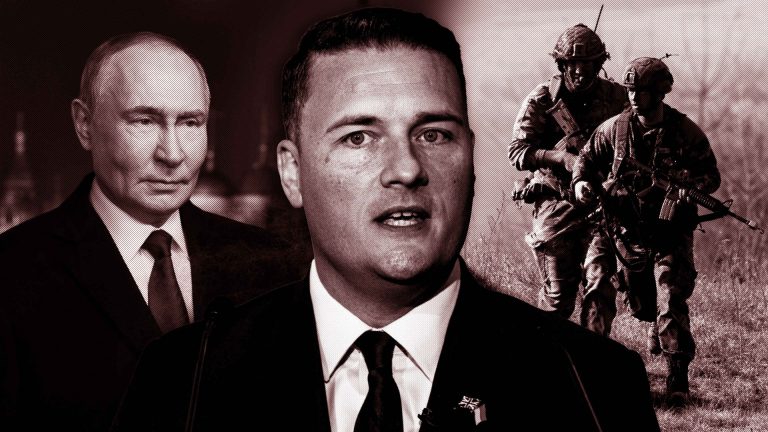

While Putin probes and plots, Britain is sleepwalking into disaster
I do not want to see the breakup of Russia. I do not want to see its liberal and democratic youth punished for the crimes of their elderly leaders. But I do want to see those leaders brought to justice – and massive reparations imposed: not out of revenge but in order to pay back the British, French and other European taxpayers for the money we’ve had to spend keeping Ukraine alive, and for the years of inflation and stagnation resulting from Russia’s all-out invasion.
Those reparations need not impoverish the Russian people: there is ample oil, gas and mineral wealth – and if just a fraction of it were put to repaying Ukraine for the damage and loss of life caused, and repairing the fiscal balance sheet of Western countries, it would be a just outcome.
The legitimate fear is that Russia simply collapses under the weight of humiliation. It’s what happened to the Weimar Republic due to the reparations imposed at Versailles in 1919. That’s why engaging with men like Melnichenko is legitimate: the eventual peace will be made with enemies – but the West has to go into such a process with clear terms.
That’s hard to do with Trump in the White House and parties like the AfD and Rassemblement Nationale snapping at the heels of the centre right in Germany and France. And that’s why Britain has to have a policy amounting to more than simply “Stand With Ukraine”. We may have to stand up and exert leadership of a different kind to that demonstrated in 2022.
It’s been a long time since Britain had an independent Russia policy: we’ve rightly been the integration and cohesion voice in NATO over Ukraine. Now, alongside a coalition of willing European states, we may need to hold firm to a policy of sanctions, international justice and reparations alongside our allies in the Joint Expeditionary Force and Poland.
Putin has long regarded Britain as the centre of gravity of the alliance he is fighting; that’s no doubt why, when they asked “which European magazine should we bamboozle?”, the no-brain answer was The Economist. There are plenty of forces in UK civil society prepared to give Putin’s replacement the benefit of the doubt – not least the trade union leaders who stood alongside Diane Abbot when she decried the “NATO campaign against Russia”.
To obtain justice for Ukraine, and economic recompense for the damage Russia has caused every car owner, shopper and taxpayer in Britain, we’re going to need to stand firm, help Ukraine survive, wait for Russia’s economy to slide even further into disarray, and negotiate with those who give Putin the final shove from a position of strength.