A relative of mine died a few years ago. He was in his early sixties. I never properly got to know him, as his mental health issues and overlapping addictions meant that, most of the time, he just wasn’t the sort of person you’d want to have around. Sometimes, he would recover for a few weeks or months, and we would see him, but I never quite managed to form a bond with him.
His passing wasn’t a surprise, and I’d assumed, privately, that it would either feel like a relief, or like nothing at all. His life had been tough and mostly sad, and I just didn’t know him all that well. In the end, I cried when I heard the news, and found the grief sitting heavily on my chest for a little while. Its strength took me by surprise.
Looking back, I can now say that what I was feeling wasn’t really sadness, but the death of hope. For years and decades, I’d intellectually known that we couldn’t do much for him, and there was no world in which he would recover and join polite society again, but what do brains know? Deep down, without ever really voicing it even to myself, I’d assumed that maybe, one day, he would get better.
It was both unreasonable of me and also one of the most human reactions I could have had. Baseless hope has done a lot for us as a species, and I’ve no idea where any of us would be without it. Even faced with clear, brutal evidence, we often keep going, hiding shards of rootless optimism deep within ourselves. His dying meant that I had to let go of some of mine, and it hurt.
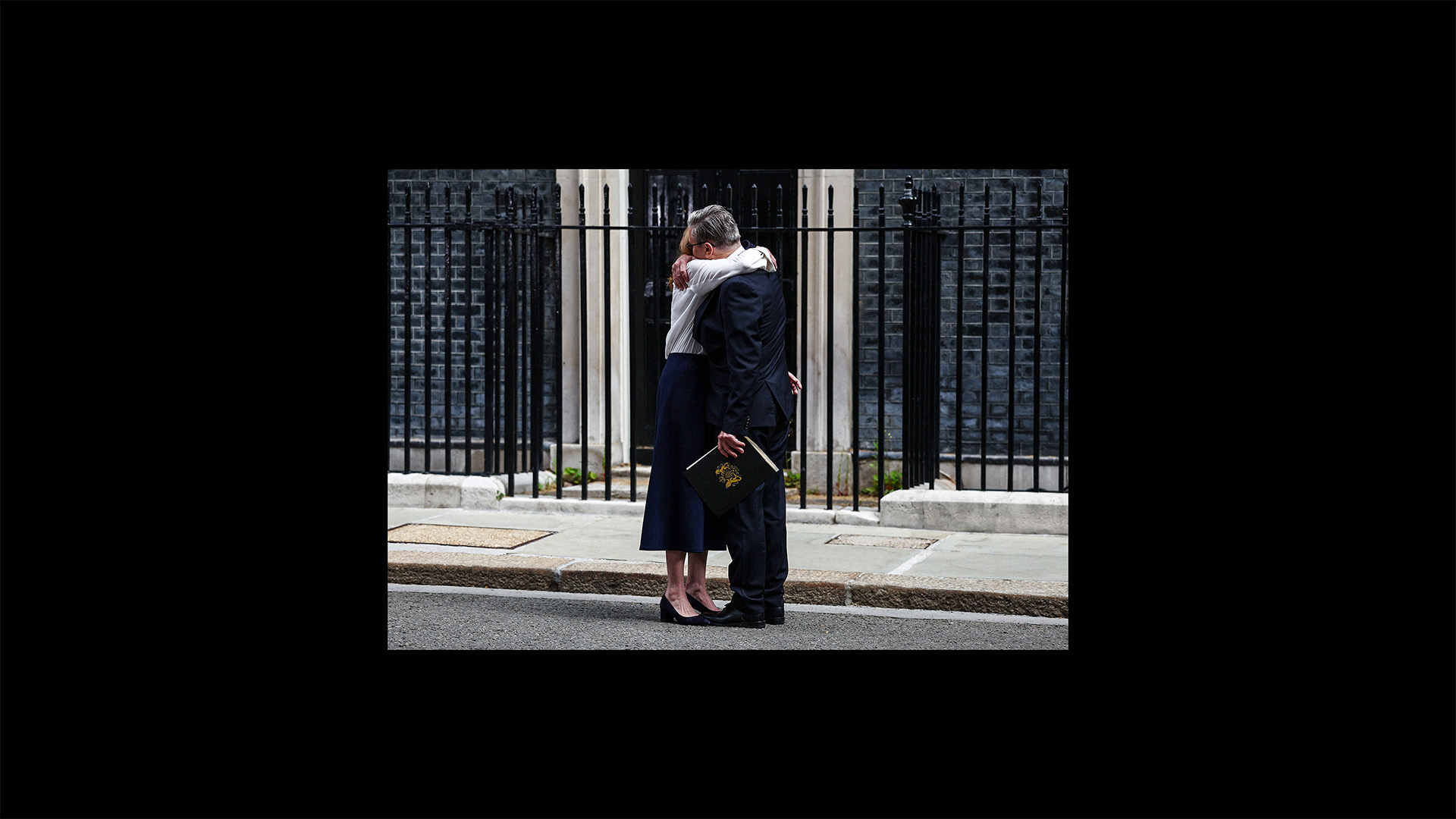
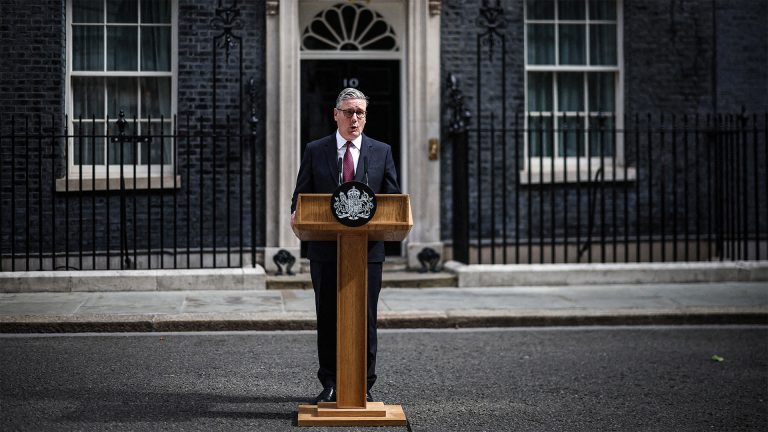
I guess I lost some more of them on Monday morning, as Keir Starmer resigned, and I really hadn’t expected that grief to hit me either. I never loved him as a prime minister; I remember looking at the leadership contest of 2020 and having few strong feelings about it.
I was, I suppose, vaguely pleased when he won that contest, though I do remember seeing Morgan McSweeney’s name floating around and having a bad feeling about it. We’d worked together before, and I’d found him to be both incompetent and quite unpleasant to deal with, and his appointment felt like a bad omen.
Suggested Reading

This is why Starmer had to go
Still, I spent the following years champing at the bit; covering Boris Johnson then Liz Truss then Rishi Sunak, but really just waiting for the other lot to finally take over. I covered the 2024 campaign and remember there being few signs of danger about Starmer and his camp.
Really, the only raised eyebrow I got came after the time I followed Labour along on their party bus, then wrote a fond but slightly acidic sketch about it for a newspaper. I bumped into some senior staffers soon after it came out, and they very earnestly told me they’d been saddened by my daft piece. The election was days away by then, and I do remember thinking: god, if they can’t handle me, how’s power going to treat them?
I didn’t get to find out myself, having decided to take a step back from Westminster coverage afterwards. Instead, I watched like everyone else, as Starmer stepped on seemingly endless rakes, working tirelessly to alienate piece after piece of his electoral coalition, one after the next. I watched Lisa Nandy be as effective as culture secretary as a lobotomised rabbit, and I watched Ed Miliband being attacked relentlessly by his colleagues for daring to act like a left wing politician.
I witnessed the rise of the far right and could have wept and screamed as the government – this government I’d been longing for so ardently – did so little to counter it. I despaired as it became clear that things could not, and would not, get better.
Suggested Reading

What Starmer never understood about being PM
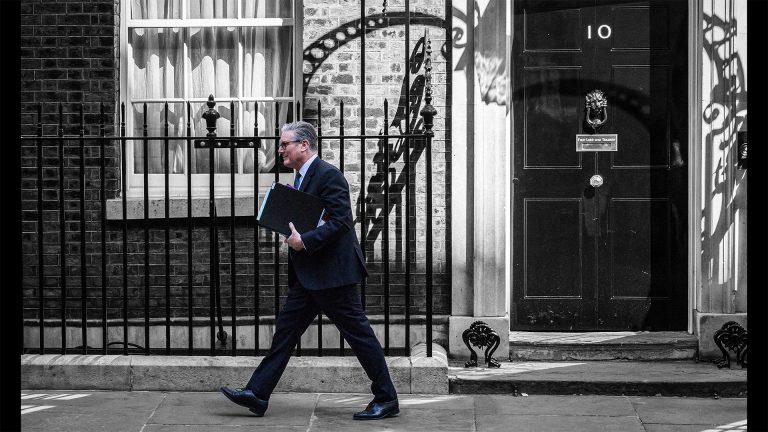
Like everyone else, I sat at my desk on Monday morning and watched Starmer feel sorry for himself, and I didn’t really feel sorry for him, but I still felt sad about the whole thing. The mistakes he made were his own, but there will always be something painful about someone failing to live up to expectations.
Somehow, there is something poignant about being unable to pinpoint exactly what he messed up: his fault, from beginning to end, was to be entirely unsuited to the job of prime minister.
I assumed his resignation would make me feel good, but again, I have this grief building up in my lungs. The story really is over, and Starmer really will be remembered as a failure; Labour really did squander two years in power for no obvious reason, and millions of people really will keep living inadequate lives as a result.
I loathed the lack of happy ending to my relative’s life, and it pains me that Starmer’s stint had to end like this. At least I expect little from Andy Burnham, so hopefully I won’t be too stung by the time he, too, proves to be a failure.
What I’m saying, I suppose, is that things can only get… nah, too soon, actually. Too soon.
 Most popular


Emily Maitlis’s diary: As I was saying to George Clooney just the other day…

Why Slavoj Žižek probably hates you

There’s only one reason Trump went to Ireland – it wasn’t to meet the Taoiseach

A new film about Elon Musk reveals him as so awful it’s almost tragic. Almost