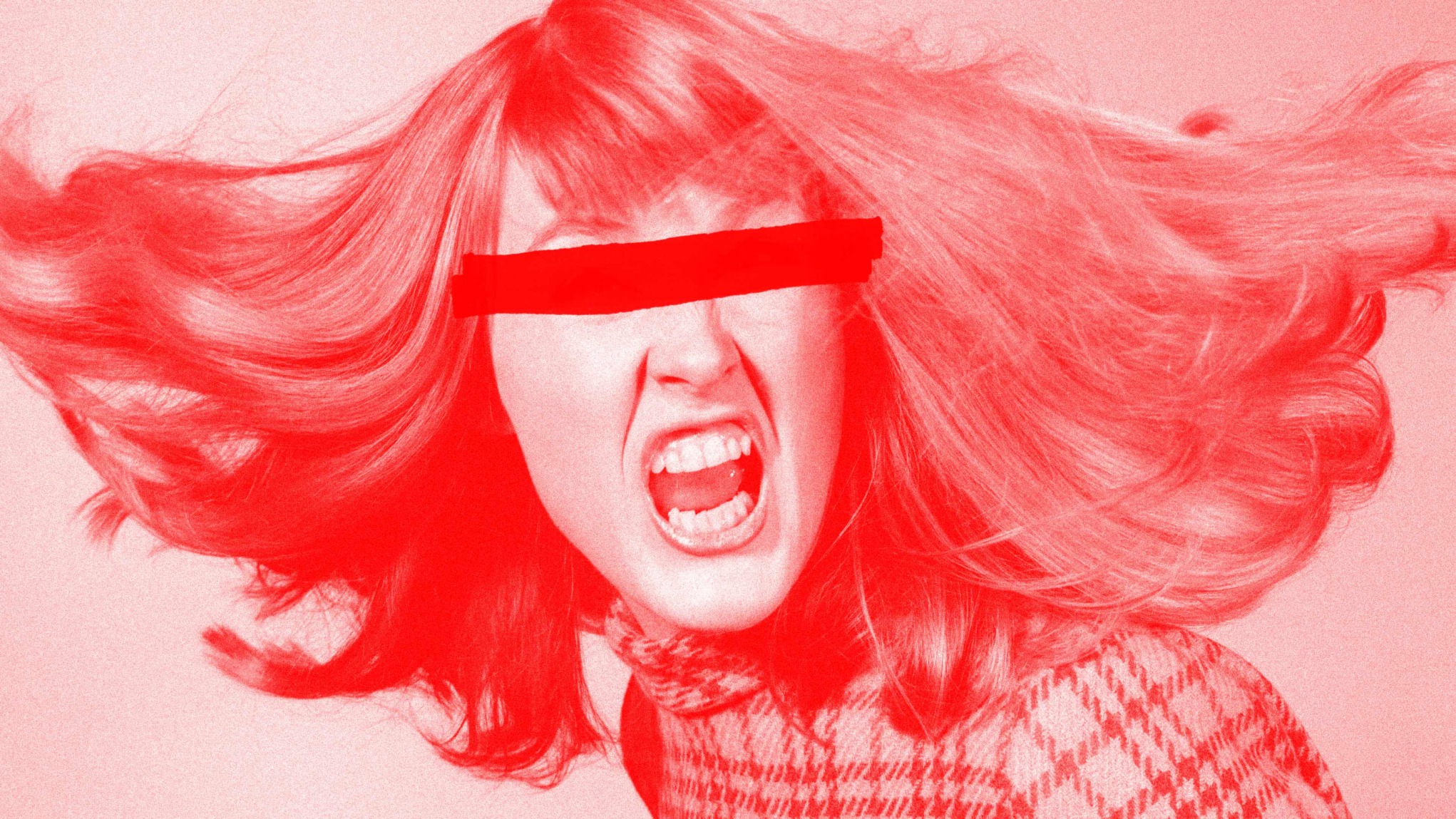
“Now the monstrous bitch seems to be somehow more organised, or at least more pervasive,” writes Eleanor Johnson in her new book Monstrous Bitch: A History of Terrifying Women. “It’s not just one demoness or one terrifying monster. In this period, we see the threat of the monstrous bitch crack wide open, engulfing untold tens of thousands of real, historical women, tried and executed as witches, in her gaping maw.”
Johnson, a professor of English and comparative literature at Columbia University, here references the Middle Ages, but she could just as easily be writing about today, when a renaissance of angry women seems to be occurring.
In Monstrous Bitch, Johnson focuses on pop culture – encompassing the more modern advents of the novel and the moving picture, yes, but also ancient mythology and plays. After all, the Mesopotamian Lamashtu, arguably the first monstrous bitch, “is probably at least five thousand years old—which is to say, she’s approximately as old as writing itself,” Johnson writes. “For as long as we’ve had writing, we’ve written about demonic, terrifying women.”
This year alone we’ve been met with a wealth of monstrous bitches. Most recently, Zoe Kazan recentered John Steinbeck’s 1952 novel East of Eden, first adapted by her grandfather Elia Kazan in 1955, on the story’s “monster,” Cathy Ames, played by Florence Pugh. In the age of the anti-hero, Steinbeck’s one-dimensional villain receives a much-needed recalibration, abuse and her status as a second-class citizen in pre-WWI America informing her actions.
Anne Hathaway also capped off her busy year playing the titular role in Verity, an erotic thriller in which her enigmatic and potentially murderous author helms a publishing empire by writing from the villain’s perspective. Hathaway also stars in Christopher Nolan’s The Odyssey, which depicts Samantha Morton’s Circe turning men into pigs (turning?) in justifiable anger.
It’s certainly been a “Greek myth summer,” with Elizabeth Meriwether’s Furious, which gets its name from the Furies and which Johnson writes about in Monstrous Bitch. “The monstrous bitch is made monstrous only by a male demon who enters into her. She is a victim, not a villain,” Johnson writes, which could just have easily been a monologue from one of the characters in Furious.
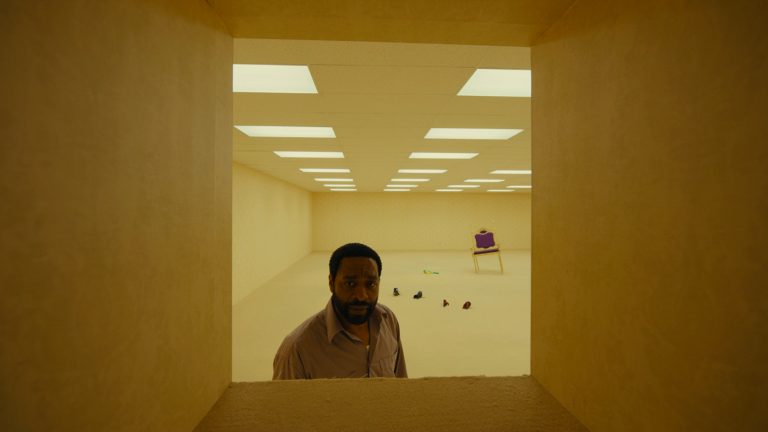
In the horror space, the latest installment of Ryan Murphy’s Monster series was billed as a meditation on women’s anger seen through the Lizzie Borden case, while Mike Flanagan brings his version of Stephen King’s Carrie to the screen, expanding the scope to encompass the hot-button issue of the dissemination of online hate. And that’s just in film and TV.
Echoes of #MeToo and 2014’s Brock Turner case can be heard in the Cornell gang rape case, in which a Jane Doe student at the New York university was allegedly sexually assaulted by seven fraternity members in 2024, for which the alleged perpetrators received minimal consequences, including writing essays. The case resurfaced in September when Doe filed a civil suit on which Cornell’s student newspaper reported and the wider media picked up.
Also this summer, women were galvanised by another case, that of Lindsay Clancy, the American mother suffering from post-partum psychosis when in 2023 she murdered her three children, aged five, three, and nine months, and attempted suicide by jumping out a window, which resulted in her paralysis from the waist down. Though it resulted in a mistrial, women rallied around Clancy, a rarity in infanticide cases but which indicates a shift in empathy for mothers, especially as the right took it up as a reason women deserve fewer reproductive rights and less access to maternal healthcare.
As we inch towards the ten-year anniversary of Donald Trump’s first presidential election and the ensuing women’s march, and many of the perceived gains or at least awareness of the prevalence of sexual assault resulting from the #MeToo movement have dissipated, the time is ripe for monstrous bitches to rise up again and get angry.
As Johnson writes, “things for women are getting worse, not better, right now, and it’s happening fast. That deterioration bucks a trend that’s about 700 years old, in which things have slowly been getting better for women.” With Roe v Wade being overturned in 2022 and Trump’s second term being met with cries of “your body, my choice,” she certainly has a point.
She writes about how, whereas initially the monstrous bitch was portrayed as a literal monster, à la Circe and the Furies, as history churned on, the witch trials forced a reconsideration of monstrosity. “Witches weren’t born evil – they weren’t themselves supernatural – but were rather made evil by demonic interference,” Johnson writes.
Suggested Reading
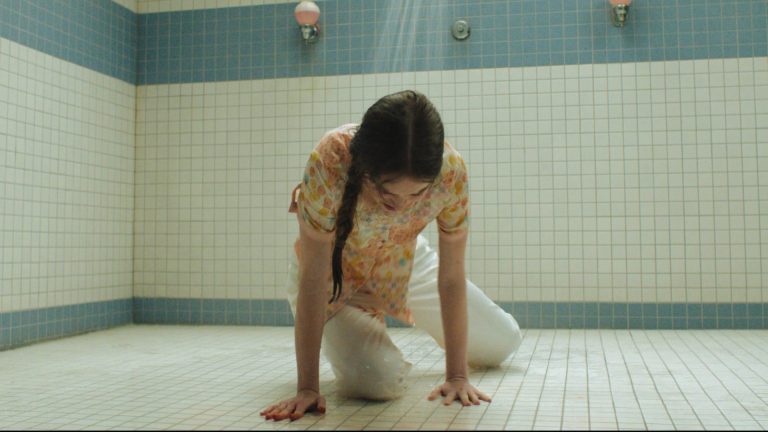
The bloody good feminism of streaming’s new Carrie
With widespread Western medicine and the advent of psychoanalysis, the monstrous bitch is stripped of her ferocity and is instead someone to be pitied. “She is ill, unwell, broken and in need of treatment,” Johnson writes. “It is a neat trick, and a very effective way to discipline and control the monstrous bitch, to make her into a patient.” This could certainly explain our uncharacteristic empathy for Clancy…
It’s an interesting paradox, isn’t it? As women gain more rights, the patriarchy finds a way to demonise and pathologise our rightful anger to make it more palatable, simplistic or to use that clinical term, hysterical. Just as we were once called monsters and witches, today we’re called bitches, ugly feminists and childless cat ladies – yet another attempt to defang us.
But, as Johnson contends, as we head into another bad period for women, it’s time to take our pink pussy hats off and put our monstrous bitch caps on.
 Most popular


What happens to Trump if he loses the midterms?

It might not look like it, but a motoring miracle has now happened


It’s time for Burnham to kill off old Labour
18 things that will absolutely, definitely happen if Trump gets whopped in the midterms