This year has been a big one for cinema. Michael became the highest-grossing musical biopic of all time, The Devil Wears Prada 2’s box office success proved that feminine millennial nostalgia has legs, Project Hail Mary knocked everyone’s socks off and Steven Spielberg is back in theatres with Disclosure Day. But by far the industry’s biggest success stories are those of Curry Barker and Kane Parsons, the wunderkind directors of Obsession and Backrooms, respectively.
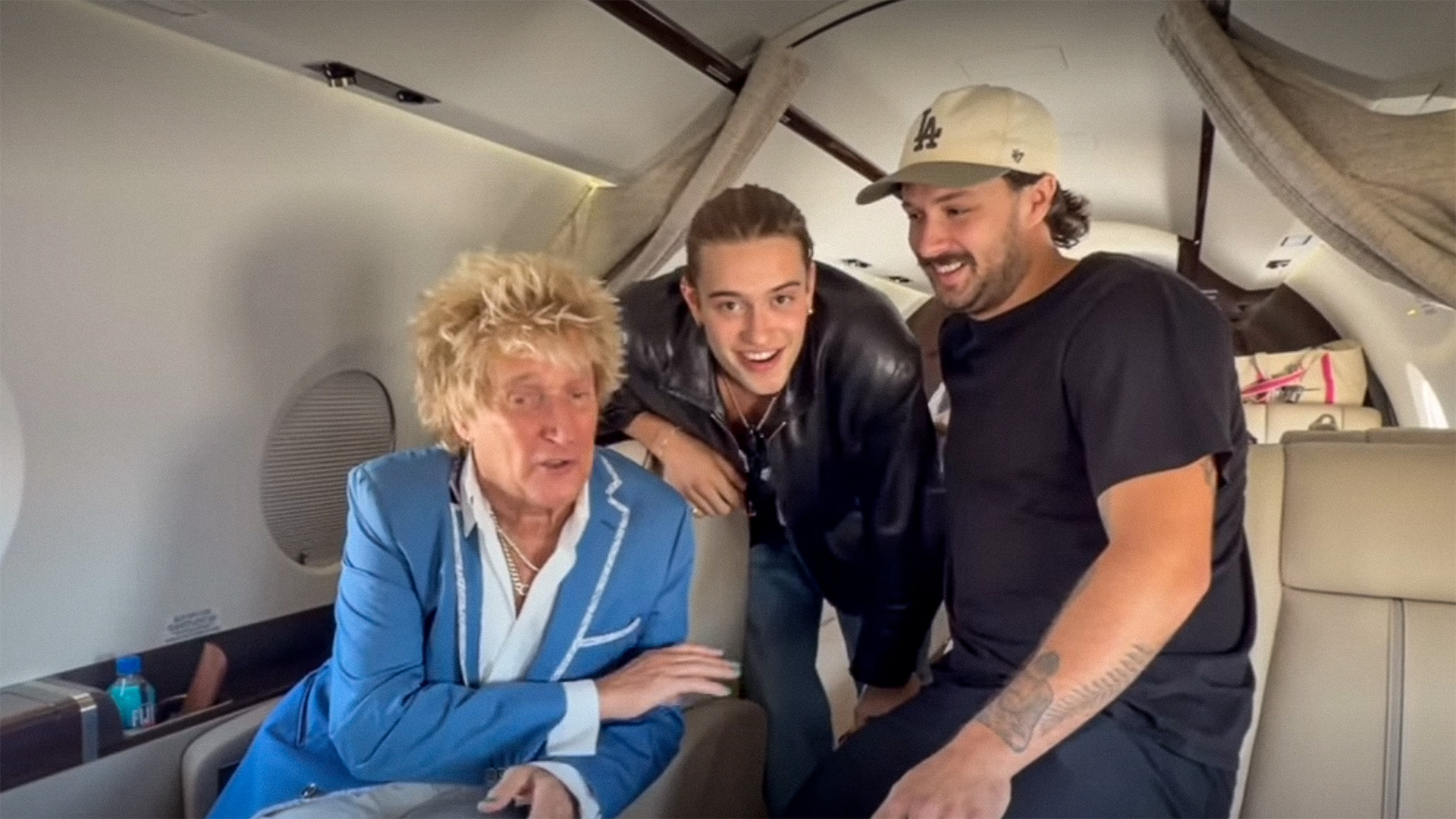
In case these phenomena have managed to pass you by, a quick rundown: Obsession, a horror flick about an incel-coded guy who makes a wish on an occult shop gimmick that his best female friend will, well, become obsessed with him, is the first movie since E.T. the Extra-Terrestrial in 1982 to increase its box office takings in its second and third weeks of release. It was made on a shoestring budget for $750,000 by the 26-year-old Barker, who honed his craft on YouTube prior to his first theatrical release with Obsession.
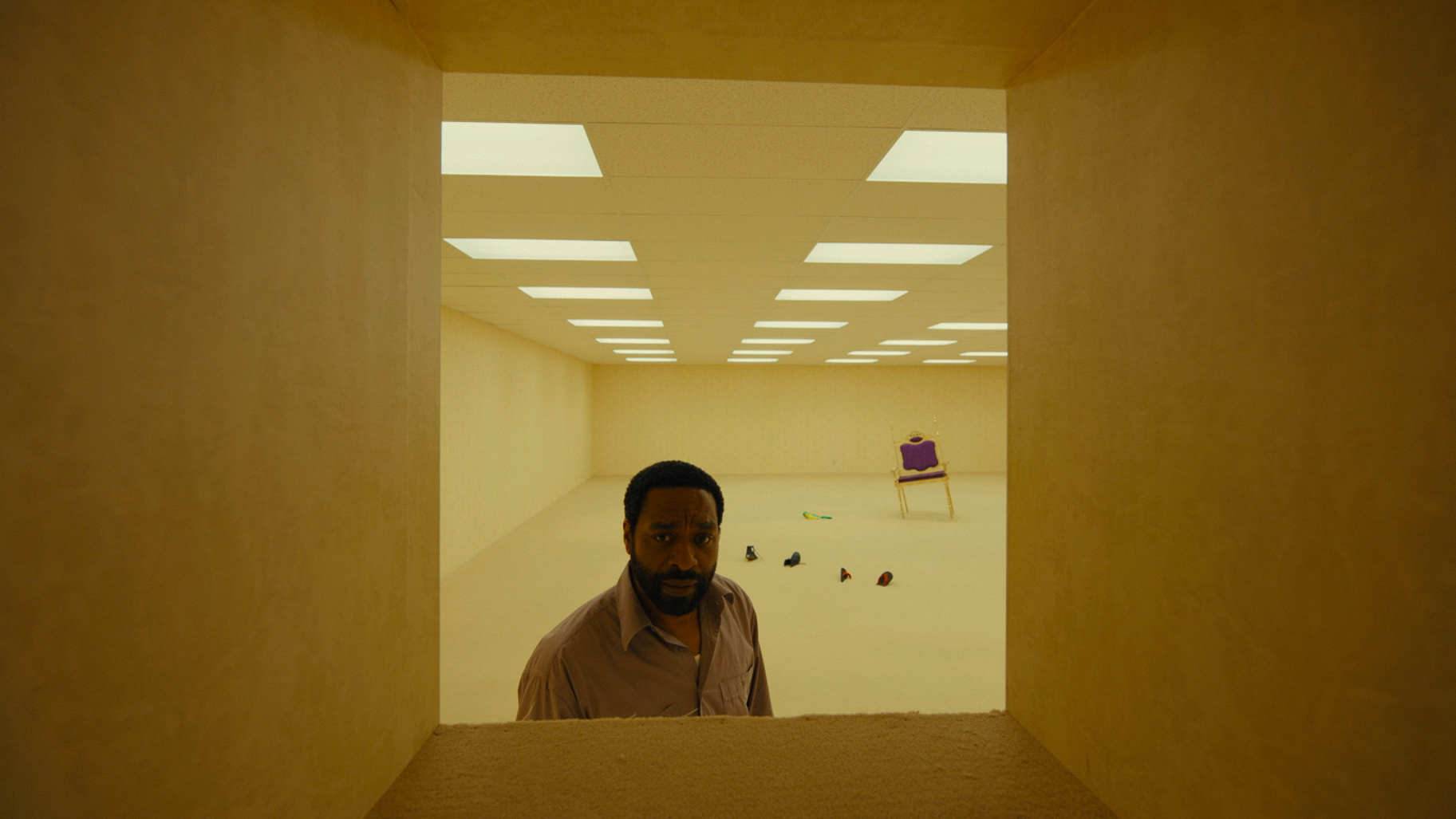
Meanwhile, Parsons directed the Chiwetel Ejiofor- and Renate Reinsve-starring Backrooms, based on his viral YouTube video series of the same name that explores the found-footage creepypasta memes inspired by liminal space areas in video games. The 20-year-old Parsons was entrusted with a $10 million budget by A24, and so far Backrooms has grossed $249 million worldwide at the time of writing.
Hollywood commentators have been quick to gush over how the achievements of Obsession and Backrooms, along with fellow YouTuber-turned-director Mark “Markiplier” Fischbach, who self-distributed his $51 million-earning horror flick Iron Lung and the Philippou brothers of runaway successes Talk to Me (2023) and last year’s Bring Her Back, have changed the industry and ushered in a new guard of film-makers. But, with the exception of Fischbach, who is of Korean descent, this new guard looks suspiciously like the old one: white men.
Suggested Reading

This is the simple secret of Obsession and Backrooms’s success
The last time we rolled out the proverbial red carpet for a young female creator in the same way that we have done for Barker, Parsons and co was Lena Dunham. Fresh off her autofictional mumblecore debut film, 2010’s Tiny Furniture, which premiered at that year’s SXSW festival, HBO was quick to give the then 24-year-old a developmental deal which resulted in the lightning-rod 2012 series Girls. It followed Dunham’s character Hannah Horvath and her gaggle of besties/frenemies, played by Allison Williams, Zosia Mamet and Jemima Kirke.
Dunham was eviscerated online for her privilege in depicting a largely white New York City (a valid criticism); her entitlement at dubbing herself “the voice of a generation” (never mind that those were intentionally tactless words uttered by her character that were then followed by the more tempered, “or at least a voice… of a generation”); and having the temerity to depict her body, which was more representative of most women than any other lead female character on-screen at that time, unclothed and desirous.
She writes about that time in her recently released second memoir, Famesick, “the improbability of my success, the ‘why her?’ of it all, as well as my clear inability to bear it with the humble magnanimity I was going for—that must be what had driven otherwise sane people to write such drastic, caustic missives, such out-of-character character assassinations.”
Another example is Nia DaCosta, who became an indie darling with her 2018 debut feature Little Woods, starring Tessa Thompson. It resulted in her being tapped to direct the ill-received 2021 Candyman reimagining and 2023’s The Marvels at age 31, making her the youngest ever director to helm a Marvel film, as well as the first Black woman. It was convenient, then, for the studio and the industry at large to throw her under the bus when the film underperformed, signifying the downfall of Marvel and superhero movies more broadly.
Suggested Reading
Nicole Kidman is great. But is she any good?
More recently, two original, audacious African American films were released in the same month as Backrooms and Obsession but have not been met with nearly as much fanfare. They are Is God Is, by first-time director Aleshea Harrisan and based on her 2018 play of the same name, and I Love Boosters, by the somewhat more seasoned Boots Riley in his second feature.
(Riley, who broke out with his racial satire Sorry to Bother You in 2018, has been vocal about the artistic concessions he’s had to make in order for his work to be marketable to the masses. He told the writer Emily Nussbaum, profiling him for The New Yorker, that, for his 2023 Prime Video series I’m a Virgo, he’d “undergone painful cuts only to sink beneath the waves of Amazon’s algorithms,” “forced to cut entire episodes, making the narrative choppy; he’d fought Amazon to maintain the show’s most original elements.”)
In fact, in April The Wrap published a piece about how Hollywood is failing to take a chance on Black film-makers, who are instead being told to “wait” to see how other Black films, such as the Halle Bailey and Regé-Jean Page-led You, Me & Tuscany, perform at the box office. “[Executives said how] impressed they were by the film and that we did it in a 15-day shoot, but they weren’t interested in buying it until they see how these other Black rom-coms do,” film-maker Nina Lee told The Wrap of her first feature, That’s Her.
It’s not a two-way street, though, as Hollywood is already clamouring to offer more white male YouTubers production deals rather than taking chances on original, surprising films like, yes, Backrooms and Obsession, but also Is God Is, I Love Boosters and the upcoming Cannes darling Teenage Sex & Death at Camp Miasma by trans film-maker Jane Schoebrun.
The broader picture should be that that is what audiences want: innovative, authentic and unexpected stories from whomever they might originate, white guy YouTubers or other creators who might not get the same chances.
Scarlett Harris is a culture critic and author of A Diva Was a Female Version of a Wrestler: An Abbreviated Herstory of World Wrestling Entertainment. Her Substack is The Scarlett Woman. Follow her on Bluesky at @scarletteharris.bsky.social.