Horror auteur Mike Flanagan, famous for a run of Netflix hits including The Haunting of Hill House, The Haunting of Bly Manor and The Fall of the House of Usher, has made his much-anticipated jump to Prime Video with his adaptation of Stephen King’s Carrie. It couldn’t come sooner.
One of horror’s most iconic characters, outcast (and, it turns out, telekinetic) teenager Carrie White has been the subject of several adaptations, most notably Brian De Palma’s 1976 version starring Sissy Spacek in an Academy Award-nominated role. There followed the schlocky 1999 sequel The Rage: Carrie 2, a low-budget 2002 TV rehash of the original film, and then a better-received 2013 remake starring Julianne Moore in a truly frightening turn as Carrie’s devout mother, Margaret.
King’s story centres on a young woman discovering her body and coming into her power – notably, the novel was published just a year after the Roe v Wade case that for almost half a century protected the right to choose for American women. Drenched in blood and taking revenge, Carrie was arguably the first female horror killer – I’m loath to say she was the first female horror villain, because the abuse she suffered at the hands of her mother and her classmates drove her to it.
Since then, horror has quietly become a feminist genre of sorts, with the emergence of the final girl in franchises like Halloween and Scream, and female killers who followed in Carrie’s footsteps, like Pamela Voorhees in the original Friday the 13th (set to be rebooted in October with Crystal Lake), Jennifer Check in Jennifer’s Body and Rose in Get Out. Ryan Murphy’s American Horror Story, which long focused on female characters, is about to return for a long-awaited 13th season and the just-released fourth season of his Monster franchise turns its lens on the mythos of Lizzie Borden.
Suggested Reading
The women who helped bring down Diddy
Flanagan’s Carrie arrives at an inflection point similar to that of the second-wave feminist movement, which was cresting when the novel and the first film were released. Roe v Wade was overturned in 2022; the Epstein files have been released, yet those identified in them have faced few consequences, and once again we are facing a deluge of misinformation and fear around women’s bodies.
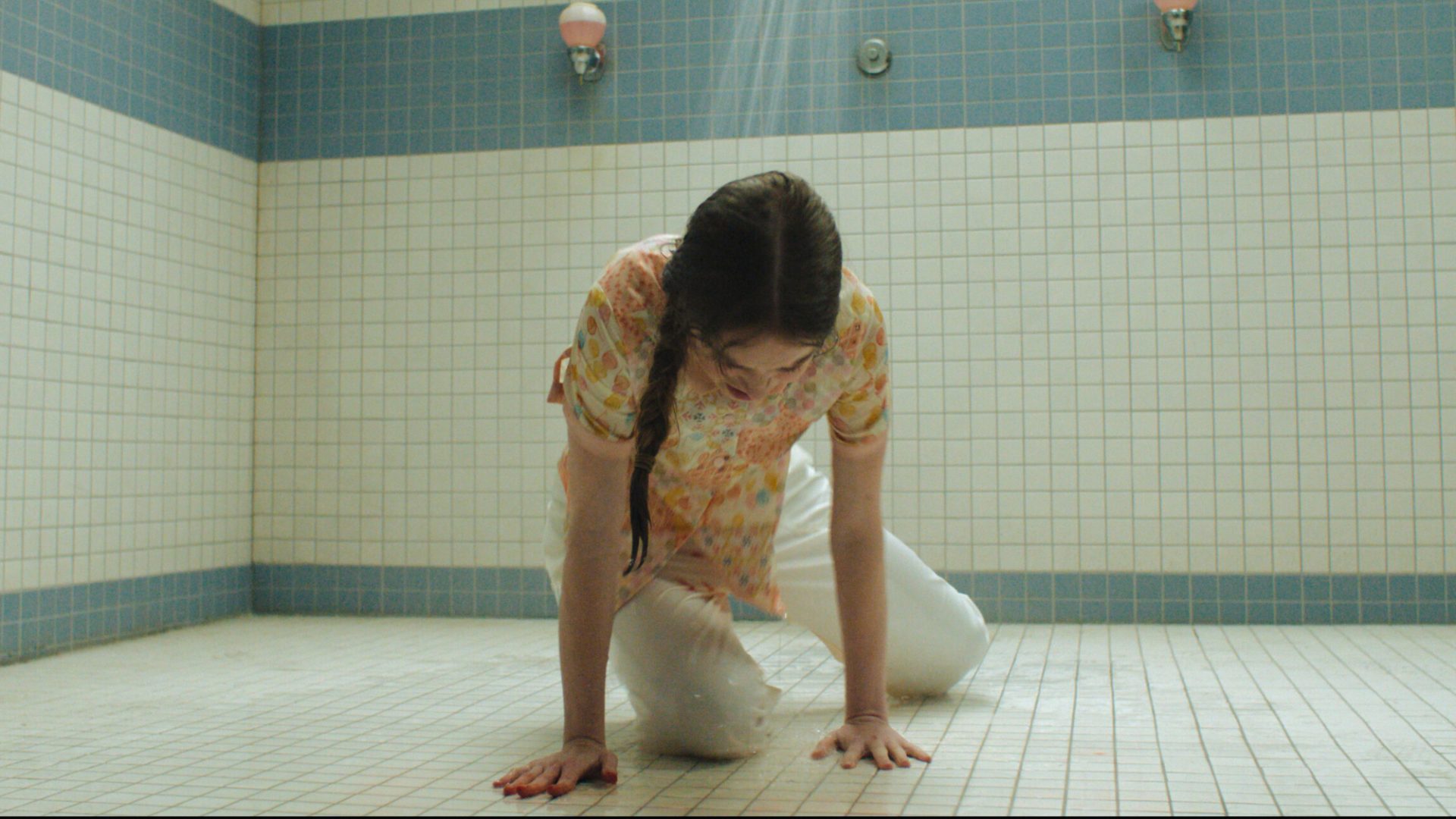
Famously, Carrie is perhaps also the first mainstream depiction of period blood on screen. Both the film and the book open with Carrie getting her first period in the locker room after gym class. Carrie is quite old for menarche at 17 and, as a sheltered teenager whose mother views the female body and its functions as shameful, believes that she is suffering from an internal haemorrhage. When she reaches out to her classmates for help, she’s viciously bullied instead, pelted with pads and tampons as she lies quivering in the showers.
Whereas the book and especially De Palma’s movie are graphic and gratuitous, Flanagan takes his time to depict Carrie’s first menstruation. Before the traumatic event that sets everything in motion, he spends a whole episode introducing us to a girl who has been home schooled but is forced to attend public school after her father dies and Margaret (Samantha Sloyan) is forced to work outside the home.
Instead of further exposing Carrie (Summer H Howell) to us, she gets her period in white pants (because of course). It makes sense that Carrie wouldn’t shower with the rest of her classmates if she’s been taught that her body is an abomination. This choice allows us to see the character with compassion rather than as a kind of sideshow viewed through the prism of others, as she is by King and De Palma.
Flanagan’s adaptation also recognises the politicising of two arenas of this infamous scene: bodily function and the locker room.
Mistrust of medical professionals stemming from the pandemic means more people are turning to wellness influencers for their healthcare advice. In the opening scene of this new Carrie, her father is depicted listening to a right wing podcast and we quickly learn that since Margaret and Carrie are not allowed out of the house or to consume information outside of these conservative channels, their distortions exacerbate Margaret’s problematic ideas.
“There’s no such thing as mental illness,” she says later in the season. “These doctors and academics make up these diagnoses.”
Just as conservative politicians before them lied that abortion causes infertility and breast cancer, today’s right wing influencers peddle misinformation about menstruation and birth control, advising their followers to practice the pull-out method and time sex to menstrual cycles instead of using hormonal birth control, which they falsely claim causes cancer. But in the age of anti-choice legislation, these “natural” methods of birth control result in unwanted pregnancies with no way to choose not to continue with them.
Suggested Reading
Wrestling with Hulk Hogan’s very messy legacy
That the period scene takes place in a girls’ locker room carries extra power now that those places have become a right wing battleground thanks to the US Protection of Women and Girls in Sports Act, which seeks to revoke federal funding from schools that allow trans girls to participate on female sports teams. It potentially subjects them to physical genital inspection by an adult regardless of their gender identity. How’s that for protection?
Finally, once the post-period shock recedes for the new Carrie, we see her relishing in learning – about her body, about the world and her place in it, about her own strength. If knowledge is power, it says, no wonder they want to keep women in the dark.
Carrie is streaming on Prime Video