PICK OF THE WEEK
The Misanthrope (National Theatre, London, until August 1)
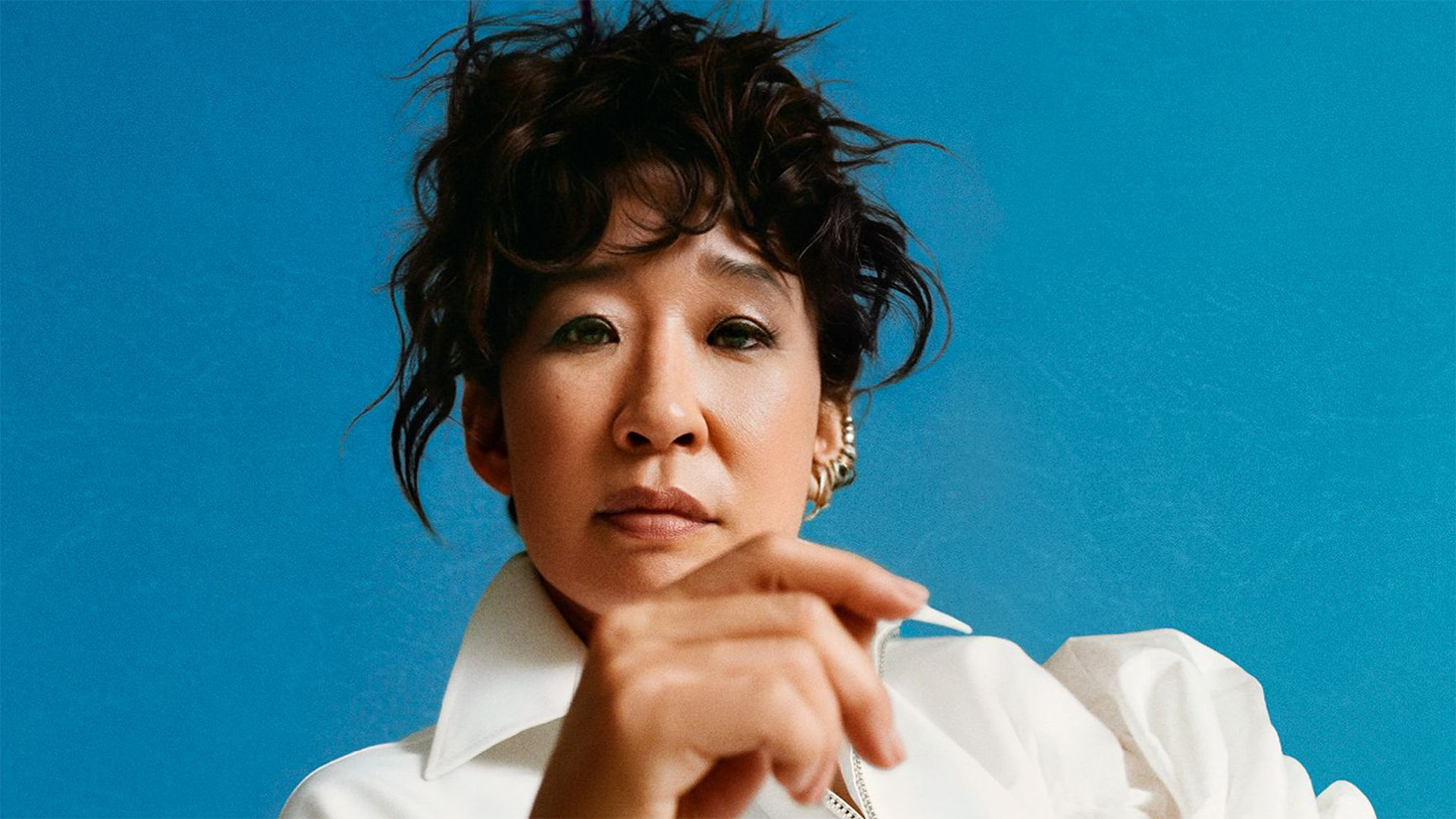
From Killing Eve to killing ease: in Martin Crimp’s adaptation of Molière’s classic 1666 comedy of manners, transposed to a modern setting, the mighty Sandra Oh plays Alice, a Booker Prize-winning novelist who simply refuses to spare herself (or anyone else) social discomfort by reining in her fierce candour.
In the very first scene, she berates her best friend John (Paul Chahidi), a playwright, for his effusive embrace of a woman he did not, in fact, recognise: “You faked, you lied, you were insincere!” He parries, referring to a media controversy in which Alice is embroiled: “So you stick by your FT piece where you claim that rich white girls are still ‘appropriating suffering for themselves’ at the expense of poor women of colour?” Needless to say, she does.
At least Alice’s lover, Stefan (Tom Mison), a divorced actor who is also a recovering addict, can make her laugh with his teasing. “You hate hypocrisy – you hate hotels – hate critics – um… hate Los Angeles – hate shops selling what you call those infantile cakes – dislike oysters – buskers – hate Greek islands – sheep – goats – mountains – and – oh yes – electricity pylons.”
But Stefan’s agent Claire (Abigail Cruttenden) and publicity guru Indira (Rina Fatania) see Alice’s implacable style as an obstacle to their campaign to get his career back on track. For a start, she is facing online cancellation after a harsh exchange with aspiring novelist and social media influencer Esmée (Imogen Elliott), who has one million followers and a site called Addiction to Fiction.
Indira’s assistant Allen (Freddie MacBruce) sets about hacking Esmée’s account to limit the reputational damage – and is puzzled by the older characters’ clueless attitude to digital life. “This is where it happens,” he says. “This is what’s real.…The world’s not here. It’s in a machine. The people who own it are just richer versions of me.”
Which is the heart of the matter. During a row with Stefan, Alice rails against the cratering value attached to honesty. “Fake is the default,” she says. “Day after day there’s a new – listen to me – assault on truth – and despair becomes normal.” All of which is true but is a standard that even those who love her cannot – or will not – aspire to match.
Indhu Rubasingham’s fine production, full of 17th century allusions, style and even costumes, has enabled Crimp to revisit a play that he first adapted in 1995 and to take stock of the pulverising social and technological transformations of the past three decades (he credits the director with the idea of reinterpreting Molière’s “misanthropic avatar” Alceste as a female character).
Oh is sensational, as vulnerable as she is implacable, fully aware that the price of integrity is often a terrible solitude. No less than at the court of Louis XIV that was Molière’s rewarding but perilous habitat, we feel the menace of today’s cultural elite, choosing social conformity over moral courage and uniting, as if organically, against the misfit in its midst. A theatrical experience of rare power.
STREAMING
The Agency (Paramount+, June 21)
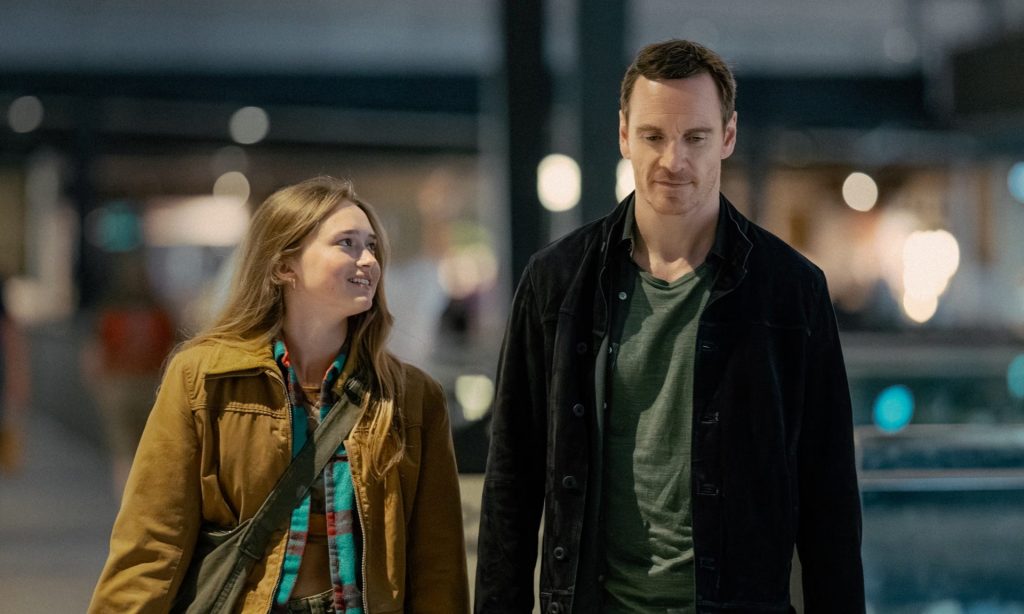
Created by Jez and John-Henry Butterworth and inspired by the French series Le Bureau des Légendes, this superior spy thriller, starring Michael Fassbender as London-based CIA officer “Martian”, makes a welcome return with ten new episodes.
Covertly cooperating with senior MI6 official James Richardson (Hugh Bonneville), Martian is focused only upon springing his Sudanese lover Dr Sami Zahir (Jodie Turner-Smith) from prison in Khartoum. Meanwhile, station chief “Bosko” Bradley (Richard Gere) and his deputy Henry Ogletree (Jeffrey Wright) discover that a key asset has been unmasked by “Viking” (Clayne Crawford), the brutal, sledgehammer-wielding leader of far right mercenary group Valhalla, which is funding its operations in the Central Africa Republic with illegal diamond sales.
In Tehran, Danny Ruiz Morata (Saura Lightfoot-Leon) – aka “Gremlin” – is finding her feet as a field agent and closing in on senior members of the Iranian regime. No less ambitious to make his name on the ground is Owen Taylor (John Magaro), who, after an intelligence breakthrough, volunteers for a dangerous plan to infiltrate Viking’s team.
In its second season, The Agency spreads its wings and spends more time with a broad range of characters – including Martian’s former handler Naomi Ford (Katherine Waterston), his mentee Blair (Ambreen Razia) and Dr Rachel Blake (Harriet Sansom Harris), London station’s clinical psychologist who is also, unofficially, its seasoned molehunter. And Dominic West, as the director of the CIA, is a greater presence this time round, flying into London from Langley to fight a series of operational fires.
All the same: it is Martian who keeps the viewer engaged, thanks to Fassbender’s magnetic performance and his ability to get away with lines such as “feelings are just another enemy”. Among his fellow spies, he is a legendary figure of almost mystical power, who “casts no shadow”.
Sleek, absorbing and psychologically intense – the theme of chess is at the heart of the plot – The Agency fully deserves the third season that is demanded by the cliffhanger ending to its second.
Suggested Reading
Inside Marilyn Monroe’s image machine
FILM
Virginia Woolf’s Night and Day (selected cinemas)
In her definitive 1996 biography of Virginia Woolf, Hermione Lee describes her second novel, Night and Day (1919), as a “long, melancholy comedy of the break with Victorianism”, as well as a book “about progress and optimism”, quite distinct in tone and aesthetic from her later modernist work. Woolf herself came to loathe it.
Undaunted, director Tina Gharavi and screenplay writer Justine Waddell have practised cinematic alchemy to create a movie of tremendous charm, a sly romantic comedy that is also a commentary upon the proto-feminist fight to escape the constraints of Edwardian society.
In 1910, Katharine Hilbery (Haley Bennett, excellent) longs to pursue her passion for astronomy and mathematics at Cambridge, while her foppish friend William Rodney (Jack Whitehall) seeks her hand in marriage (“Did I mention I’m related to William the Conqueror?”). At a salon, even as he declaims his reverence for Sir Philip Sidney, she meets the proud and charismatic suffragist Mary Datchet (Lily Allen), who provides her with a place to work.
Timothy Spall and Jennifer Saunders are terrific as Katharine’s parents, starchily disapproving of her scholarly ambitions; while Frances Barber delivers a gem of a cameo as Lady Margaret Huggins, a formidable scientist who is denied access to the patriarchal academy. In a significant departure from the novel, Cyril Otway (Misia Butler), Katharine’s cousin, is her closest confidant but concealing his homosexuality.
Her own struggle is to escape the social identity allotted to her by her family and pursue her intellectual destiny – but also find a place for love. “That’s the tussle,” she says. “The tangle in my heart.”
For Bloomsbury Group aficionados, this is proving quite a year. After a favourable reception at Cannes, Clarissa – a modern-day version of Mrs Dalloway directed by Arie and Chuko Esiri and set in Lagos – awaits a theatrical release date. Flora Wilson Brown’s acclaimed adaptation of The Waves ended its run at the Jermyn Street Theatre last month.
Meanwhile, Charleston’s exhibition Virginia Woolf and the Hogarth Press runs until September 6, to be followed by Vanessa Bell & Duncan Grant: Inside Bloomsbury, opening on November 12 at Tate Britain.
STREAMING
The American Revolution (iPlayer)
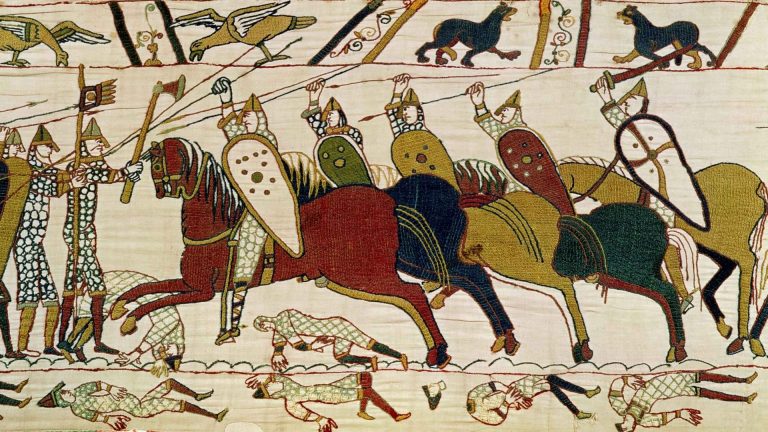
I wrote about Ken Burns’s epic new documentary series in March, when he and his co-director Sarah Botstein were in London. Though I am sorry that the original 12-hour version broadcast on PBS has been edited into six episodes for BBC viewers, this version remains a compelling exploration of the complex origins of America and the nuance of the founders’ implicit warning to future generations about the need for eternal vigilance in defence of the republic. As the 250th anniversary of independence on July 4 approaches, not yet halfway through Donald Trump’s second presidency, the lessons of history have never felt more urgent.
BOOKS
The Truth is Out There…
Well, that escalated quickly. The controversy over Steven Spielberg’s Disclosure Day (reviewed last week) has been something to behold – not so much the divided reception among movie critics, which is par for the course, but the furious religious, political and conspiracist response in Podcastistan, on social media, and on Substack.
I have been asked by the sane and baffled for some guidance on what to make of all this, so here is a brief rundown of what to read if you want to get a sense of what all the fuss is about. The best recent book by far is Daniel Lavelle’s Chasing Aliens: Faith and Conspiracy in the UFO Heartlands (Viking), a gonzo road trip that takes us from QAnon, via the legend of Skinwalker Ranch, to the deepest recesses of America’s abiding obsession with extra-terrestrials.
For those looking for a scholarly assessment of the alleged links between UFOs and the spiritual world (which is the terrain upon which the extremely online are now battling), the books of DW Pasulka are indispensable: American Cosmic (2019), Encounters (2023), and, forthcoming, The Others (Castle Point, July 28).
The ur-text of this aspect of the mystery is Passport to Magonia: From Folklore to Flying Saucers (1969) by Jacques Vallée – who inspired the character of Claude Lacombe, played by François Truffaut, in Spielberg’s first alien movie Close Encounters of the Third Kind (1977).
If you are interested in the “Fermi Paradox”, posed by the great quantum physicist Enrico Fermi at Los Alamos – to paraphrase, “where are all these aliens, then?” – read “The Dark Forest Theory” by the great Chinese science-fiction writer Cixin Liu, collected in A View from the Stars (2024).
Be warned though: this is not so much a rabbit hole as an interstellar wormhole. It’s only a movie, after all.
 Most popular

My day out with Danny Tommo
I was at Eton with Charles Spencer – this is how it explains his battle with the royals

Emily Maitlis’s diary: Trump doesn’t fear the AI apocalypse – but he’s terrified about the midterms

Memo to Burnham: this is how you beat the populists