Andy Burnham will enter Downing Street in three weeks’ time with the single most monumental challenge any prime minister has faced since Churchill: how to preserve the ideals and purpose of liberal progressive democracy in Britain.
It is, on paper, an impossible task.
Within 12 months, Burnham’s popularity will have collapsed, labouring as he will be with a malign right-wing media decrying every economic deviation from a manifesto concocted by his predecessor almost three years earlier, in what seems like a different world altogether.
Whatever vision he brings to Downing Street will, as was Starmer’s “decade of national renewal”, be grounded in a profound social change that will take many years to deliver. Certainly more than the potential three years he has before hitting the constitutional buffers of August 2029 – the latest possible date for a general election.
Suggested Reading
What Starmer never understood about being PM
Meanwhile, despite the setback he suffered in Makerfield, Farage will, happily enabled by that right-wing press, get his act together and regroup. As Matthew d’Ancona writes so astutely, Farage is nothing if not a consummate re-grouper.
When a man like Farage is on the ground, you do not stand back and give him the chance to get back up, whiff the smelling salts and put up his dukes once more. When a man like Farage is on the ground, you keep kicking.
Reform have demonstrated they are a long way from being ready to fight a general election. The idea that they could find 650 convincing candidates of a higher calibre than the sexist plumber they put up in Makerfield is absurd. They do not have the mechanisms or the money to win. But they might in three years. Why risk it?
In three years, barring some slices of outrageous good fortune (and show me a lucky PM in the last decade), Burnham’s popularity will be battered by the tough political decisions necessary to enact substantive change. It is entirely plausible he will go into that late general election as yet another PM who could not simply magic up electoral happiness on the strength of his personality alone. Why risk it?
Bismarck observed that “politics is the art of the possible, the attainable – the art of the next best.” The best would be for Andy Burnham to somehow change this nation in three years to the point where the empty promises of the populists became utterly redundant.
Given the nation’s current state, that seems impossible, unattainable.
The possible, the attainable – the next best – is to deploy his greatest assets: his authenticity, his passion, his capacity for justifying hope that Britain can change for the better. And then putting that to the test.
By my reckoning, Andy Burnham will have about six months to inspire confidence that he can lead here at home where it matters to voters, rather than abroad where it doesn’t. And to explain to the country why making his constituents in Makerfield feel like life is once more heading in the right direction is a good thing for us all.
That six months is going to be his moment of peak power, before voters’ weariness and despondency at the inevitable travails of making it all happen start to kick in.
Suggested Reading
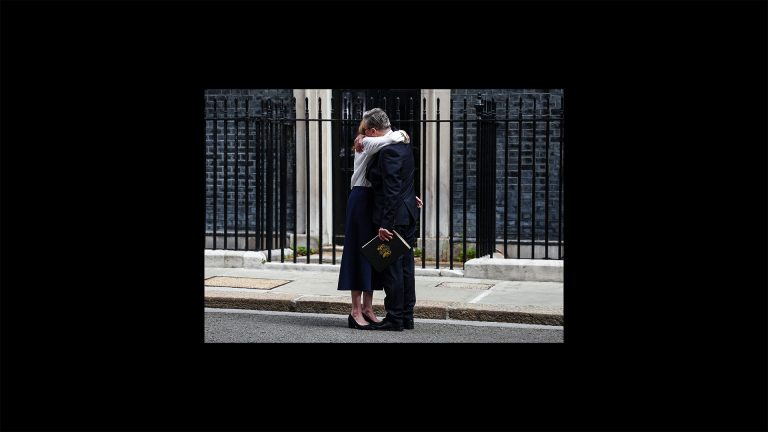

I didn’t rate Starmer as PM – so why do I feel so sad?
With an ill-prepared Farage still years from being able to take on an electoral machine like Labour, this is why a general election in January or February next year is not quite the gamble it may seem.
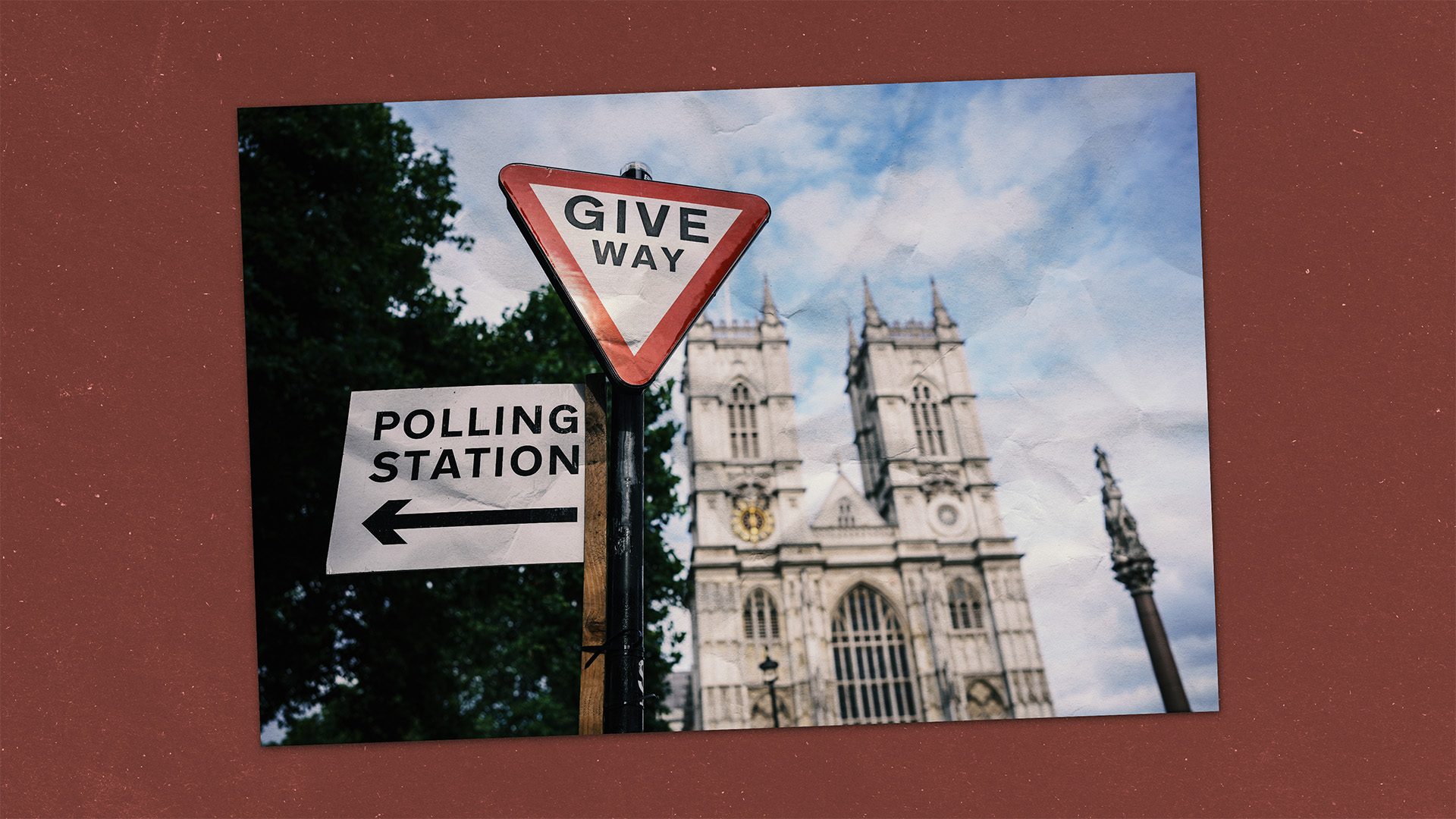
Arguments about snow-affected turnouts will seem trivial in comparison with the prospect of a summer 2029 election he cannot win against a Farage-led Reform who had the luxury of three years to learn from the mistakes of Makerfield.
Burnham’s vision must be bold. Firstly because it is so obviously required, but secondly because if we know one thing for certain, the public has an appetite for a big roll of the dice. What else was Brexit but a display of the electorate’s willingness to take a big swing at the idea of profound change in Britain’s fortunes?
That this outgoing Labour government could not keep pace with the public’s appetite for change was the tragedy of Starmer. It must not become Burnham’s tragedy too – for then it will be, finally, all our tragedy.
 Most popular

My day out with Danny Tommo
I was at Eton with Charles Spencer – this is how it explains his battle with the royals

Emily Maitlis’s diary: Trump doesn’t fear the AI apocalypse – but he’s terrified about the midterms

Memo to Burnham: this is how you beat the populists