There are times when I feel like a has-been, and other times when I really wish I was.
The first feeling is at its strongest when I reflect that it is more than two decades since I left full-time proximity to one of the most consequential prime ministers in UK history; that I have done many different things since, advised many different people, campaigns and causes, written many different books, helped start a successful newspaper and a successful podcast; yet whenever I am introduced at events, it is usually with the words “best known for his role advising former prime minister Tony Blair.”
The second feeling, the desire for total has-beenery, comes whenever there is anything big happening that involves the Labour Party. You will no doubt be aware that something big happened last week that involves the Labour Party. If I may use the C-word again, Makerfield was surely the most consequential by-election of our lifetime.
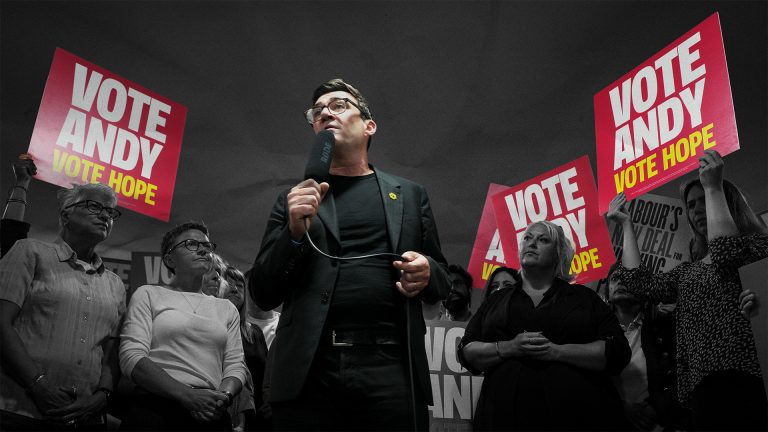
It is certainly the first I can remember where the media bids that pinged into my phone in the run-up to, and aftermath of, Andy Burnham’s stonking win, came not just from UK media, but from journalists and broadcasters as far afield as the US, Canada, Australia, New Zealand, Japan, Switzerland, France, Germany, Norway, Belgium, Spain, Poland, Turkey, Argentina and Brazil. I am only listing the ones whose football teams are in the World Cup. Italy, India and Ireland were calling too. I apologise to all those whose calls and texts I did not reply to. Life is too short, texts too many.
Add in the calls from ministers and MPs who think my view counts, or that I might know something they don’t, and from friends who just want to know what’s going on, and it all means I reach the point of really wishing nobody thought it mattered a damn what I thought about anything.
Of course the very human desire for relevance means that in calmer times, I welcome the fact that someone somewhere appears keen to know what I think. But last week the demand was just too much!
Suggested Reading

A history of Brexit in 256 disasters
There is a serious point to the self-centred whinge above … it all underlined the scale of what Andy Burnham pulled off, adding to the sense of inevitability that his return to Parliament after a nine-year gap to serve as mayor of Greater Manchester, was the route, whether by contest or coronation, to the Labour leadership, and occupancy of 10 Downing Street.
There are two things in politics whose force you should never underestimate – numbers, and feelings.
Keir Starmer had one big number on his side when he made his entrance to No 10, a Commons majority of 174, in Labour’s history bettered only by the first two of Tony Blair’s wins in 1997 and 2001. But there were other numbers that mattered too – 411MPs, many of them new and ambitious, many who had given up promising careers elsewhere, and did not intend to be mere lobby fodder, to be told what to do and what to vote for regardless of what they thought. So they started to feel – politicians have feelings too – that the party that was meant to be about collective will and solidarity did not practise those values itself.
The most important feelings though, are those of the people in the country. Here the most important number stood in stark contrast to the three-figure landslide. If you include those who didn’t vote at all, just one in five people voted Labour. Again, that called for a far more inclusive approach to policy-making and the business of government than the one which came to define the last two years.
Suggested Reading

British voters ready to integrate with the EU, says new survey
It meant that when the feeling among the public developed that the government was not as strong as they expected, and that the prime minister was not giving the hope and direction people need, it quickly spread to the MPs. Whatever Keir Starmer’s many qualities, and whatever the many good and right things the government was doing, reserves in the Parliamentary goodwill bank were running low.
So the most important number driving the Parliamentary herd to move to Burnham is the 23% swing from Reform to Labour that his near-25,000 majority, on a higher turnout than the general election, represents. “Who can stop Reform?” is the question troubling Labour MPs. Burnham seems to have answered it.
This will all be incredibly painful for Starmer, because ultimately the dominant feelings it speaks to are either that people don’t like him, or they don’t think he is up to it. These are brutal and in many ways unfair judgements. But politics, like life, can be brutal and unfair.
A lot of the brutality and unfairness – we can already see it starting in the right wing media and in Muskland already – will transfer along with leadership to Burnham. We will have to see how well he handles that. But for now, both the numbers and the feelings are with him.
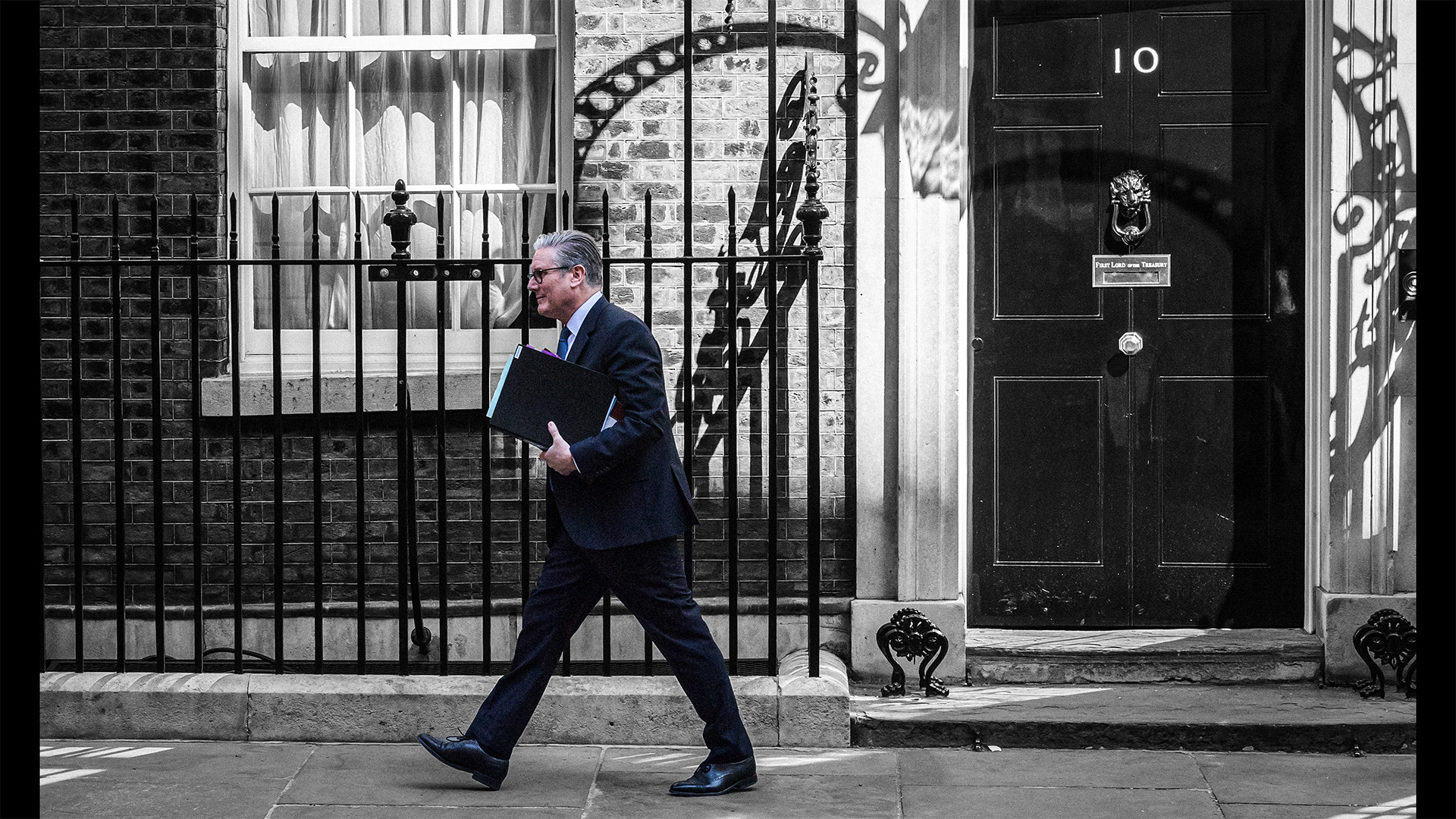
That is a good wicket on which to start. But, as Starmer found, the really hard stuff begins once that first step through the big black door is behind you.
Suggested Reading
Burnham must run fearlessly into the future – and this is how
I first met Andy back in the 1990s, when he was an assistant to Tessa Jowell, who is sadly no longer with us, but who is one of the politicians from the New Labour era with a genuine legacy, namely the London Olympics of 2012, and the transformation of that part of East London it led to.
In the shadow of the Olympic Stadium last week, I compered a fundraiser for the Tessa Jowell Foundation, which exists to fight for and deliver better treatment for the kind of brain cancer that killed her eight years ago. Legacy comes in many forms, and I wonder whether one of the reasons Andy Burnham has such good people skills, and constantly speaks of the need for politicians to bring people together, rather than drive them apart, is because he spent the early part of his political career alongside Tessa.
I was briefly in Paris last week, to meet economist Gabriel Zuckman, best known for his work exposing tax havens, and his proposal for a wealth tax or, as he prefers to call it, a minimum income tax guarantee. The logic for it is strong, given the rampant and growing inequality in the era of the world’s first trillionaire, Elon Musk. The politics, however, are extremely tough, and I found myself struggling to work out how such a tax could be effectively implemented.
On the logic, however, what kind of world are we living in that Musk has a fortune bigger than the GDP of countries as varied as Poland and Switzerland, Belgium and Bangladesh? How can anyone lionise someone whose wealth, allied to his use of it to help Donald Trump get re-elected, put him in charge of DOGE, whose actions led to the scrapping of USAID, with the direct consequence that many of the poorest people on earth are dead and dying? One report I read at the weekend indicated the USAID cuts are causing 88 deaths per hour.
Zuckman’s proposal is for a 2% tax on the wealth of all billionaires. Oxfam, meanwhile, have calculated that a 10% tax on Musk’s $1.2 trillion would end global extreme poverty for a year, and lift 800 million people above the extreme poverty line.
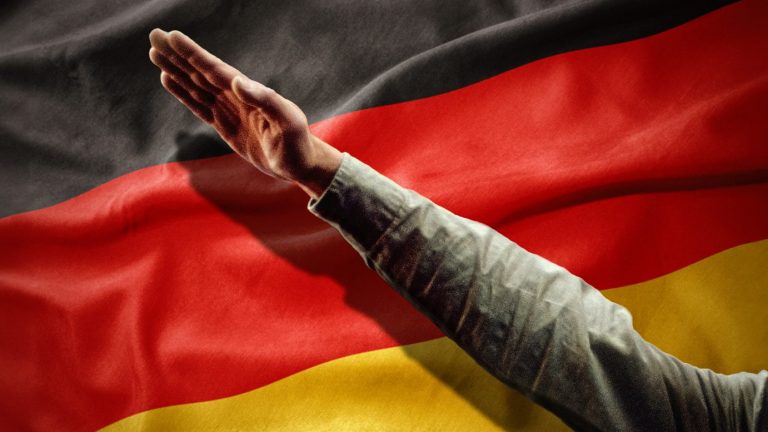
What does it say about Musk that he would rather spend his money on Tommy Robinson (sic), Rupert Lowe and neo-Nazis in Germany, than make life just a little better for people who can barely imagine what ten dollars look like, let alone a trillion?
 Most popular
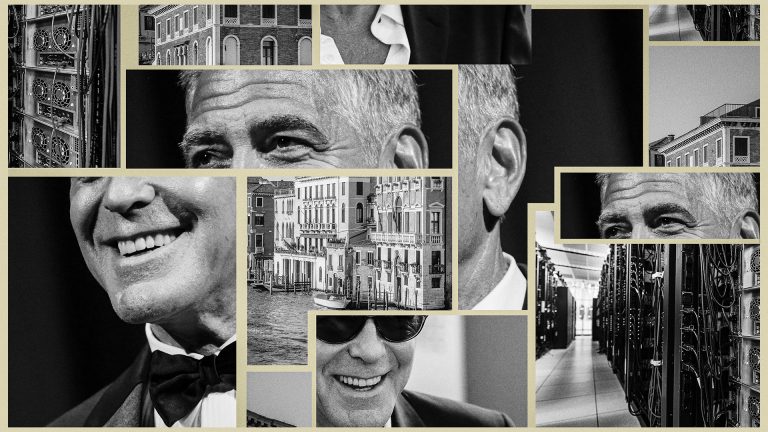
Emily Maitlis’s diary: As I was saying to George Clooney just the other day…
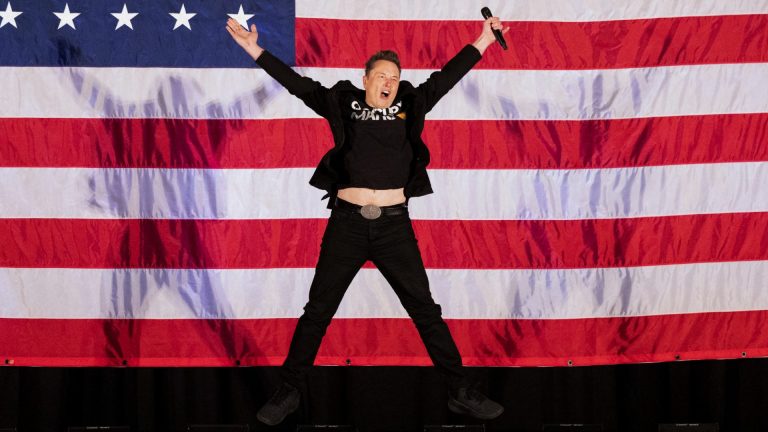
A new film about Elon Musk reveals him as so awful it’s almost tragic. Almost
The strange case of the Lib Dem writer who fell for Farage
The right wing media hounded Jason Arday and ignored James Orr. It’s obvious why