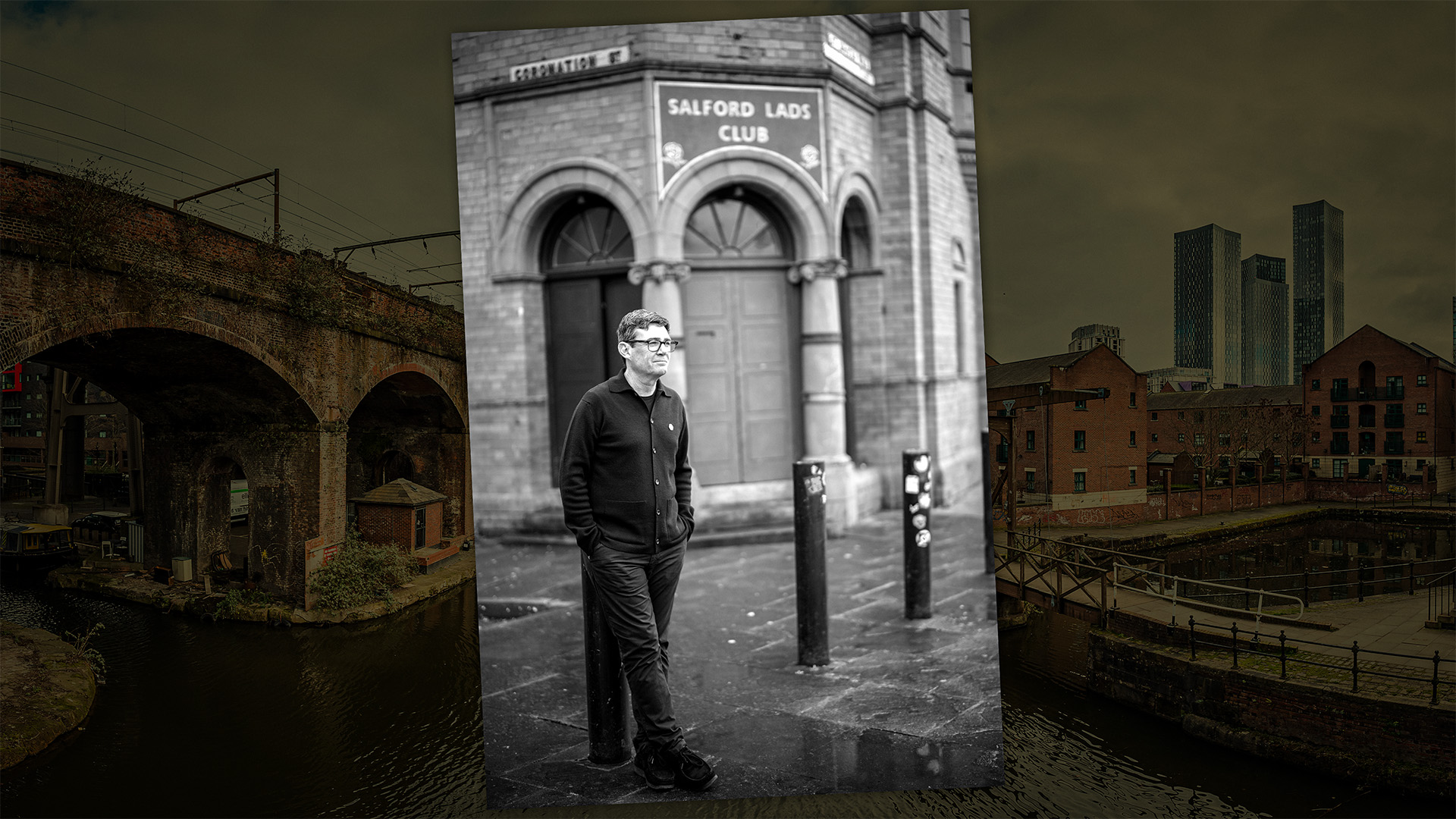
The main advantage of low expectations is that they rarely leave you feeling disappointed. I covered Andy Burnham back when he was an MP and when he stood for the Labour leadership back in 2015, and my conclusion then was that he wasn’t especially fit to be prime minister. Granted, he has now spent nearly a decade elsewhere, rebuilding his reputation as a solidly reliable mayor for Greater Manchester, but I’m still not convinced he’s the man Britain currently needs.
As I wrote in The New World a few weeks ago, I hope he succeeds. But I still worry that his flaws will mirror Keir Starmer’s too closely, and now isn’t the time to dilly-dally.
Still, the main drawback of low expectations is that they can make you miss out on useful hope, and leave you cold even as things threaten to get better. This is why I watched Burnham’s speech at the People’s History Museum in – where else? – Manchester and tried to force myself to see the best in him, and what he’s proposing.
There was, for example, his promise to go for “place-first, not party-first”. Though hidden among platitudes – “problem-solving, not point-scoring”, “long-term, not short-term”, and so on and so forth – it did feel quite an eye-catching theme. In fact, he ended up mentioning it several times, underlining his aim to bring power back to places, and decrying the fact that “we are one of the most over-centralised countries in the world and worse, that over-centralised heart of the country is not pulling in the same way, but in different directions”.
Suggested Reading


Jim O’Neill on Burnham, the US and the dangers of following the AI herd
Now, isn’t that quite an amazing political Rorschach test? If, say, you like the new MP for Makerfield and want to believe that he will be a good prime minister, then surely what you see in this is a welcome drive towards decentralisation, handing more power to local areas and local people, and reducing north-south inequalities in the process.
Couple this part of the speech with the one where he outlined his plan to move much of No 10’s activities out of SW1, and you’ve got yourself a United Kingdom that is finally – finally! – levelling up.
If, however, you view the new Labour leader with more than a hint of suspicion, you may have raised an eyebrow at the implications of what he trailed in his speech. Obviously no-one denies the dire need to bring better, higher-paying jobs to the smaller cities and towns which have been lagging behind for years and decades. Of course, most people will agree that there are simply too many decisions being made in Westminster, when, say, properly funded councils could be doing wonders in their areas.
The only problem is that he wasn’t the first person to say any of it. PM after PM has talked about the need to redress the inequalities between north and south, and make “left behind” areas feel heard, and so far it has meant little more than bashing London whenever convenient, and becoming more socially conservative for no obvious reason.
As it turns out, it’s easier to punish Londoners for daring to live where they live than it is to actively improve the lives of everyone else. It doesn’t matter that the city has some of the poorest local authorities in the country, and that life in London has become so expensive that the higher salaries count for little. Ultimately, hitting Richmond will always work even when helping Rochdale ends up being harder than anticipated.


Similarly, being proud of the place you live in is an unalloyed good thing – as you can tell from my pitbull-like reflexes when it comes to defending the one I call home – but we do not live in easy times. There are many on the right wishing to erase the lives and importance of people who weren’t born on these shores, or whose parents moved from elsewhere. Burnham clearly means well with his Manchesterism, but the slope has rarely been more slippery, and he ought to be careful about how other people end up discussing the importance of where you live, or where you’re from.
It’s entirely possible that he will successfully do it but, this time two years ago, it seemed obvious that Starmer would be able to call a spade a spade when it came to racist protests, and we all know what happened in the end.
Then again, perhaps that’s the whole point: people get their hearts broken and they learn to love again. Voters get disappointed by the people who run their countries and still, they turn up at elections and they hope that the next lot will do a better job.
Maybe Andy Burnham really will manage to rewire Britain, as he put it. I really do wish him luck. I guess I just need a little more time to start hoping again.
 Most popular


My truly deranged encounter with Trump apologist Kellyanne Conway

The moral depravity of Robert Jenrick


Is this the real reason Trump keeps falling asleep in public?

Suella Braverman’s book has sold only 106 copies. This is why