August 23, 1924 – November 6, 2024
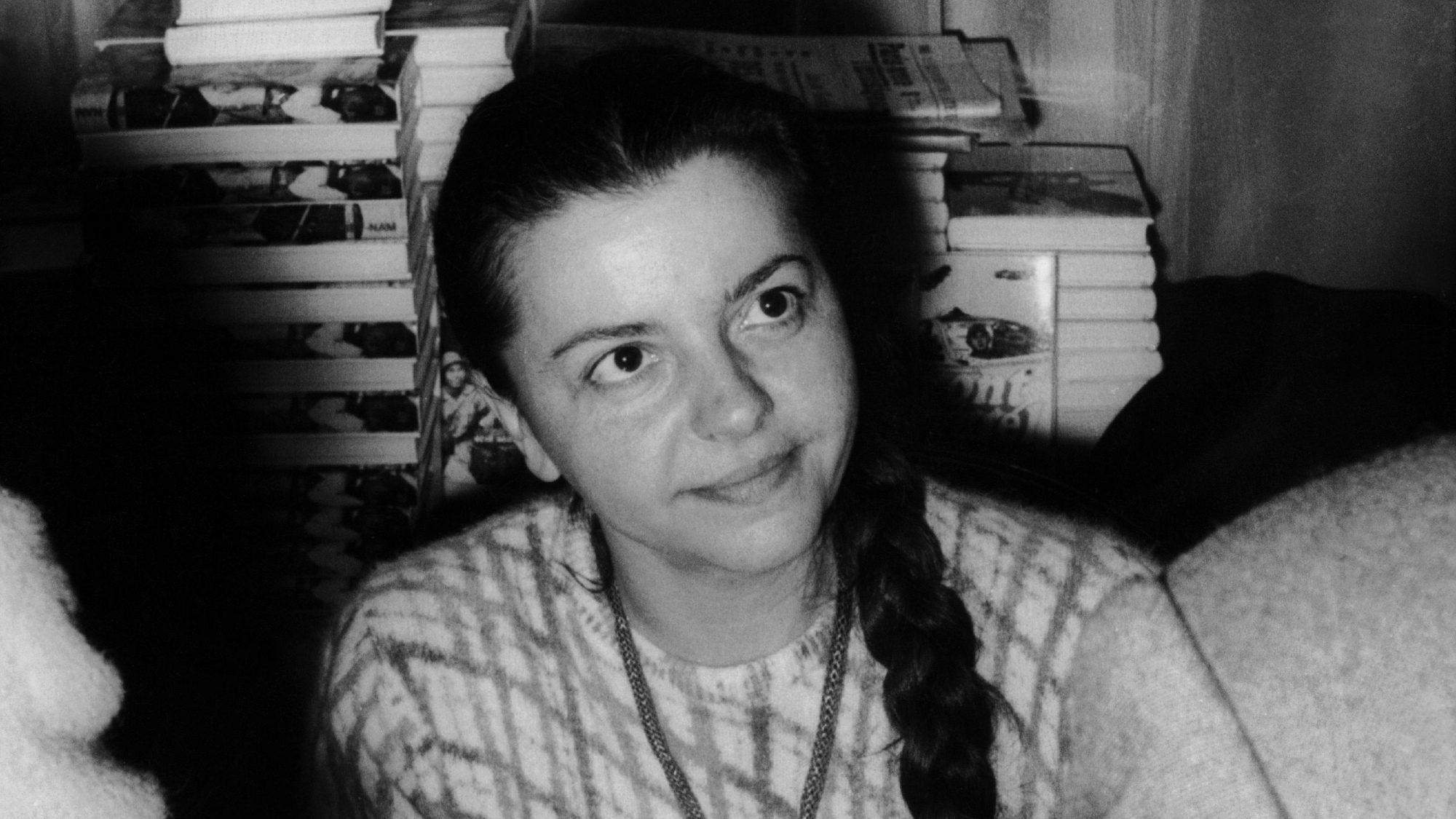
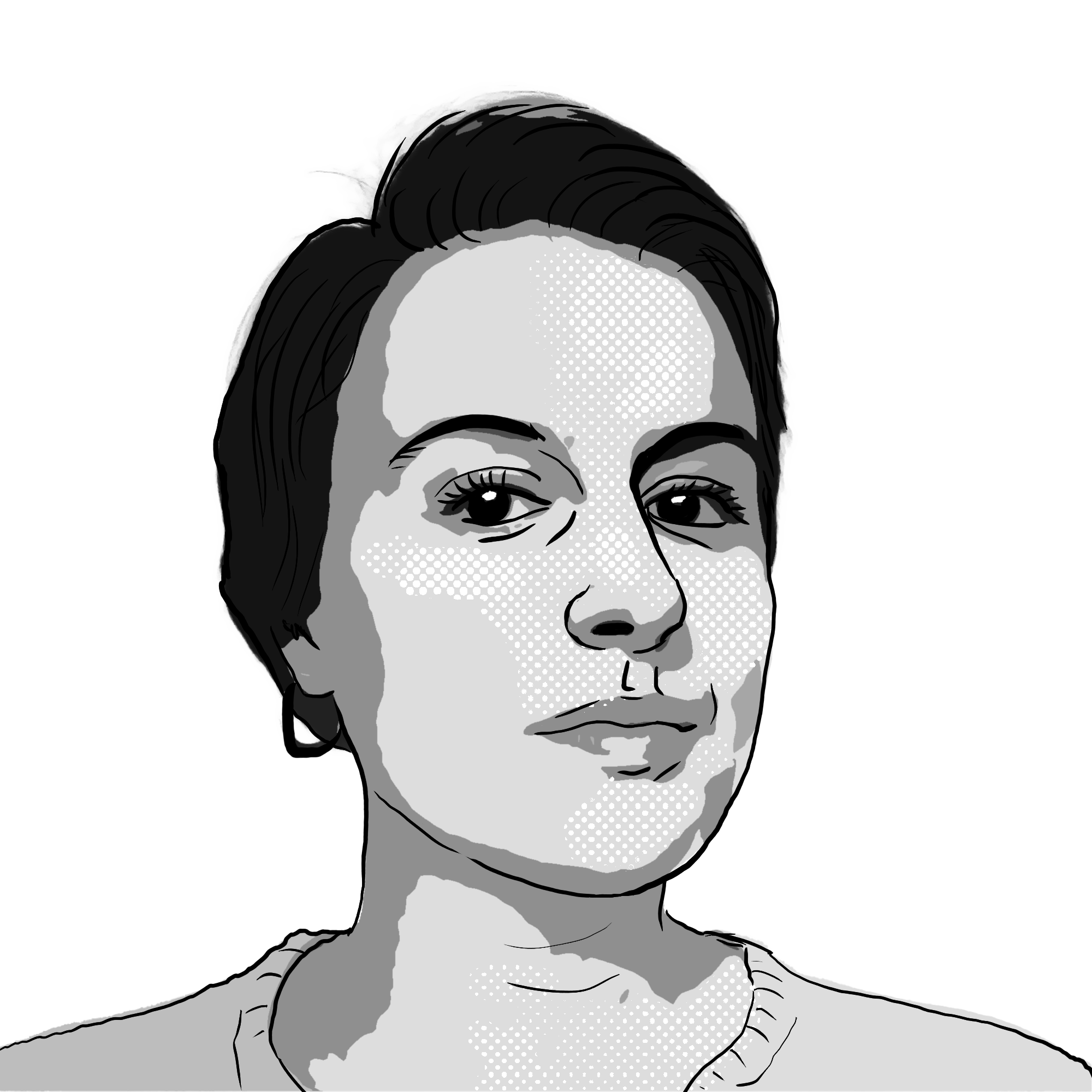
Madeleine Riffaud stands on a railway bridge with a clear mission: to stop three German trains scheduled imminently to be speeding through occupied Paris. With her three companions, she looks out at the railway tunnel, explosives ready. She understands the severity of the task. Her life, as it has been for months, is in severe danger.
When a German munitions train passes beneath the bridge, they give each other the nod. Explosions. Chaos. A second train crashes into the first. A third, carrying German troops, is stopped by the fighters. The Resistance are successful in capturing all 80 soldiers, as well as their weapons and supplies.
It is only later that Riffaud realises what the date is. It is her 20th birthday.
The Resistance fighters toast their success with the briefest of celebrations, taking advantage of foie gras and champagne, conveniently part of the train’s cargo. They make sure they take time to savour a rare moment of luxury.
Two days later, the German forces in Paris surrender, the Champs-Élysées filling with a million people celebrating their demise.
Suggested Reading
Hattie McDaniel and the shame of Hollywood
Riffaud had only been released from Gestapo HQ days earlier, having been tortured and told she would face a firing squad for shooting a German officer in the head in broad daylight, in the name of La Résistance. After her complete refusal to talk, she was released in an exchange of prisoners.
She had been strapped to a chair and sleep-deprived for weeks, but was now once again reunited with the streets of Paris, the uprising imminent and Hitler having given the order to raze Paris to the ground. “Our task in the Resistance was to give Parisians confidence, show them we were there,” she later said. Now the confidence was everywhere.
Her catalyst for joining the guerrilla warfare group had been three years earlier. She was waiting at a railway station with her grandfather when a Nazi officer, tasked with stopping the exodus of people to the unoccupied south-west of France, kicked her with force, causing her to fall to the floor, humiliated and furious.
“I remember saying to myself, ‘I don’t know who they are or where they are, but I’ll find the people who are fighting this and I’ll join them,” she said.
Her Resistance codename “Rainer” was a tribute to Rainer Maria Rilke, Riffaud’s favourite poet, who wrote of suffering, solitude and a search for meaning. Riffaud was a poet too and her first collection, Le Poing fermé, was released at the end of the war, inspired by her experiences with the Resistance.
It came with artwork by Pablo Picasso, whom she met in the glorious days that followed the liberation of Paris. The great artist invited her to spend time in his studio, where he captured the pain of her experiences, her personal and political loss and suffering.
“Picasso drew the heavy eyelids of a woman who couldn’t forget,” she said. A year to the day after the explosions at the train station, he presented his portrait to her, a 21st birthday present as unique as the champagne and foie gras a year before.
True to the word of her teenage self, Riffaud devoted her life to fighting fascism and oppression. As a journalist, she was able to articulate her opposition to the extremism and colonialism she encountered throughout her life, reporting on the Algerian war of independence and spending large parts of her life living in Vietnam, writing about the suffering of those around her. “I decided to make it my profession: to go into the field, look at the truth and tell it,” she said.
In the 1970s she again wrote of suffering, not this time as a war reporter but back in Paris, working undercover in a hospital, detailing the everyday hardships faced by nurses, cleaners, and day-to-day struggles of hospital life with the passion and understanding she had shown from the moment she had joined the Resistance.
Her desire for justice was just as strong in her later years, when she spent time talking to the next generations, telling them about what she had seen, of the need to group together; that human dignity is something to fight for, and “that to resist is to love people, not to hate.”
Suggested Reading
The beautiful melancholy of Sean Hughes
For her actions during the Paris uprising, and her bravery on the mission intercepting the German trains, Riffaud was highly decorated, including the Croix de Guerre in 1945, but she was always clear she had no interest in personal achievements or acclaim, that there were thousands who should be celebrated, not just a select few.
“I refuse to be a symbol,” Riffaud, who died in Paris shortly after her 100th birthday, was determined to make clear. “I was just a young girl caught up in history.”
 Most popular
Emily Maitlis’s diary: The Democrat who’d rather see Trump win if it means El-Sayed losing

It might not look like it, but a motoring miracle has now happened

What happens to Trump if he loses the midterms?
How Abdul El-Sayed became the man who can break Trump