
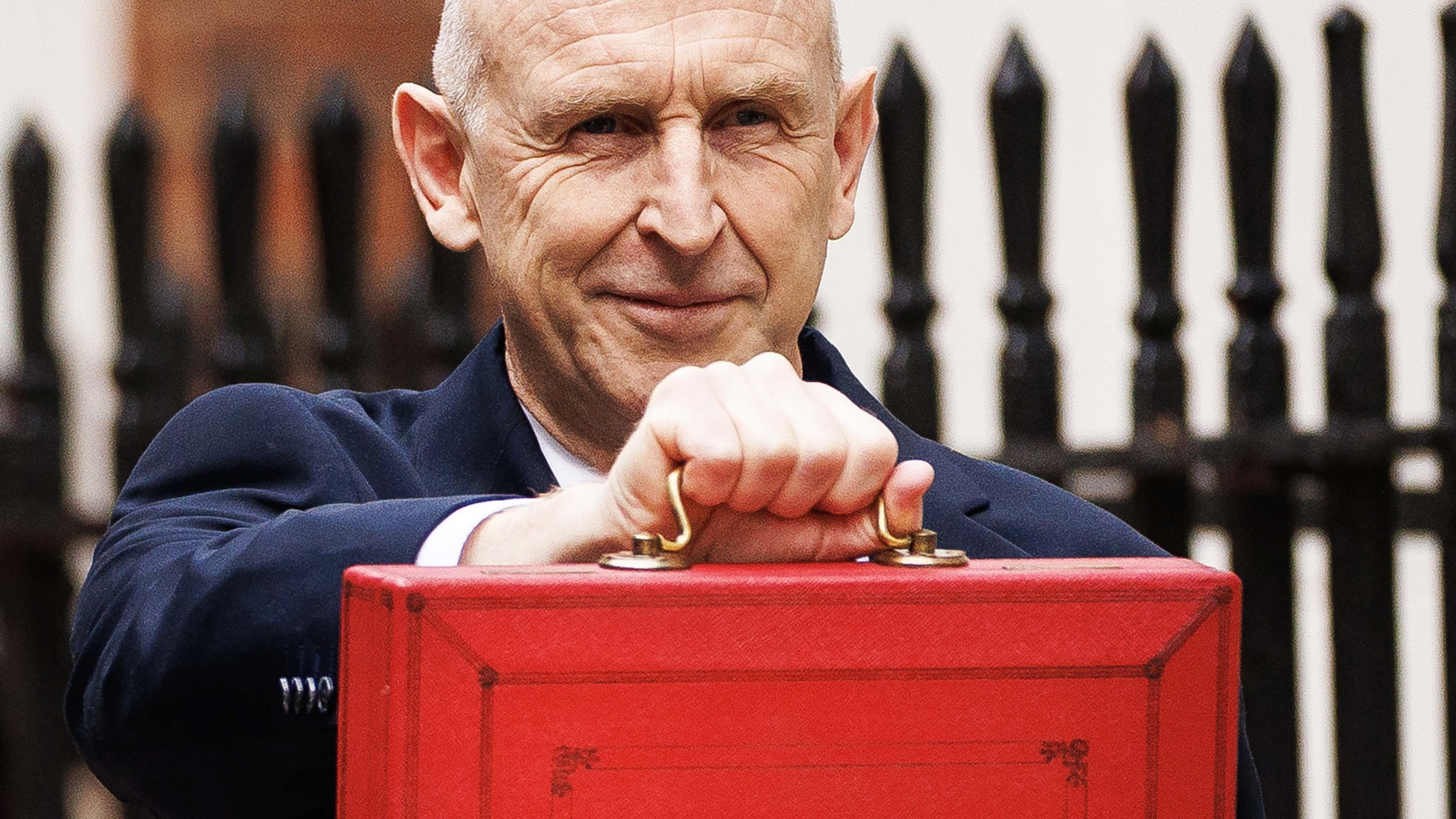
The Treasury managed to secure breathless previews for John Healey’s “breathing space” Budget, focused on the “military-style secrecy” surrounding it. The reality turned out to resemble the real-world Ministry of Defence – which leaks like a sieve – rather than the hush-hush world of spycraft.
Almost every major announcement had leaked ahead of time, surely to the annoyance of the Speaker, and ultimately to the frustration of those who hoped Healey would pull a few rabbits from his hat on his Budget debut.
Healey’s team could argue, though, that this was merely good news management of a Budget that lacked bold strokes but contained lots of small but likely popular measures. Almost all of these cost the Treasury very little, but each delivers on something concrete, or else heads off a political problem.
Self-employed workers now get better access to parental leave. Standing charges on gas are set to be abolished, knocking bills down slightly. There are hundreds of millions in new funding to help end rough sleeping, a cause clearly close to the prime minister’s heart. A cliff-edge on carer’s allowance that made life miserable for full-time carers is being addressed, albeit imperfectly, as noted by Lib Dem leader Ed Davey.
Modest tweaks to tariffs on everyday foodstuffs should save households about £20 a year. There is also help for families tackling surging energy prices, but this time targeted at those in properties in council tax bands A to D – meaning it costs vastly less than the multi-billion package announced by Liz Truss during her premiership.
Healey has headed off a potential political nightmare at the pass by adjusting the personal allowance for pensioners so that someone receiving the basic state pension doesn’t pay tax. Inevitably, he has frozen fuel duty yet again – for the 16th year in a row – and found the money to pay for it.
All of that together makes for a package that is more politically dextrous and clever than anything Keir Starmer or Rachel Reeves managed during their time in office, and the pitch rolling on a windfall tax on banks seems to have gone well – the banks will surely not be fond of the measure as announced, but it is temporary, and not quite as steep as feared, and so is unlikely to cause too much upset from the City.
The danger of a Budget, of course, is that you announce tens of billions of pounds in tax and spending, and yet any single measure – even one worth just a tiny fraction of the total – can derail the whole thing, as the infamous ‘pasty tax’ once did for George Osborne.
Suggested Reading
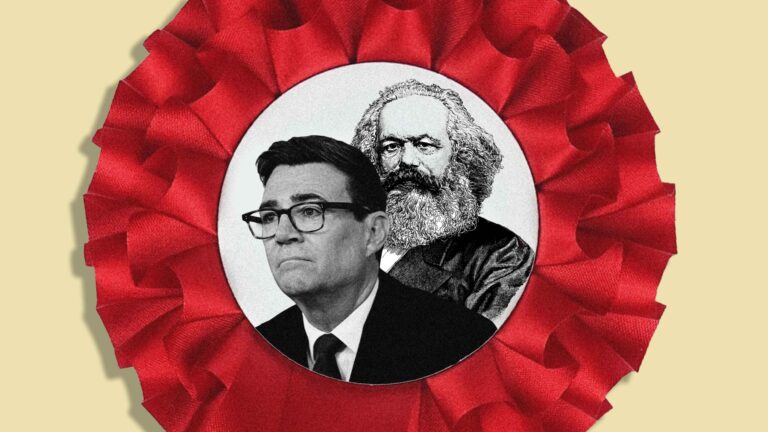
It’s time for Burnham to kill off old Labour
The £21-a-year from tariff relief on food could easily be spun by Kemi Badenoch or right wing papers as “41p a week” on cost of living, at a time when mortgages and bills are going up far faster. “A new deal for data centres in the UK” – aimed at making sure health and defence data stays in the country – feels like it could backfire amid the anti-AI backlash. There might yet be a horror lying in the Budget documents that emerges only over the next few days.
But in the immediate aftermath, Healey seems to have accomplished the task he set himself – he has not just found a few extra billions for defence, but he has staved off a few looming political crises, and found a couple of affordable popular giveaways, too. The bond markets are happy enough, too: at the time of writing, yields are about the same as before the Chancellor started speaking. The Treasury will happily consider that to be a win.
Policy wonks, though, will notice the lack of ambition towards anything more seismic, as did Kemi Badenoch in her robust but typically smug and patronising response.
There are difficult times ahead for the government – as Healey himself noted when he warned of “global economic storms” heading the UK’s way. Thanks to the conflict in Ukraine and Trump’s war on Iran, most analysts expect a tough winter for energy prices, which usually results in higher inflation. Falling migration suggests that tax revenues will come in lower than expected. The AI bubble could pop at any time.
On top of that, Rachel Reeves and Keir Starmer left a time bomb in the spending plans, which currently imply real-terms cuts in most departments for 2028 and 2029, even before any of those headwinds. Healey has done nothing to build up a war chest to avoid any of those – he’s actually cut the headroom available to him. To savvy watchers of such things, that suggests only two possibilities.
The first of those is that there is going to be a bigger tax-raising Budget next year – even closer to the end of this parliamentary term – to cover the shortfall in revenues. The idea of an Andy Burnham-led Labour government trying to go into a general election after overseeing major public spending cuts simply doesn’t feel like a realistic one to almost anyone.
But Healey’s decisions on this Budget raise a second possibility, even if it is one that Burnham spent most of the summer pooh-poohing: if you were going to call an early election, this is exactly the sort of Budget you’d pass before it.
Healey has done a lot with not very much money, finding giveaways for lots of key groups of voters. He’s similarly avoided upsetting anyone all too much, and he’s focused on fixing short-term issues rather than setting the groundwork for long-term reforms that might take several years to come to fruition.
That might, of course, be because Burnham wants to set out his ten-year strategy – expected in December – first, and conduct a spending review next year before using the Budget to set out the spending envelope.
Suggested Reading

Andy Burnham thinks he has found Britain’s Brexit escape route
But opposition parties are unlikely to take that for granted: the Liberal Democrats are already briefing that they’re preparing for an early election as early as December. The Tories are said to be eyeing up spring 2027. Reform will doubtless update on their own preparations, once they notice today was Budget Day.
Burnham is keen to say the next election won’t happen until 2029. That was reinforced by government sources after Healey sat down. But the prime minister also very keen to talk about what he could do with his own mandate – on the EU, on voting reform, on social care, and maybe even on tax.
A bold, even unpopular Budget aimed at the long-term might have put early election rumours to bed. Healey’s was the opposite of that. As a result, you can expect the polling speculation to continue right through the winter.
Would he? Could he? Dare he? With a poll lead of seven points over Reform and 11 over the Conservatives, Andy Burnham might just be tempted…
 Most popular

Liz Truss’s new mini-book is every bit as bad as her mini-budget

His dad tried to overthrow Putin – now Pavel Prigozhin runs an African country
I was at Eton with Charles Spencer – this is how it explains his battle with the royals


Forget the Terminator – the age of AI weaponry is already here