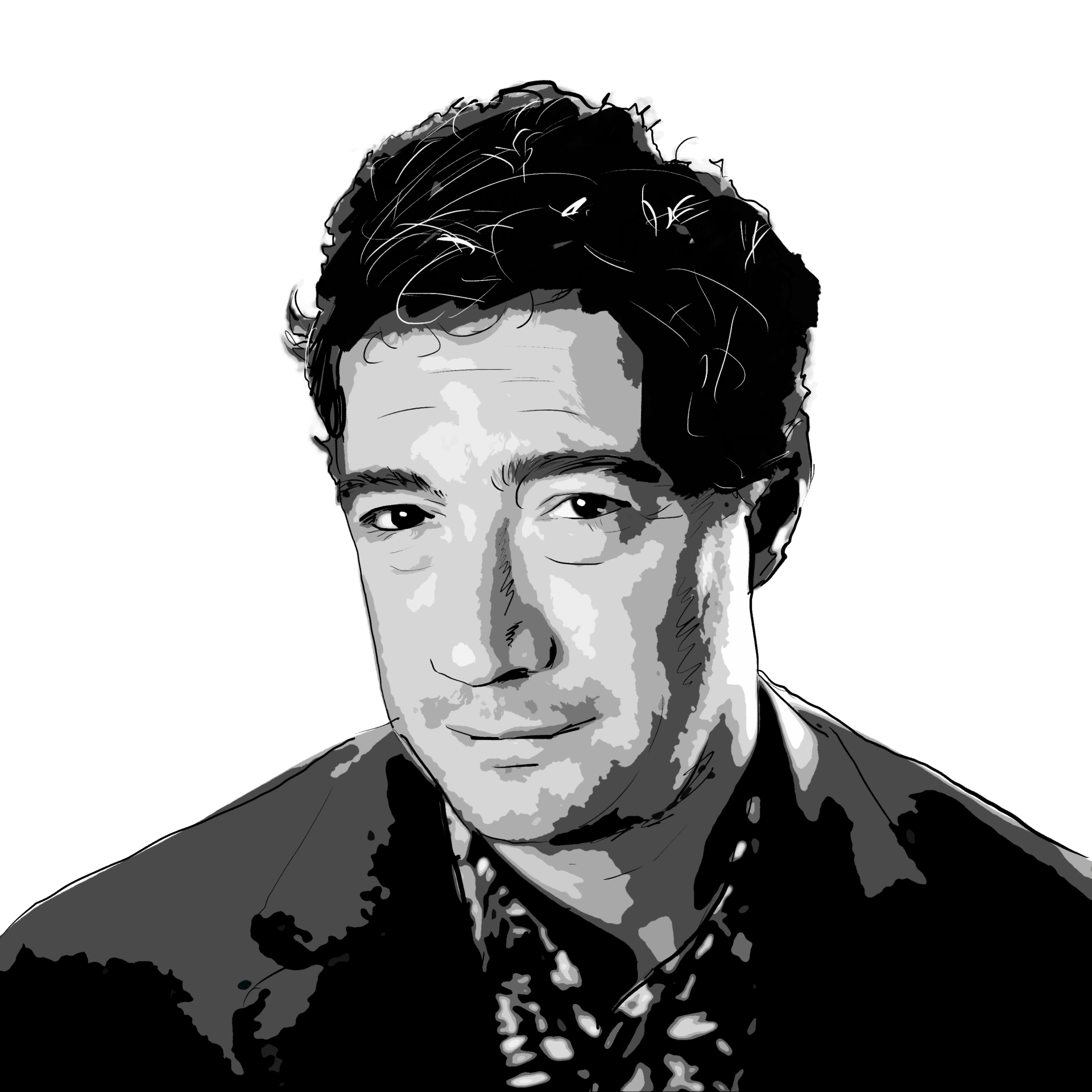
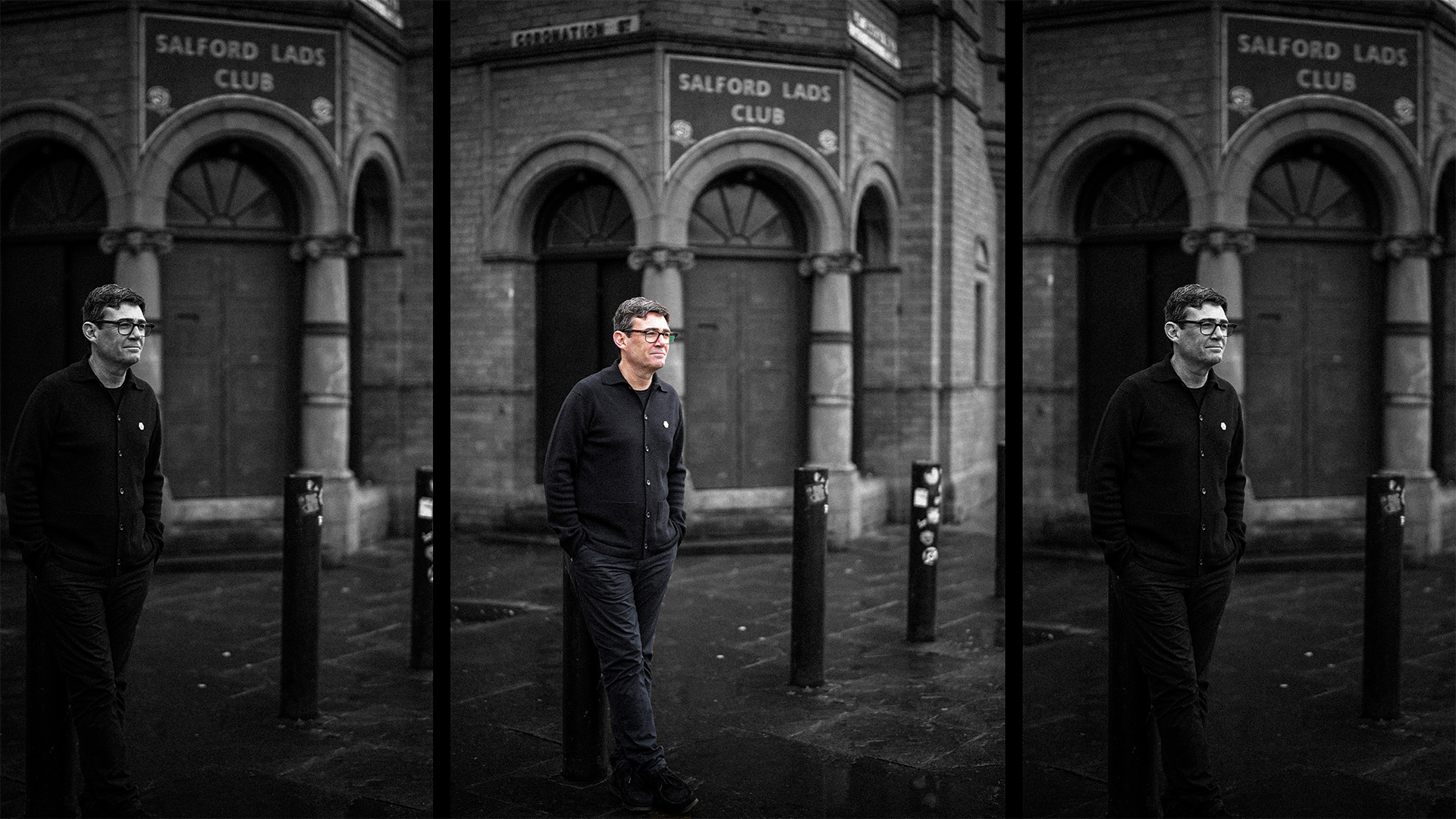
When I meet Andy Burnham, Makerfield is in the middle of a seismic by-election which is widely seen as a referendum on national identity, economic decline, demographic change and several other subjects only loosely connected to the responsibilities of a constituency MP.
Which is why Burnham is pulling pints at the Dog & Whistle. Having navigated five separate attempts to rebrand the craft gin market without flinching, the pub is a window into modern Britain – generic, bleak, and full of people longing for when it was something else.
You might expect the regulars, some of whom come here to express concern about the consequences of mass immigration while washing down heat lamp meats with Madri, to be annoyed that the circus has rolled into their part of town. But despite a lingering nostalgia for hardships they never experienced, the men with Passchendaele tattoos are excited that the mayor of Greater Manchester is here.
Burnham, who has swapped the traditional politician’s tie for a white T-shirt, gives the impression of a man who has inadvertently entered a by-election on his way to help a friend move house. A navy blazer supplies the minimum viable level of statesmanship. If the ensemble is intended to suggest both a politician trying to look approachable, and a garden centre owner trying to look important, it is a success.
And the schtick works. At least it does on the barflies with whom he’s discussing Jude Bellingham. For the time being, their “legitimate concerns” have given way to an intense enthusiasm for an England World Cup team whose family histories stretch from Kingston to Lagos.
Suggested Reading
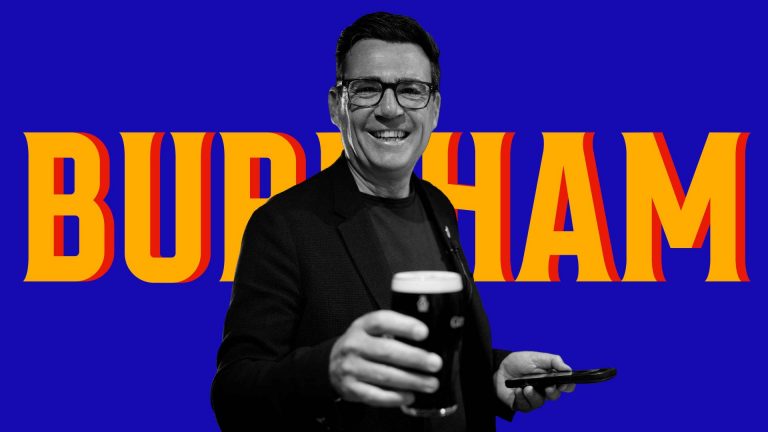

How Gen Z fell for Andy Burnham
Kyle, who examines the badly poured pint of Foster’s that Burnham has just served with the expression of a man uncovering an unexpected budget deficit, asks if this is the start of a leadership bid.
“At the moment I’d settle for becoming competent at pouring lager,” he replies.
They chuckle. Unlike the man everyone knows he wants to replace, Burnham can’t avoid giving the impression he has communicated with other humans before. It is an electrifying political gift.
“What do you think about England’s chances tonight, Andy?” asks another.
“I reckon Rashford will belt one in off the bench,” he says. His audience nod in a considered manner. “Although, I’m more of a rugby league man. So the real World Cup is in October.”
It is a telling reply. Everyone here believes rugby league is the sport of the north. Kenny, a postman, complains about the RFL running the game into the ground.
“It’s a national treasure being administrated by crooks and idiots.”
“Hang on, are we talking about the Challenge Cup, or Westminster?” quips Burnham. The line is almost too good. There is a beat. Then the joke lands. In this feral political climate, it is quite something to watch a politician charm people.
“Not bad for a Leigh fan, Andy, not bad” says Kenny, in that world-weary way people compliment others when they can’t think of a joke themselves.
“You’re not a Wigan fan, are you?” says Burnham.
“Guilty, I’m a Pie Chucker” says Kenny, gratified that Burnham has given him the opportunity to do a joke himself.
A scaffolder called Carl, who doesn’t like football or rugby league, returns from the bathroom having missed this repartee, sits down, and says, “So what are you going to do to Stop the Boats?”
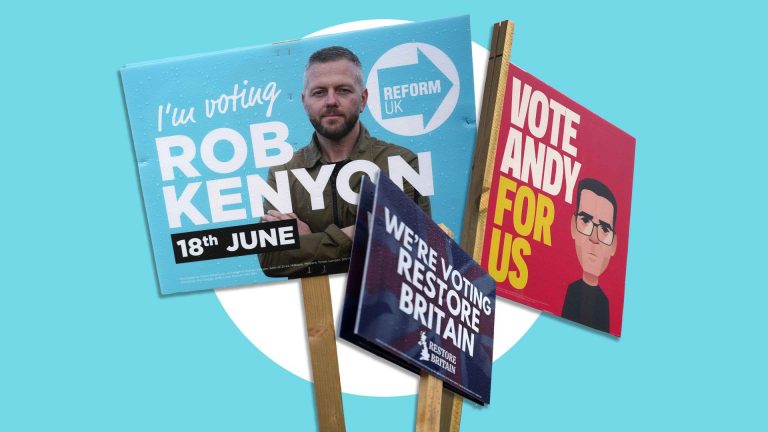

The phrase is always delivered here, with the urgency of a nation under siege. Even if in Wigan, a town bisected by the Leeds and Liverpool Canal, the biggest threat presented by people on boats comes in the form of retired couples from Skipton trapped in a lock while repeatedly failing to throw a muddy rope to each other from boat to towpath.
Burnham’s rivals in Reform UK and Restore Britain have become expert at converting perceived threats into existential ones. Simplifying complexity into menace may be the defining political trick of the age, and one that the landed political class has yet to learn how to counter. If Burnham is going to realise his ambitions, he is going to have to work this out.
“We need to get a grip on illegal migration, we need tougher enforcement, we need more detention and removals, and we need to overhaul the distribution of asylum accommodation.”
It is a politician’s answer, and Carl recognises it straight away.
“You’re all the same. I’m voting for Rupert Lowe. He means it.”
One cannot escape the idea that Burnham, like so many of his colleagues, has been pushed onto this ground and is now saying what he thinks people want to hear, rather than letting them hear what he wants to say. It is defensive politics, at odds both with the authenticity he wants to project and, as he steps out from behind the bar, the fearlessly short Sondico shorts he is wearing.
“He’s not standing here” says Burnham.
“You know what I mean,” says Carl. “I don’t want to be replaced in my own country.”
“Nobody wants to replace you in your own country,” says Kyle.
“I do,” replies the landlady, Michelle. “He’s got a tab the size of Widnes,” she tells our photographer, who is busy shooting a large red pink neon sign reading “artisan” beneath a wall of black-and-white photographs of miners.
“I’m getting paid on Friday.”
“You said that last week and then spent all your money on flags.” She points accusingly, and we all look through the UPVC conservatory where the dining area is located, towards a roundabout where municipal lamp poles are adorned with ten-foot St George Crosses flapping amateurishly from cable ties.
“It’s England. We’re English.”
It is an interesting cultural point. This is England and they are English. For most of the year, the St George’s Cross remains the banner of the committed nationalist, fluttering over the occasional bungalow in a state of permanent cultural emergency.
Suggested Reading
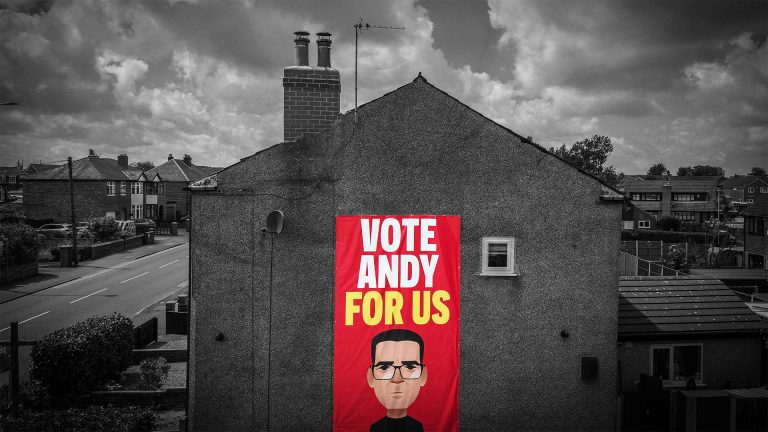

The foreign policy-shaped hole in Burnham’s CV
But as the warm current of international soccer sweeps the country, it spreads across semi-detached houses from St Ives to Spennymoor. England is not a fixed thing but a moving front: a place capable of electing Reform candidates on Thursday and singing the name of Bukayo Saka on Saturday.
Burnham has to leave. He has appointments at Annie’s Crystals and Stones, where spiritual enlightenment is available at high street prices, and Ince Rose Bridge Rugby League Club, where men built like coal seams represent an industrial past preserved chiefly in pub décor.
Effortlessly campaigning in places that Westminster aides remember only when colouring in electoral maps, Burnham will glide through it all. And Keir Starmer is watching.
Somewhere in Westminster there is the faint unease of misread strategy. Birnam Wood, it turns out, arrives not as an army but as infrastructure: a regional housing plan here, a discussion about tram integration there, a mayor equipped with municipal competence rather than swords, he advances all the same.
Burnham does not like to present himself as an insurgent, but in an era when competence has become a kind of witchcraft, routine administration seems radical.
If politics were rugby league, Burnham is the ex-captain reluctantly stepping up in an unforeseen crisis – the veteran who says he isn’t interested in the game any more, while standing on the touchline in full kit, with his boots already laced.
For more world exclusives from Henry Morris, read his Substack
 Most popular
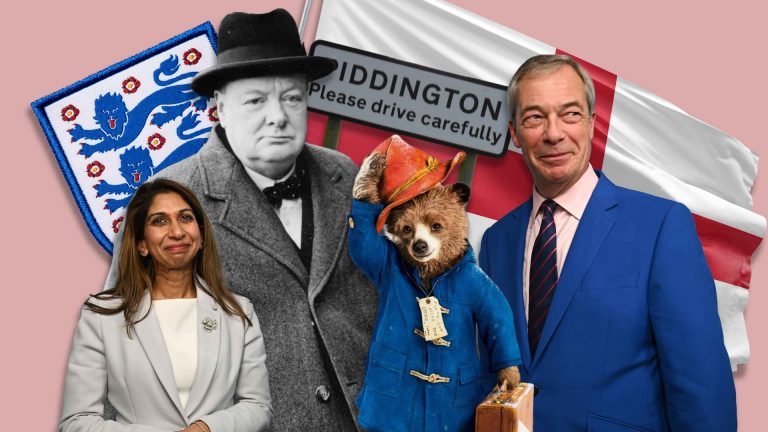

Churchill, the Beatles, St George: All the English heroes who aren’t actually English
The New World at 500: Independence isn’t our marketing slogan. It’s our business model
The problem is they just don’t care about us any more
Sorry Nigel, but the polls show you’ve had it