“No way! Andy Burnham signed @politicsprincess’ BuzzBallz at the Ashton Wetherspoons? He’s the GOAT!”
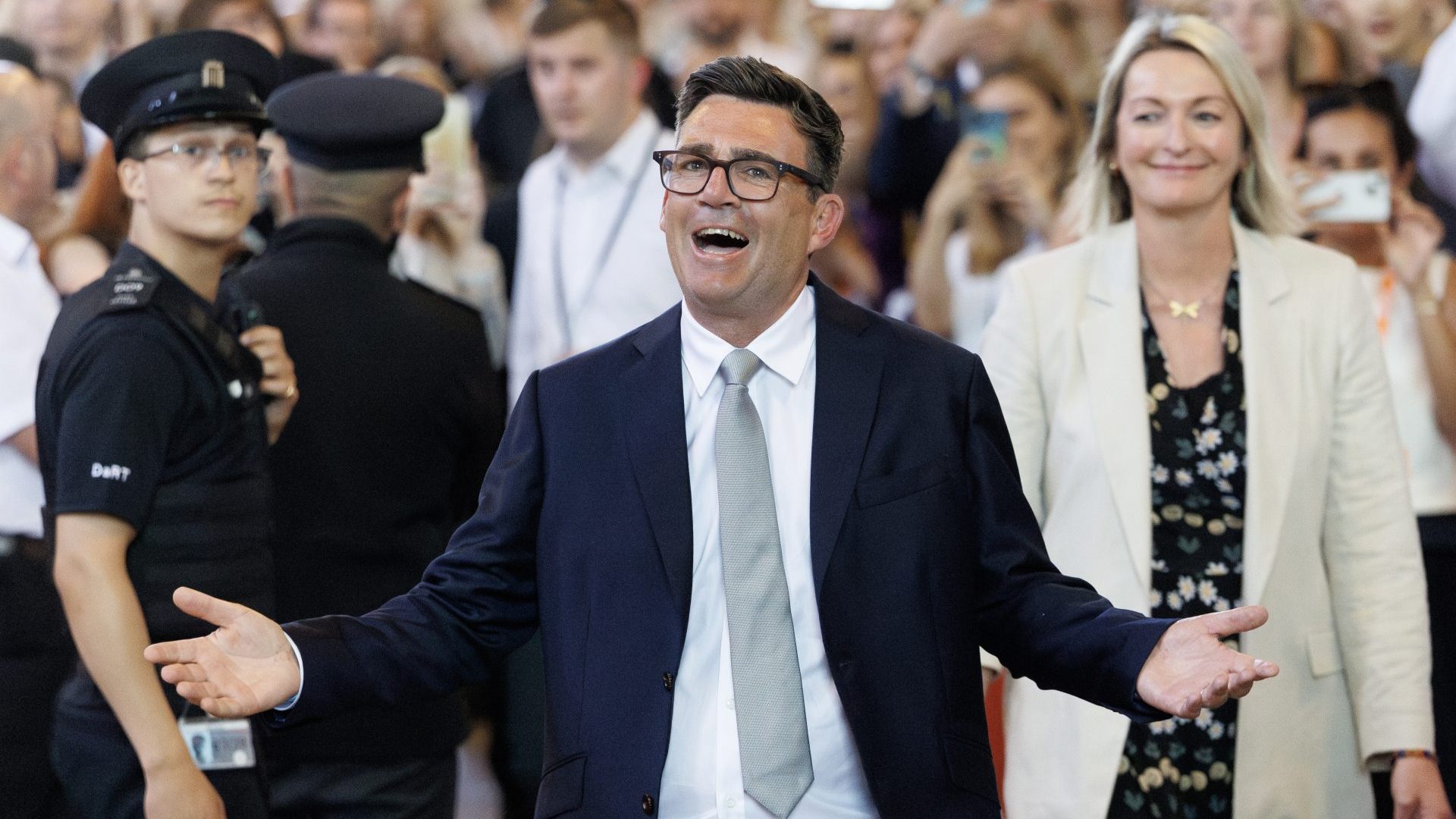
No, dear reader, your drink has not been spiked. The paragraph above is merely a reflection of the way Gen Z has swung behind the recently elected Makerfield MP and probably next British PM.
We are often dismissed as a politically apathetic generation, more interested in refreshing our social media feeds than casting a vote. But that misses the fact that modern politics increasingly lives in those feeds, a dynamic also visible in places like New York with figures such as Zohran Mamdani.
While the Makerfield by-election still relied on the traditional machinery of canvassers and door-knocking, it also featured a second front; the air war. Labour has recruited the TikTok editors.
Among the most prominent of these editors is 18-year-old Ellen Stewart, better known online as politicsprincess. Her videos have amassed hundreds of thousands of views, and she forms part of a loose network of Labour-supporting Zoomers who have, in recent months, dedicated their time to making Andy Burnham edits.
“The Andy edits started very organically,” she told me. “We’d been making them since December, and when Josh Simons resigned, Andy’s digital comms team reached out to see how they could help.”
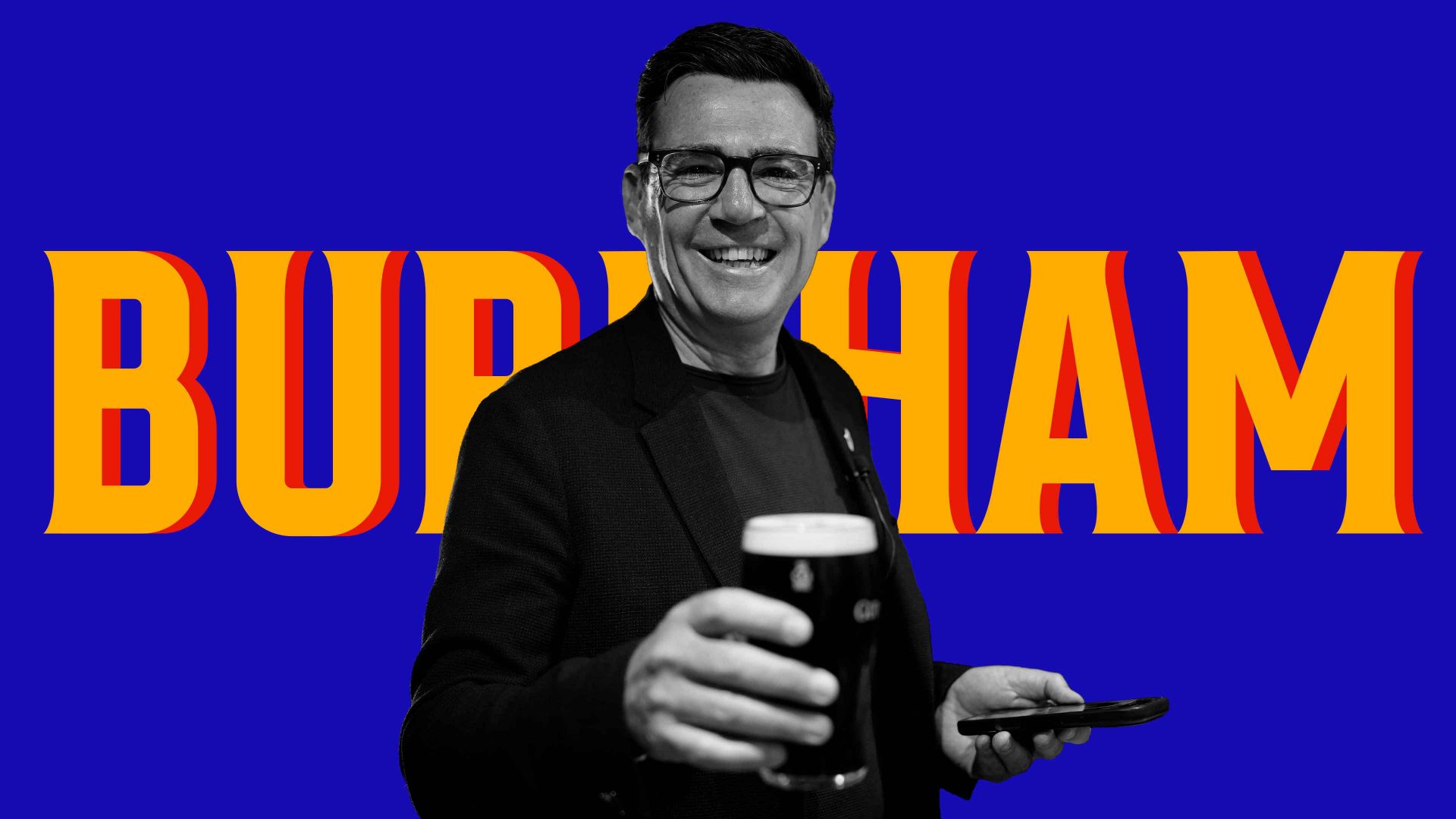
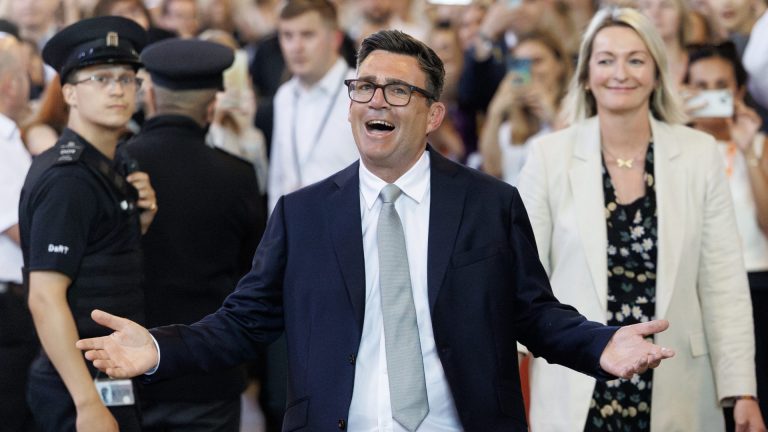
Ellen and her fellow editors also went campaigning in Makerfield, where several met their political heroes in person, resulting in the surreal sight of Burnham signing BuzzBallz (cheap alcoholic drinks) in a local Wetherspoons. This tells us two things: Burnham’s team understands how young people engage, and young people are genuinely enthusiastic about him.
Many people see Burnham as a politician who understands ordinary people because he projects that image more naturally than Starmer. For example, Starmer is the biggest football fan we’ve ever had in No 10. Yet when discussing the topic, he manages to sound like he just looked it up on Wikipedia.
Burnham does not suffer from this problem: he can speak with passion and authority without sounding like he is reading off an autocue.
In many ways, Burnham resembles the kind of political figure currently emerging elsewhere on the centre left. He is 22 years older than Zohran Mamdani, but like the New York mayor, he combines political experience with an ability to appear culturally fluent.
Suggested Reading

Andy Burnham v London
Neither man is remotely anti-establishment in any meaningful sense, but both understand how to communicate as though they exist outside the political class. Both have a culturally rich city at the centre of their political branding, and both attract a form of support that takes a light, playful form online.
When Kemi Badenoch described Burnham as nothing more than “a pair of eyelashes and a black T-shirt”, Burnham responded with a video of him batting his eyelashes at the camera and saying “it’s dark blue actually”. Not only did many users online say that he had “mogged” Kemi (mogging means being the best-looking person in a situation) but the top reply on Instagram stated “Andy is going to Mamdani the lot of them”.
Burnham understands how people consume politics and politicians in 2026. As one X user put it: “Farage gets it. Trump gets it. Mamdani gets it. The slow kids are still practising their adenoidal speech delivery and the shitty lines their SpAd wrote for the World at One”. But what sets Burnham apart from the Trumps and Farages was taking a mean-spirited comment from Badenoch and turning it into an opportunity for humour and restraint.
To Westminster veterans familiar with Burnham’s long career, his online persona can feel contrived and performative. To plenty of less cynical people, it mostly feels authentic, and it works.
We like a bit of political mythology, and even though many of the memes surrounding Burnham since his by-election victory have come from people on the opposite side of the political spectrum, they still tend to revolve around the same themes: Stone Roses, pints, Northernisms. Burnham has a brand, and what’s more, it’s one that doesn’t seem to depress people.
This is, again, similar to Mamdani. When the New York Knicks were fancied to complete a four-game sweep of the NBA championship series recently, this chant spread across the city (and the internet) like wildfire: “My mayor Muslim, my bagel Jewish, my Christian Dior, Knicks in Four.”
At a recent World Cup watch party, I asked a group of Labour-voting twentysomethings whether they genuinely believed in Burnham or had simply lost faith in Labour altogether.
People talked of how he stood up for Manchester in lockdown, they said he seems “cooler” than other politicians. And crucially, most of them had committed themselves to voting Green in 2029, but said if Burnham was Labour leader, then they’d stick with Labour.
For months, people who’ve worked in and around politics have snarked and eyerolled at suggestions that Burnham is some kind of magical saviour when he couldn’t even beat Corbyn in 2015, or that he is in any way an “outsider”, considering he went to Cambridge and served under Tony Blair and Gordon Brown.
But politics has long since entered the age of optics. For example, smarmy “insiders” like to write things like: “How can all these working-class people support Farage? Don’t they know he went to private school?” Spoiler alert: they do know, and they do not care.
Suggested Reading

The hidden dangers that could wreck Andy Burnham: The Movie
Likewise, young people do not really care that Burnham is more middle class, more Westminster bubbly, and more of a political chameleon than Starmer – because he can sell a political message, a political idea, that much more effectively.
In an era where people seem to love nothing more than complaining about being disappointed by those in power, Andy Burnham may have stumbled upon the most valuable electoral asset of all: people genuinely want to believe in him.
However, we shouldn’t stretch the Mamdani comparison too far. Mamdani’s success in New York is, yes, in large part due to his personability, but it is also rooted in his work since becoming mayor – rent freezes, universal childcare, filling the potholes, to name a few.
And, not to discredit him, but politically speaking it is relatively easy to be popular as the mayor of a productive, affluent city that concentrates wealth, talent and economic dynamism, while exporting the costs and complexities of governance elsewhere. Burnham, more than anyone, should know that.
If he does make it to No 10, he will not inherit a thriving metropolis but a country grappling with an overstretched NHS, stagnant growth, creaking public services, mounting geopolitical instability and a resurgent populist right. Whether Burnham’s rock star appeal can survive that transition remains an open question.