What would an Andy Burnham premiership look like for UK-EU relations, and for foreign policy more generally?
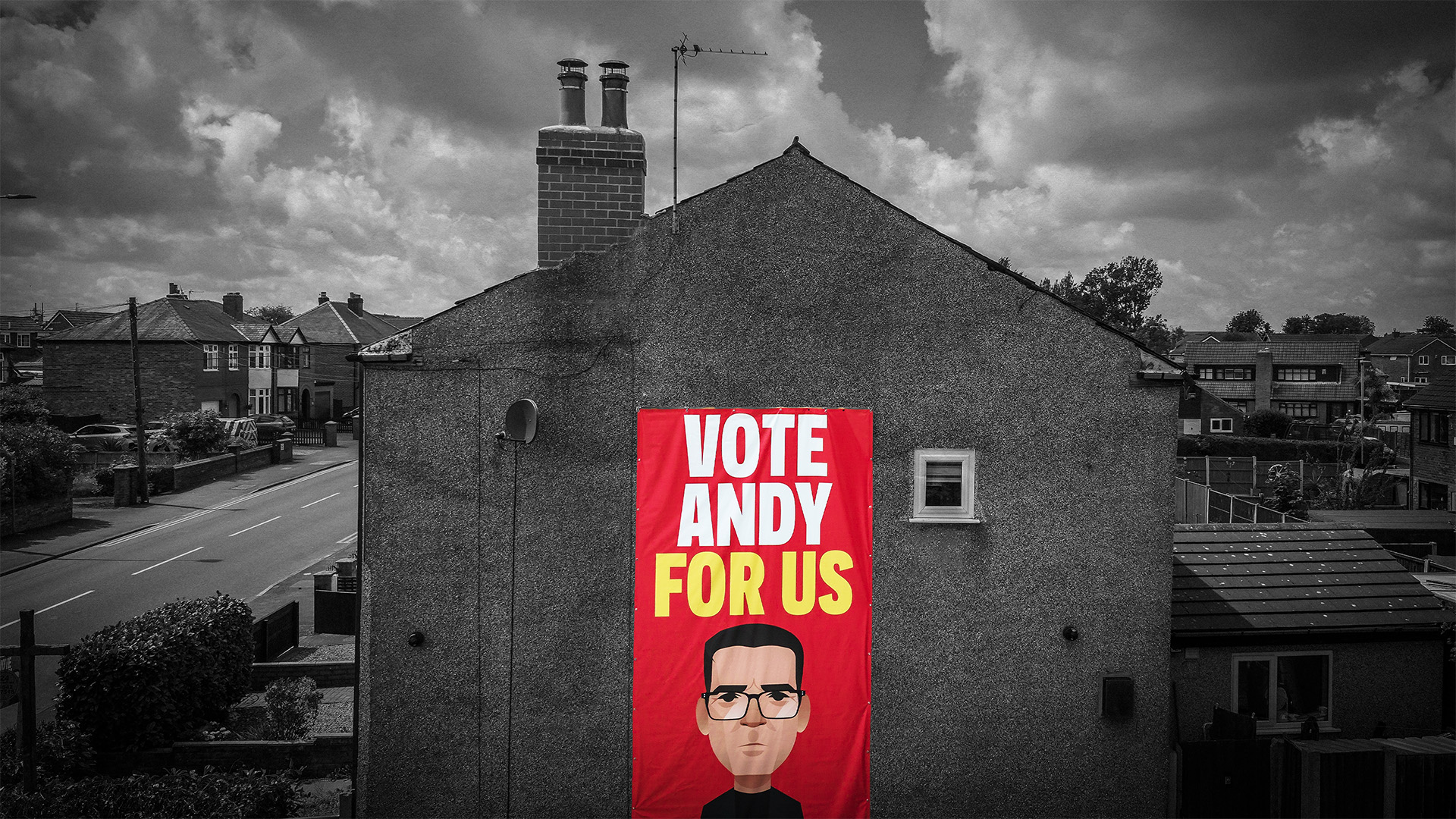
The Greater Manchester mayor has triumphed in the Makerfield by-election, sending him back to the House of Commons to launch his scarcely-concealed coup against Keir Starmer. Succeed in that, and he’ll be the UK’s seventh prime minister in a decade.
Burnham would be attempting his hostile takeover at a time of dangerously uncertain times internationally. And he has no foreign policy experience whatsoever.
Recent PMs have tended to come with some proficiency in international affairs. Starmer served a largely unhappy three-and-a-half years as Jeremy Corbyn’s shadow Brexit secretary, his biggest moment of note being giving a personalised Arsenal shirt to Michel Barnier (because Starmer likes football. Did you know that? He likes football).
Both Boris Johnson and Liz Truss had been foreign secretary, learning zero about diplomacy and respect for international partners in the process.
Of recent prime ministers, perhaps only Rishi Sunak had Burnham’s total lack of experience in the area. His response to this was to, in effect, contract out foreign policy, most remarkably to David Cameron, the very man whose lazy insouciance had helped to cast Britain out into the international wilderness in the first place.
Suggested Reading
A history of Brexit in 256 disasters
Burnham’s outward lack of interest in international affairs has led to suggestions he might similarly delegate diplomatic lifting to an active foreign secretary, most mischievously to Starmer himself, who is generally considered to be an effective operator on the global stage, if nowhere else. Others would expect him to decline a position in a Burnham government to concentrate on a Ted Heath-like sulk on the backbenches.
But if not, then what? There is so little in the public realm about what Burnham’s attitude to foreign policy is that Kremlinologists are forced to divine what he thinks about, say, Nato from his policy of taking Greater Manchester’s buses into public ownership and painting them yellow.
Here’s what we think we know from his public pronouncements. A Burnham government will, in likelihood, focus on domestic priorities and economic pragmatism, with scepticism toward unilateral foreign interventions (he has described voting for the Iraq war in 2003 as the worst experience of his first time round as MP).
A source who has worked with Burnham told Politico last month that he would do the “bare minimum” of foreign policy if he becomes PM. “I think Andy would be the complete opposite [of Starmer] and want to do as little foreign travel as humanly possible,” they said. Burnham himself has said there was a need for a “relentless domestic focus in this period”, saying: “Let’s fix our own country.”
As much as he might have an ideology towards international affairs, it’s likely to be as pragmatic as he is domestically: not a Trumpist “Britain First”, perhaps, but with an eye on what benefits the UK economically.
Another person who has worked with Burnham predicted he would see defence through the lens of “an industrial opportunity” for investment, rather than geopolitics, and it is telling that, unlike many on Labour’s soft left he has been in favour of defence spending as an area of highly skilled employment.
Suggested Reading
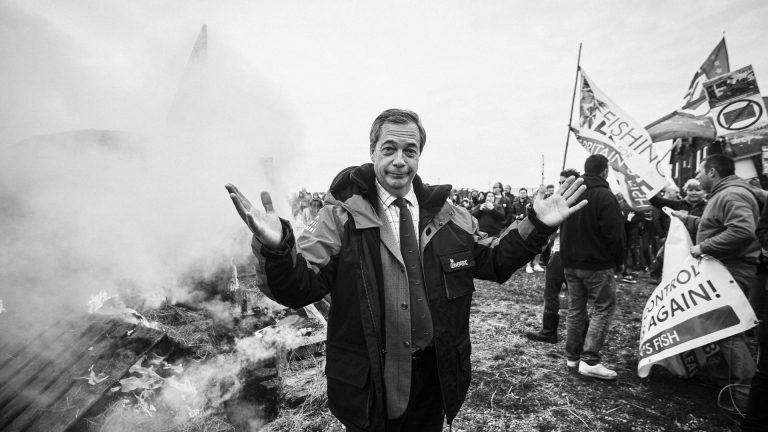

Let’s make Farage wear Brexit like a badge of shame
Beyond that, though, what? On the Middle East he has been a long-term supporter of a two-state solution in Israel and Palestine – although that ship has long sailed – and was one of the first high-profile Labour politicians to break ranks and call for a ceasefire in October 2023. He also urged the UK government to formally recognise a Palestinian state, though has declined to describe Israel’s actions as genocide.
He has supported Starmer’s handling of the Trump White House, telling the Guardian earlier this month: “Obviously, the relationship is important to the UK, but not to the point where we just go along with anything they say. We’ve got in trouble in the past when that happens. I think the approach that Keir has taken is the right one.”
And – most pertinently to readers of The New World – we know that while he previously expressed hope that the UK would rejoin the EU in his lifetime, he has since stated that re-running Brexit would be a divisive mistake.
That was almost certainly to counter Reform in Makerfield, which overwhelmingly voted for Brexit in 2016, although, as we reported earlier this week, many there have buyer’s remorse and would be open to supporting a Remain-backing candidate.
The only known known we have regarding Burnham and the EU is that he would continue Starmer’s approach of gradually improving relations on an area-by-area basis.
And after that: what? We may be about to see a prime minister enter Downing Street of whom we have no idea what he thinks about the European security burden, about managing a more assertive China, about international development, about migration and regional partnerships. We’re almost certainly about to find out – unless, of course, he doesn’t know either.
 Most popular
Emily Maitlis’s diary: As I was saying to George Clooney just the other day…

Why Slavoj Žižek probably hates you
There’s only one reason Trump went to Ireland – it wasn’t to meet the Taoiseach

A new film about Elon Musk reveals him as so awful it’s almost tragic. Almost