
On one level, the economics of a global energy supply shock are very simple. If the volume of oil available on the world market falls by somewhere between 10-20%, then the price of the remaining barrels will rise. This tends to push prices up, reduce overall economic output and redistribute income from energy consumers to energy producers.
The end result is lower economic growth and higher inflation globally. Though Trump has recently described the US as “roaring”, America is not insulated from what is to come.
The impact of the prolonged closure of the Strait of Hormuz will vary by country with two major factors explaining much of the variation. The most obvious being whether a country is a net exporter or a net importer of energy. Exporters benefit from higher prices while importers are burdened with more costs.
Suggested Reading
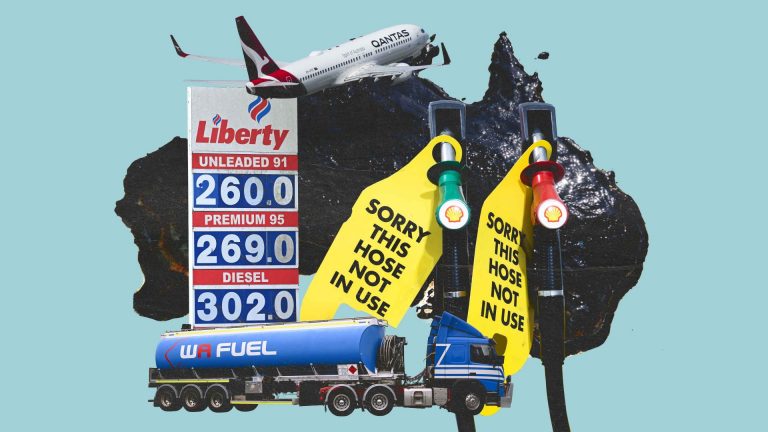

The Iran war has taught Australia a new, brutal truth about itself
Equally important though is whether a country is rich or poor. The worst hit countries will be poor importers, as these can be effectively outbid for sparser energy supplies by their rich world peers. Places like Pakistan, Bangladesh and the Philippines will feel the worst economic pain. Rich world energy importers – the UK, much of Europe, the advanced economies of East Asia – will be hit hard but are better able to weather it.
In recent years following the shale oil and fracking revolution of the 2010s, the US has also become a net energy exporter. The country’s enormous wealth means that, on both the crucial variables, it sits on the right side of the line. In other words, there are plenty of reasons to expect the US to feel much less economic pain than its supposed allies in Europe and Asia as a result of its war of choice in the Middle East.
Suggested Reading


The truth about Trump’s Iran downfall? The worst is yet to come
When the International Monetary Fund set out its new global forecasts in early April it slashed its estimate for British growth in 2026 from 1.3% to 0.8% and cut its forecast for Germany from 1.1% to 0.8% but its central estimate for the US nudged down only slightly, from 2.4% to 2.3%.
Mostly this reflects the simple fact the US is not reliant on the Strait of Hormuz to meet its needs. The loss of Qatari Liquefied Natural Gas (LNG) exports has sent the price of natural gas soaring in Asia and Europe, but domestic natural gas prices in North America have actually fallen since February.
Still, it would be wrong to assume that America is somehow immune to the wider economic fallout from the war. For a start oil, unlike natural gas which is tricky to move, trades and is priced on a global basis. The loss of supply from the Gulf nations has pushed up the price of American produced barrels too. And while that may benefit American oil firms, there are many more oil consumers than oil producers in the US.
Petrol prices have soared in recent weeks. The average national price of a gallon of what Americans call gas rose from under just $3 in late February to almost $4.50 by early May, the highest level since 2022. A record high price of over $5 a gallon seems very possible in the weeks ahead. With the traditional driving season, when road miles begin to pick up sharply, due to begin on Memorial Day weekend this month, many Americans will be feeling the pinch.
Suggested Reading


The most unwelcoming, expensive World Cup in history
Higher oil prices have jolted American inflation higher and led to a change in expectations about the path of interest rates. Before the war, financial markets expected the Federal Reserve, the US’s central bank, to be cutting rates by this summer. Now most analysts expect it to hold rates steady and more than a few are debating the prospects of hikes.
President Trump hoped to push an “affordability” agenda ahead of the midterms in November but is instead now trying to explain why higher gas prices and more expensive mortgages are worth the pain.
Alongside the domestic pain from higher oil prices, the US cannot escape the fallout from the wider global economy. While America may be a net energy exporter, most of its trading partners are not. As the price of oil goes up, many of the manufactured goods that the US imports will become more expensive to manufacture and to distribute. Prices will rise. That will put more pressure on American consumers.
US stock markets, buoyed by continuing optimism about the prospects of AI driven profits for the dominant tech sector, have outperformed their global peers since the war began.
And the US economy, as a rich energy exporter, is far better placed to weather the closure of the Strait than much of Europe or Asia. But it is not immune to the economic damage from the energy price shock that president Trump has unleashed.