The roar will shake the Estadio Azteca on June 11, when Mexico run out to open the 2026 World Cup against South Africa. A day later, Toronto’s BMO Field will cheer on Canada as they face Bosnia and Herzegovina. There will be smiles, chants, joy and, hopefully, goals.
But we are kidding ourselves if we think these games will be what this tournament is all about. Though two of the co-host nations will stage 13 matches apiece, the third is hosting the remaining 78 of an extended finals that is already guaranteed to be the most lucrative sporting event in history. And it is Donald Trump’s exclusionary America.
When the tournament was awarded to the three countries in 2018, foreign fans might have hoped that eight years on they would be heading for a US in celebratory mood, ready for its 250th birthday on July 4. Instead, concerns about costly visas, strict border interrogation and – if they manage to make it on to US soil – exorbitant pricing have spoiled the party.
Already facing a “Trump Slump” in general tourism, with visitor numbers falling 5.4% last year, the anticipated World Cup travel boom has yet to arrive. Horror stories abound, of stadium beers costing $20 (almost £15) apiece, of train tickets from Manhattan to New Jersey for the final being raised from the normal $30 to $150, of $300 parking fees on top of already excessive ticket prices, of hotels in Dallas, Miami and Atlanta putting the cost of rooms up by 300%.
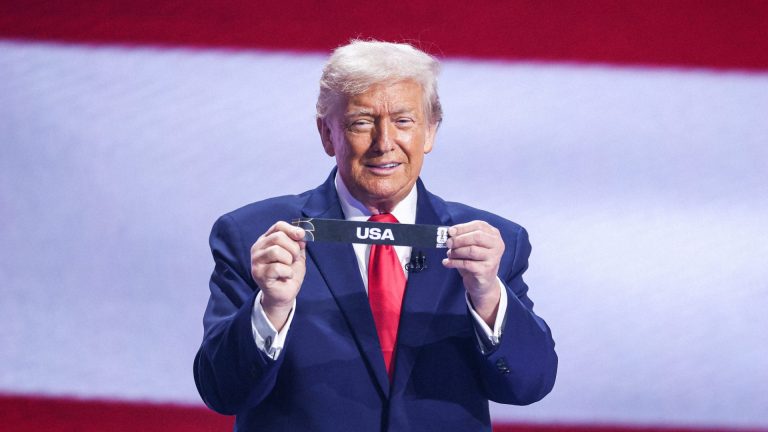
Perhaps just as off-putting as upturned prices in an economic downturn is the spectre of Trump himself, who has insulted, tariffed or both some 47 of the 48 nations at the finals. These include co-hosts Canada, which he dismissively calls “the 51st state”, and Mexico, which he says is a land of drug dealers, criminals and rapists.
I would bet that all 48 nations are represented in the junior weekend league here in Maryland, where my sons play.
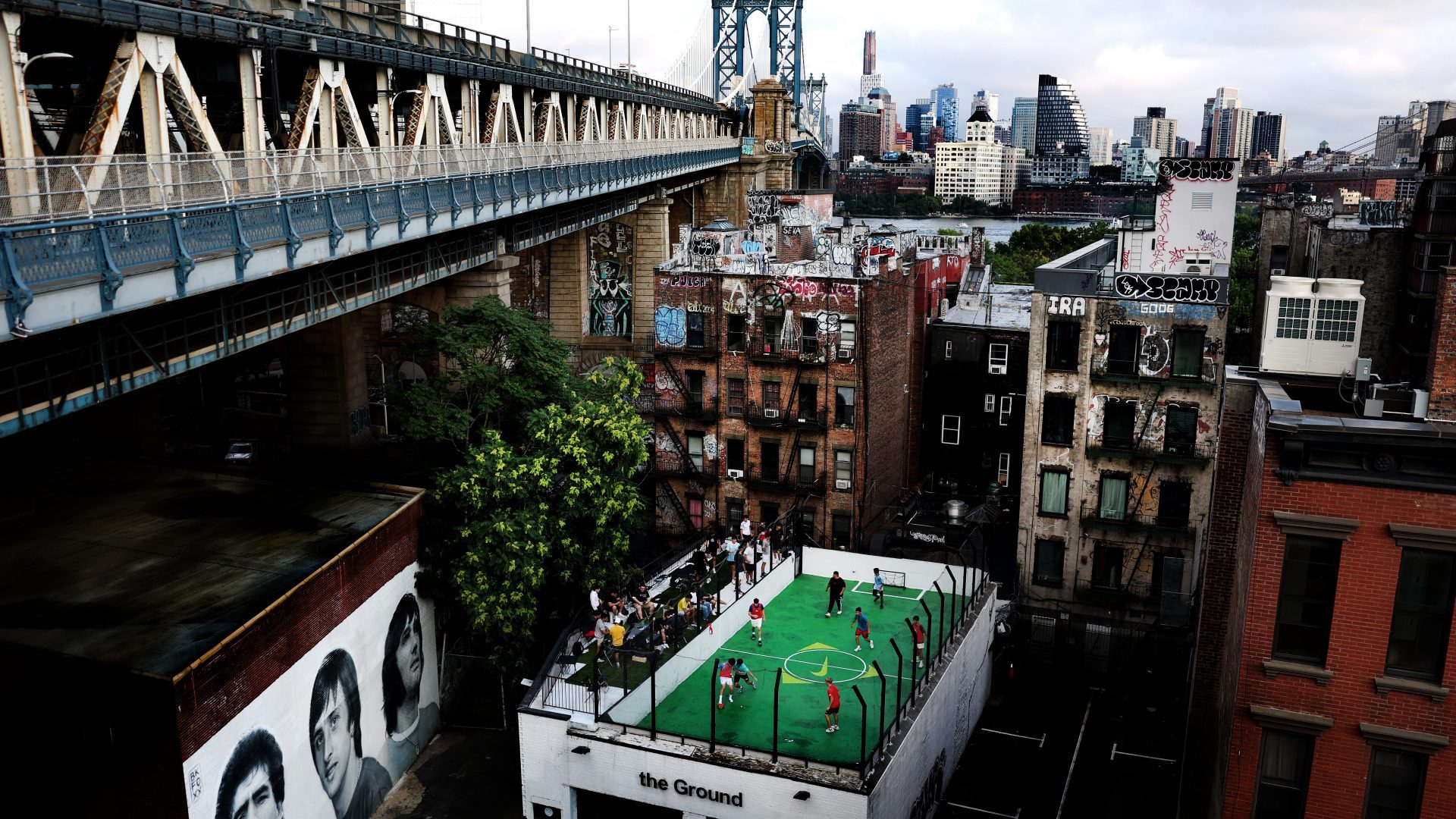
That’s where you will find me most weekends, cheering them on. The other players, and their parents, are a snapshot of the American footballing public. They represent a huge swath of different socioeconomic and ethnic backgrounds.

This is what football in America really looks like. At the last game, I counted at least 10 nationalities in my eldest son’s team. Their opponents were equally diverse.
Many of the teams’ coaches shout in Spanish, reflecting the passion for the game among Hispanic communities here. One club in the league is made up entirely of kids of Ethiopian descent, and is supported by a non-profit firm dedicated to helping underprivileged children access sports.
As well as importing their love of football to a country which took a while to warm to it, there are other reasons why migrant communities flock to the sidelines every week. As with everything in America, “it’s the economy, stupid”, and parents are constantly calculating how much investment in kits and travel is worth the chance of a sports scholarship to a good university.
And around the world right now, similar calculations and sacrifices are being made in honour of the beautiful game.
“We’ve had stories this week about a guy who’s got a vintage record collection, sold it for £3,500, then realised they still don’t have enough money to go to the World Cup,” says Paul Goodwin, co-founder of the Scottish Football Supporters Association.
Scotland has qualified for the World Cup for the first time since 1998, and Goodwin said they estimate 23,000 members of the Tartan Army will be heading to North America to try to watch their team. But, just like many of the kids from my sons’ football games, many of those travelling fans can’t afford the tickets.
While Fifa’s dynamic pricing model has made it difficult to put an average cost on the tickets, they are without question at record highs. A “Category One” ticket for the final will cost you more than $10,000.
Suggested Reading

It’s football, but without the oligarchs
During their joint bid to stage the tournament, the US, Canada and Mexico said finals tickets would cost no more than $1,500. But now, people are shelling out thousands, even for the group stage matches.
The sports site ESPN recently did the calculations for a hypothetical US fan who followed their team all the way to the final (spoiler alert: this is unlikely) and estimated the cost of attending all those games as being $34,525. If you are an overseas fan, you now have to factor in not only the soaring costs of airfares but also visa fees.
“We’ve known lots of [Scotland supporters] who immediately said, right, I’m going, I always go, we’ve waited 28 years, then suddenly, when you work the numbers, you can’t be putting stuff like that on three credit cards,” says Goodwin.
“If we’re feeling like that in Scotland and England, what are they feeling in the Ivory Coast or Haiti or Algeria? The cost involved for them as a proportion of GDP – it’s just astronomical.”
For fans of those teams, the ticket price is not the only barrier to travelling to the US. Since coming to office, Trump has launched a multifaceted crackdown on migration, targeting not only people currently living in the US but also imposing strict visa requirements on visitors from many lower-income nations.
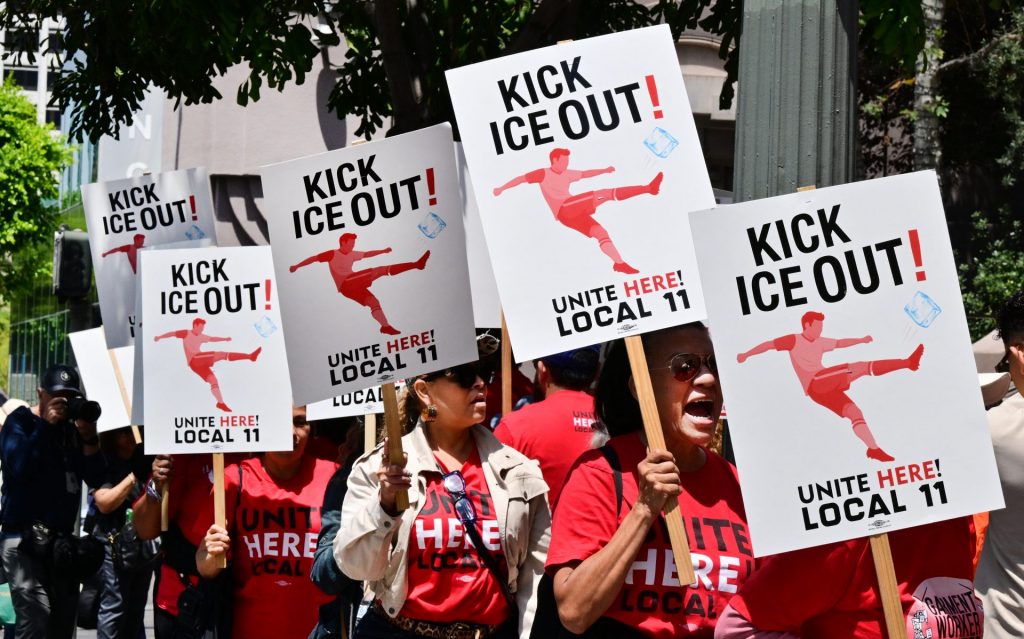
The drag-net campaign by Immigration and Customs Enforcement (ICE), which has detained tens of thousands of people and brought terror to migrant communities in the US, was focused on people seeking immigrant visa status. But these other restrictions have been placed on tourists.
Citizens of 50 countries must now pay a $15,000 “bond” to secure a tourist visa. This includes five countries that are competing in the World Cup: Algeria, Tunisia, Cape Verde, Senegal and the Ivory Coast. The money is refundable when the individual returns home, but such an enormous downpayment is beyond the grasp of most people in these nations.
“The minimum wage is about $100 a month in Algeria, so this bond is exorbitant, not even to add the price of a game, flight ticket and additional expenses,” an Algerian friend here tells me. She also revealed that no one she knows will attend the tournament.
Cape Verde, an archipelago of 10 volcanic islands about 350 miles off west Africa with a population of 525,000, has qualified for the World Cup for the first time. That joy has been tempered by the realisation that very few people will be able to go.
Another nation that has qualified represents a different set of questions: Iran. It remains unclear whether the team will end up travelling to the US. At one point, the Trump administration suggested that Italy, who did not qualify, might be brought in to replace them.
But Fifa president Gianni Infantino, ridiculed for awarding Trump the inaugural Fifa peace prize, has insisted that Iran will play, even though Iranian soccer federation officials have been denied permission to attend Fifa-linked events in North America. What is certain is that no Iranian fans will be able to travel to watch their team – Iran is one of 19 countries under a full Trump travel ban, with no visas being issued.
There are plenty of Iranian Americans ready to cheer them on, but for another country facing the wrath of the president, their fans living in the US are in no mood for celebration. Against the odds, Haiti qualified for the World Cup for the first time in 52 years. They played their qualifying rounds 500 miles away from home on the island of Curaçao, because of the violent unrest gripping the Caribbean nation.
Suggested Reading

Should we boycott Trump’s World Cup?
That jubilation at qualifying is tempered by anguish and frustration. Haiti is also under a full US travel ban. Meanwhile, many of the nearly one million Haitians living in the US are in limbo, as Trump tries to remove the temporary protected status that has allowed around 350,000 Haitians to live and work in the US while their country remains too unsafe for them to return.
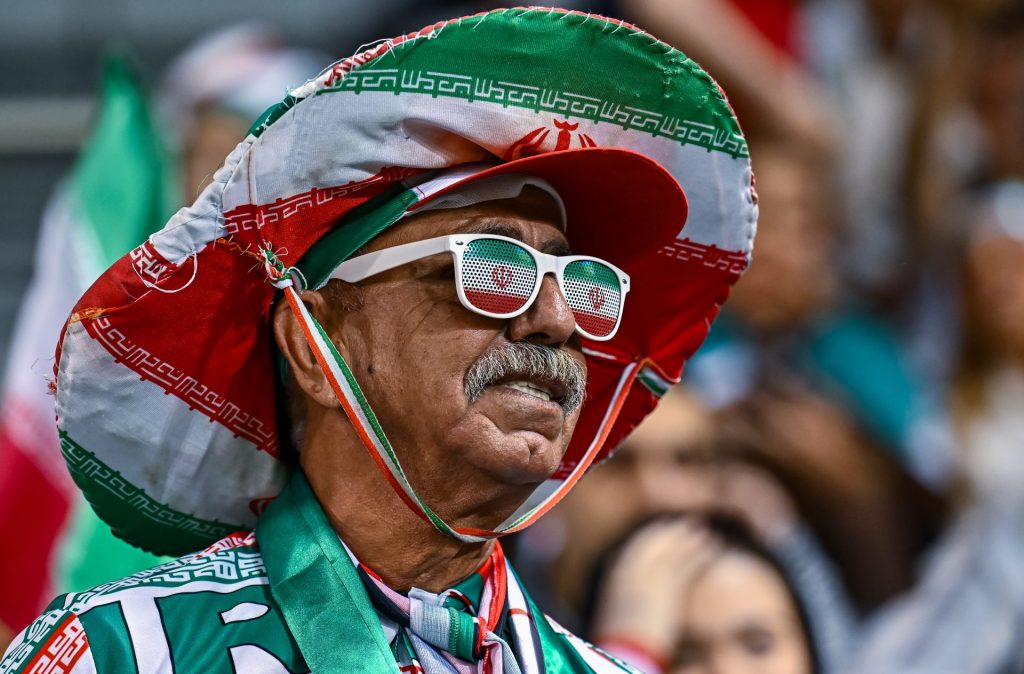
between Qatar and Iran in Doha. Photo: NOUSHAD THEKKAYIL/NURPHOTO
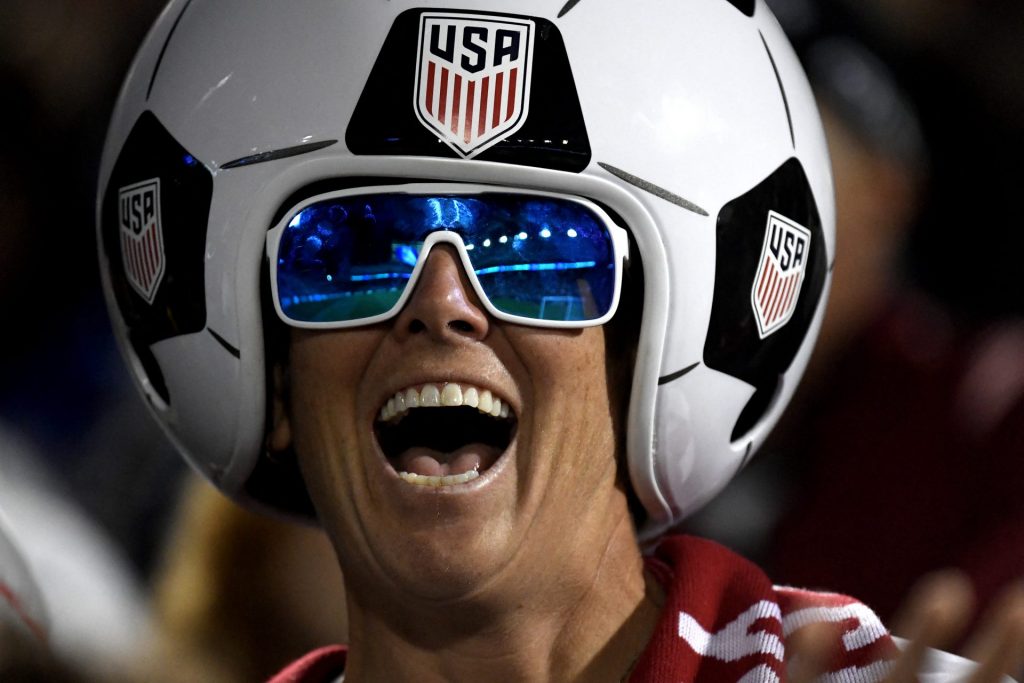
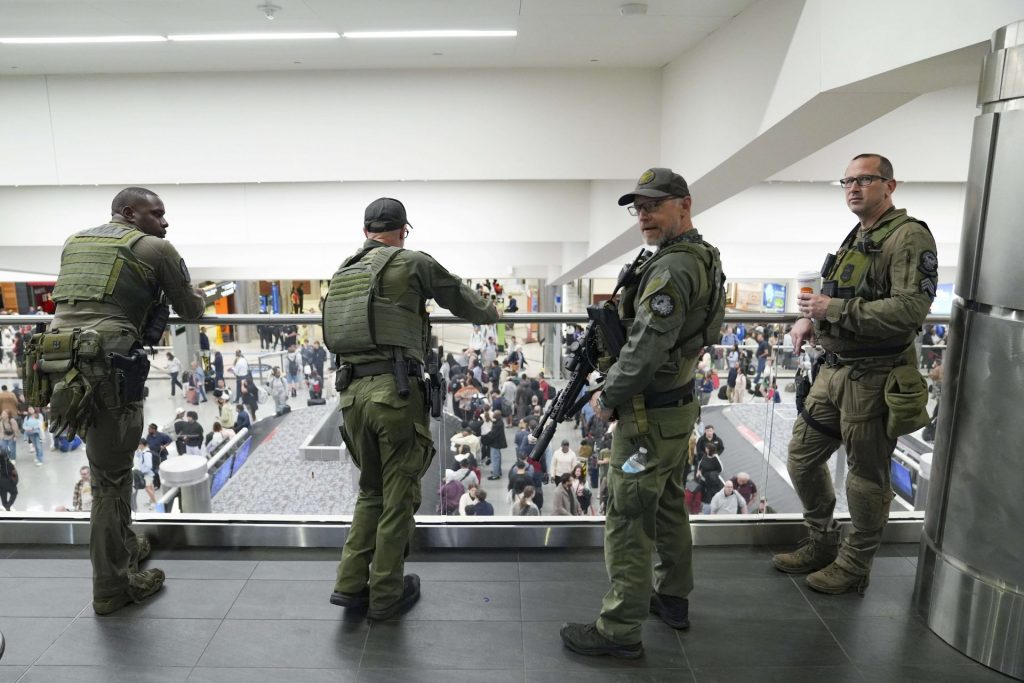
For overseas visitors who do get visas, they could face confrontational immigration and customs officers demanding to see social media accounts when they arrive. Any politically unacceptable comments online could result in being put on a flight straight back home. For people of migrant backgrounds living in the US who can afford tickets, there will be the added sense of alarm that comes from the presence of ICE agents at games.
Exactly how this is going to affect attendance is unclear. Fifa has said that 5m of the 6m allocated tickets have been sold. But many of these tickets are going to people already in America, who are used to paying exorbitant prices.
The predicted tourism boom appears not to have happened. Hotels in host cities that jacked up their prices are now slashing those rates as the expected bookings fail to materialise.
“There was a bit of a misread,” says Alan Fyall, associate dean at the Rosen College of Hospitality Management in Orlando. “From Europe, I think it’s primarily a pricing issue. From South America, it’s primarily a visa issue, so you’ve got a combination of things – and then you throw in the geopolitics.”
But Fyall does not think fears over ICE raids or security will keep the most ardent fans away. He ended up in Orlando via Scotland and then Southampton, and as both a Tartan Army and Saints supporter, he can testify to the irrational passion that drives the football fan.
“The pull, the draw of soccer, if you’re a really deep-rooted fan, that stuff doesn’t really matter,” he says.
So come June, the stadiums will most likely be full. There are plenty of people living in America – myself included – who have not bought tickets yet and are waiting to snap up some dynamic pricing bargains at the last minute, just to experience the once-in-a-lifetime event (I’ve got my eye on Curaçao v Ivory Coast).
Despite all the best efforts of the current administration, the US is a country of immigrants, and every single nation in the World Cup has a sizable community here who will fill the stands and bring the joy. “We know when the first whistle is blown, when it comes down to the beautiful game, it will be about the football and the excitement,” says Goodwin.
But for many, it will also be about watching your wallet – and looking over your shoulder.