
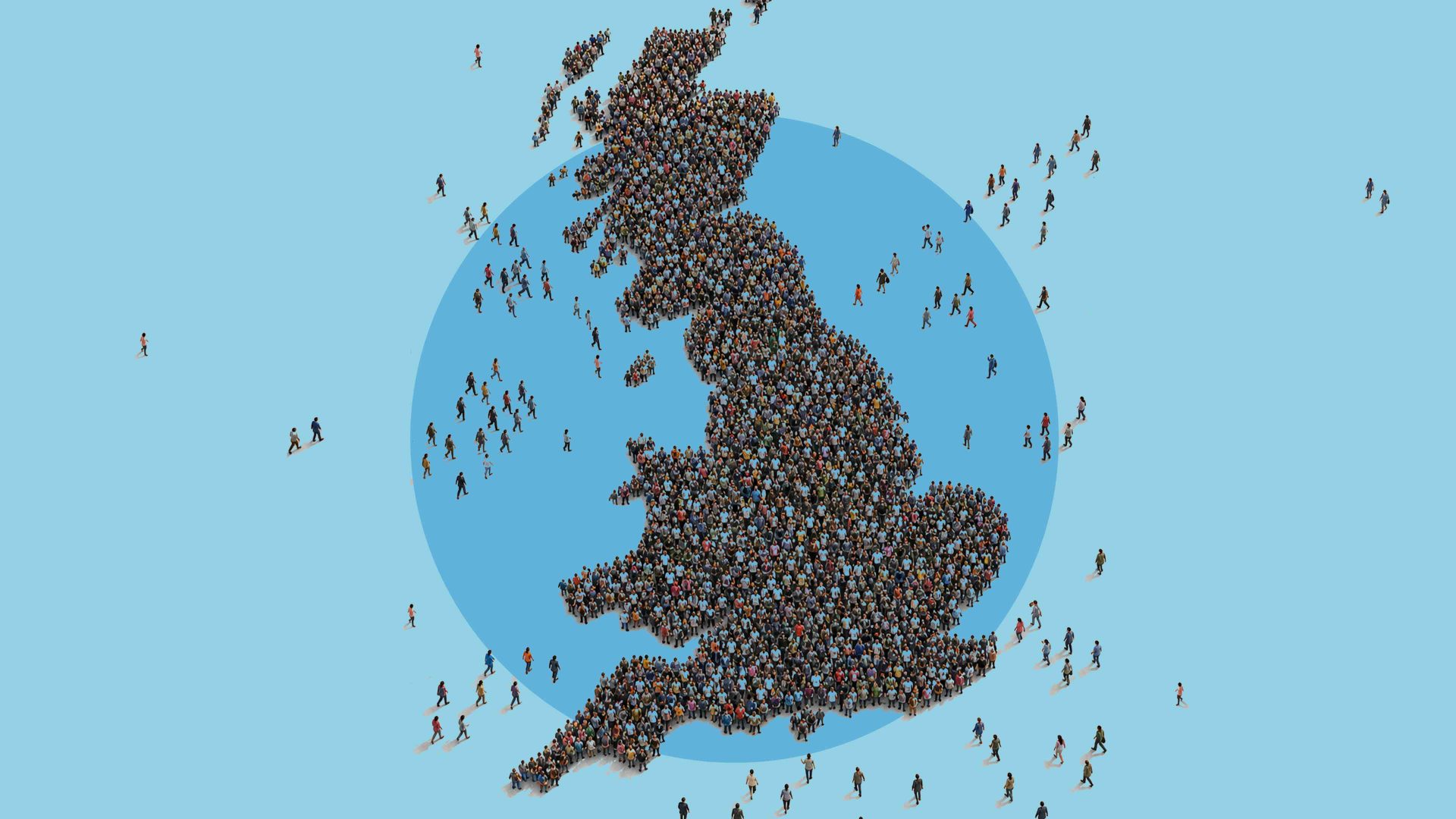
Successive governments have spent five years ramping up ever tougher promises to “stop the boats” and “smash the gangs” – yet ever-tougher laws on asylum seekers produced only chaos and frustration all round, particularly after the government’s new rules limiting asylum claims.
Yet the trend has reversed since last Autumn. In the first quarter of 2026, numbers were down over a third. Over 11,000 small boats crossed the Channel in April last year. This year the number was below 7,000. After three successive years of rising boat crossings, the unexpected reversal in the trend is remarkable. But a significant number of newspapers and politicians seem unable to talk openly about this change. It’s too ideologically confounding.
Broadcasters can often find it much more challenging to report on declining trends, rather than current events. So we are more likely to hear from them about things that do happen, rather than things that don’t. Hence, for example, the mismatch between the fact that crime is falling and the public perception that it is going up.
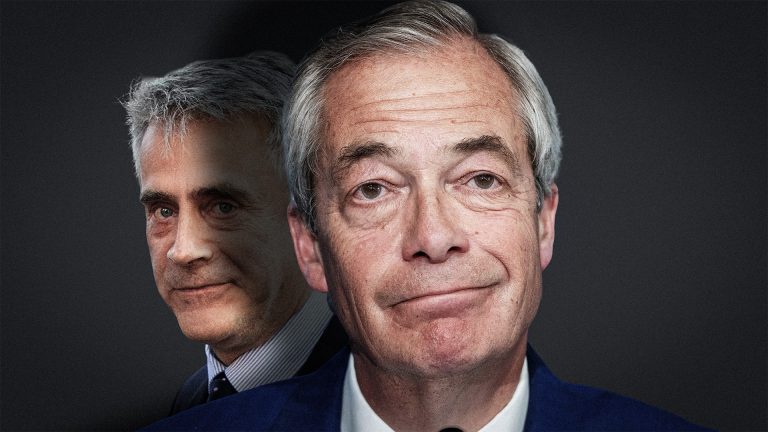

Overall levels of immigration to Britain have been falling significantly for two years now. Net migration peaked at an annual inflow of 900,000 people in 2023 but more than halved to 400,000 in 2024 and then halved again in 2025, reaching 205,000 in the twelve months to June 2025.
The published visa data for the rest of the year shows that the next set of net migration statistics, due to be published on May 21st, will show a further fall by the end of 2025.
But while everybody knows that there were record levels of immigration in the last parliament, the fact of this new downward trend has barely registered.
One reason that few people noticed the overall drop in immigration was that both small boat crossings and other asylum claims continued to rise in 2025. The visible lack of control of small boats crossing the Channel dominates the mental picture of what immigration really is.
Yet boat arrivals are now falling as well, and this is not, as is sometimes suggested, primarily weather-related. Conditions on the water can cause daily and weekly fluctuations, but not the big, year-to-year changes. It also has less to do with UK government policy than with a significant, Europe-wide decline in asylum claims. Global events could change that again.
Suggested Reading
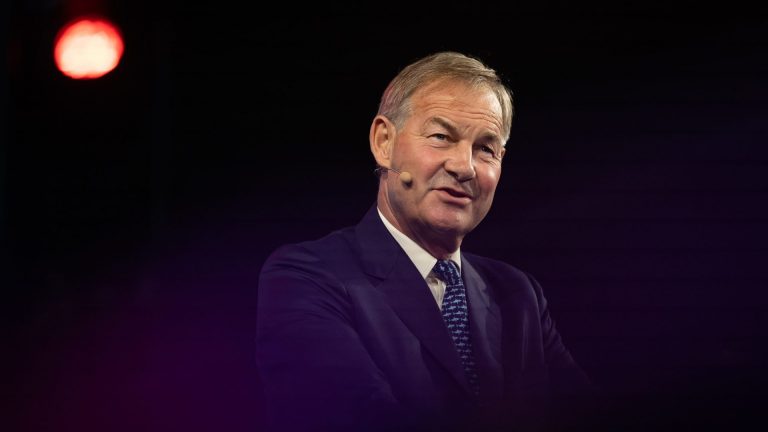

Rupert Lowe: the most right-wing MP since 1945
Nigel Farage is – of course – in denial about falling immigration. “Isn’t it good that net migration has gone down. But why has it fallen? There has been an exodus,” he told Nick Robinson in his Political Thinking podcast. When asked to correct the inaccurate claim that large numbers of people are leaving the UK, the BBC initially demurred, on the grounds that the interviewer had challenged other false claims in the same interview. They did, at the third time of asking, agree to correct the claim.
Even government ministers seem largely unaware that immigration is now falling much further and faster than they had anticipated a year ago. It was striking to see the home secretary Shabana Mahmood tell the Home Affairs Select Committee this Spring that the numbers still “remain high by any measure”.
Mahmood added that net migration was “well over 200,000”, which ceased to be the case in the second half of last year. She contrasted that with the target of “tens of thousands” that existed when she came into parliament, a reference to the net migration target of 2010-19 that Theresa May, famously, missed persistently in her nine years as home secretary and prime minister.
Labour said it would deliver “sustainable” levels of immigration, but has avoided saying what that means. The home secretary’s positive view of May’s target doesn’t reflect any official Labour position. But if it did, it would give this Labour government a serious headache.
The Treasury’s fiscal headroom is based on an Office of Budget Responsibility projection of an inflow of 235,000 a year until 2030 – that’s above current levels. The Home Office is determined to drive numbers still lower, and appears to be on track to eliminate net migration across 2026 and 2027. That has a price-tag of about £19bn.
The May elections will open up a new phase of the immigration debate. The argument is driven mostly by the shifting party political cross-pressures, with Labour MPs working out how to grapple with challenges on both its left and right. They are anticipating losses to the Green Party in London and to centre-left rivals in Wales and Scotland, while facing a Reform challenge in the red wall.
Suggested Reading
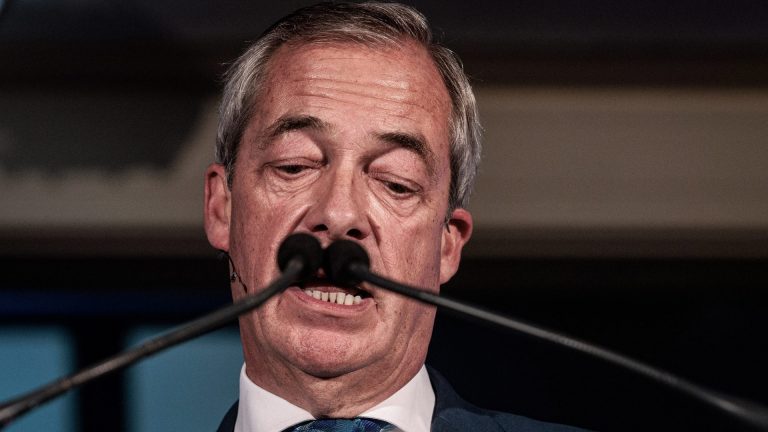
How Farage fails the racism test
What has become clear is that no fall in immigration would ever satisfy the most hardline populists. Declining immigration numbers would likely push Reform UK and Restore Britain, the extreme right wing group led by Rupert Lowe, towards the politics of deportation. That could well bring the politics of remigration and repatriation back into the mainstream for the first time since Enoch Powell, with an increasingly explicit focus on a motive of reversing demographic and ethnic change.
The argument will become that the wrong people are coming, and the wrong people are leaving. But that insatiable anti-migration populism is not where most of the public are. So this government needs to set out its alternative, rather than echo the extremes.
The politics of small boats is unlikely to change if there are 25,000 arrivals rather than 40,000. But the shift in scale creates an opportunity for policies that could fuse control and compassion, and succeed where tough approaches have failed.