There is no easy way to say it – but Trump failed. His war against Iran has been an economic and political disaster at home and abroad.
The absurdly-named Operation Midnight Hammer used up $800 million worth of munitions. An estimated 4,000 Iranians were killed. Tens of thousands were wounded.
According to Al Jazeera, 100,000 homes were destroyed, 23,500 shops and 300 medical facilities as well as roads, communications facilities, power stations and bridges. The total reconstruction bill is estimated at up to $270bn, which explains the $300bn figure that appears in the Memorandum of Understanding, currently under discussion between the US and Iran.
Operation Midnight Hammer inflicted huge damage on Iran – but it was a strategic disaster. It set out to destroy the Iranian navy. It did so. It set out to eliminate Iran’s ability to produce nuclear weapons. It’s not known whether it achieved that aim. What is certain is that the knowledge required to enrich uranium and build weapons remains intact and cannot be destroyed.
Midnight Hammer also set out to effect regime change. Iran’s leadership changed, but not its regime. The new supreme leader is the son of the previous leader. He has lost his family and been badly maimed by American bombs. That is not the basis for a good relationship. Ayatollah Motjaba Khamenei is also closely linked to the hardline Islamic Revolutionary Guard, whose influence has grown exponentially.
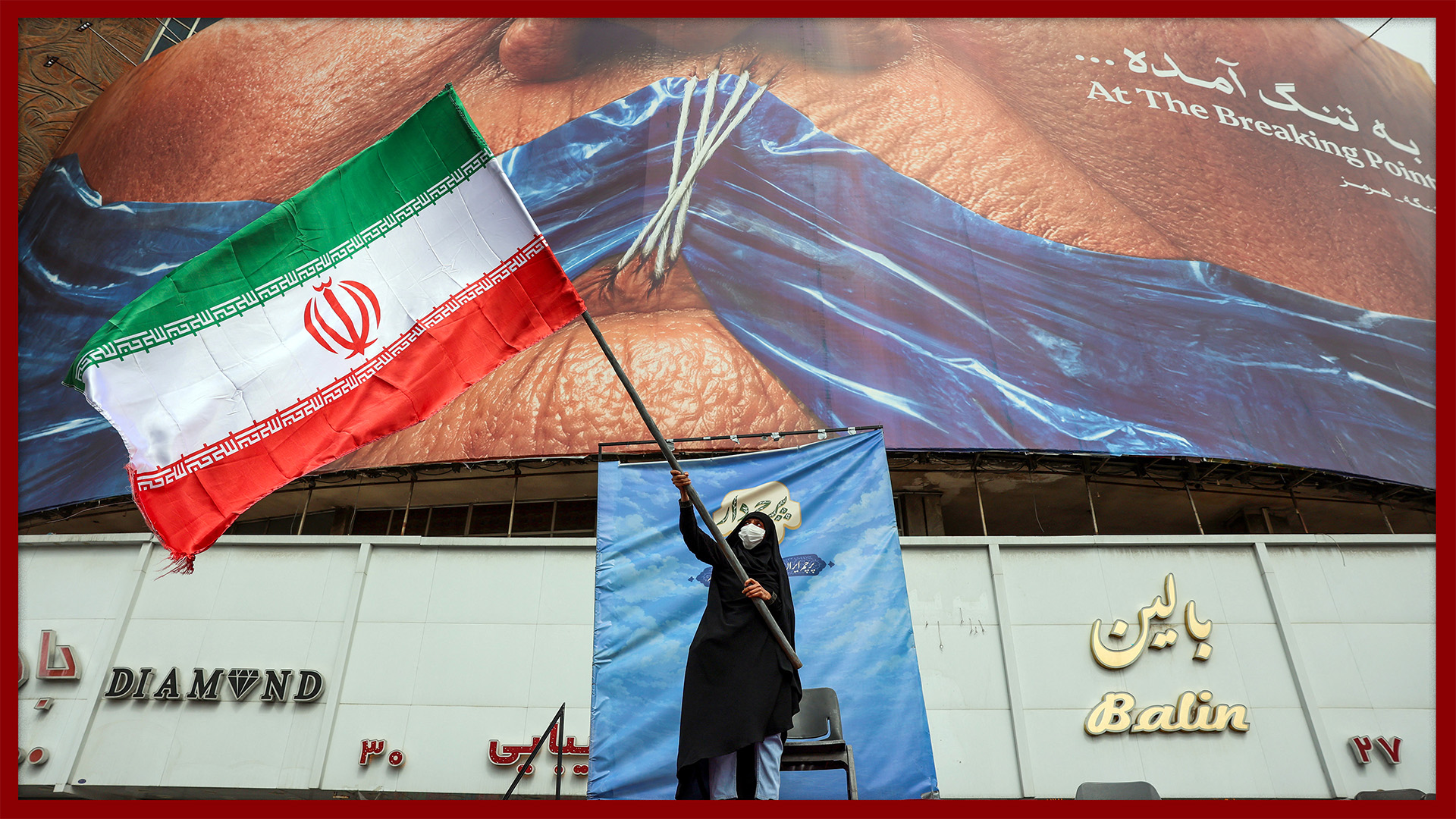
Most damaging of all, the war confirmed the stranglehold that Iran has over the world economy simply as a result of its position on the map. Its control of the Strait of Hormuz enables Tehran to hold the world to ransom, and is a strategic weapon more dangerous than any nuclear bomb in that it can actually be used.
This chokehold, and the economic damage it caused, was the major reason why Trump was forced to climb down. The war cost the US around $800m per day. The closure of the strait drove oil prices up so high that economists worried that the war would trigger an economic collapse. It was perhaps this more than anything that pushed Trump towards negotiations.
The result of those negotiations is a Memorandum of Understanding – not a peace treaty, but a statement of objectives. There is also a 60-day ceasefire to enable those objectives to be negotiated into a formal agreement. But will the ceasefire hold?
That is a critical political question for Trump. His acolytes – Rubio, Vance, Hegseth, Johnson and others – are working so hard to spin the conflict into success that they are making themselves and everyone else sickeningly dizzy.
Suggested Reading
Will Israel sabotage the US-Iran deal?
But only a shrinking hardcore of MAGA supporters are listening. To the rest it has become disturbingly obvious that the emperor has no clothes. The war has stripped Trump of the last remnants of credibility. He stands before the world exposed as an ageing, corrupt, blowhard bully, equipped with the instruments of power, but lacking the judgement and diplomatic skill to use them.
The latest CBS/YouGov poll showed that 69% of Americans thought the Iran War was not worthwhile and that 64% disapproved of Trump’s handling of the conflict. Only 29% said the peace settlement advanced US strategic interests.
The discontent among American voters is understandable. According to German economists, the war added up to 0.8% to US inflation. Petrol prices soared from $3 a gallon to a peak of $4.90. They have eased back down to $4 but analysts warn that they are likely to remain at that level for at least six months. “They go up like a rocket,” warned one analyst, “and down like a feather.”
Trump is heavily dependent on the farming vote. And farmers are heavily dependent on fertiliser. About half of the world’s urea and sulphur-based fertiliser originates in the Persian Gulf. Fertiliser prices have risen 40% as a result of Trump’s war, and economists reckon they will stay high for years. This has already led American farmers to cut fertiliser use, which means lower yields. Lower yields mean higher prices at the supermarket.
The hit on Americans is nothing compared to the damage that the war has done to the developing world, where increases in fuel and fertiliser costs have been punishing. The war has also followed hard on the heels of massive cuts in US foreign aid. It is not surprising, therefore, that countries are turning to China as a more reliable source of support. Beijing, in fact, is one of the major beneficiaries of Trump’s failure.
Suggested Reading

Meet the Trump hire who says the president is now out of control
Xi Jinping’s greatest triumph in the Iran War may have been that he was wise enough to do almost nothing. While US bombers crossed the skies of the Middle East and Israeli missiles pummelled Tehran, China sat quietly on the sidelines, urging peace, buying oil and watching its principal rival expend treasure and munitions. Once again, Beijing appeared to conform to Su Tzu’s maxim: “The supreme art of war is to subdue the enemy without fighting.”
As for Europe, the Iran War has accelerated the continent’s drive towards greater independence from Washington. The road to European strategic autonomy did not begin with the Iran War and nor did it begin with the Oval Office ambush of Volodymyr Zelensky. It began in earnest when Donald Trump threatened to acquire Greenland and imposed tariffs on Denmark and other European allies.
The spectacle of a NATO leader threatening another NATO member caused shock across Europe. If Washington could menace Copenhagen today, who might be next? The Iran War seemed like a continuation of this American disdain for nations who had assumed they were friends – Trump did not even bother to consult his allies before allying with Israel and attacking Iran. He then berated and threatened European governments when they failed to fully cooperate. The European view of the US has been fundamentally changed.
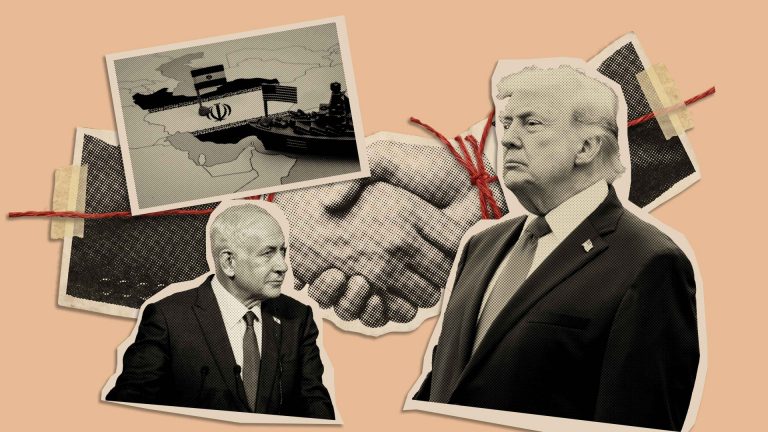
The greatest threat to the ceasefire and the current memorandum on the Iran War comes not from Tehran, Moscow or Beijing. It comes from Jerusalem. Benjamin Netanyahu believes he has Hezbollah on the ropes. To halt Israel’s assault on Hezbollah in Lebanon – as the memorandum demands – risks losing a once-in-a-generation opportunity to deal with Iran’s regional proxies.
Netanyahu’s politics are built on his reputation as “Mr. Security.” If he fails to take this opportunity to crush Hezbollah, then he is likely to lose elections in October and face trial on fraud charges.
If Netanyahu chooses war over diplomacy, then the deal hailed by Trump and his acolytes will be exposed for what it is: not the foundation of a new Middle East, but a temporary lull between two rounds of fighting.
Empires – such as America – can survive failed wars. Politicians rarely do. Israel, a small nation in a dangerous neighbourhood, may have even less room for error. And Donald Trump may discover that the hardest part of winning a war is persuading your friends to stop fighting it.
America threw its entire military weight against Tehran. Instead of regime change, Trump ended up with soaring fuel prices, his reputation in tatters and a huge bill. Iran still has its nuclear programme. Any way you look at the Iran War, it has been a disaster for the US.
 Most popular

My day out with Danny Tommo
I was at Eton with Charles Spencer – this is how it explains his battle with the royals

Emily Maitlis’s diary: Trump doesn’t fear the AI apocalypse – but he’s terrified about the midterms

Memo to Burnham: this is how you beat the populists