I think we always knew that Trump Term 2 would be very different to Trump Term 1. But even to self-confessed victims of Trump Derangement Syndrome such as your editor-at-large, the scale of difference has been shocking.
That is not to say Term 1 was good. Far from it. There was plenty of lying, a lot of chaos, inklings of blatant corruption, some very strange appointments, decisions and events, and unsurprisingly he lost at the end of Term 1 – or, if you prefer his version of events, had the election stolen despite delivering the best and the biggest and the most beautiful presidency in the entire history of the universe.
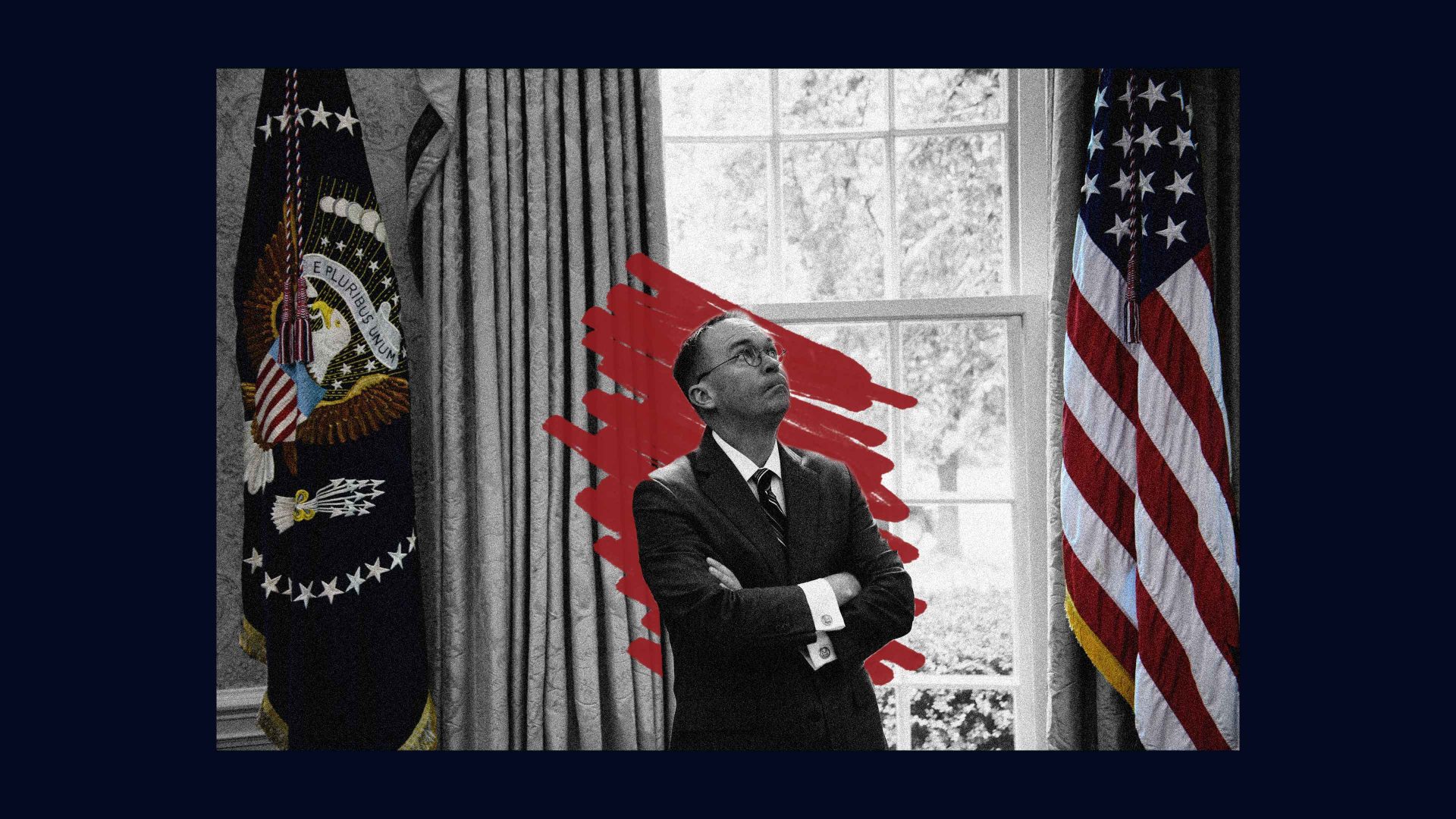
That scale of difference was underlined when I shared a stage at a business event with Mick Mulvaney, a former congressman who served as director of the Office of Management and Budget for three years (a lifetime in the crazy churn of Term One Trumpland,) and acted latterly as White House chief of staff, and special envoy for Northern Ireland.
His and my politics are very different; indeed he has been known to refer to himself as a “right wing nutjob.” He was consistently trying to get Trump to spend less, not more, and make genuine efforts to cut the deficit. Also, the mere mention of Clinton, Obama, or indeed anyone associated with them, was likely to provoke a pretty snarky response.
As I raged about Trump’s now far more open Term 2 corruption, he said the big difference was that Obama and Clinton took the money “after leaving office, not while in it… do you think Obama flies coach class? Do you think Clinton flies commercial? I don’t think so.
“Do you think the people who gave them the money for their Foundations and Presidential libraries are so different to the people giving Trump money for his?” And then, to bring the snarkiness closer to home, “they taught Tony Blair how it works!”
That being said, despite our differences we were able to have a civilised conversation, and he certainly struck me as one of the “grown-ups” who had helped curb some of Trump’s excesses first time around. He said there were things that Trump was doing on the money front now, not least the clear mixing of political and family business, that he would have done everything in his power to stop, and indeed did so, when he was in office.
I also learned that unlike the Trump Term 2 shapeshifters, who will twist and turn their own morality to suit whatever Don Trump is saying or doing at the time, he did not. By the time of January 6, as the Capitol riots unfolded, and it was clear Trump was refusing to accept the democratic will of the people, Mulvaney resigned.
Perhaps he felt embarrassed, having not long before written an op-ed in the Wall Street Journal headlined: “If he loses, Trump will concede gracefully.” Or perhaps he had simply realised that his original, pre-appointment assessment of Trump as a “terrible human being,” who in any “ordinary universe” would be disqualified from office, was accurate.
Suggested Reading
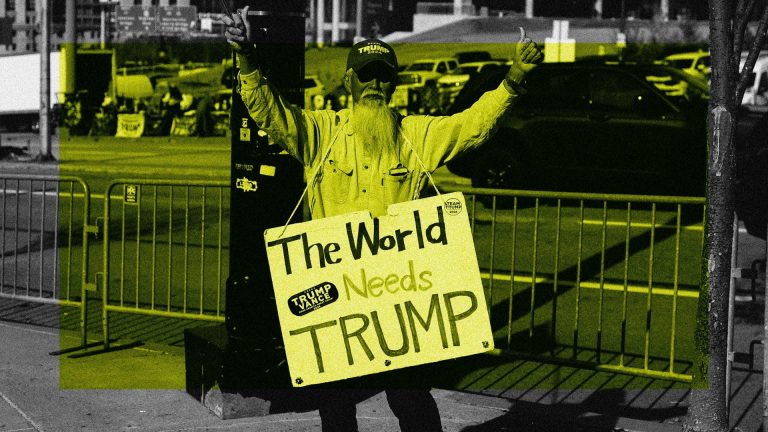
My airport row with a Trump supporter
He also warned in our discussion that certain elements of Trumpism would outlive Trump, even if he is replaced by a Democrat. Isolationism is here to stay. Protectionism is here to stay. And the government buying big chunks of business is here to stay.
I suggested that in some respects then, the US was becoming more like China. No, he said. It’s more like old-style Argentina. It wasn’t meant as a compliment.
Then to another debate with someone else well to the right of me, namely Jacob Rees-Mogg. This was a Brexit rematch in front of an audience, hosted by Mishal Hussein, as she did on a previous Brexit anniversary for the Today programme. Bloomberg’s gain is the BBC’s loss.
Rees-Mogg, who prides himself on being charming and polite, had clearly decided that he was on such a bad wicket, discussing ten years on from the referendum whether Brexit had been a success or failure, that attack was his best form of defence. He came armed with research notes not about the economic successes of Brexit (which would fit neatly on a pinhead) but the various allegations of lying levelled against me during my time in media and politics.
That the most egregious had been disproved either by public inquiry did not deter him, from ensuring we spent as much of the time as possible talking about me, not the consequences of Brexit. He mentioned a book written about me by journalist Peter Oborne, which he said proved his case, adding triumphantly: “He has footnotes.” Wow! Footnotes!
As poor Mishal struggled to get us onto Brexit, I decided to help her out by asking the audience what they thought. Brexit, success or failure? Hands up for success… zero. Hands up for failure… everyone.
This of course led to Rees-Mogg saying that was because we were in London but if you went to Cornwall or Wales, it would be very different. I didn’t even bother replying, though I could have said I had a very similar response in the so-called Red Wall town of Retford at the weekend.
The point is though, that the architects of Brexit, of which Rees-Mogg was one, will never, ever be able to admit the facts. I tried my best to give some of the data on our Brexit-related shrunken GDP, our reduced investment and productivity, and all the rest. But all you get is “there are different ways of looking at the figures.”
Pre-Brexit, we were able broadly to agree that facts are facts, and opinions are opinions. Brexit having been so much a part of the 3P Populism, Polarisation and Post-Truth of our times, that is sadly no longer the case.
Suggested Reading
It’s time for a European army
But we have to keep on keeping on with the facts, which is why I so strongly recommend Jonty Bloom’s book, and that you send it to anyone you may know who continues to pretend to believe that Brexit was the “on balance, a success” described by Rees-Mogg. Even from him, hardly a ringing endorsement to match the grand claims made for it at the time, a whole near wasted decade ago.
Rees-Mogg also prides himself on his Catholicism, so I took especial pleasure in reading to him a line from the Pope’s speech in the Spanish Parliament, in which he described the European Union as “not merely a counterweight to other powers, but a gift to humanity.” Rees-Mogg clearly disagreed, pointing out that Papal infallibility only applies to teachings of faith and morals, not politics. Just for a moment, I felt more Catholic than Jacob, if not more Catholic than the Pope!
As Scotland’s first World Cup game drew closer, and my social media feed was flooded with videos of Scottish fans having such a great time in Boston – bagpipes, kilts, dancing, “no Scotland, no party” and “Flower of Scotland” being sung in bars, streets, buses and parks – pangs of regret at my World Cup boycott crept in.
But then, I think of Somalian referee Omar Artan, and his being denied entry to the US because, it seems, of a few disobliging social media posts about President Trump, and I wonder whether I would even make it through the ESTA process, let alone into the country itself.
So probably best to stay at home, bagpipes at the ready for any goal, hoping the neighbours won’t think it too anti-social if I strike them up in the middle of the night, when the mighty Brazil go down to a late Lawrence Shankland winner.
 Most popular
Emily Maitlis’s diary: As I was saying to George Clooney just the other day…
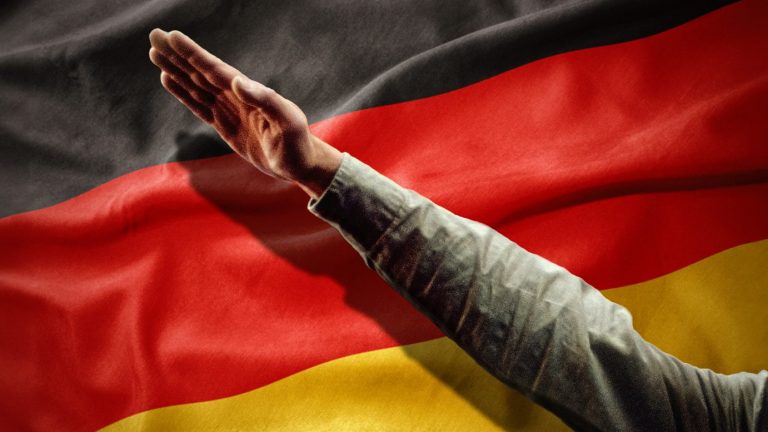

Never again? Think again. The far right’s resurgence in Germany should terrify all Europeans
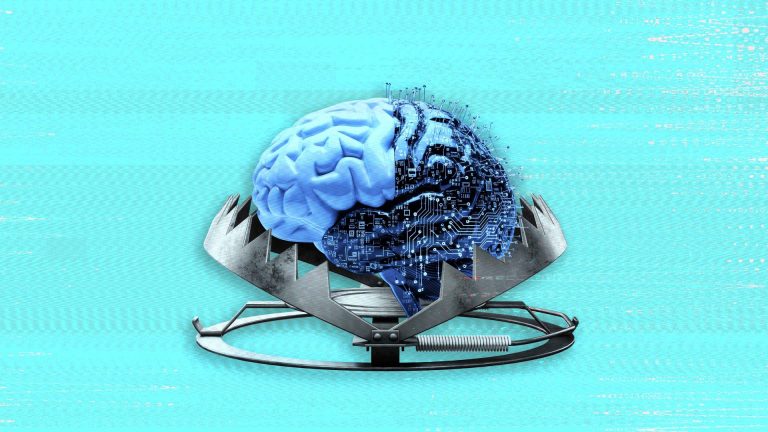
Apocalyptic AI fantasies are a stupid, annoying distraction from its real problems
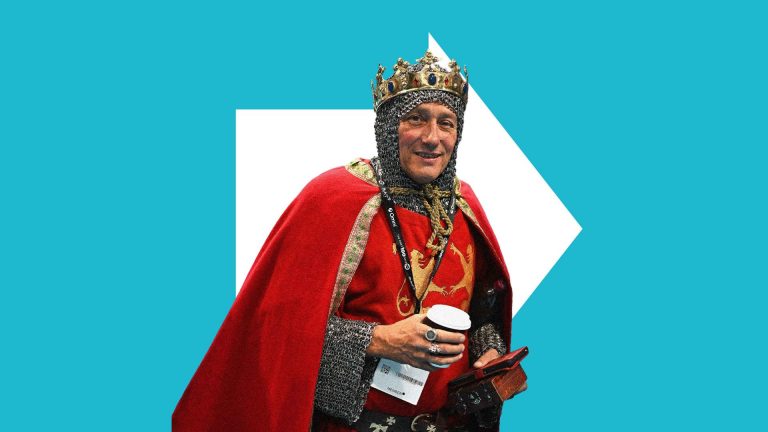
21 other shocking quotes from the undercover footage of senior members of Reform