
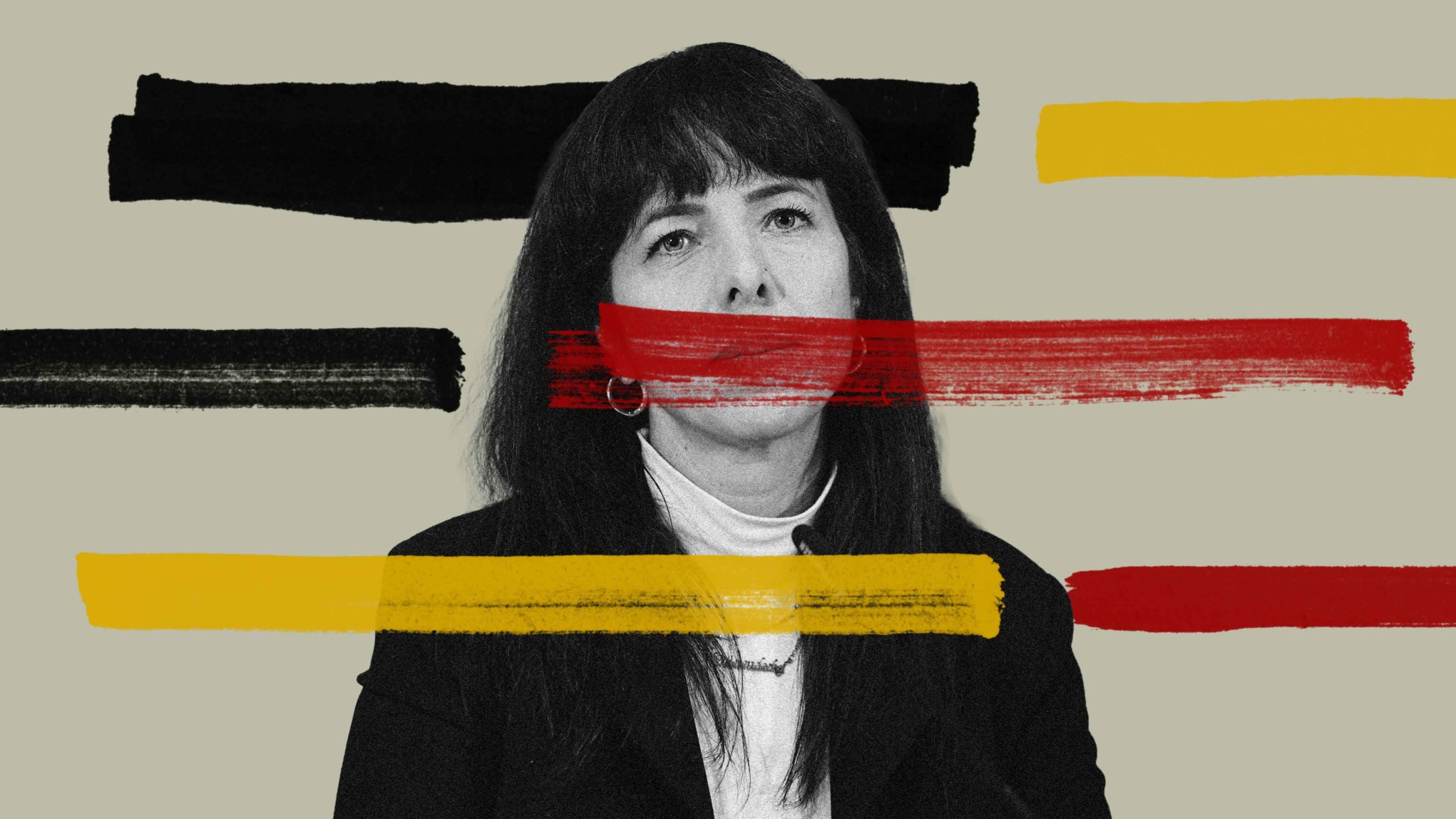
Foreign journalists often see the German way of handling interviews as peculiar: unless you’re on radio or TV, you don’t simply publish anything said on the record. You first edit and sharpen the transcript and then send it back to your interviewee for approval. Autorisierung, we call it.
Best case: everyone feels represented faithfully and the result is a tight and readable interview. Worst case: the politician, actor, entrepreneur or their spokesperson takes a red pen, deletes the juicy bits and returns a sanitised version.
What follows then is bazaar-like haggling. There have been cases of newspapers so frustrated that they only published their questions, with the answers blacked out. Not exactly the PR you want either.
In general, however, it works. People tend to speak more freely, knowing they’ll get a final say. Also, factual errors or misunderstandings can be ironed out. The downside: a bad interview and a waste of time if people suddenly develop a phobia over their own words.
Suggested Reading

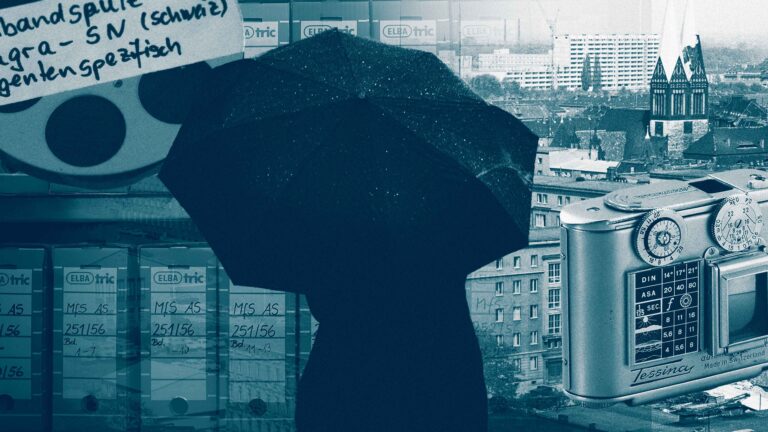
A German spy chief was arrested – but who was he spying for?
As did Elif Eralp, Berlin’s aspiring mayor. But in a sensational plot twist, what looks like tedious bureaucracy exercised by German journalists turned into breaking news.
Der Spiegel interviewed Eralp as coalition talks between her victorious far left Die Linke, the Greens and the Social Democrats were about to begin. Inevitably, questions arose about her party’s cosy relations with a clan boss, about grassroots members and even MPs questioning Israel’s right to exist and about links to a specific Hamas sympathiser. His name is Ibrahim Ibrahim, a prominent pro-Palestinian activist who has been associated with the PFLP.
If Popular Front for the Liberation of Palestine brings out Monty Python vibes in you – it does for me, too. Until I think of Jürgen Schumann, captain of the hijacked Landshut, executed by PFLP terrorists aboard the plane in 1977. And wonder how a party with friends like these can guarantee trying to keep all Berliners safe.
Especially when its frontrunner, Eralp, appears neither willing nor able to clean house. How do we know this? Because her office forgot to remove her comments from the approved interview sent back to Der Spiegel.
The editors’ question about Ibrahim had been deleted – a clear no-go in interview authorisation – vaguely citing security concerns. Eralp’s own words, attached to the document, told a rather more revealing story:
Naming “specific names” – like Ibrahim – was a “PROBLEM”. She and her husband were “afraid of these people”. She concludes: “I can’t put myself and my family in danger for Spiegel”, asking whether the whole thing could be called off.
When her own words blew up in her face, Eralp insisted in front of TV cameras she wouldn’t be intimidated. An impressive display of defiance, given that she had just spelled out how intimidated she is.
She also tried to normalise her remarks: “To worry about your own family, I think, is entirely normal and natural.” Quite. Particularly if you happen to be Jewish and live in Berlin, where Eralp’s party – with its useful idiots shouting “Yalla, Yalla, Intifada” – may soon be in charge.
Some came to Eralp’s defence, accusing Der Spiegel of publishing what was never intended to come to light (isn’t that the point of journalism…?) But there’s no need for sympathy: Die Linke campaigned on abolishing Berlin’s domestic intelligence agency and on cutting police funding. Eralp backs this agenda, while privately fearing the very extremists those institutions keep an eye on.
Usually, this behaviour would disqualify anyone from holding a government position. In Berlin, most probably, it’ll get you one.
 Most popular

Emily Maitlis’s diary: The Democrat who’d rather see Trump win if it means El-Sayed losing

It might not look like it, but a motoring miracle has now happened


What happens to Trump if he loses the midterms?
How Abdul El-Sayed became the man who can break Trump