
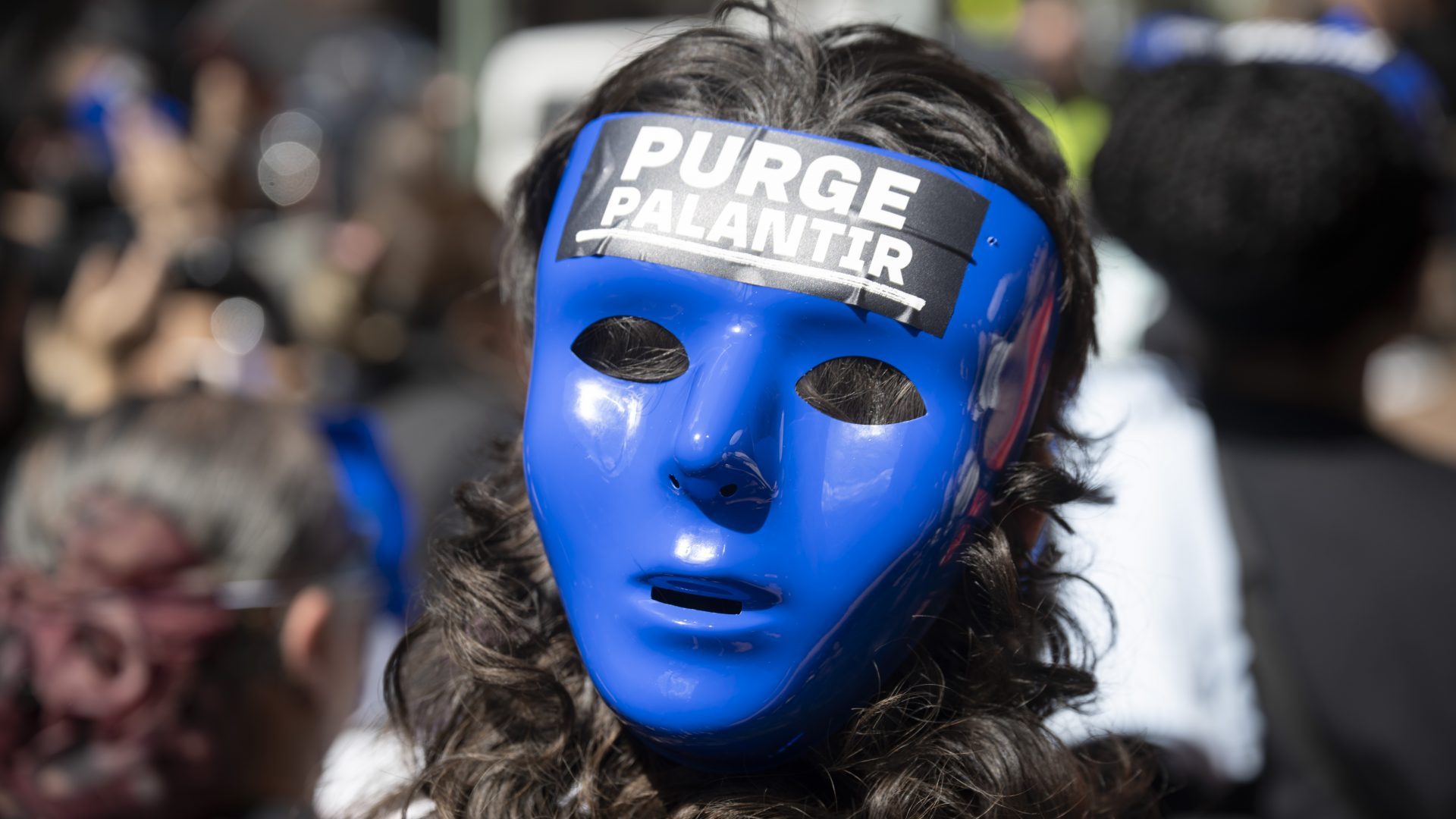
Controversial US data firm Palantir is back in the headlines, with the Liberal Democrats using parliamentary time on April 16 to demand the government tear up its contracts with the company.
Palantir’s £330 million deal to build a data platform for NHS England has become a divisive issue within the health service. Staff are refusing to work on it in protest at the firm’s role in US defence and immigration enforcement, and co-founder and chief executive Alex Karp’s backing for Donald Trump.
Ministers, meanwhile, are said to have sought advice on triggering a break clause in Palantir’s contract as they come under mounting pressure to eject the company from the health service’s data systems.
Suggested Reading

Jenrick’s day out at the races in the Sun
So it’s little wonder the firm, valued at $340 billion, has dipped into its vast resources to go on a very expensive PR campaign – paying north of £50,000 to sponsor the UK’s most influential political newsletter. The more than 100,000 subscribers to POLITICO’s London Playbook – a list that includes every MP – are greeted each morning with a message that comes “presented by Palantir”. Its ‘Beyond the M25’ section includes a message that “Palantir software is helping to deliver better patient care through the NHS Federated Data Platform”.
That platform, the newsletter says, includes “110,000 additional operations to date, a 15% reduction in discharge delays, a 6.8% increase in patients finding out whether they need cancer treatment within 28 days, and the safe removal of 797,728 patients from waiting lists”. It doesn’t add that some hospital trusts have been slow to adopt Palantir’s software on the basis that they do not find it useful.
The New World has led the reporting on Palantir’s advances into the NHS, with our political editor James Ball last month reporting how its top executives had boasted of trying to destroy political parties like Labour and disenfranchise their voters. Karp, Palantir’s CEO, said as he discussed the company’s AI: “This technology disrupts humanities-trained – largely Democratic – voters, and makes their economic power less.”
It is not the first time POLITICO’s journalism has been funded by problematic US tech firms. Last month Rats in a Sack reported how, even as the newsletter reported that an LA jury had a found Google and Meta liable for designing social media platforms that are addictive for children, awarding $3 million to a 20-year-old who claimed social media addiction harmed her childhood, it was still being sponsored by, er, Meta.
 Most popular

I went looking for Trump’s America – this is what I found

18 things that will absolutely, definitely happen if Trump gets whopped in the midterms


Emily Maitlis’s diary: Why are we turning away the people who could make Britain richer?

‘The deep state stole my mini-budget’: An exclusive extract from Liz Truss’s new book