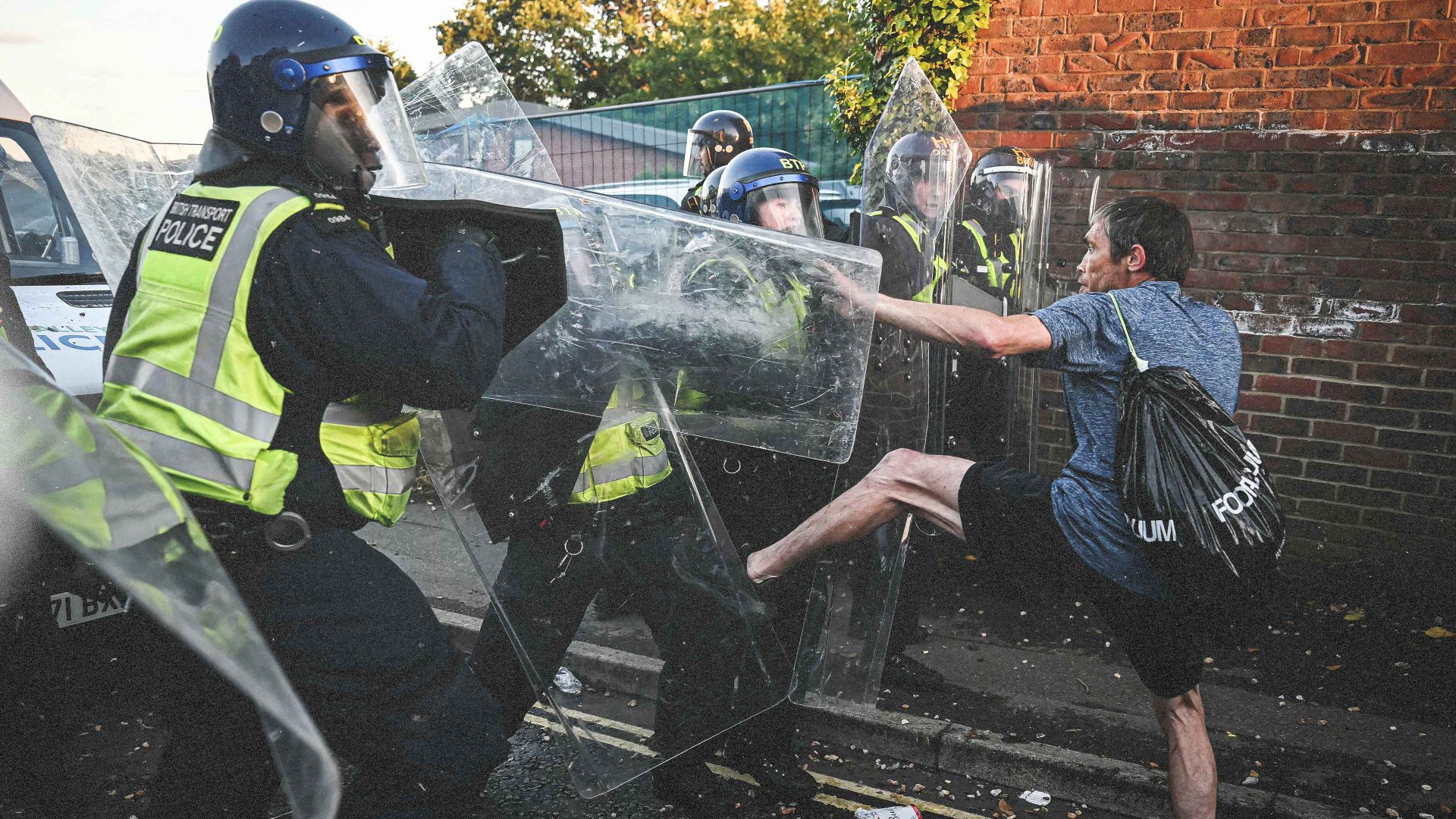
The murder of Henry Nowak represents every parent’s worst nightmare. It was only a few weeks earlier that the 18-year-old’s mum and dad had dropped their son off in Southampton to start his university course.
In December 2025, walking home alone after a night out with friends, Henry encountered 23-year-old Vickrum Digwa, commenting on the large dagger which he was carrying in the streets. It was a brief exchange with tragic consequences, as Digwa stabbed Henry three or four times before going on to degradingly film his victim.
After Digwa was sentenced, Henry Nowak’s family made an appeal. “We do not want his death used to create further division, hatred or tension.” That appeal has now been roundly ignored, by politicians who see an opportunity to stoke racial enmity for their own ends.
Digwa had involved his brother and mother in removing the murder weapon. He lied about being the victim of a racist attack against him as a Sikh – and so he misled the police into treating the murder victim as the criminal at the scene.
Suggested Reading
Rupert Lowe: the most right-wing MP since 1945
Henry’s father Mark spoke powerfully outside of the court about the need for a “full, fearless and transparent” investigation into how the police handled the case. “Our family should not have to fight for the truth,” he said. The Hampshire police have apologised to the family and reported themselves for an independent IOPC investigation.
The police have also released the harrowing scenes from their body camera footage, in which it is the victim, not the perpetrator, who is arrested and handcuffed for a minute or two, before the officers realise that Henry was telling the truth about having been stabbed. The pathologist’s judgement is that it was already too late for the police to have had any chance of saving Henry’s life – but his father is surely right to say that their terrible mistake meant that he did not die in dignity.
Digwa was wearing a small ceremonial Kirpan knife around his neck, but stabbed Henry with another blade: a heavy, pointed dagger. He was convicted of carrying an illegal weapon. The judge told Digwa that he had sought to abuse the privilege extended to Sikhs to carry ceremonial knives.
In giving Digwa his life sentence, the judge told him that his murder and the lies he went on to tell about it were serious aggravating features in his 21-year minimum term – because his conduct had “stirred up racial tension in Southampton and across the country” while making many other Sikhs now more worried about their safety”.
Suggested Reading
Keeping Trumpism out of Britain
In remarks after sentencing, Henry Nowak’s father said: “We want his story to make our streets safer for everyone. This is not a case about Sikhism. This is not a case about racism. This is a case about murder”.
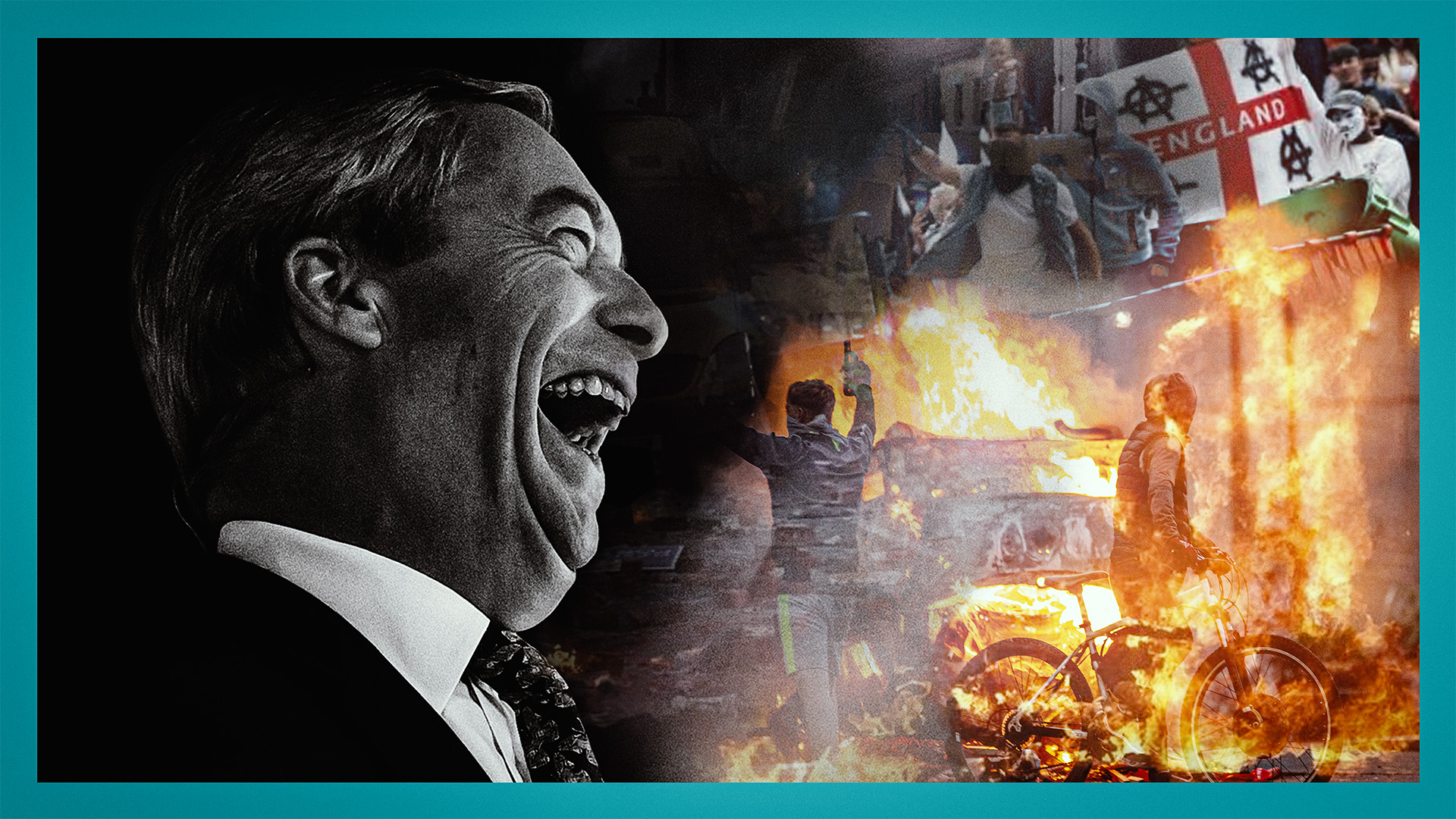
The people who want to turn their son’s murder into a political cause have dismissed the family’s wishes. Nigel Farage, leader of the Reform Party, praised the family’s response as “extraordinary,” and “dignified”. He then immediately suggested it would be a mistake to heed their wishes, or follow their example.
“I suggest the rest of us respond to this with pure cold rage,” Farage said, expressing his certainty that this case is about the policing of racism in Britain, seeking to turn Henry’s death into a “White Lives Matter” moment. His comments were later echoed by Zia Yusuf, also of Reform, in a BBC Radio 4 interview.
The blogger and failed Reform candidate Matt Goodwin then appeared on Politics Live, claiming that the British authorities are a “regime” dedicated to putting down white people.
For Farage, this case is “proof that we’re living in a two-tier culture in this country, where the rights and privileges of white people matter less than those of ethnic minorities.”
Farage will have intended this conscious echo of Enoch Powell’s Rivers of Blood speech, delivered in 1968. It is now mostly remembered as a call to halt and reverse immigration. But the timing of Powell’s speech reflected his visceral opposition to the 1968 Race Relations Bill. It was these anti-discrimination laws that explain why he spoke about foreseeing “the black man having the whip hand over the white man in this country”.
Powell was less successful in his campaign against the anti-discrimination laws than he was in channeling public sentiment on immigration. But today, both of these Powellite themes are more central to mainstream politics than they have been for decades.
At its heart, the argument is about the inevitability of inter-ethnic conflict in an increasingly diverse society, as competition for both resources and attention are conceived in increasingly zero-sum terms.
That was the case put explicitly by Elon Musk in his speech last autumn to Tommy Robinson’s Unite the Kingdom rally: if conflict is inevitable, then it becomes rational to rationalise violence in self-defence.
The question of whether fairness in an increasingly diverse society must be a zero-sum contest between different groups could become a defining issue at the next general election. At that point, our ability to have a shared multi-ethnic society will be in question.
The crucial question will be whether it is possible to overcome the idea that the values and interests of majority and minority Britons are inherently in conflict – where the majority resent the voice and visibility of minorities, while those from minority groups fear that leaders will only ever pay lip service to the barriers they face.
The effective antidote to a zero sum approach to inter-ethnic conflict must involve forging once again a coherent approach to common citizenship, fairness and equal opportunities in Britain that can command confidence and support across an increasingly diverse society.