I have been to few science-communication events as strange as Starmus. Focusing on astronomy and the earth and space sciences, it aims to “inspire and educate the next generation of explorers and regenerate the spirit of discovery”, through several days of talks by leading scientists interspersed with music. The festival was founded in 2011 by astronomer Garik Israelian and astrophysicist Brian May, who in 2007 finally completed the doctorate that he began in 1971, having been otherwise detained for a few decades as guitarist in the moderately famous rock band Queen.
This year’s festival (it’s held every one to three years) returned to its birthplace on Tenerife and La Palma, the latter Canary Island being home to one of the largest telescope arrays in the world. As ever the event attracted a clutch of science Nobel laureates and astronauts, this time including most of the crew of the Artemis II mission to the moon.
Suggested Reading

Stephen Hawking’s biggest mystery, 50 years on
It dispensed medals in memory of Stephen Hawking and Jane Goodall; Rick Wakeman played Bowie’s Life on Mars (as he did on the original 1971 recording); May performed Bohemian Rhapsody; speakers talked about space travel, quantum mechanics, AI, the plight of the oceans, as well as (this was why I was there) the problems of political meddling with science.
There was an occasional sense of whiplash as the tone went from space-bro enthusiasm for sending people to Mars and beyond – our “destiny”, according to Canadian astronaut Julie Payette – to sober warnings about how unique and yet poorly cared for our own planet is. The simple reverence with which astronauts speak about the sight of this beautiful blue marble in the void seems to come from a different universe from the hard grind of getting political leaders to actually commit to its preservation.
That challenge was made plain by Christiana Figueres, the Costa Rican diplomat who as executive secretary of the UN Framework Convention on Climate Change from 2010 to 2016 managed to hammer out the historic 2015 Paris Agreement on climate.
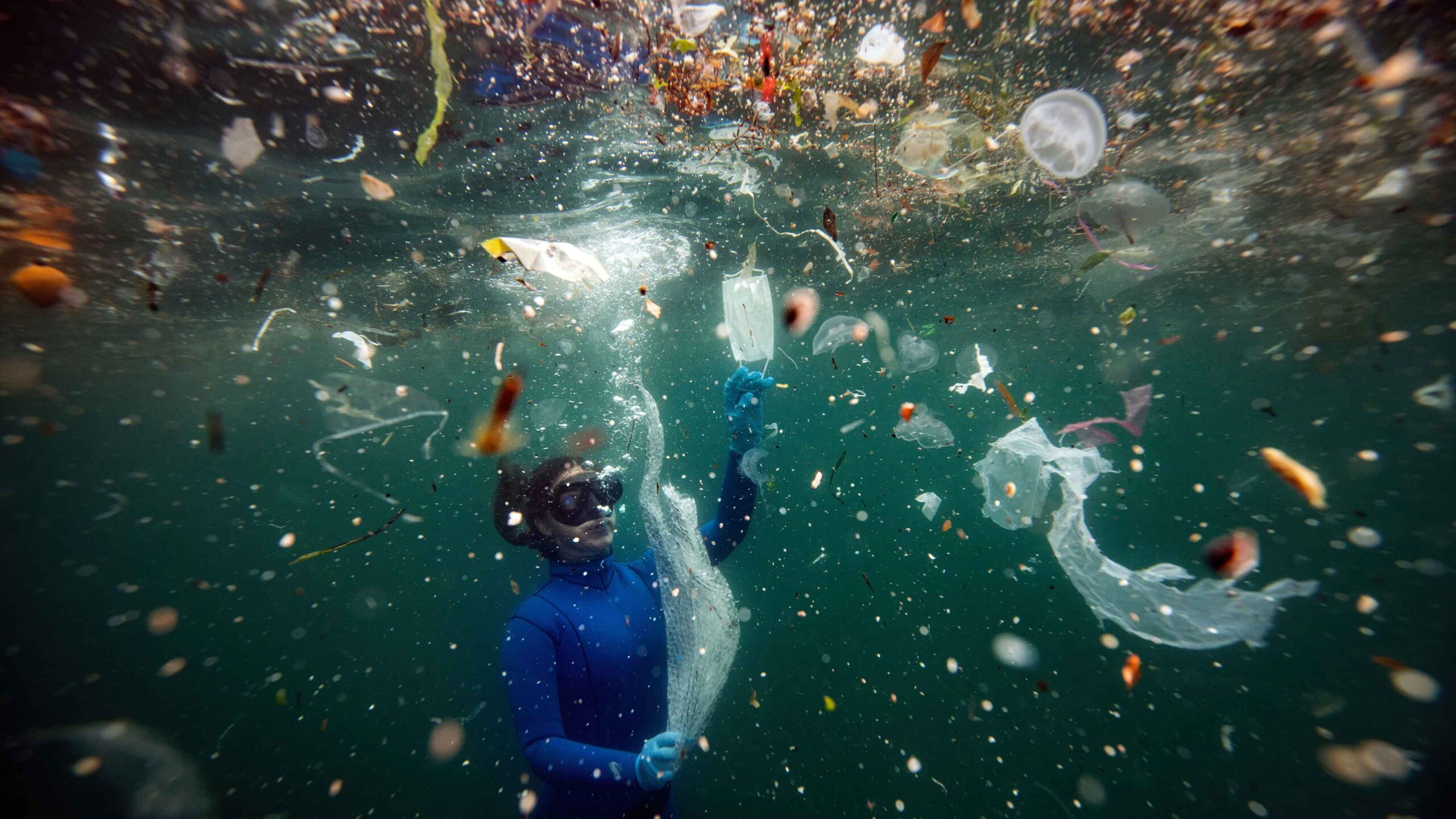
Even that achievement hasn’t really slowed the alarming rate of global warming. It was heartening, then, to hear from marine ecologist Jane Lubchenco that international treaties on the environment are still possible.
Lubchenco, head of the US National Oceanic and Atmospheric Administration under Barack Obama and an adviser to Joe Biden on climate and the environment, exemplifies all that is starkly absent from science policy under Donald Trump, not just in expertise but in integrity and wisdom. At Starmus she outlined the High Seas Treaty, which, after nearly two decades of talks, became international law in January after being signed by 145 UN member states and ratified so far by 104. (The US has signed but not ratified.)
Countering the common narrative that the problems with the oceans – from pollution to ecosystem depletion to warming and acidification – are now too big to fix, the High Seas Treaty also disproves the idea that such international consensus on the environment has become impossible.
Suggested Reading
The plague? You’re more likely to die from the common cold
It stipulates that there should be protected areas for conservation of marine biodiversity, and that human activities in the oceans must have impact assessments. It commits to equality in sharing the benefits of marine genetic resources – for example, drugs derived from natural marine sources – so that ecosystems in the high seas can’t be “mined” for commercial profit.
And the treaty commits to transferring to developing nations new technologies – for monitoring the state of the oceans and their biodiversity, say – that can further the treaty’s goals.
The treaty, said Lubchenco, “is a giant leap forward towards a healthy ocean and a vibrant future.” Whether or not she meant to echo Neil Armstrong’s words from the first lunar landing (I suspect she did), this message of hope is also a reminder that our priority, if not indeed our destiny, should lie here on Earth and not among the stars.
 Most popular
Emily Maitlis’s diary: The Democrat who’d rather see Trump win if it means El-Sayed losing

It might not look like it, but a motoring miracle has now happened

What happens to Trump if he loses the midterms?

How Abdul El-Sayed became the man who can break Trump