
There is a clue in the phrase “John Lewis Christmas advert”. It’s that fourth word that matters: It’s an advert.
It’s designed to remind viewers that the department store exists and stands ready to take their money in the rush towards Christmas. It is not art. It is not social commentary. It’s commerce sprinkled with glitter.
The ‘tradition’ of the John Lewis Christmas advert stretches all the way back to… 2007. But the great triumph of John Lewis and its advertising agencies has been to persuade many people that its annual request for festive market share really means something.
If there were a contest to find the year’s least interesting headline, surely “Piers Morgan leads backlash against John Lewis Christmas advert” would be a contender. Morgan, a man never knowingly undersold in the market for big opinions, posted on X that the shop’s 2026 offering was “possibly the worst advert I’ve ever seen for anything”. That’s a bold claim from a man commercially obligated to promote his own show.
He was responding to a post from Sarah Vine, who dedicated her Daily Mail column to raging about the advert. Her editor considered this whining so important that it was promoted on the newspaper’s front page.
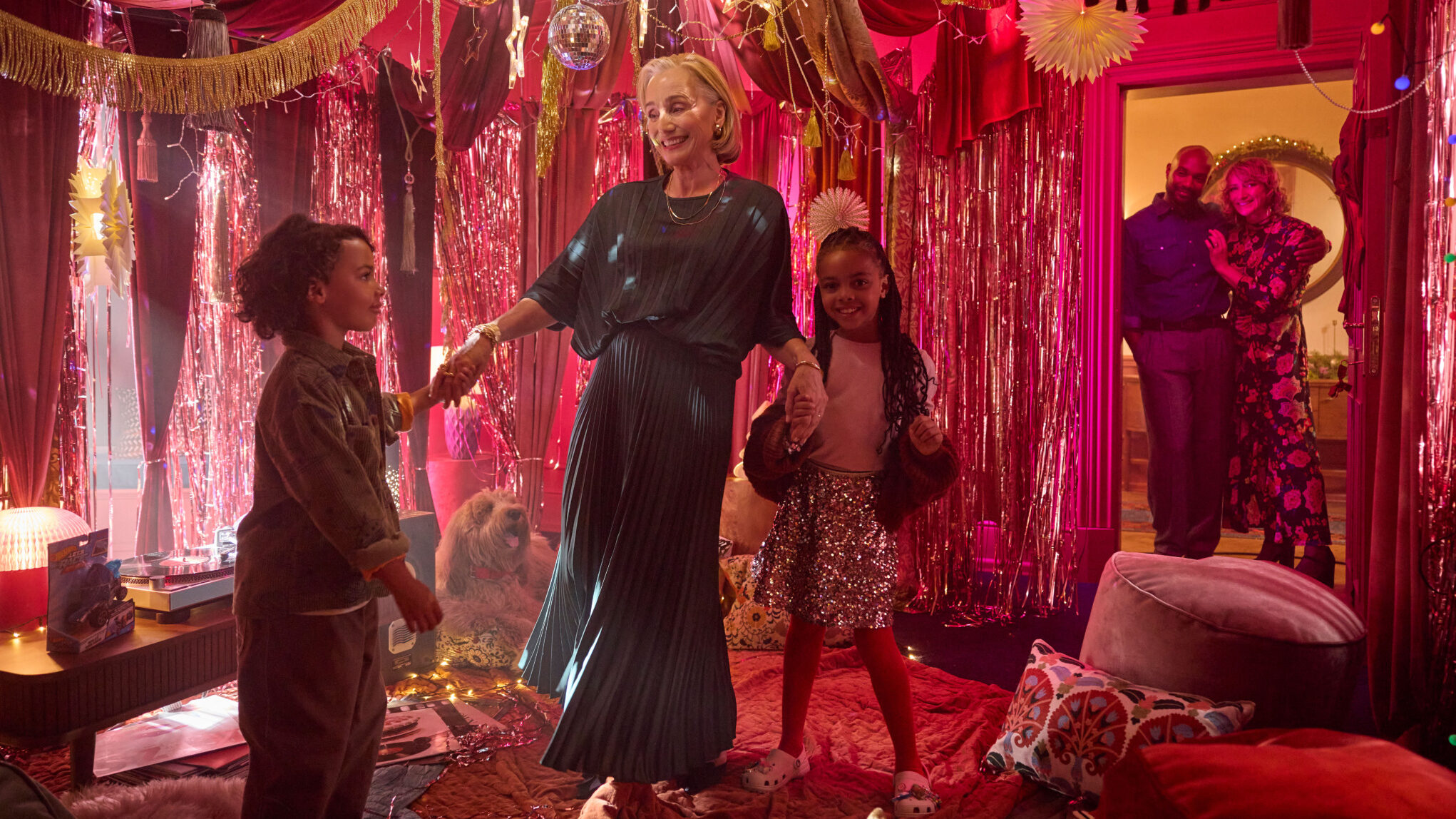
The story of a glamorous grandmother (played by Kristin Scott Thomas) who, accompanied by a wooden toy dog called Pickles (voiced by Paul Whitehouse) sets out on a search for perfect presents for her grandchildren is “woke, nonsensical and frankly insulting drivel” according to Vine. Appointing herself Wokefinder General, she detects “political correctness, entitlement and general wokery” in every second of the advert.
Her reasons? The children rush into the house without hugging granny because they need the loo and they’re not immediately bewitched by the wooden dog.
“If that had been my mother and my children,” Vine tells us, “she would have almost certainly have smacked their thighs and suggested they go and play with some traffic, but that sort of thing is not really acceptable these days.” Yes, nothing says Christmas like a good old British combination of physical and verbal abuse.


Vine makes a big point of saying that she doesn’t object to the children in the advert being mixed race, which marks her out from the cavalcade of online racists who have been howling about the casting, but really sets a low bar for decency.
Back on X, Allison Pearson, soon to be late of The Daily Telegraph, decried the advert as “disgusting” and said it was “hard to think of a more unChristian message”. She’s clearly suffering from a lack of imagination.
My pitch to Saatchi & Saatchi that they base the campaign around an AI recreation of the late punk provocateur GG Allin decorating a Christmas card with his own faeces was dismissed out of hand. If you deem that last sentence to be crass, I’m just trying to compete with everyone else who is losing their mind over a TV advertisement.
On Jeremy Vine’s Channel 5 show, a guest spluttered that the advert was “completely distasteful” while another said the child actors in it “deserved slapped legs”. This was in line with a common critique that the grandchildren presented in the story were “brats” rather than, say, children behaving as they actually do rather than like cheery festive automata.
In The Daily Telegraph, which gets angry about Christmas adverts annually, Jane Shilling deemed the spot “a bleak chronicle of family fracture” and complained that the “grandchildren are rude and without boundaries”. It’s a chirpy campaign from a shop, not an outtake from a Mike Leigh film.
It’s not just the unhinged right wing columnists who are over-analysing the advert. For The Independent, Katie Rosseinsky found another po-faced angle: The granny’s house is too big and this ode to consumerism is tone-deaf in an age of struggle.
She wrote: “… in a winter where we’re all wondering how the hell we’re going to heart the homes that we can barely afford to rent of pay the mortgage on, or being told to stock up on tinned foods in case of apocalypse, this one feels utterly out of step with the nation’s mood”.
While Rosseinsky admits that John Lewis can’t be expected to produce a Ken Loach-style look at the reality of poverty, she’s still annoyed “we’ve been given a strange parallel universe fantasia”. Again I find myself muttering as I type: “It’s an advert for a shop. That’s the point.”
With the John Lewis Christmas advert’s 20th anniversary looming in 2027, it seems that the real tradition is now having these exaggerated takes about a TV commercial. It is a bizarre thing to care about.
Can’t we get back to important debates like whether Die Hard is a Christmas movie or if Baby It’s Cold Outside should be permanently cancelled?
 Most popular

Watching the fall of Trump with New York’s MAGA hardcore


The end of Trump’s empire of madness

Sixteen ways to make Bonfire Night great again


If Burnham held a snap election, he’d win – but there’s a catch