In 2009, having appeared to have literally run out of other ways to rinse cash out of customers on their budget flights, Ryanair announced it was looking into making passengers pay a pound to spend a penny.
Michael O’Leary, then as now the airline’s chintzy chief executive, announced that it was considering coin slots on cubicle doors. “One thing we have looked at in the past and are looking at again is the possibility of maybe putting a coin slot on the toilet door so that people might actually have to spend a pound to spend a penny in future,” he said at the time.
“What do you do at Liverpool Street station at the moment when you need to spend a penny? I think you have to spend 20p to go to the toilets.” The plan included cutting the number of toilets on a standard aircraft from three to one, allowing the canny man of Cork to plonk six more seats in.
O’Leary’s piss-taking plan, of course, never came to fruition, what with the backlash from consumer watchdogs and aviation authorities (Boeing said the extra seats raised security issues).
But he was back the very next year, this time with a plan for new, standing seats on planes, allowing more people to be crammed in, like the awful buses which take passengers from terminal to plane. O’Leary said Ryanair was considering vertical seats akin to bar stools with seatbelts, the artists’ impression for which made passengers look like electropop pioneers Kraftwerk.
Suggested Reading
Britain isn’t America – and that’s why Farage had to fall
Despite talk of safety testing and tickets selling for £4 or less, that idea never took off either, with both the EU Aviation Safety Agency and the US Federal Aviation Administration moaning about fripperies such as “turbulence” and “emergency evacuations”.
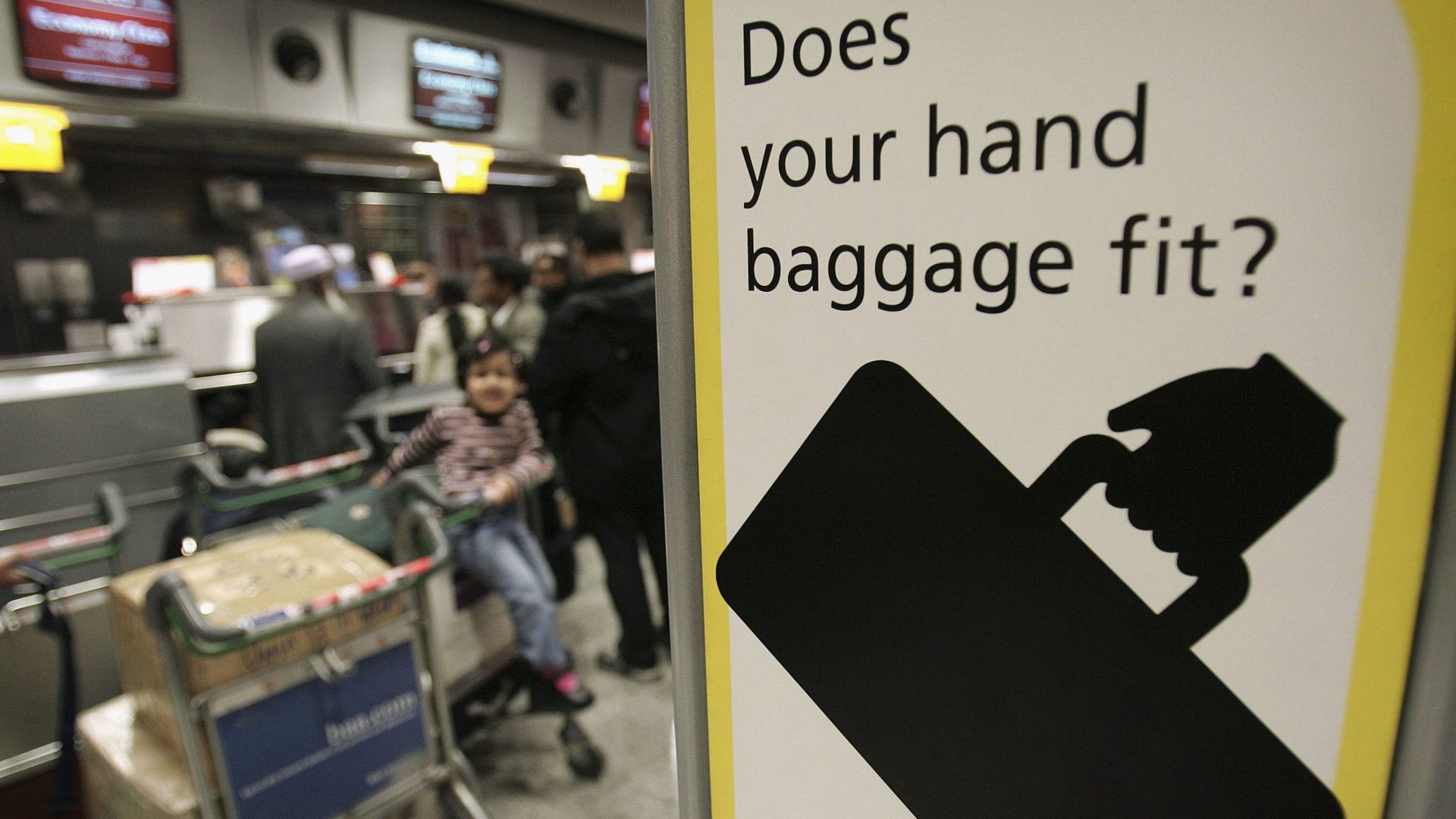
The point is that the budget airlines – and Ryanair are very much not unique in this – are ever-vigilant when it comes to ways of making more money. And it’s worth bearing that in mind amid the news this week that agreement has finally been reached on EU plans banning airlines from charging for hand luggage.
After a phenomenal 13 years of talks, from next year airlines will have to show the price of a ticket, including hand luggage, at the start of the booking process, rather than adding the cost later.
The time of year being what it is, chances are that you may have wrestled recently with flight prices which seemed reasonable until you come to check out and realise you’re limited to taking a toothbrush or wearing all your clothes like Joey from Friends (the prequel to Joey).
Ryanair’s “Priority & 2 Cabin Bags” price costs between £6 and £36 per flight, with an average fee around £20.50; with Easyjet a large cabin bag online typically costs between £23 and £30, or up to £60 if you pay at the airport.
Suggested Reading
With Burnham, Britain’s age of the disposable prime minister has to end
Under the EU plans, that will change. Fares will have to include a cabin bag. Airlines will be forced to change pricing models that include a charge for anything that is larger than a small bag placed under the seat.
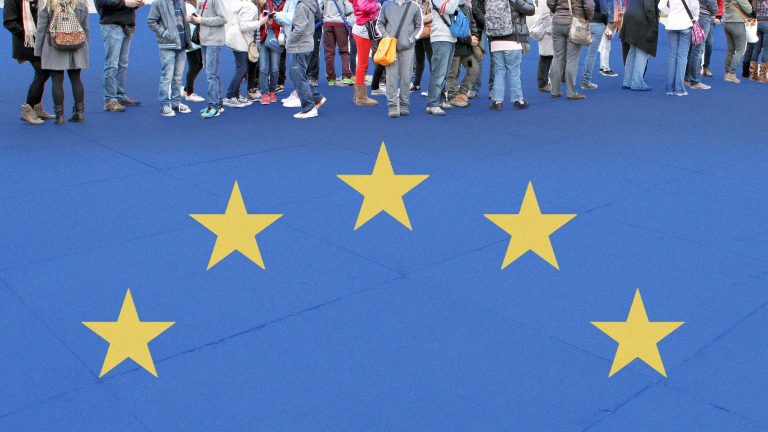
Which all sounds great, except… while the rules will cover flights within the EU (whether they are operated by EU or non-EU airlines) flights leaving the EU and those arriving in the EU when operated by an EU carrier, they will not cover the last of those if the airline is based outside the EU.
This will mean that they will cover all Ryanair flights, the company being based in Dublin. But they will not cover Easyjet (based in Luton) or Jet2 (Leeds) arriving in the EU – posing the very real scenario of them operating different systems for flights in each direction, one charging for hand luggage and one not.
Which?, the consumer group, has said: “It would be impractical for UK carriers to apply one set of bag rules and charges on inbound flights from the EU, and outbound legs from the UK.” Which it would – but it would also be impractical for a budget airline to put coin slots on toilet cubicle doors and strap passengers in while stood up, and it didn’t stop budget airlines from considering those. And this time there are no pesky safety rules to get it in the way.
So from next year there is the very real possibility that, while passengers within the EU get what they see when they book their budget flight, in the UK that may very well be one-way only, with the current situation, when it is sprung on you at the very end of the booking process, still applying for one leg of your journey. Another Brexit benefit to think about while you’re standing in the airport queue this summer.
 Most popular
My truly deranged encounter with Trump apologist Kellyanne Conway

Suella Braverman’s book has sold only 106 copies. This is why

The moral depravity of Robert Jenrick
Hungary’s lesson to the world: Populism isn’t permanent