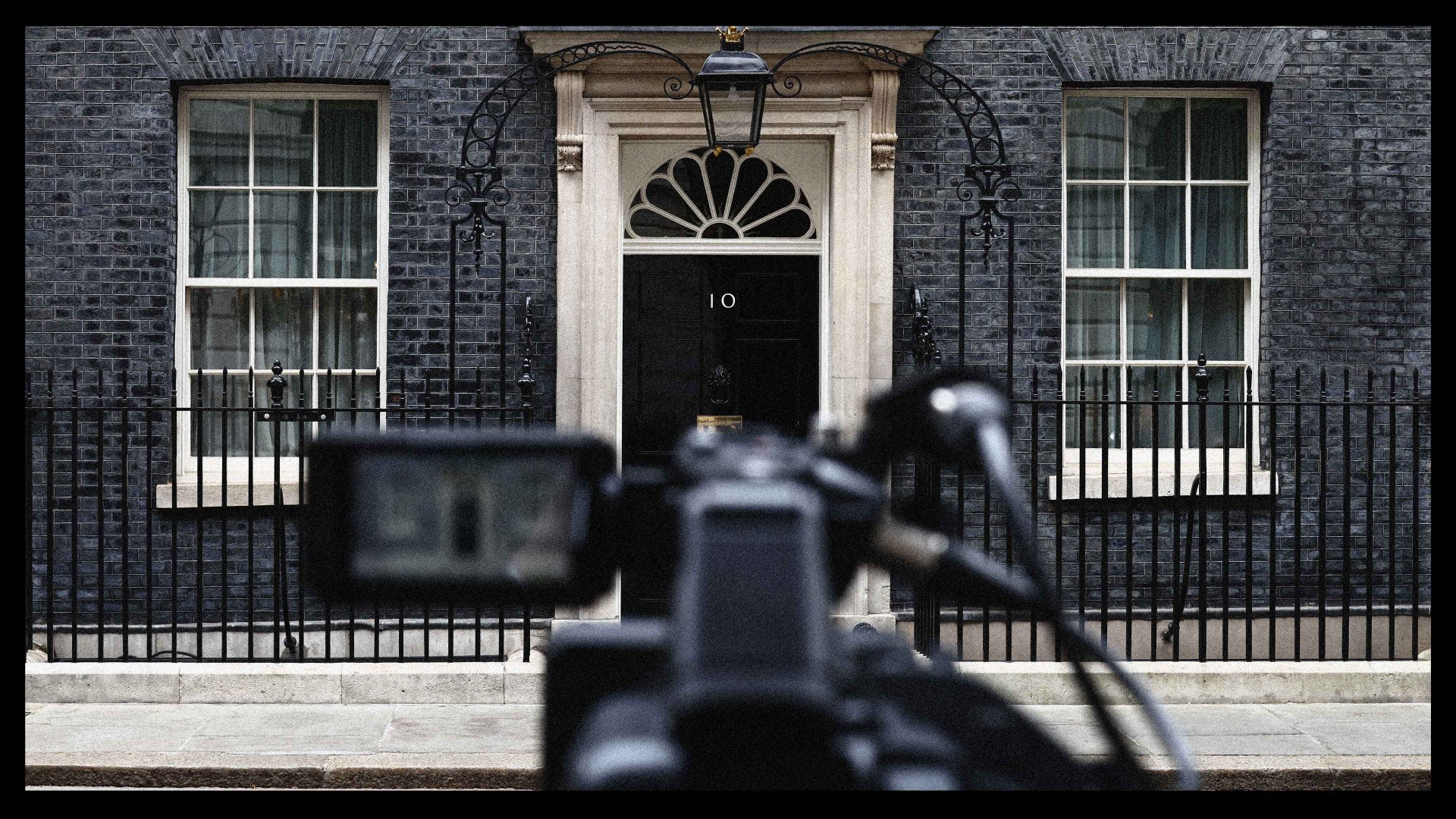
The total lack of political nous that characterised Sir Keir Starmer’s short-lived UK premiership remained in evidence to the end. His heavy hints that he would give the country a day’s holiday if the England team won the World Cup ensured that either he would be remembered as the grinch who punished the team, and the people, for a failure to carry off the trophy, or Andy Burnham would be the PM glorying in the national celebration of victory.
It was June 22 when Starmer bowed to the will of his party, and much of the country, and resigned.
In his own resignation speech as Tory chancellor in 1993, Norman Lamont accused his party of looking as if it was “in office but not in power”. Arguably, that description could have been applied to Starmer long before June 22, but it has undeniably been the case since.
Whatever one thinks of Burnham’s campaign to dislodge the PM, it has left the country even more rudderless than it had been. If he had prolonged the interregnum as suggested, with Starmer remaining nominally PM until September, it would have been intolerable.
The handover of power is rarely entirely smooth, but when it is within the governing party, it can be particularly fraught. By comparison, a general election delivers a much neater solution: the PM and ministerial team remain in office, and only if the electorate’s verdict is that they should go does change ensue. An indecisive vote can delay things: in 2010, there were three days of uncertainty before David Cameron and Nick Clegg agreed the terms of the Conservative/ Liberal Democrat coalition and Cameron took charge.
Suggested Reading
14 ideas Andy Burnham definitely – definitely – won’t have thought of
Before that, the intensifying tensions between Tony Blair and his chancellor, Gordon Brown, led to an uncomfortable period in which Blair’s announcement before his third successful general election that he would not stand for a fourth term led to intense speculation – and desperate hopes from some, including this writer, that Brown’s ambitions would be thwarted by a rival. Alas, one favoured candidate, David Miliband, eventually decided against standing and Brown got his wish to slide into No 10 in 2007, but was ousted in the 2010 election.
But Britain had still to see just how messy handovers become. As in so many areas, Brexit was the ultimate culprit. Cameron’s decision to stand down in the wake of that disastrous 2016 referendum result led to the Tories opting for Theresa May to succeed him but, a couple of years later, they pushed her out, choosing to entrust the country to the slippery hands of Boris Johnson.


For the civil servants trying to manage the country through the Brexit miasma, the changes in ministers that inevitably follow a change in leader were making a difficult task even harder. But worse was to come.
Tory Party members, a mere 170,000 or so people, some of whom must have been of relatively sound mind, chose Liz Truss to take over. She caused such unimaginable chaos that she was forced out in record-breaking time.
With little enthusiasm for another election, Rishi Sunak took over unopposed. By then, civil servants and the public were reeling. The prospect of a sensible, if unexciting, leader in the shape of Keir Starmer looked like salvation.
The lack of charisma might have been surmountable, but the sheer incompetence was not. So here we go again. But constant change and ministerial terms measured in months rather than years do not make for good government.