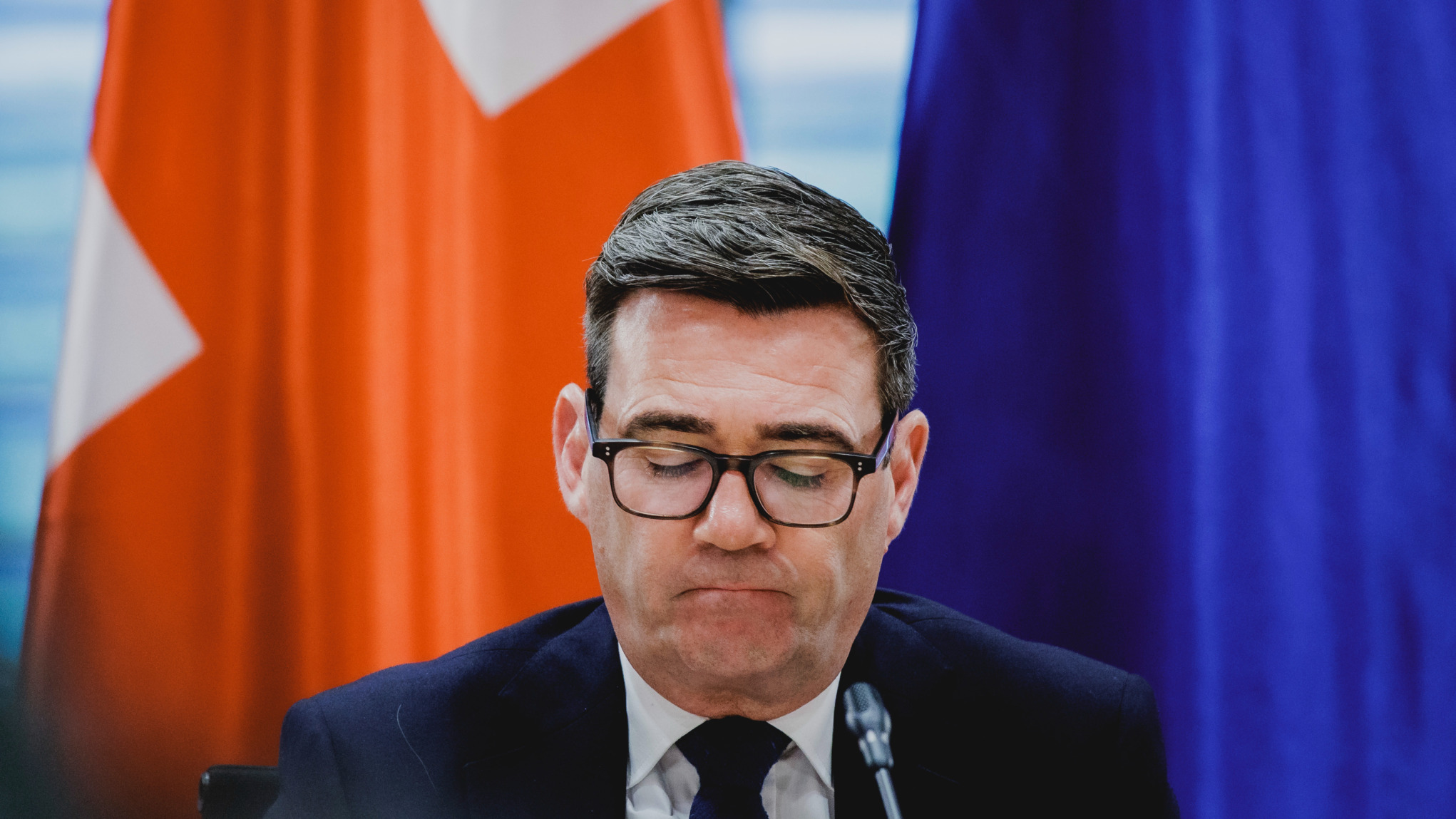
In the hundreds of thousands of words written about Andy Burnham’s surprising enthusiasm for not only wanting to take Britain back into Europe but, even more surprisingly, being willing to say so, five of the fundamental questions of journalism have been wrestled with.
These, as any good cub reporter worth their salt will tell you, are: who, what, where, when and why? And, in the case of the prime minister’s mission, these answers are: Andy Burnham, fixing Britain’s economy and place in an uncertain world, Europe, after the next election and because the last decade has been the most disastrous experiment in forsaking any sort of common sense for a blinkered, unyielding ideology in the country’s history.
But journalism students know there is an essential sixth question: how? And not only is this the one yet to be conjured with, it is the fundamental question Burnham will begin to wrestle with, beginning on November 20 in Brussels and the first Brexit reset summit of his nascent premiership.
Remember all those TV-friendly academics who made their name in the Theresa May and Boris Johnson years explaining Berlaymont politics to a bewildered public? It’s time to put out the Bat signal.
One advantage cited by supporters of a swift return to the bloc is that, having only relatively recently left, the UK already possesses the necessary requisites to join – which to a certain extent is true. No Albanian or Ukrainian worries about corruption or the rule of law here, until – God forbid – any recipients of unconditional multimillion-pound gifts enter Downing Street.
Suggested Reading
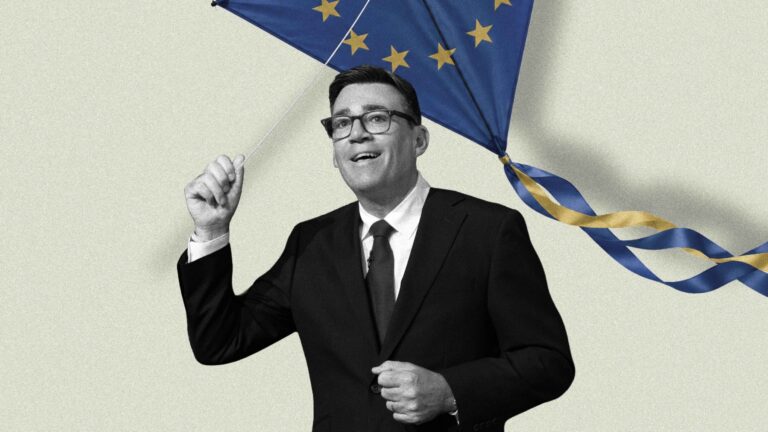

Andy Burnham thinks he has found Britain’s Brexit escape route
But what we actually possessed were the necessary requisites to remain. EU membership is not a Netflix subscription which can be switched on and off at will in between series of Emily in Paris. Once you’re out, different membership criteria apply.
The UK would be expected to make full contributions to the EU budget, without the rebate it previously negotiated. Would a Burnham – or a successor – government sign up to this?
The UK would also be required to sign up to the principle of eventually joining the euro. Would it do this? Or would it find a way of doing a Sweden – accepting the principle and then artfully finding a way around it (Sweden, where public opposition remains high, avoids it by not joining the Exchange Rate Mechanism)?
Would a UK 2.0 have to join the Schengen area? Or might there be some flexibility on that because we don’t have identity cards? (Ironically, were having ID cards to turn out to be a requisite for returning to the EU, it might be a tougher sell to Labour MPs than membership itself.)
And then would the EU automatically want us back? The European Commission, the EU’s executive arm, certainly does but what about the individual countries?
Suggested Reading

The Budget that smelled like an early election
There would need to be unanimous agreement among the 27 current member states. France blocked two British attempts at accession in the 1960s. And the member states would have to ratify it according to their own constitutions.
Under Article 88-5 of the French constitution, France could even put its support for UK accession to the people. Would it be so outlandish for a – again, God forbid – President Le Pen to do so?
And even before that, would the UK have to have a referendum? Burnham, in one of his thinking-out-loud moments, appears to think not. But isn’t there an argument one enters through the same door one left – i.e. through a second referendum?
Or why not a referendum such as Iceland just held (albeit unsuccessfully), simply on the merits of beginning accession talks with the EU before they open? But would just a tight victory for “yes” in that scenario suggest to Brussels that talks were barely worth having?
Sorry. This column should be informative, not asking you the questions. But as we now start having what appears to finally be a very real conversation about returning to the heart of Europe, with a PM who appears to believe in it as much as we do, this is the time to start wrestling with the very real questions which, we know from last time around, our media and populist politicians won’t.
 Most popular

What happens to Trump if he loses the midterms?

It might not look like it, but a motoring miracle has now happened

It’s time for Burnham to kill off old Labour

18 things that will absolutely, definitely happen if Trump gets whopped in the midterms