If future historians ever wanted to truly pinpoint the exact moment the collective British body politic absolutely lost its mind, it could do worse than March 2, 2020.
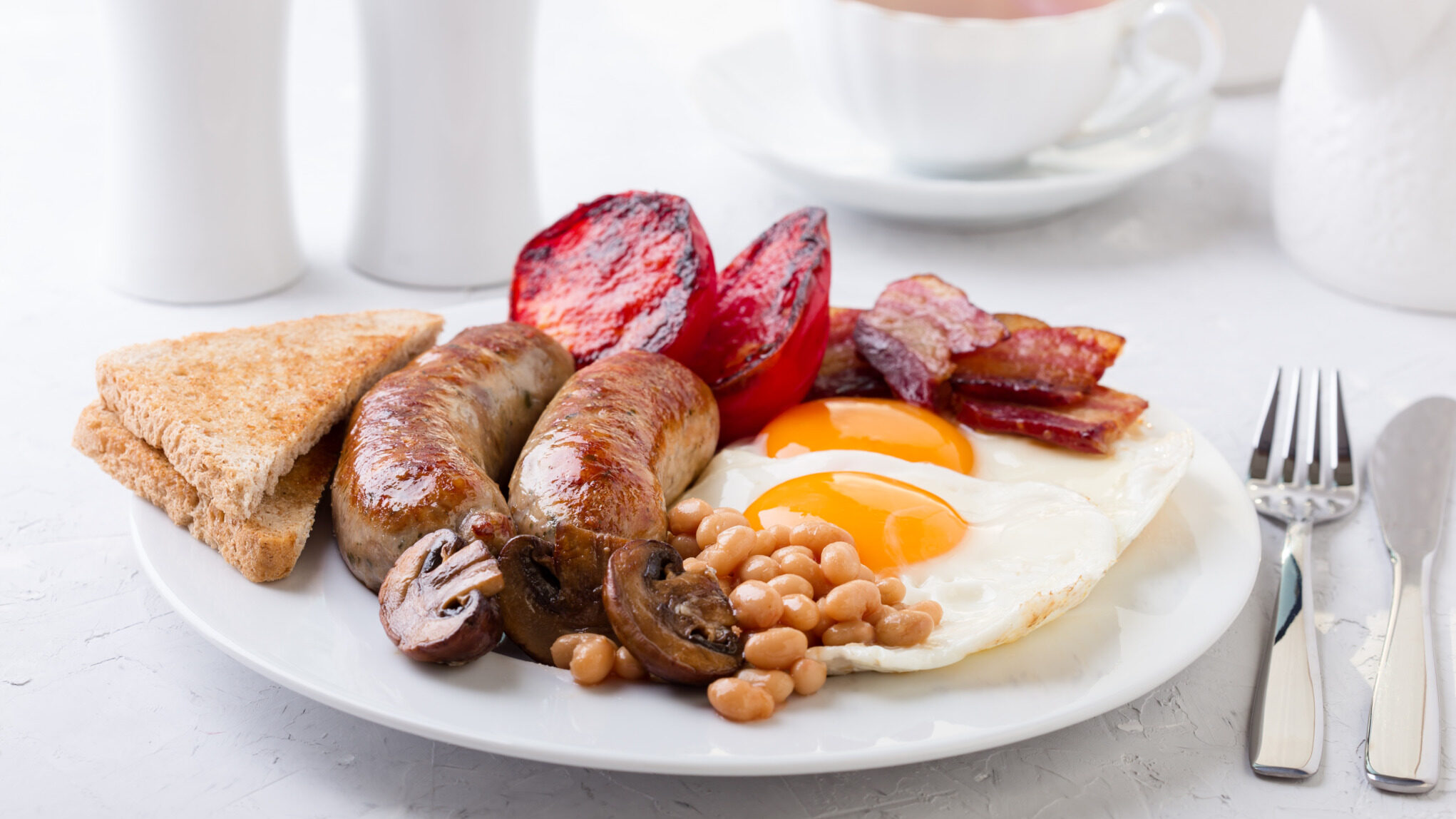
That was the day when the Daily Telegraph posted on what was then Twitter that “David Frost enjoyed a delicious patriotic breakfast of sausages, baked beans, bacon and eggs before leading a team of 100 UK officials into negotiations”.
The tweet linked to a report on the UK’s chief Brexit negotiator’s breakfast by Brussels correspondent and mini-Boris James Crisp (a former news editor of the Daily Sport who must yearn for the time he worked for a serious newspaper) about Frosty’s pre-negotiation fry-up, noting approvingly that he was “served a full English breakfast ahead of the first day of tough trade talks”.
Parking for one moment that future historians may note this was the moment the penny dropped that the UK’s negotiating team was the equivalent of going into an Ashes decider with Mr Blobby opening the batting, it comes as part of a weird obsession with the first meal of the day by ardent Brexiteers.


In October 2016, on-off (currently off) Welsh Conservative leader Andrew RT Davies told his party’s annual conference that: “Mark my words, we will make breakfast… Brexit a success.”
And now this week the Telegraph has returned to the topic, with the selfsame Crisp – since promoted to Europe editor – looking ahead to Andy Burnham’s planned reset summit with the EU in Brussels next week by focusing on the only real topic that matters. Emissions trading? Nah. Youth mobility? Pah! The headline? “What Burnham’s Brexit deal means for your breakfast.”
“Andy Burnham will soon strike a food and drink deal with Brussels that means the Great British breakfast will never be quite the same,” fretted Crisp, under a large picture of what absolutely everybody in Britain starts each day with: two rashes of bacon, two sausages, two slices of toast, a fried egg, baked beans, half a tomato, jam, marmalade, a cup of tea and a glass of orange juice.
“The deal, which will be finalised at a Nov 20 summit, is expected to be implemented by 2028 at the earliest,” he reported. “So what does this new Brexit deal mean for breakfast in Britain?”.
The article then listed all sorts of things which presumably Telegraph readers were supposed to march on Parliament about: that – gasp! – “the EU significantly lowered the legal limits for nitrites and nitrates, which are used to cure bacon, in 2023” (although major UK supermarkets already forced suppliers to lower nitrites and nitrates below EU standards years ago, meaning retail bacon will not change) and that makers of marmalade face changing their labels because of new rules forcing them to include the type of fruit (most British jars already specify the fruit).
Suggested Reading


16 things that will definitely now happen on the British right
Most heartbreakingly for the paper, it notes that HP Sauce, the “beloved British condiment will stay exactly the same” because… it’s been made in the Netherlands since 2007.
Oddly, though, the paper seems to think all these changes are bad things. It spends much of the article warning that compliance could push up prices, while burying that the Sanitary and Phytosanitary (SPS) deal is predicted to deliver a £5.1 billion-a-year boost to trade.
And essentially, it appears to be arguing that, of the changes which might affect British producers, removing pesticides from tea and coffee (“now roasters and blenders will have to ensure their suppliers adhere to stronger European standards”), ensuring minimum fruit requirements in jam (“It must have at least 450g of fruit per kg, an increase from the old 350g minimum still followed in Britain”), reducing sugar in juices (juice with naturally occurring sugars removed “must be called a less appealing name such as ‘juice drink’”) and fewer chemicals in bacon (which, even the Telegraph concedes, “are seen as a cancer risk”) are somehow a bad thing.
In fact, if – as the paper and its Europe editor think – this is what we’re all stuffing ourselves with on a daily basis, might these rules not be a good thing for our beleaguered NHS? Think how much we could save on a weekly basis! Perhaps we could put it on the side of a bus.
 Most popular


The reckoning I thought Russell Brand would never face

Why does everyone hate Laura Kuenssberg?
16 things that will definitely now happen on the British right


Slavoj Žižek: Beating Trump isn’t the wild triumph you all seem to think