If Mario has his Wario and his brother Luigi has a Waluigi of his own then I, Marie Le Conte, have… well, not quite Warie Le Wonte, at least to the best of my knowledge, but I do have one clear, new antagonist: loneliness influencers.
In one corner of the ring, you can find me, a grotesquely extroverted woman who considers spending an evening alone at home to be little more than a necessary evil, merely existing in order to try and keep the gout, liver troubles and bankruptcy at bay. When the first lockdown hit Britain, a close friend checked in on me and memorably said “well if there’s one thing anyone knows about you, it’s that you love being with people and also being outside the flat”.
In the other corner of the ring, preening and taunting me, are this new crop of online quasi-celebrities. I won’t name any of the individuals concerned, as I have no desire to give my enemies free publicity, but it is worth going through the sort of content that has made them famous online in 2026.
Their videos are usually titled something like “POV [point of view] you’re a childfree and single girl who lives alone, so this is how you spend your Friday night”. They usually take place in New York, or Los Angeles, or another big, glamorous western city.
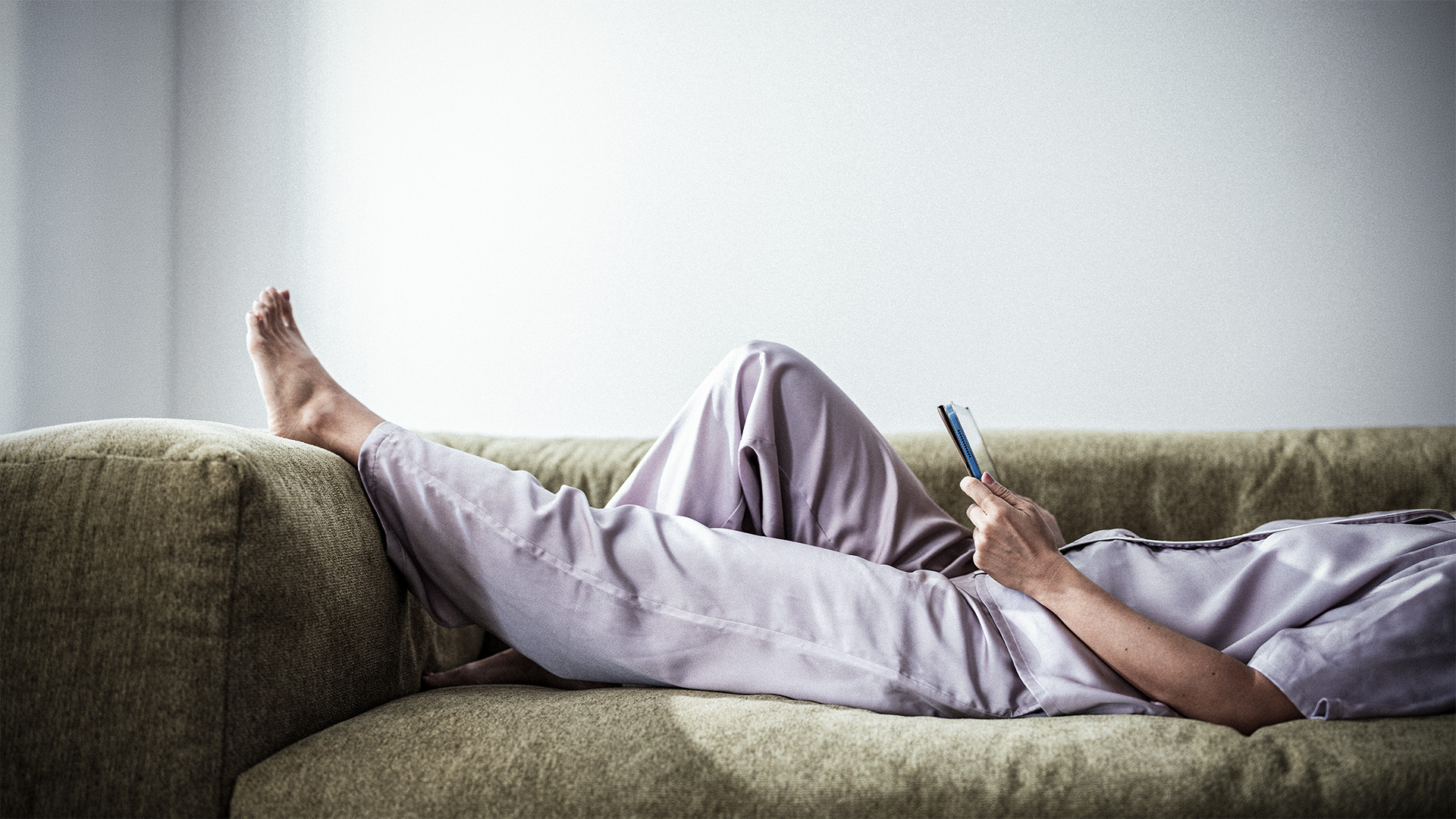
The content can change a bit from clip to clip, but one example might be: an impeccably dressed woman in her twenties or early thirties walks through the door of her beautiful apartment. She greets her cat. She changes into something more comfortable. She makes herself a dinner that is aesthetically pleasing yet not unreasonably fancy.
She eats it, perhaps drinking some form of elegant diet soda alongside it, then she has a long bath – bubbles non-optional – and settles on the couch or in bed to do a lengthy skincare routine while watching a TV show, or reading a TikTok-friendly novel. Eventually, her night ends, and so does our story. Ta… dah?
Though several American magazines decided to write about the trend a couple of weeks ago, I first spotted it a few months before that, as for some reason the videos started appearing on my screen, thanks to an algorithm that clearly just doesn’t understand me. I watched one then two then three, wondering if perhaps there would be a fun or scary twist at the end, then I did my best to get rid of them.
Mostly, what fascinated me wasn’t what was being shown in the videos, but what was around them. I personally found those slices of life to be heart-wrenchingly depressing, but somehow they’d accrued thousands and thousands and thousands of likes. People really – really – enjoyed them. It made me feel like an alien in an ill-fitting human costume, trying their best to blend in but utterly failing.
Eventually, it reminded me of what I felt like when I watched other kinds of videos allegedly showing the lives of successful people. Do you remember the times, last year and the year before that, when all these hip online culture outlets could talk about was “the grindset”, and all those men apparently working 90 hours a week every single week and bragging about the wealth they’d accrued as a result?
You know the ones. The guys would always wake up at 4am and do some absurd forms of exercise and have the sort of diet that would make Gwyneth Paltrow look like Ronald McDonald. They were so weird to watch, especially as they were meant to be aspirational.
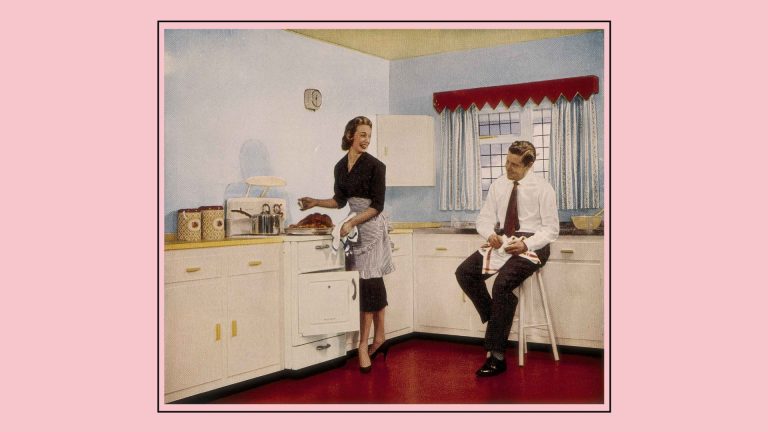
Of course, women also had their own gendered version of those, in the shape of the trad wife – one half of a good, conservative, god-fearing and wonderfully affluent household, whose task it was to keep the home spotless, the extravagant meals homecooked, and their 17 beautiful children educated. Is that really the life women yearn for in the 2020s?
Suggested Reading
Should we relax about phone use at the cinema?
Really, “loneliness influencers” may feel like a novel phenomenon, but they are merely part of a trend which took over social media some time ago. Reasonably or unreasonably, it is assumed that what people want on their feed is content from people with amazing lives and lifestyles; rich, successful people they can dream of becoming. In reality, however, most of those influencers’ lives just seem drab and not in any way inspiring.
What if I don’t want to wake up before dawn and work until midnight just so I can look at money pouring into a bank account I never have the time to use? What if I’ve no interest in living the sort of life my foremothers sought so desperately to escape from? What if spending all my money on a nice, grey flat then never leaving it in the evening is my own idea of hell?
What counts as “success” will always change from person to person, but whatever versions of it we’re getting offered by social media right now never fail to feel dystopic. It seems worth wondering if, perhaps, the real people having incredible, awe-inspiring times aren’t the ones living their amazing lives far away from our screens.
 Most popular
Pakistan’s solar miracle – how the hell did they do it?

The 13 people most to blame for Brexit
Alpine divorce and the dangers of falling for a bastard
A history of Brexit in 256 disasters