David Cameron
“The renegotiation is happening now. And the referendum that follows will be a once-in-a-generation choice”
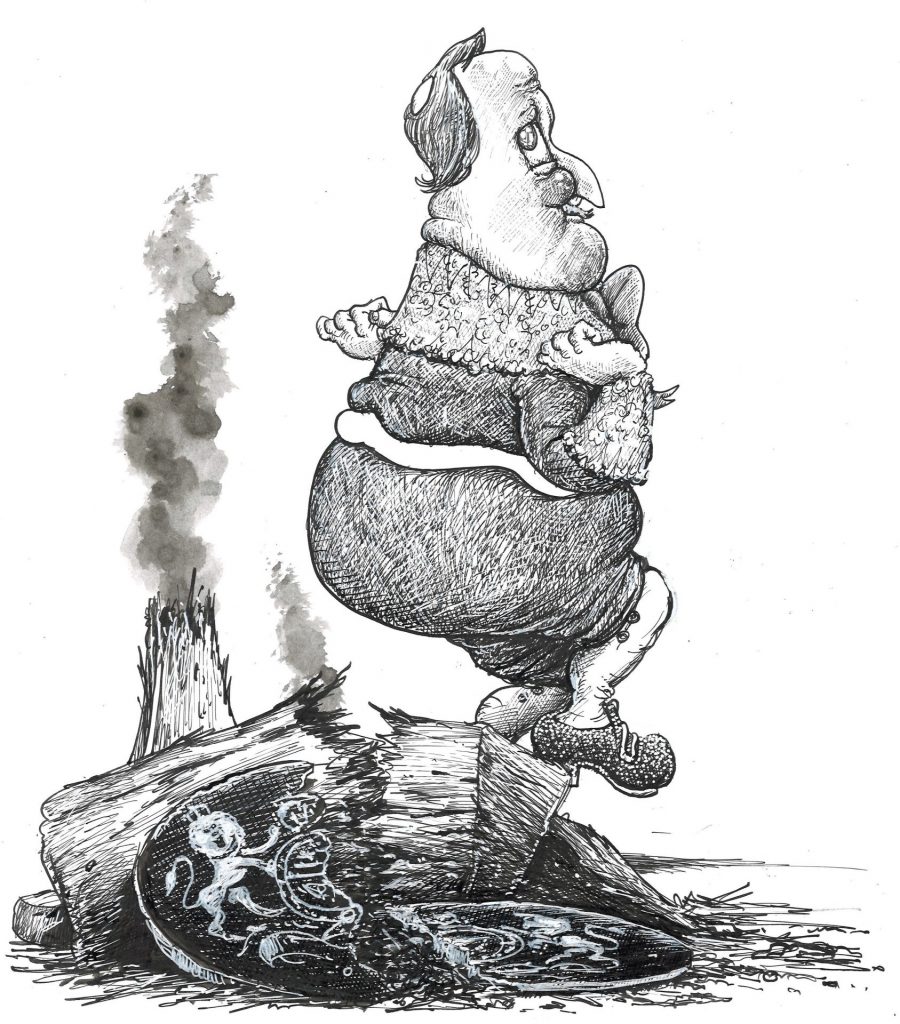
During his first speech as Conservative Party leader, David Cameron told his party it needed to stop “banging on about Europe”. How did that turn out?
Cameron – the modern Tory leader, the hoodie hugger, the husky sledder, the man who recorded WebCameron in his kitchen – came to power determined to move his party on from being obsessed with Brussels. He dismissed Ukip as “fruitcakes and loonies – and closet racists mostly”. How did he end up being the man responsible for plunging Britain into a decade dominated by the issue of EU membership?
Despite all his claims, the early seeds were sown in his campaign for the leadership. To assuage his party’s headbanger wing, Cameron vowed to pull Conservative MEPs out of the centre right European People’s Party group in the European Parliament and sit with a new, more Eurosceptic alliance known as the European Conservatives and Reformists. It was a bun for the crocodiles. But to quote the Europhile former chancellor, Ken Clarke: “The trouble with feeding buns to crocodiles to keep them happy is that sooner or later you run out of buns and the crocodiles eat you instead.”
So in 2014, when Nigel Farage’s Ukip became the largest UK party in Brussels, winning 24 seats to the Conservatives’ 19, Cameron’s own fruitcakes and loonies put pressure on him to make a big offer – a vote on membership of the EU itself. Cameron was confident he would win – hadn’t he already won two big referenda already, on Scottish independence and introducing AV, a referendum even those directly involved in it have long forgotten?
You know what happened next. Cameron lost, he quit, he vanished for a bit, he wrote a very odd memoir in a shepherd’s hut, he got involved in a lobbying scandal. He had a brief second act as foreign secretary under Rishi Sunak, then he vanished again. He now sits in the House of Lords as Baron Cameron of Chipping Norton, but rarely speaks, votes or even attends.
Perhaps, though, the epitaph to the insouciance he brought to office are his own final words as he walked back through the door of 10 Downing Street after his resignation as prime minister, the morning after the Brexit referendum result. “Doo-doo, doo-doo.”
Boris Johnson
“We will prosper mightily as an independent free-trading nation, controlling our own borders, our fisheries, and setting our own laws“
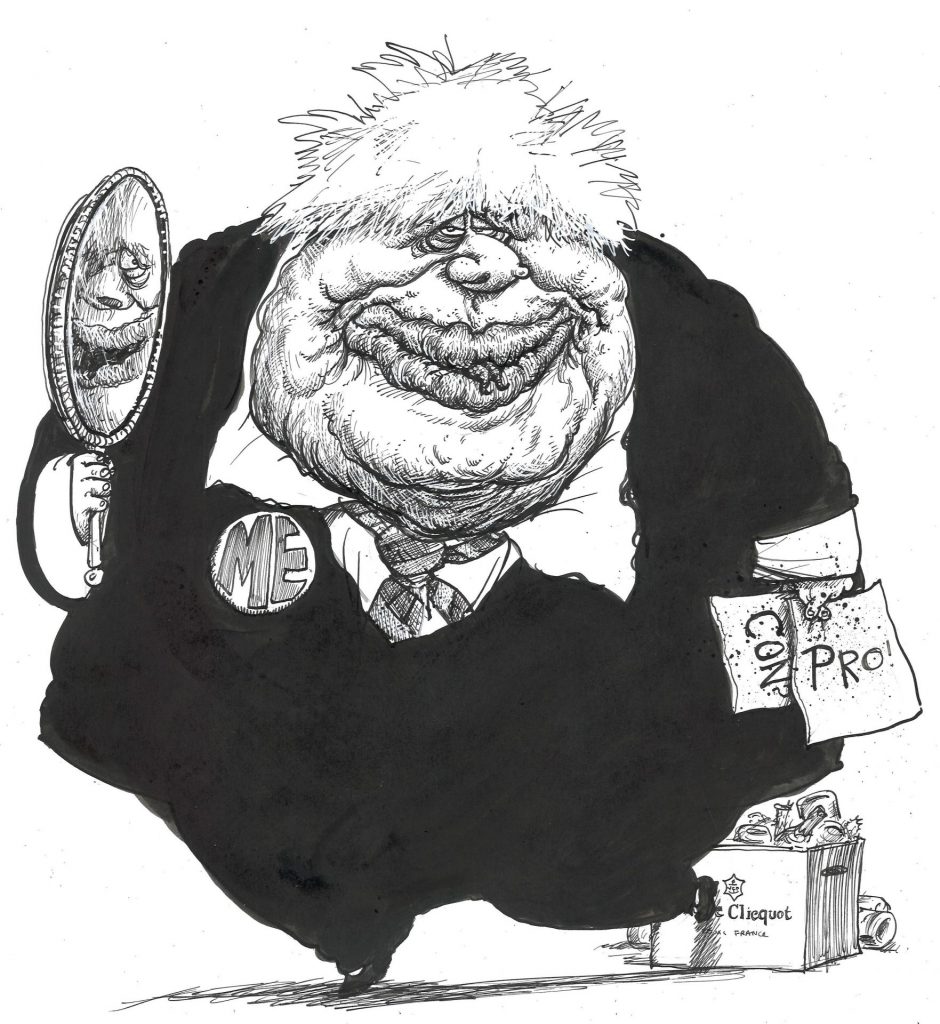
Buffoonish, arrogant and full of empty promises and downright lies, Boris Johnson was the embodiment of Brexit. Everyone knows that he only backed it at the last minute, having written two different versions of his fateful Telegraph article before deciding that Leave would best suit his own ends, if not the country’s.
It’s now clear that for him, Brexit existed solely to get Boris Johnson into No 10. It was supposed to do that by him losing the referendum but damaging his friend David Cameron in the process so much that Johnson would be carried on the shoulders of the ERG down Downing Street, where he would be crowned as prime minister by a grateful nation. If it meant shafting his country as well, that was fine with him.
Johnson’s shambolic nature meant he missed out on becoming PM in 2016. Instead, he worked tirelessly to undermine Theresa May, finally re-establishing himself with a resignation and a front-page Telegraph article full of his trademark pompous drivel: “We have blinked. We have baulked. We have bottled it completely. It is time for the PM to channel the spirit of Moses in Exodus, and say to Pharaoh in Brussels – LET MY PEOPLE GO.”
Having forced May out, Johnson reached what he always saw as his destiny, before being brought down by the weight of his own personal flaws. He did manage to wrench the UK out of the EU, only with a terrible trade deal, before ignoring most of his own rules during the very Covid lockdown he brought in and finally being shivved by his own ministers after forcing them to lie about what he knew about a deputy chief whip’s proclivity for groping junior staff.
Johnson’s abject failure as PM means that he is no longer a political force. But while the country suffers the effects of his disastrous policies, all is well in Borisworld. He has trousered £8m since leaving No 10.
Suggested Reading
Meet the Brexiteers who moan that Brexit has made them unpopular
David Davis
“There will be no downside to Brexit, only a considerable upside“
David Davis, Theresa May’s head-scratching choice as Brexit secretary upon taking office as prime minister, proved comically inept as he had rings run around him by chief EU negotiator Michel Barnier. Having declared “There will be no downside to Brexit, only a considerable upside,” he went on to brag, “We’re not really interested in a transition deal, but we’ll consider one to be kind to the EU.”
After being roundly pilloried for a picture taken at a negotiation in 2017 to which Barnier and his team were equipped with piles of notes and Davis didn’t even have a pen, he said: “You don’t need a piece of paper with numbers on it to have an economic assessment.” He later summed up his role as: “What’s the requirement of my job? I don’t have to be very clever, I don’t have to know that much.”
In one of his few positive contributions to public life, Johnson’s unhinged guru Dominic Cummings once described Davis as “thick as mince, lazy as a toad and vain as Narcissus”.
Nigel Farage
“If Brexit is a disaster, I will go and live abroad, I’ll go and live somewhere else“
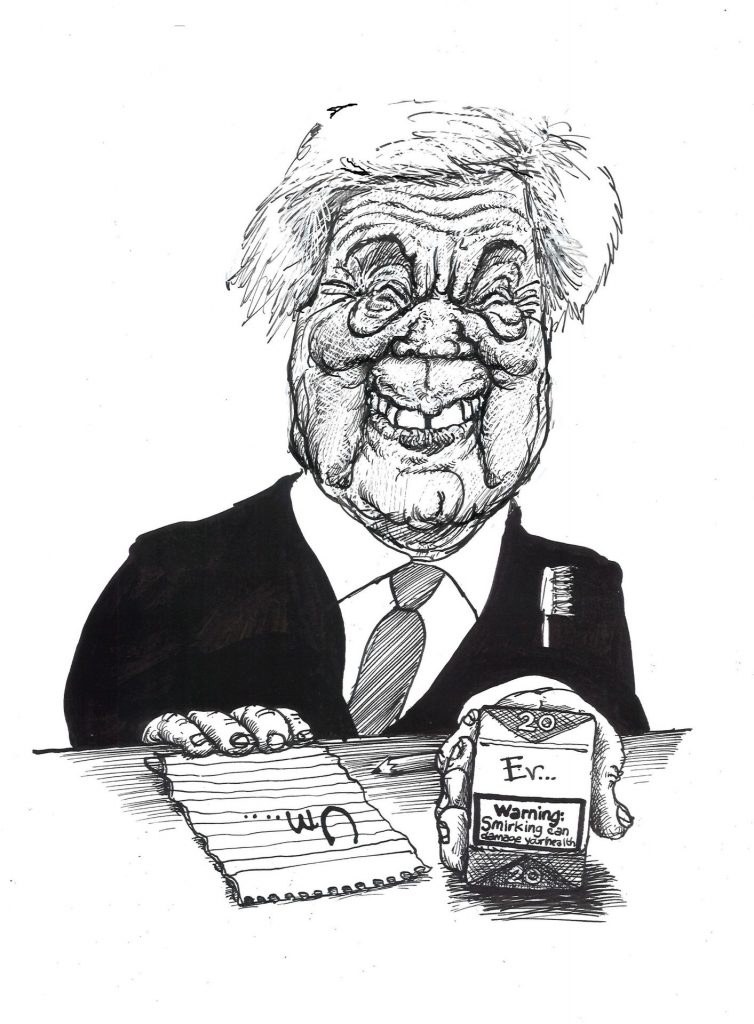
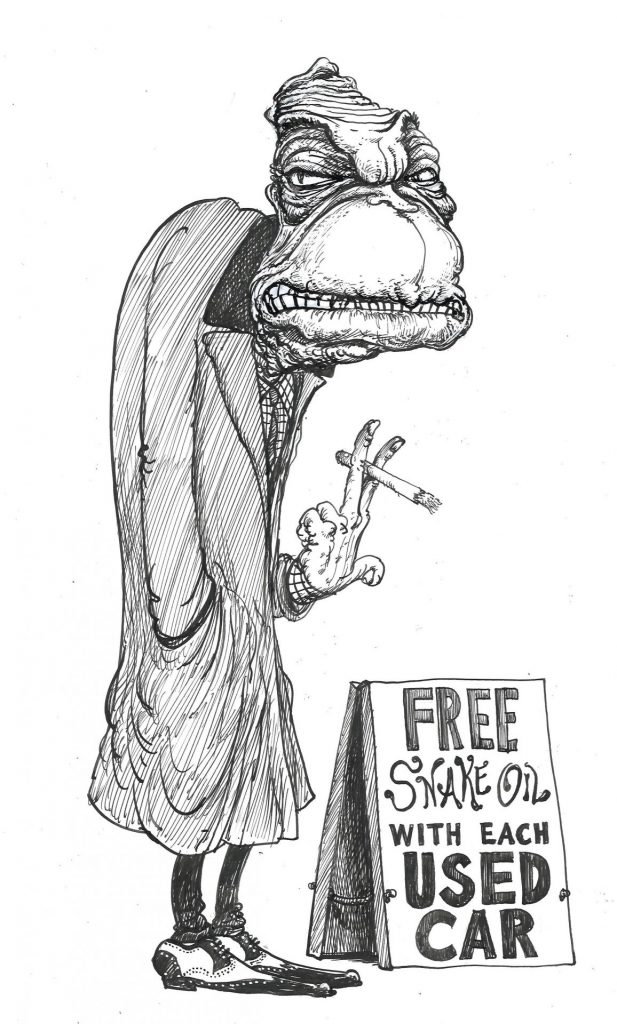
A rampant egotist and snake oil merchant, the tweed-clad pub bore was locked out of the official Leave campaign but did its dirty work with dogwhistling posters and speeches. Sidelined after achieving his life’s goal, he then focused on his other passion of getting very rich indeed before forming the Brexit Party to put pressure on the Conservative Party’s right flank.
Farage stepped back from politics for a while, spending some time earning even more money in ITV’s I’m a Celebrity… jungle, before taking a supposedly no-strings £5m gift from Thai-based billionaire Christopher Harborne, replacing his dullard chum Richard Tice as leader of the now-rebranded Reform UK (in effectiv a business he owns) and finally getting elected to parliament. He is now odds-on to be the UK’s next prime minister.
Farage now prefers not to talk about Brexit at all, but in 2018 he announced: “Maybe, just maybe, we should have a second referendum on EU membership. It would kill off the issue for a generation once and for all.”
That same year he told listeners to his LBC show of Brexit: “I never promised it would be a huge success.” Not for the rest of us, but it has certainly worked out nicely for Nigel.
Suggested Reading
How the global far right is attacking your mind
Michael Gove
“I think the people of this country have had enough of experts, with organisations with acronyms saying that they know what is best“
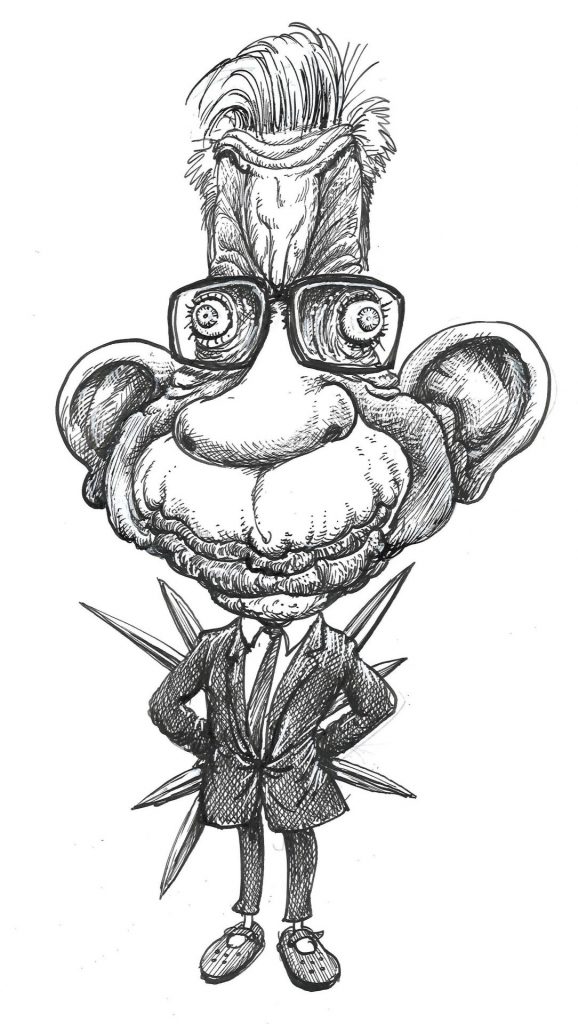
In his own mind, Michael Gove should have been the Brexiteer who became prime minister. “The day after we vote to leave, we hold all the cards and we can choose the path we want,” he said ahead of the referendum, only to win it, turn against his Leave campaign co-leader Boris Johnson, run a terrible campaign for the Tory leadership and be sacked from government by Theresa May.
Gove is now editor of the Spectator, but it is Brexit for which he will be best remembered. The man who said “I think the people of this country have had enough of experts”, the very experts who were right all along. The man who told us we could have all the benefits of EU membership and none of the costs; that we had the EU over a barrel; and that we were going to get an even better deal as a result.
When he left politics in 2024, the only supposed benefit of Brexit that Gove could cite in his resignation letter was that infamous “taking back control of our political destiny”. The pure, British, union jack-wrapped, political destiny that gave us Boris Johnson and Liz Truss, that almost bankrupted the country, that weakened its power and influence, that destroyed ties with our friends and partners and that made the country a laughing stock.
Incredibly, his ex-wife Sarah Vine has since suggested Gove’s decision to betray David Cameron and back Leave in the first place was sparked by her former hubby’s demotion from education secretary to chief whip in 2014 and the resulting cut in his salary – suggesting this whole mess might have been avoided for an extra £36,000 a year.
Dominic Cummings
“Would we have won without immigration? No. Would we have won without £350m/NHS? No. Would we have won by spending our time by talking about trade and the single market? No way“
One of the most insane figures to have got anywhere near the levers of power since Grigori Rasputin persuaded Nicholas II that his prayers cured haemophilia, Dominic Cummings similarly crashed and burned in spectacular style.
A politician-hating lifelong politico – apart from an odd period attempting to set up an airline in Russia, Cummings’s first foray into British politics was as part of Business for Sterling, which campaigned against the euro, before becoming director of strategy for Tory leader Iain Duncan Smith (who he soon realised was “incompetent”). After a period with bonkers right wing think tank the New Frontiers Foundation and the campaign against a north-east assembly, Cummings latched on to Michael Gove, becoming his special adviser. A Policy Exchange speech by David Cameron at the time in which he referred to a “career psychopath” advising one of his ministers was widely understood to have referred to Cummings.
After being campaign director for Vote Leave – where he devised the slogan “Take Back Control” and the lie that a Leave vote would bring the NHS £350m a week – he moved on to Boris Johnson, becoming his de facto chief of staff when the chaotic Johnson became prime minister. Johnson being largely uninterested in policy, Cummings was allowed to pursue his dual agendas of waging war against the civil service, media and metropolitan elite more widely, and transforming the running of government into some sort of Californian start-up, none of which he achieved.
Instead, he made the most fatal error of all advisers – becoming the story. In 2020 a man known only to political journalists (who liked to use the phrase “Classic Dom” about his antics) became a household name after breaking the very Covid rules he himself devised by driving his family from London to Durham, while taking in a day trip to Barnard Castle to “test his eyesight”. Cummings’s card was marked, and later that year he departed Downing Street – though not for his Covid breaches, but for falling out with Johnson’s then girlfriend Carrie, who he is said to have labelled “Princess Nut Nut”.
What next for Cummings? Since leaving government he has banged out lengthy and largely unread Substack posts, and occasionally mused on setting up a new right wing political party. But he has dined with Nigel Farage – and a recent “non-fiction novel” by Times journalist Peter Chappell, What if Reform Wins, sees him re-entering No 10 as Farage’s chief of staff. Be afraid…
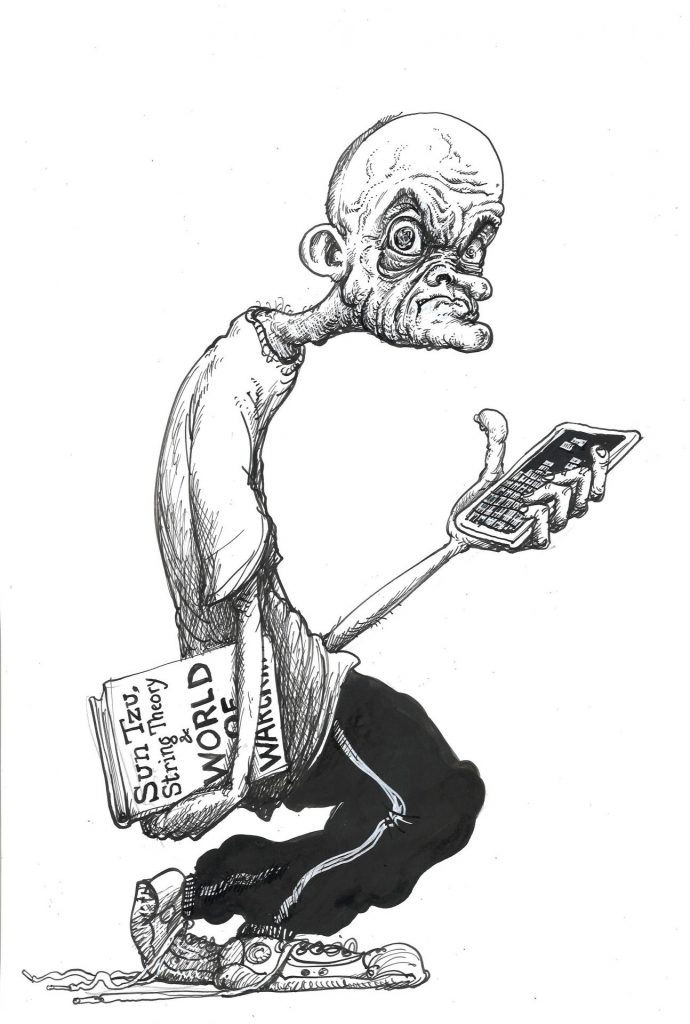
Arron Banks
“Brexit was a war. We won. There’s no turning back now“
In an alternative universe, Arron Banks, businessman, co-founder of Leave.EU and previously one of the largest donors to Ukip, could have been the star of a cult heist film.
One of the biggest personal backers of Brexit, Banks literally wrote the book – The Bad Boys of Brexit, ghostwritten by future Mrs Richard Tice, Isabel Oakeshott – which for some time Banks and his blowhard pals were claiming was set to be turned into a Hollywood blockbuster.
In 2017 it was reported that a major Hollywood studio was poised to sign a £60m deal with Nigel Farage and Banks to dramatise their part in the Brexit campaign, with publisher Iain Dale saying: “Having conquered Europe it seems the ‘Bad Boys of Brexit’ are about to woo Hollywood.”
Alas, the film never came to light, Dale saying just a year later that Banks had a touch of the “fantasist” about him.
Otherwise, while Banks remains a Reform backer, he has largely stayed out of the limelight in the intervening years, occasionally emerging to stir up some trouble or controversy. In 2025 the multimillionaire was Reform’s candidate for the West of England mayoralty, but made it clear that he didn’t actually want the job.
Days ahead of the vote he told the Times (in an interview in which he “poured himself a second glass of red wine” at midday) that polls showing he had a chance of winning were “a bit worrying” and that he was “hoping for an honourable second”. In the event he lost, taking 22.1% of the total vote to Labour’s 25%, meaning he wasn’t forced to take what he derided as a “meaningless job”.
That film, by the way? Farage probably thinks he dodged a bullet in it not getting made, given that he was being widely tipped to be played by… Kevin Spacey.
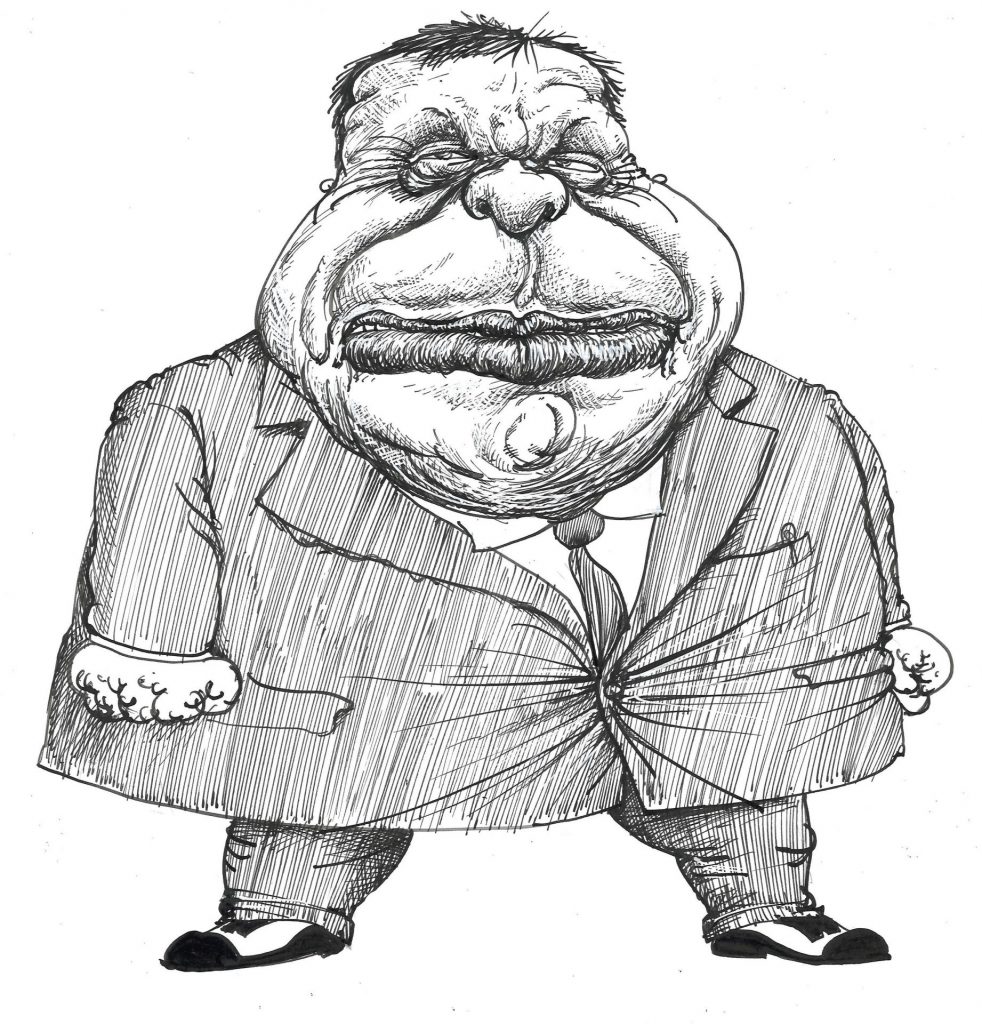
Paul Dacre
“Brexit is in the DNA of both the Daily Mail and, more pertinently, its readers. Any move to reverse this would be editorial and commercial suicide“
Arguably one of the most powerful unelected men in Britain for a quarter of a century and self-appointed guardian of the nation’s moral values, Dacre edited the Daily Mail from 1992 to 2018, pushing it in an increasingly hardline anti-European direction.
A deeply strange man, he simultaneously regarded Victorian values to be a little on the lax side while holding editorial meetings known as “the Vagina Monologues” for his propensity to use the C-word (he told Desert Island Discs in 2004: “Shouting creates energy, energy creates great headlines”).
Dacre is an ardent Eurosceptic who used his paper to push his world view. David Cameron is said to have been sufficiently scared of the impact Dacre’s Mail could have on the referendum that in February 2016 he met him to beg him to tone it down and “cut him some slack”. Dacre’s response the next day was to splash on the outcome of the then PM’s negotiations with the EU with a headline describing it as Cameron’s “Great Delusion”.
Following the referendum, Dacre’s paper became even more hardline, most infamously in November 2016 when, as three judges ruled that the UK government would require the consent of parliament to give notice of Brexit, he put their names and faces on the front page above the headline “ENEMIES OF THE PEOPLE” (a headline defended by the then justice secretary, Liz Truss).
Dacre stepped down in 2018, and in 2021 was selected by Boris Johnson to chair the media regulator Ofcom, only to be rejected. Dacre attributed this to political bias, saying it was his “strong convictions” that had led to him being judged “unappointable”.
Possibly – although it may have been because Ofcom was then primarily concerned with its new role regulating social media companies – and Dacre has never used a computer. “This is not something I am proud of, but I didn’t ever use a personal computer and barely knew how to log on,” he told a High Court case in 2025 brought by a number of celebrities accusing the Mail of unlawful information-gathering over an 18-year period.
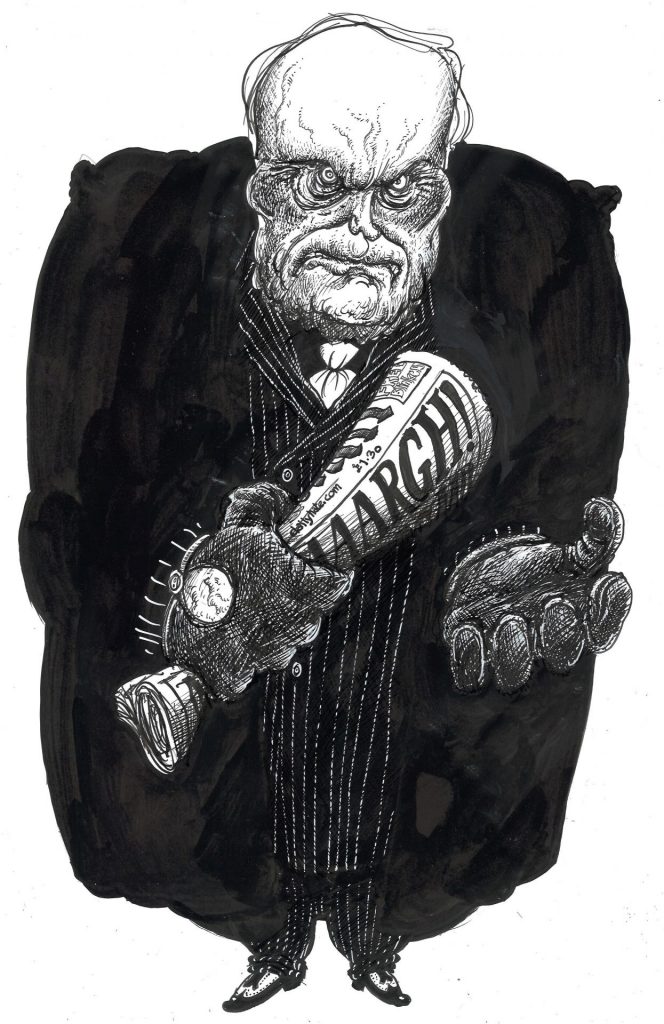
Theresa May
“I’ve been clear that Brexit means Brexit“
“Remaining inside the European Union does make us more secure, it does make us more prosperous and it does make us more influential beyond our shores,” home secretary Theresa May said in a speech to the Institute of Mechanical Engineers in April 2016, setting out why she was backing a Remain vote in the referendum.
Three months later she was prime minister charged with pulling Britain out of the EU, spending three years fighting with the most rebellious Conservative parliamentary party in history and driving both herself and the entire country mad with quotes like: “I’m interested in all these terms that have been identified – hard Brexit, soft Brexit, black Brexit, white Brexit, grey Brexit – and actually what we should be looking for is a red, white and blue Brexit.”
Never a passionate Remain supporter – she barely appeared in the referendum campaign – May almost became prime minister by mistake, her rivals taking each other out before her final opponent, Andrea Leadsom, made some ill-judged musings on her lack of children.
She then spent three utterly miserable years fighting with her MPs in a vain bid to get some sort of Brexit deal over the line, interspersed with a spectacularly hopeless 2017 general election in which she sought greater authority, only to almost lose to a Labour Party led by Jeremy Corbyn and be forced to rely on the only MPs – those of the DUP – madder than her own.
Following defeat after defeat at the hands of rebels who dubbed themselves “the Spartans”, May failed to deliver any sort of Brexit, let alone a “red, white and blue” one, and stepped down in May 2019 with a teary speech declaring her “enormous and enduring gratitude to have had the opportunity to serve the country I love.”
May became a member of the House of Lords in 2024, where – unlike David Cameron, who is rarely seen in the chamber – she is an active member, specialising in campaigning against modern slavery. So that’s something.
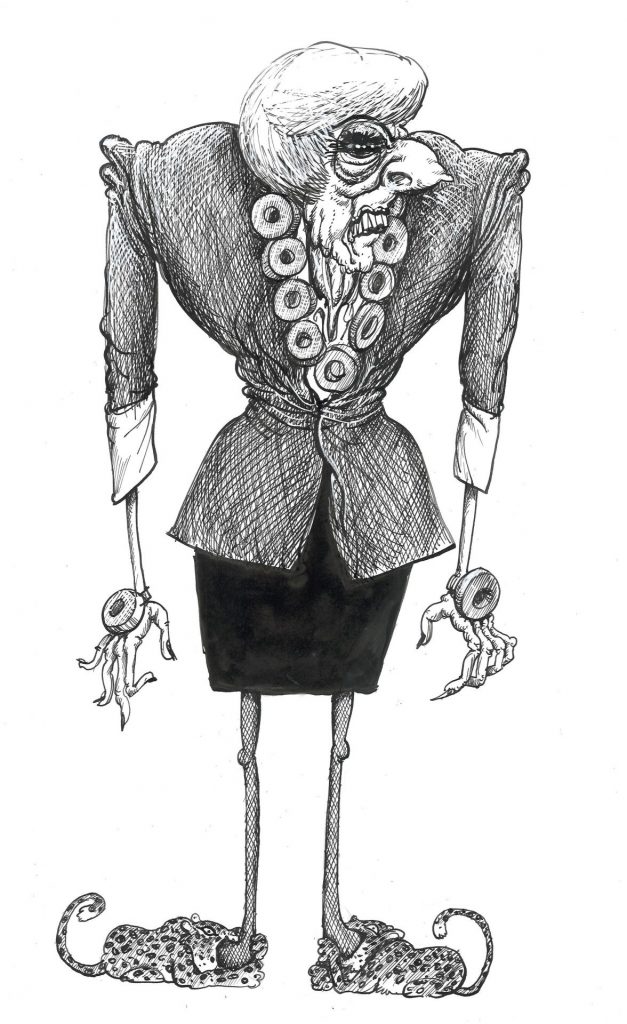
Jacob Rees-Mogg
“The key thing is we’ve got our fish back. They’re now British fish and they’re happier fish for it“
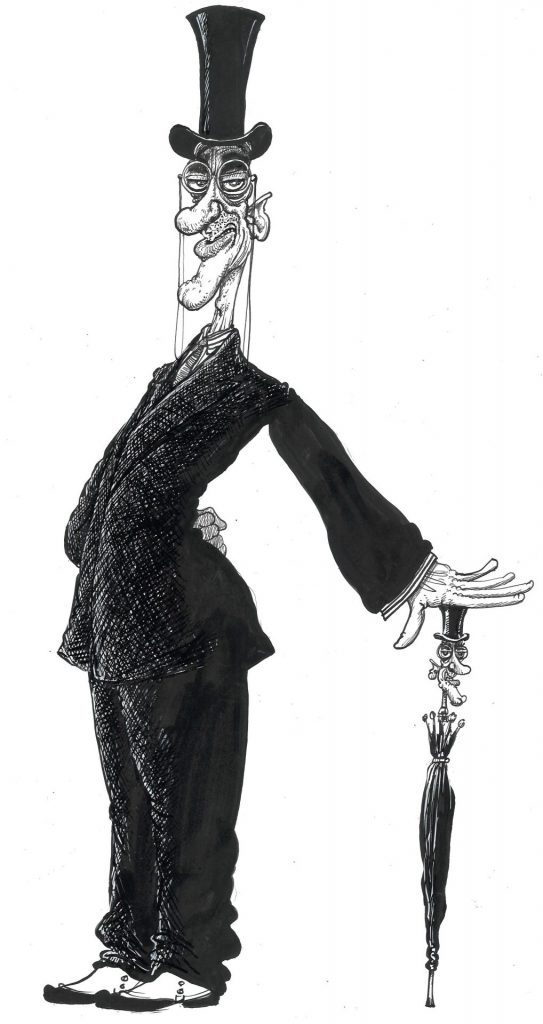
Brexit regrettably made droning windbag Jacob Rees-Mogg into a household name. Elevated to power beyond his capabilities in the Boris Johnson and Liz Truss administrations, he briefly held the role of minister for Brexit opportunities and government efficiency, during which he mainly went around Whitehall checking civil servants were at their desks. Rees-Mogg’s promised “Brexit bonfire” of 3,700 EU laws was quickly doused when it was discovered that repealing these and passing new ones would occupy parliamentary business for up to four years. Questioned as to whether he had actually found any Brexit opportunities yet, he would intone “Brexit is the opportunity”.
Prior to that he served as leader of the House of Commons, where he endeared himself to staff by issuing a lengthy list of directives, including banning the use of metric measurements, referring to all non-titled males as “esquire” and outlawing commas after the word “and”, despite nobody actually doing that and the expensively educated Rees-Mogg appearing to have misunderstood the Oxford comma.
One of the most prominent Brexiteers, he was punished by losing his seat at the 2024 general election and then sought to reinvent himself as a reality TV star and national treasure with Discovery+’s Meet The Rees-Moggs, only for it to be cancelled after one series because nobody watched it. The first and only series dealt with the loss of his Somerset seat, with Anselm, 12, one of his six children, saying: “I’ve never even heard of somebody losing their job.”
The British aristocracy as envisaged by a half-witted Californian influencer, a man straight out of the pages of the Beano circa 1963… Robert Harris once said of him, “The absurd Rees-Mogg always reminds me of a line in Le Carré: ‘He was a barmaid’s dream of a gentleman’.” Still, he retains his GB News show.
Mark Francois
“If you try to hold us in against our will, you will face perfidious Albion on speed!”
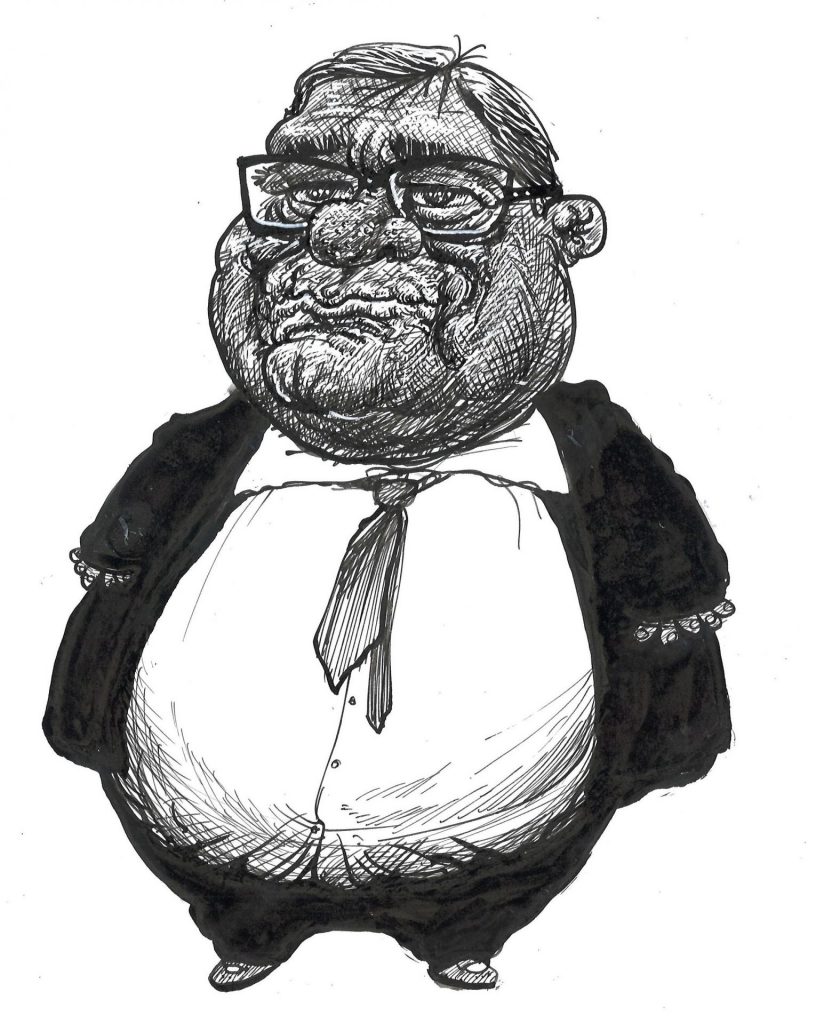
Brexit also inflicted Mark Francois upon us. Once described as looking like “the love child of a pork pie and Penfold from Danger Mouse”, he often appeared to believe he had not only fought in but single-handedly won the second world war – a conflict that ended 20 years before his birth – the Rayleigh and Wickford MP managed to make himself a thorn in Theresa May’s side as a senior figure in the hardline pro-Brexit European Research Group.
In 2019, Francois made headlines for his response to remarks by Tom Enders, the German boss of Airbus, who had quite reasonably pointed out that the company might have to shut down its British plants in the event of a no-deal Brexit. “My father, Reginald Francois, was a D-day veteran. He never submitted to bullying by any German and neither will his son,” spluttered Francois, ripping up a copy of Enders’s statement.
The same year, after MPs voted to change the wording of a government motion to rule out a no-deal Brexit, Francois said: “I was in the army, I wasn’t trained to lose.” Critics then pointed out that he was only in the Territorial Army. Undaunted, Francois was soon warning the EU that “If you now try to hold on to us against our will, you will be facing Perfidious Albion on speed”.
Despite this kind of nonsense, Francois is now a junior shadow defence minister in Kemi Badenoch’s team.
Liz Truss
“I made a judgment thinking Brexit would be bad for the economy. Since we’ve left its been more positive, so the facts have changed and I’ve changed my mind”
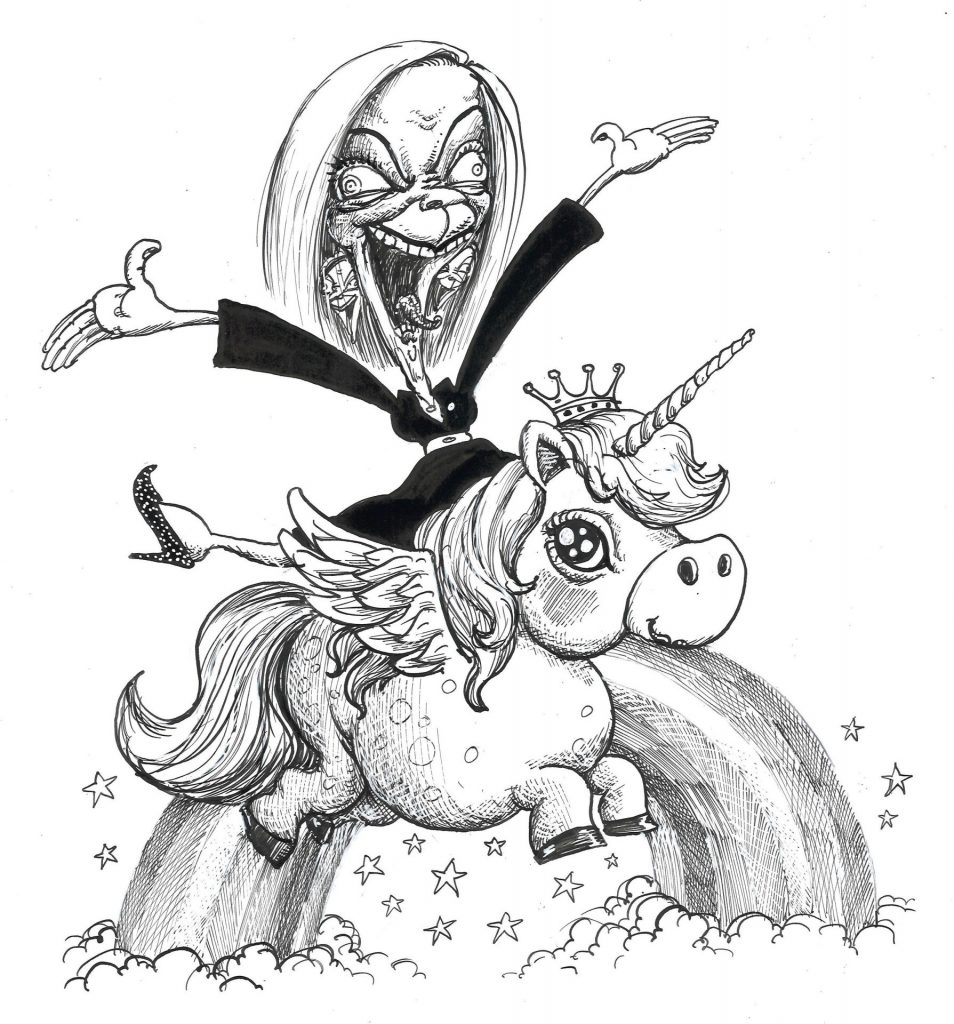
Oh, Liz! What happened to you? In February 2016 the then environment secretary posted on what was then Twitter: “I am backing Remain as I believe it is in Britain’s economic interest and means we can focus on vital economic and social reform at home.”
It wasn’t her only intervention on the side of Remain. She said that farmers would be better off if we stayed in the EU (“As part of the single market, we do not face the tariffs and barriers that we face in trying to export to other countries”) and that she did not want “my daughters to grow up in a world where they need a visa or permit to work in Europe”. She also argued that the Conservatives had “a golden chance to reform Britain over the next few years” and to avoid “[spending] that time negotiating Britain’s exit from the European Union”.
Ten years on and – via a period of prime minister that was highly comical, as long as you didn’t have a mortgage – Truss 2.0 is a true Brexit believer who would argue that the UK should be physically tugged across the Atlantic towards America if she thought it feasible (which it is entirely possible she does).
Having embraced the project, Truss succeeded in winning the Tory leadership after Boris Johnson’s implosion by virtue of its members being mad, then set about blowing up the British economy in 50 days via a fiscal policy she took off-the-peg from some of the most fervent libertarian economists Tufton Street’s think tanks had to offer. She was famously outlasted in office by a lettuce to which the Daily Star had stuck googly eyes, and has since spent her time telling the few people listening how she was right all along.
Her post-Downing Street career (and post-parliament, as she lost her rock-solid safe East Anglia seat in 2024) has seen her attempt to relaunch herself as a right wing influencer in America, painting a picture of a Britain of sharia courts and left wing extremism to a tiny YouTube audience.
In February 2025 she announced the launch of an “uncensorable” social media platform that summer to take on the “deep state”.
At the time of writing, it is yet to launch. As it is, should she live a healthy, long life, we can look forward to several more decades of her appearing at the Cenotaph on Remembrance Day, with the number of people who remember who she was gradually dwindling. Oh, Liz!
Suggested Reading
How the world recoiled in horror from Brexit
Rupert Murdoch
“When I got into Downing Street they do what I say; when I go to Brussels they take no notice“
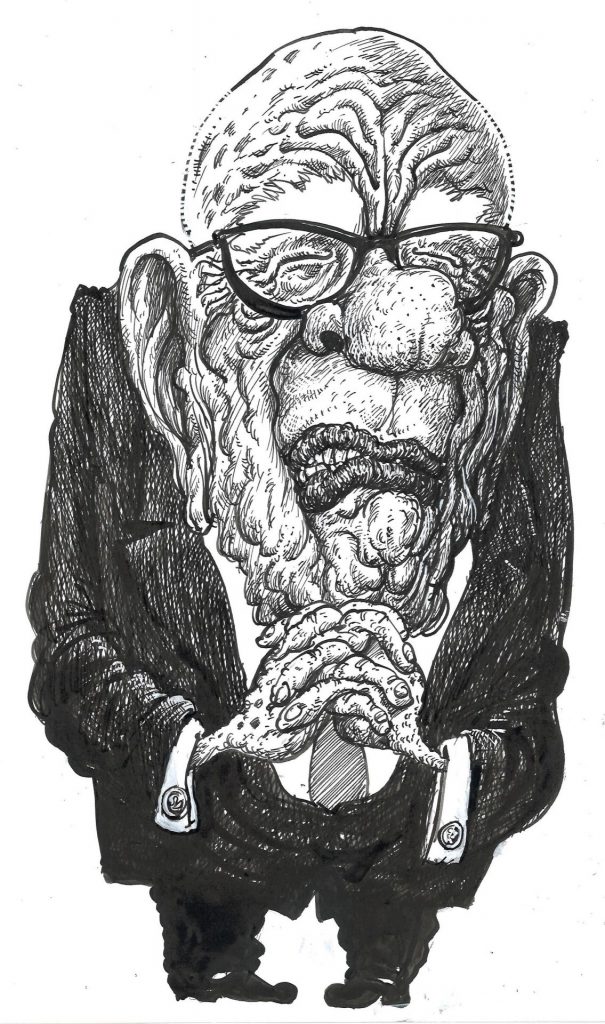
The most-cited quote by Rupert Murdoch about the EU – “When I go into Downing Street, they do what I say; when I go to Brussels, they take no notice” – may or may not be apocryphal, but his antipathy has always been very clear.
The quote came from journalist Anthony Hilton in the Evening Standard, who claimed the Australian said it to him in a conversation in the 1980s. Murdoch, for his part, has denied it, writing to the Guardian in 2016 that “I have made it a principle all my life never to ask for anything from any prime minister”.
Either way, Murdoch and his newspapers were instrumental in whipping up anti-EU fervour in the UK, the Sun in particular delighting in making up stories about Brussels bureaucrats banning beloved British goods. These have included bendy bananas (in truth: classifying their pricing according to shape), fry-ups (sparked by some very general 2001 guidelines on the need to improve the health and safety of truckers), Sunday roasts (a law on energy-efficiency requirements for new ovens and cookers) and Stilton (rules relating to listeria in cheese made from unpasteurised milk).
In 2005 the Sun was even forced to launch a Save Our Jugs campaign after the EU “declared a crackpot war on busty barmaids – by trying to ban them from wearing low-cut tops”. It was, even by the Sun’s standards, a pretty audacious take on an EU proposal requiring the risk of skin damage to employees who worked in the sun all day to be taken into account, a proposal that would have applied to approximately 0% of UK hospitality staff.
In March 2016 the paper went a step further with the front-page headline “The Queen backs Brexit”, a story claiming that the monarch had told former deputy prime minister Nick Clegg “the EU was heading in the wrong direction”, and which is widely thought to have been handed to it by Michael Gove.
The paper later had to publish a correction after Buckingham Palace complained and the press regulator Ipso ruled that it had breached its regulations. But by then the damage was done – and Murdoch later described Brexit as “like a prison break” and “wonderful”. Still, the Sun lost £53m last year, Rupert Murdoch is 95 and anointed heir Lachlan is said to have little interest.
With additional material by Matt Withers