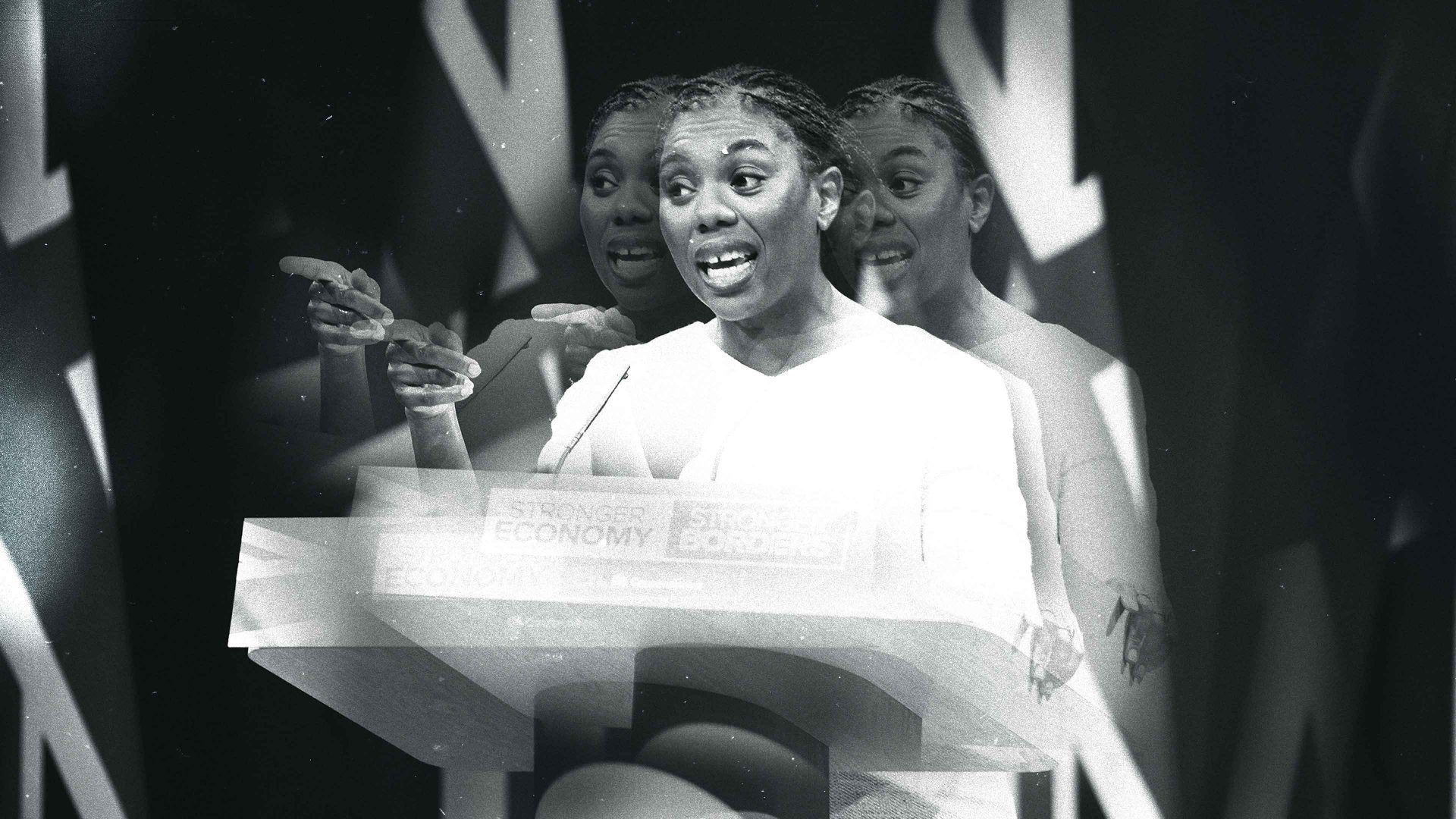
For much of Kemi Badenoch’s leadership, I’ve tried to be fair.
Though this has led to arguments with friends and colleagues, you should be able to acknowledge when someone gets something right, even if you’re never going to vote for them.
In recent months, Badenoch has looked far more comfortable at Prime Minister’s Questions than she did at the outset. She’s made reasonable arguments about the student loan system and has secured some wins for the Conservatives, such as taking Aberdeen South in the recent by-election.
The British public has a famously short memory. With Reform now hoovering up some of the worst figures and characteristics from the Conservatives’ last fourteen years in office, it’s become even easier to forget quite how chaotic — and how ugly — those years really were.
But then, at Keir Starmer’s first PMQs since announcing his resignation, Badenoch reminded us all just how very little has changed.
Suggested Reading

Why one-nation Tories can’t vote for compassionless Kemi Badenoch
She branded Bridget Phillipson a “spiteful class warrior” over the education secretary’s policy of applying VAT to private schools. To disagree with a policy that the majority of the British public actually support is one thing, but to suggest that Phillipson, who grew up in poverty, is driven by bitterness towards people who had more privileged upbringings is the kind of patronising Tory rhetoric many thought had been left in the past.
Liz Kendall reportedly confronted Badenoch afterwards, telling her “you are spiteful. I will keep talking about how spiteful you are.” Good on her.
Badenoch also mocked the prime minister, which is to be expected, but the line about him having “400 knives” in his back felt particularly crass and tasteless considering that two MPs have been stabbed to death in the last decade.
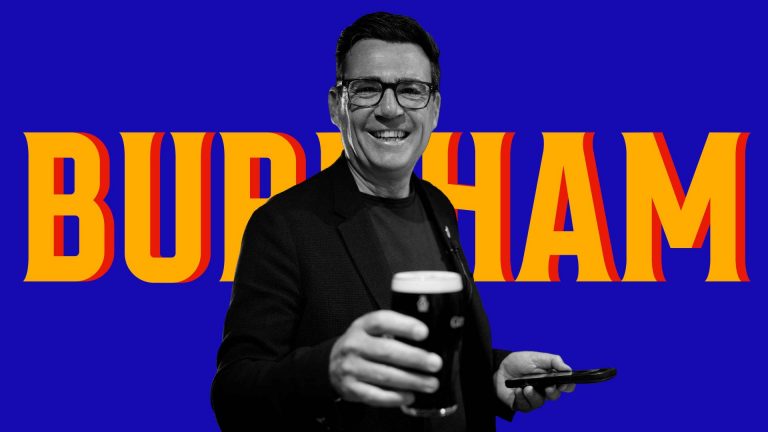
Andy Burnham wasn’t spared either, with Badenoch calling him nothing more than “a pair of eyelashes and a black t-shirt”.
Even after being rebuked by the speaker, Lindsay Hoyle, over the tone of proceedings, Badenoch has since doubled down.
In a speech delivered on Monday, she referred to Burnham’s female staff as his “Handmaidens”, and also bizarrely compared Ed Miliband to a Nigerian military dictator. This isn’t clever political maneuvering. It isn’t even clever. It’s just nasty.
Politics is adversarial by nature. Leaders of the opposition should of course expose weaknesses, ridicule U-turns, and hold governments to account. But by reaching for playground insults, Badenoch has ironically handed the Labour party something they desperately need right now: the moral highground.
Starmer, despite everything that has happened over recent weeks, stood by Phillipson (and Reeves, who also found herself in Badenoch’s firing line) at PMQs, rather than throwing either of them under the bus. Burnham shrugged off Badenoch’s barbs with humour, posting a video to X where he batted his eyelids, saying about his t-shirt “it’s dark blue actually”. Even Ed Davey, hardly Labour’s biggest cheerleader, made a point of calling out Badenoch, giving her his best disappointed-headteacher-esque stare.
Theresa May famously spoke of the Conservatives shaking off their “nasty party” image, and David Cameron spent years trying to soften the party’s perception. Whatever you thought of those efforts, they recognised an important political truth: voters don’t just judge what politicians believe, they judge how they behave.
Badenoch risks forgetting that.
Suggested Reading

How Gen Z fell for Andy Burnham
Part of the problem here is that politics everywhere has become performative. The decade since Brexit has left Britain more polarised than at any point in recent memory, especially because, across the Atlantic, Donald Trump has spent his presidency publicly mocking world leaders, inventing childish nicknames for opponents and treating a great office of state like reality television.
But Britain isn’t America. For all our faults, most British voters still expect a degree of restraint from those who want to govern. We’re the country of Paddington Bear, not The Real Housewives of Beverly Hills.
That’s why Badenoch’s actions feel so jarring – not because opposition leaders shouldn’t attack governments, but because she has no need to descend into something so mean-spirited.
The Conservatives have spent the last two years trying to persuade the country that they’re serious again, that the chaos of the Johnson, Truss and Sunak years is behind them.
Performances like this do the opposite, and what’s more, they remind people why so many fell out of love with the party in the first place.
And so for someone who has, until now, shown signs of genuine political growth, that’s the biggest disappointment of all.
 Most popular

My day out with Danny Tommo
I was at Eton with Charles Spencer – this is how it explains his battle with the royals


Emily Maitlis’s diary: Trump doesn’t fear the AI apocalypse – but he’s terrified about the midterms

Memo to Burnham: this is how you beat the populists