
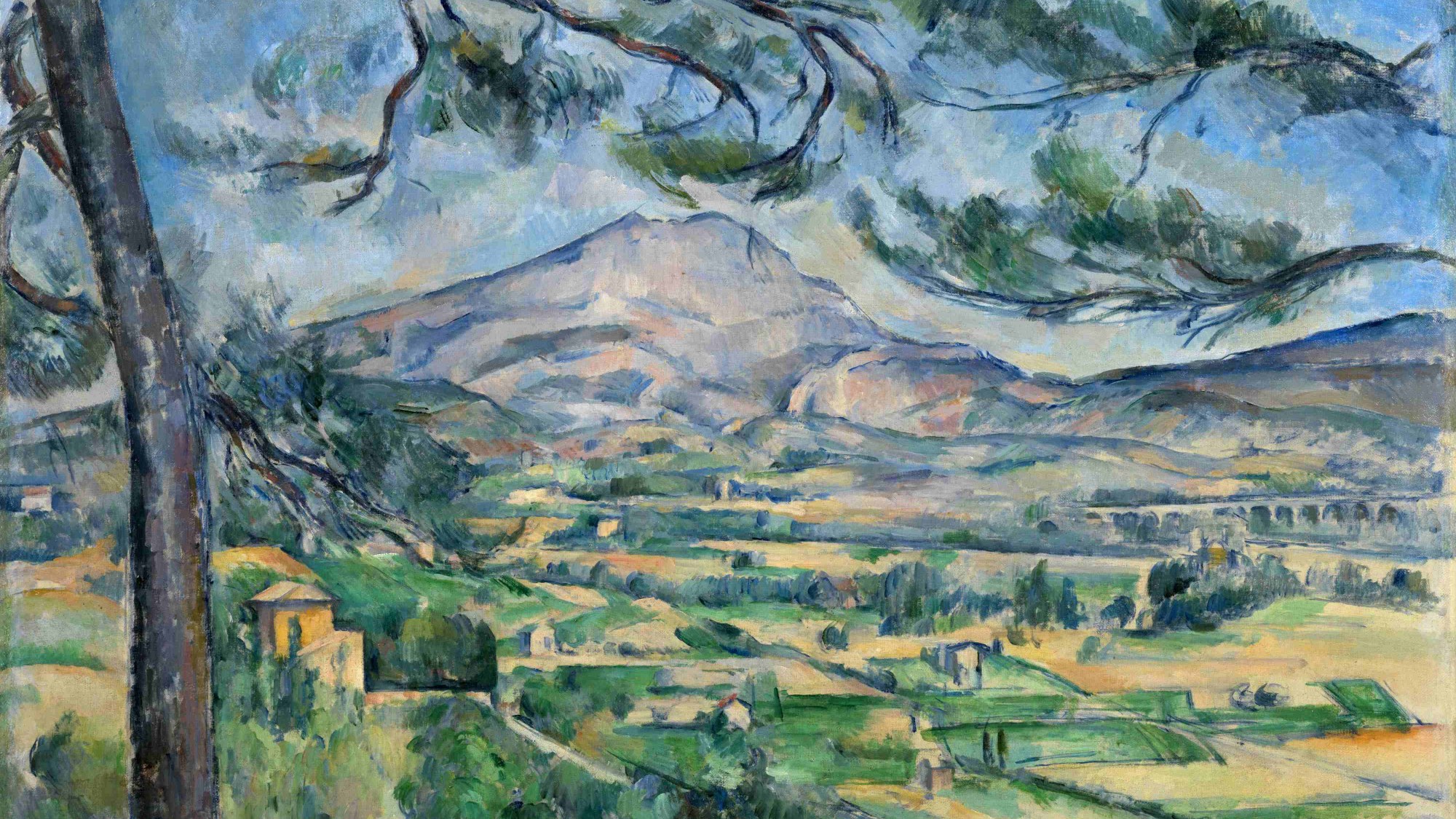
Some artists are influential, and then there is Paul Cézanne. The impressionist outcast confounded critics with what they labelled “stupefying” paintings, “strange landscapes” and the “deliberate bizarreness” of his faces. He was even refused entry to the movement’s art salons and turned down by Paris’s prestigious Beaux-Arts Fine Arts School.
But eventually Cézanne was hailed, and collected, especially by his fellow artists like Paul Gauguin. Claude Monet recognised him as a pioneering code-breaker and creator of modern western art, declaring, “He is the greatest of us all.” To Pablo Picasso he was “the father of us all”, while Pierre-Auguste Renoir remarked, somewhat jealously, “How does he do it? He can’t put two strokes of colour on a canvas without it already being very good.”
The force of Cézanne’s art, with its mystical, at times disturbing and unresolved quality, and the partially obscured, troubled faces of his portrait subjects, did not fade after his death in 1906. Contemporary artists are still looking at his work and responding fervently to it.
This boundless impact is the focus of a breathtaking new exhibition at Paris’s Grand Palais that is well worth the trip to the French capital. Cézanne et nous – Cézanne and Us – is an unprecedented collaboration drawing on masterpieces from France’s great public temples of 19th- and 20th-century art: the Musée d’Orsay, the Orangerie and the Pompidou Centre, closed for renovation until 2030, as well as private collections and public loans from around the world.
The exhibition presents 174 works, spanning the late 19th century to today, including a whopping 69 Cézannes – portraits and self-portraits, watercolours and oils, landscapes and still lifes – and 105 by 78 other artists he moved to transform modern art.
And how he did galvanise them, first, by not being an insider. As the Orangerie’s director, Claire Bernardi, explains to me, he was a “painter’s painter”.
Jean-Rémi Touzet, the Musée d’Orsay’s curator of post-impressionist and early modern art, says Cézanne’s early setbacks gave hope to artists who did not make it, or who wanted to break with the Beaux-Arts. “That’s what makes him beloved by artists as a mythical figure, embodying the solitary genius,” Touzet says.
The museums were late supporters of Cézanne, but artists and gallerists like Ambroise Vollard, who also represented Picasso and Van Gogh, bought him early. Gauguin painted beside Cézanne in 1882 and later purchased an estimated six or eight of his works. Monet also bought his paintings, while Russian industrialists Ivan Morozov and Sergei Shchukin collected him.
Yet French museums bought later, often only when donations forced their hand. Dejected by repeated rejection, Cézanne quit Paris in 1886 and went home to where he had been born in Aix-en-Provence in 1839.
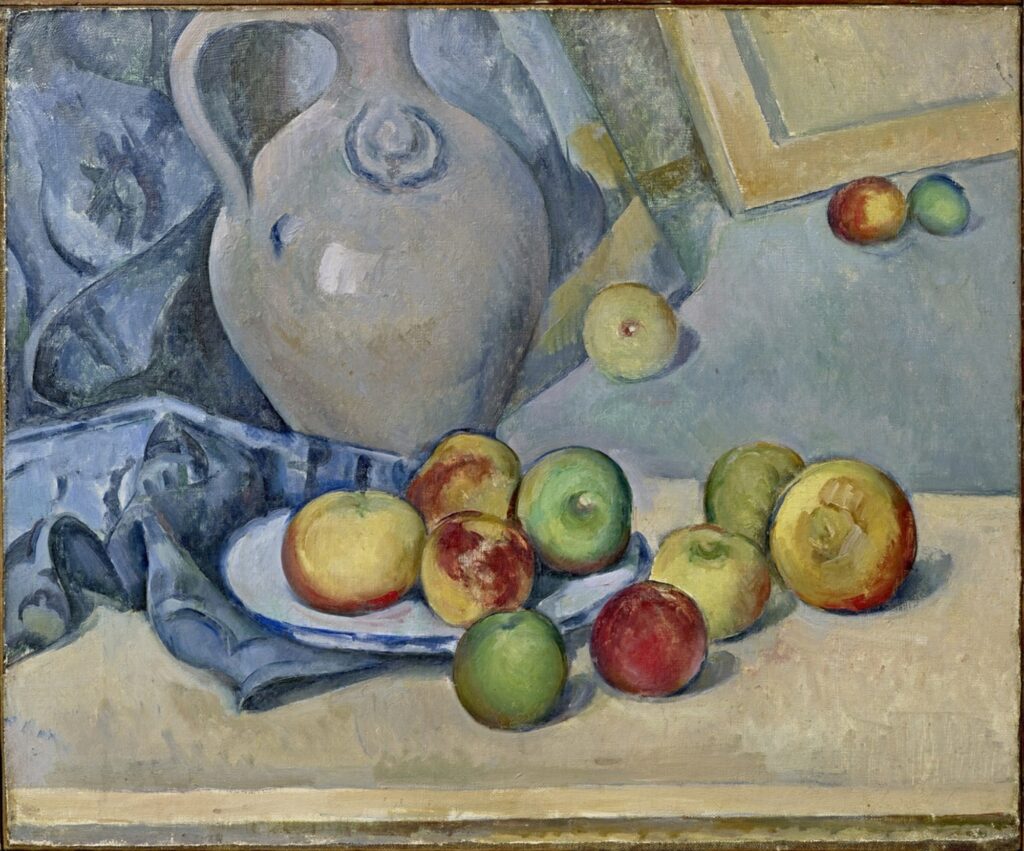
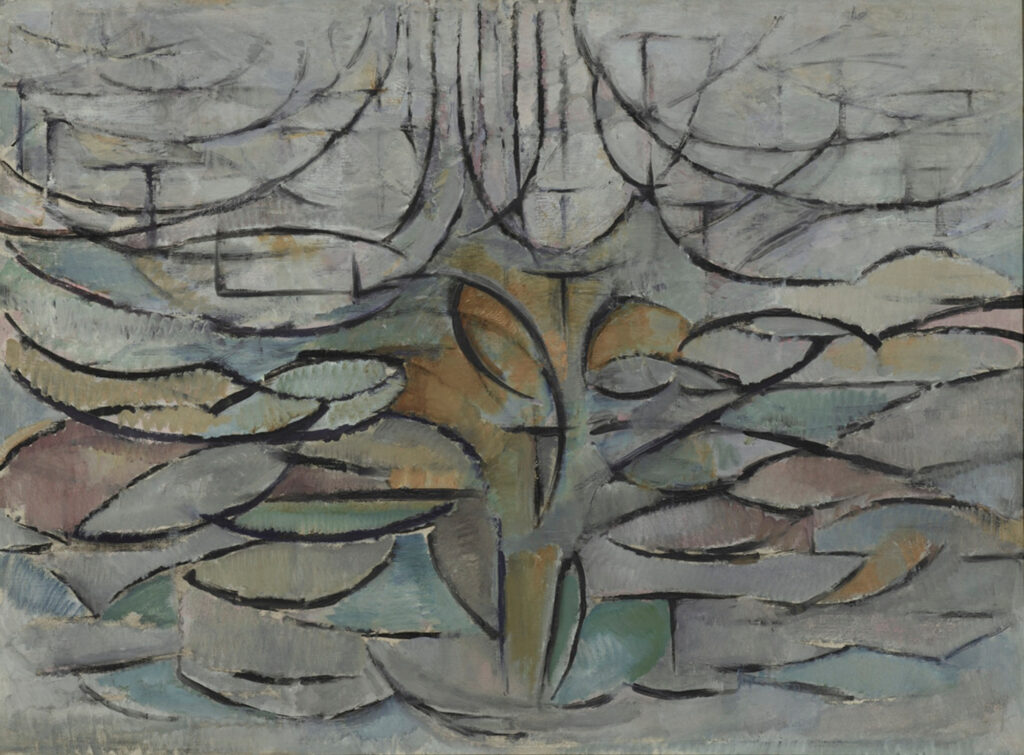
The exhibition follows what artists like Picasso, Georges Braque, Piet Mondrian, Amedeo Modigliani, Alberto Giacometti, Robert Delaunay, Jasper Johns, Marsden Hartley and many others did with Cézanne’s oeuvre rather than simply retelling his own story. One strand emerges with the still lifes in a section titled “Apples and Apples”, setting Cézanne’s fruit beside apples and peaches painted, engraved or photographed after him. Cézanne once boasted he would “astonish Paris with an apple”, and he goes on doing so here.
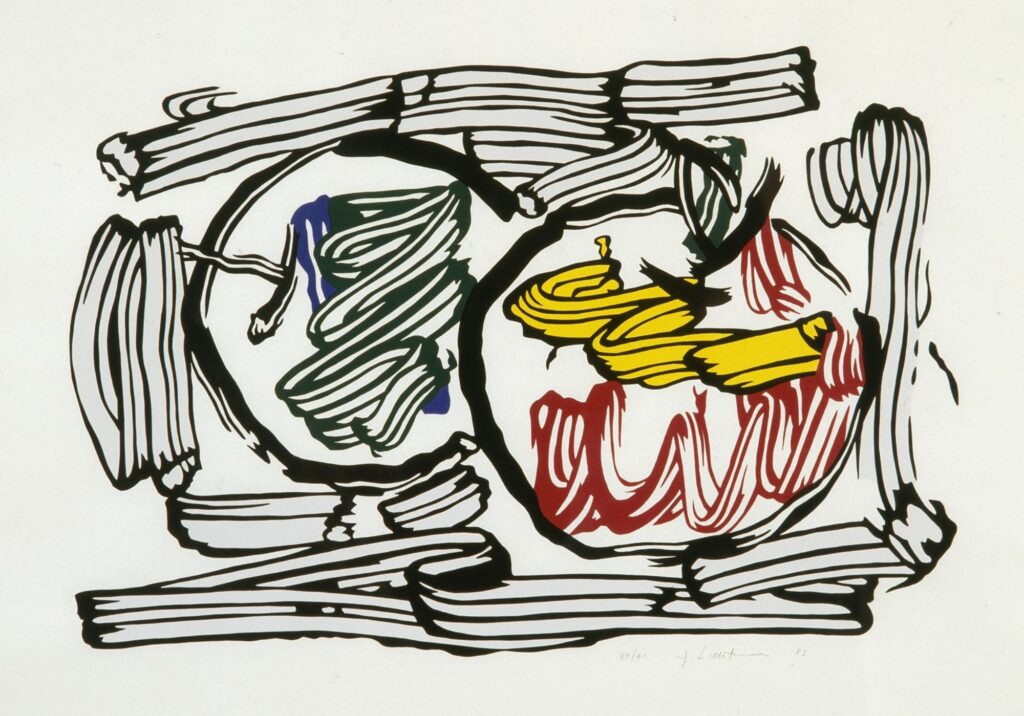
Roy Lichtenstein and his fellow pop artists helped revive interest in Cézanne in the 1960s, turning away from the gestural abstraction of Jackson Pollock and his disciples. Lichtenstein wanted a return to the “concrete”.
At the Grand Palais, his apple series culminates in Two Apples (1983), a woodcut in six colours, while Andy Warhol’s silkscreen Peaches (1979) reduces Cézanne’s apples to almost cosmic orbs, as the curators point out. Hung near Cézanne’s mesmerising Apples and Biscuits (1880), they show how this artist resonates across different art movements and historical epochs.
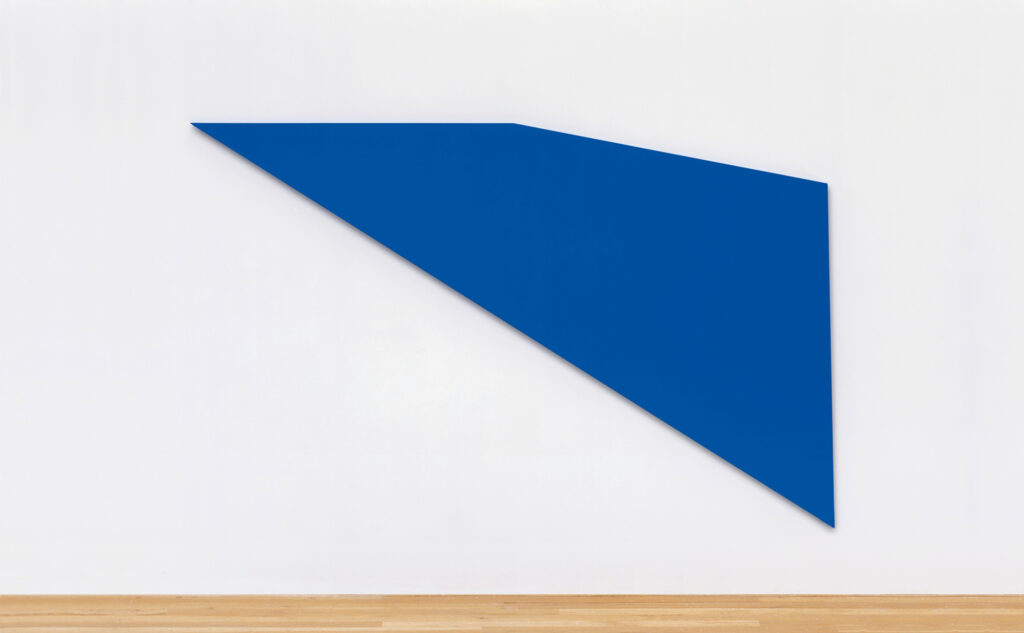
Abstraction, like cubism, traces its own line back to Cézanne. The American painter Ellsworth Kelly, who said he had been hypnotised by Cézanne since his teens, has two works here. His geometrical rhapsody in white and blue Lake II (2002) is hung near its inspiration, Cézanne’s Gulf of Marseille Seen from L’Estaque, while Mont Sainte Victoire de Beaurecueil sketches the silhouette of Cézanne’s “beautiful motif”, his beloved Sainte-Victoire mountain near Aix-en-Provence.
Cézanne also sparked an early artistic flame in David Hockney. As an art student in 1953, the 16-year-old Hockney painted Portrait of John Sharpe, shown at the Grand Palais, an early tribute to an artist whose influence would remain with him for decades.
Some critics have questioned the inclusion of Jasper Johns, the American painter known for his flags, targets and everyday symbols, as he takes Cézanne’s formal experiments into an almost opposite place. The great French abstract painter Pierre Soulages, whose black paint is all mass and reflected light, has little obviously to do with Provence’s sun. But he shares Cézanne’s conviction that paint can be the subject.
“Sometimes you just have to come back to painting itself,” Touzet says. “It makes for something very sensual, and less intellectual than people have said… he was an artist for artists.”
Then there are the unfinished works, so many painted in the last 20 years of his life. “From Cézanne’s unfinished works came abstraction, but also and more fundamentally, a metaphysics of failure that haunts modernity,” say the curators.
Hard to pin down, Cézanne is a man for all artistic seasons, even if surrealist detractors like Dalí thought he was the “worst of artists” (the anti-Cézannians are not featured in this show). “Everyone pulls him towards themselves, and in the end you no longer quite know what he is,” Touzet says. “He’s an artist who is hard to grasp, because there are so many contradictory discourses on him.”
The contradictions seem to melt in the section devoted to the Bathers, or “Cézanne’s lost paradise” of swimmers, one of the richest and most harmonious themes of the exhibition. Matisse bought Cézanne’s small Three Bathers in 1899 and said it gave him “faith and perseverance”.
With six of his works featured in this exhibition, a stand-out is Matisse’s Bather (1909). It demonstrates how he drew upon Cézanne while taking the subject elsewhere: his swimmers’ bodies are larger and flatter, while the landscape around them moves towards abstraction.
Matisse held on to his precious Three Bathers until 1936, when he donated it to the Petit Palais with a long list of precautions. He later described Cézanne as “the good Lord of painting”.
The Edinburgh-born British contemporary artist Peter Doig, who has lived and worked in Trinidad and Tobago, picks up the thread in 2023. His statuesque, frontally gazing Bather, loaned from Larry Gagosian’s private collection, hangs in an opening room. It is displayed on an adjacent wall to Cézanne’s disconcerting 1885 chef-d’œuvre The Bather, lent by the Museum of Modern Art (MoMA) in New York, and there is no mistaking the dialogue and colour conversation between the two.
Continuing the aquatic theme, from Washington comes the National Gallery’s 1890 Cézanne, Edge of the Water, almost abstract, which hangs with Joan Mitchell, the American abstract expressionist whose work is rooted in colour and landscape.
It is hard to pick a favourite, but after the Bathers I was thrilled by the explosive finale: a selection from Cézanne’s vast Montagne Sainte-Victoire series. Here we can look upon highlights of the Provençal mountain he painted again and again over decades, like the exhibition cover image La Montagne Sainte-Victoire vue des Lauves (1904-05), alongside contemporary riffs on it. The master’s works seem dwarfed, at least in size, by odes to Cézanne such as the Chinese-French artist Zao Wou-Ki’s partly fluorescent green-yellow 2005 oil on canvas, Homage to Cézanne.
Suggested Reading
The riots in France are being stoked by Russia and Iran
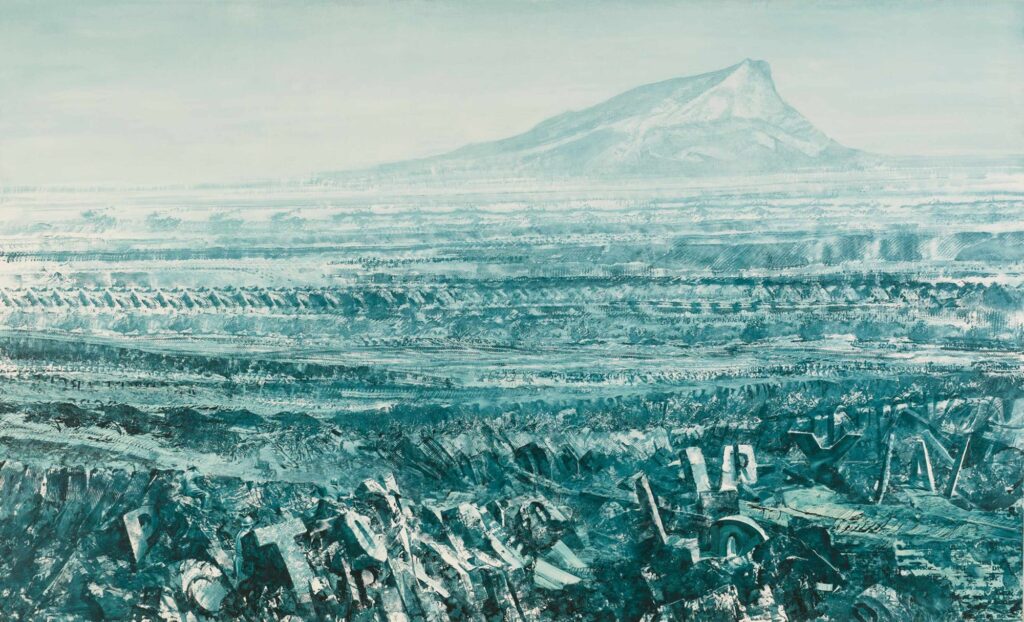
Another massive mountain appears in Mark Tansey’s sombre, black-and-grey-toned Valley of Doubt (1990), from the Whitney Museum of American Art in New York, an arresting commentary on art wars that depicts Sainte-Victoire overshadowing a landscape of desolation, almost like a trench in the first world war.
Which takes us back to what Touzet says about Cézanne’s hold over generations of artists. “In moments of doubt,” he says, artists tell themselves: “If Cézanne is right, then I’m right.”
As you leave the exhibition, French pop singer France Gall’s 1984 hit Cézanne peint (Cézanne Paints) plays. It is an uplifting way to emerge from a show that has taken you on an epic journey through the history of modern art, but also one that keeps working on you long after you have left the Grand Palais. Like all those artists before us, you are still thinking about Cézanne.
Cézanne and Us is at the Grand Palais, Paris until January 17, 2027
 Most popular
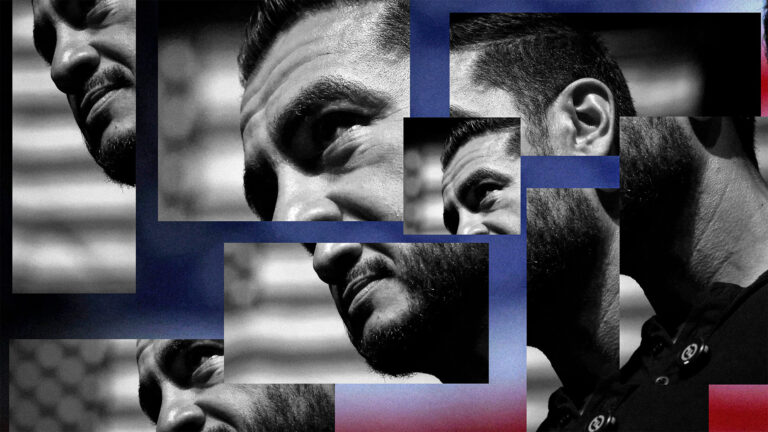
Emily Maitlis’s diary: The Democrat who’d rather see Trump win if it means El-Sayed losing

It might not look like it, but a motoring miracle has now happened
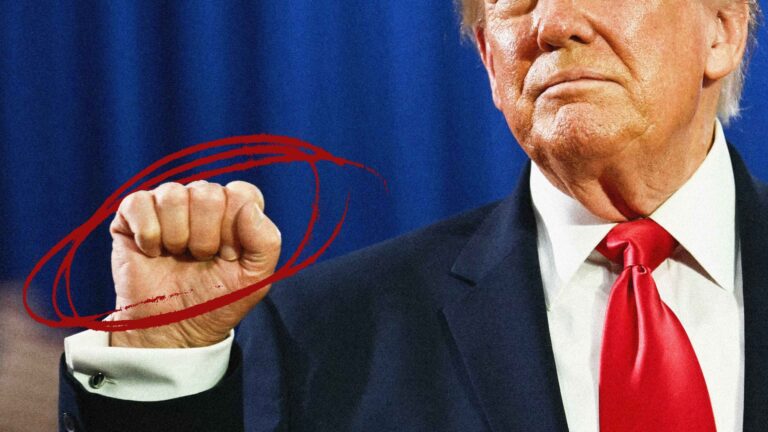

What happens to Trump if he loses the midterms?

How Abdul El-Sayed became the man who can break Trump