“This, gentlemen, is my profound conviction: I believe that we are at this moment sleeping on a volcano.”
Alexis de Tocqueville gave that disturbing warning to the French parliament on January 27, 1848. Less than a month later, a revolution behind the barricades of Paris brought down the July Monarchy.
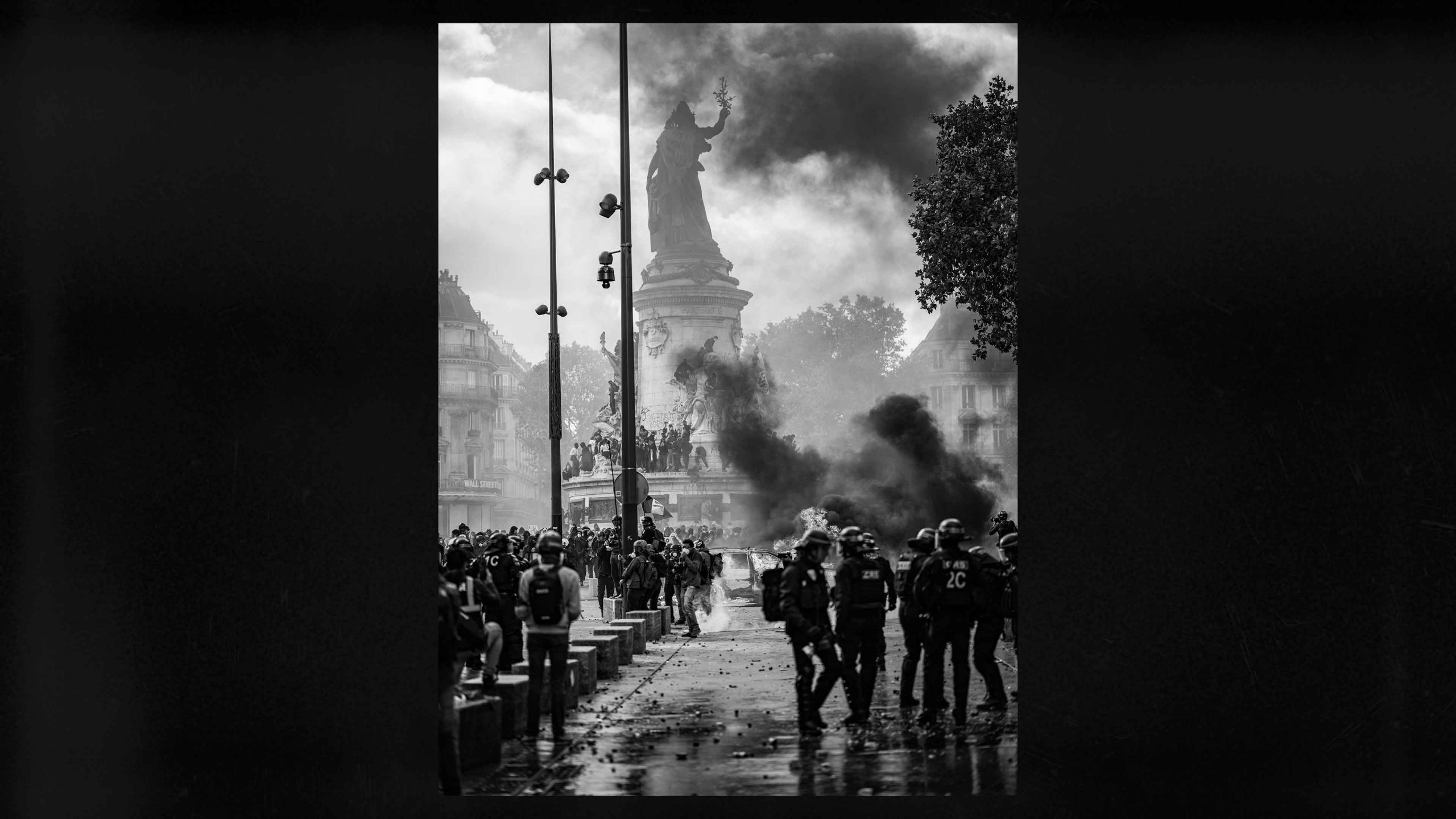
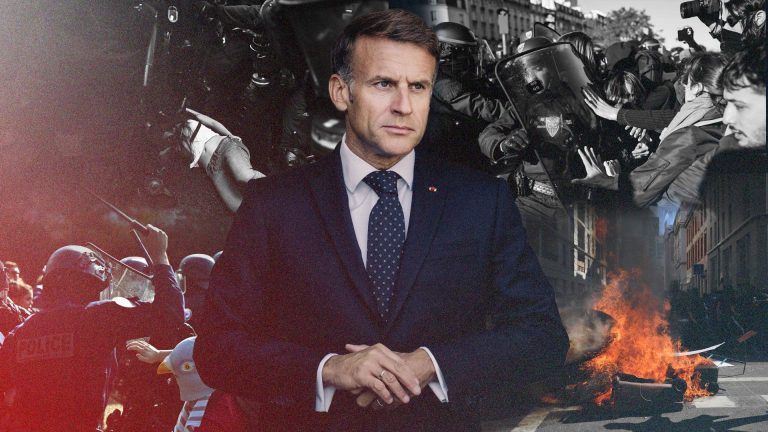
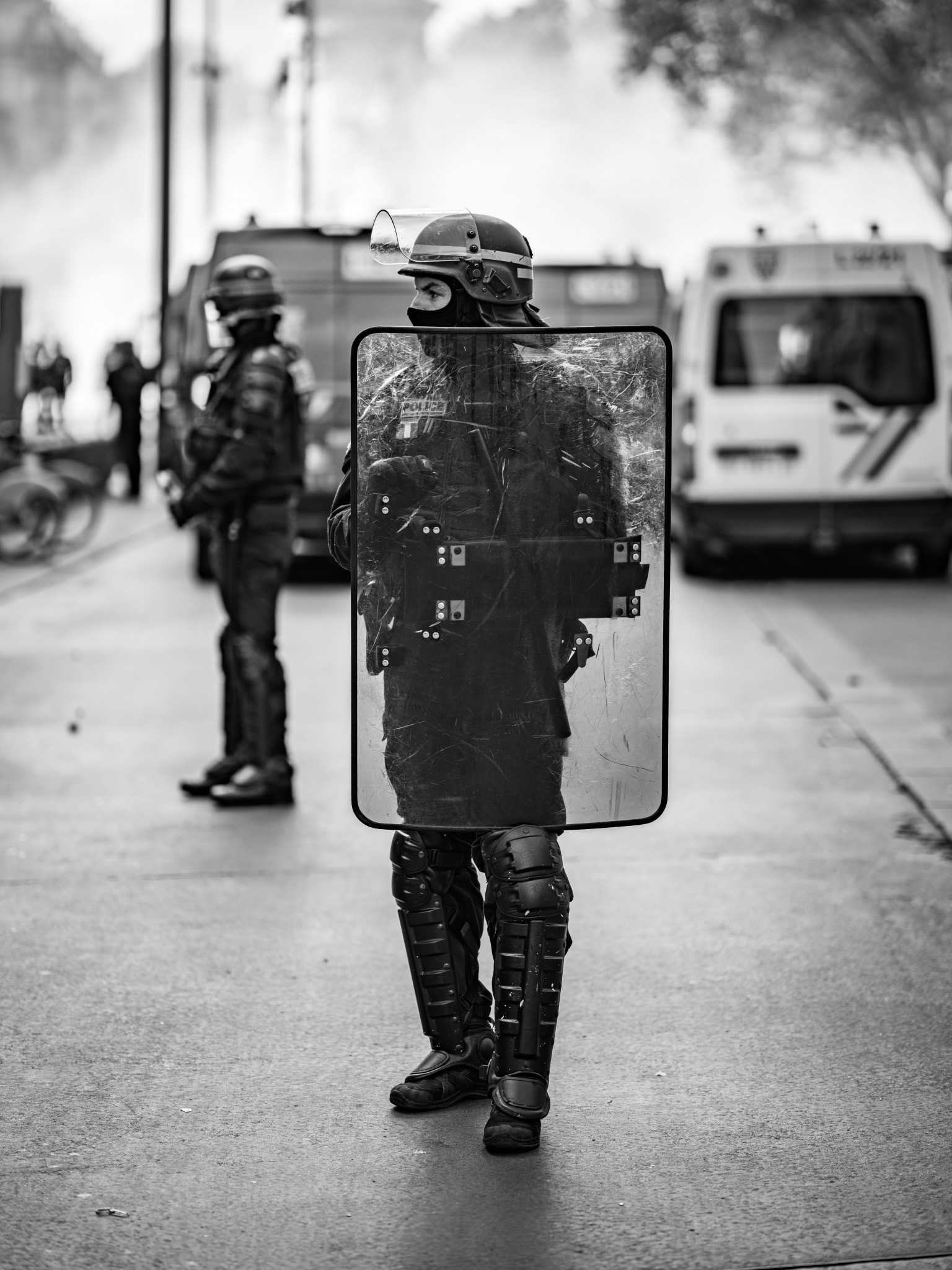
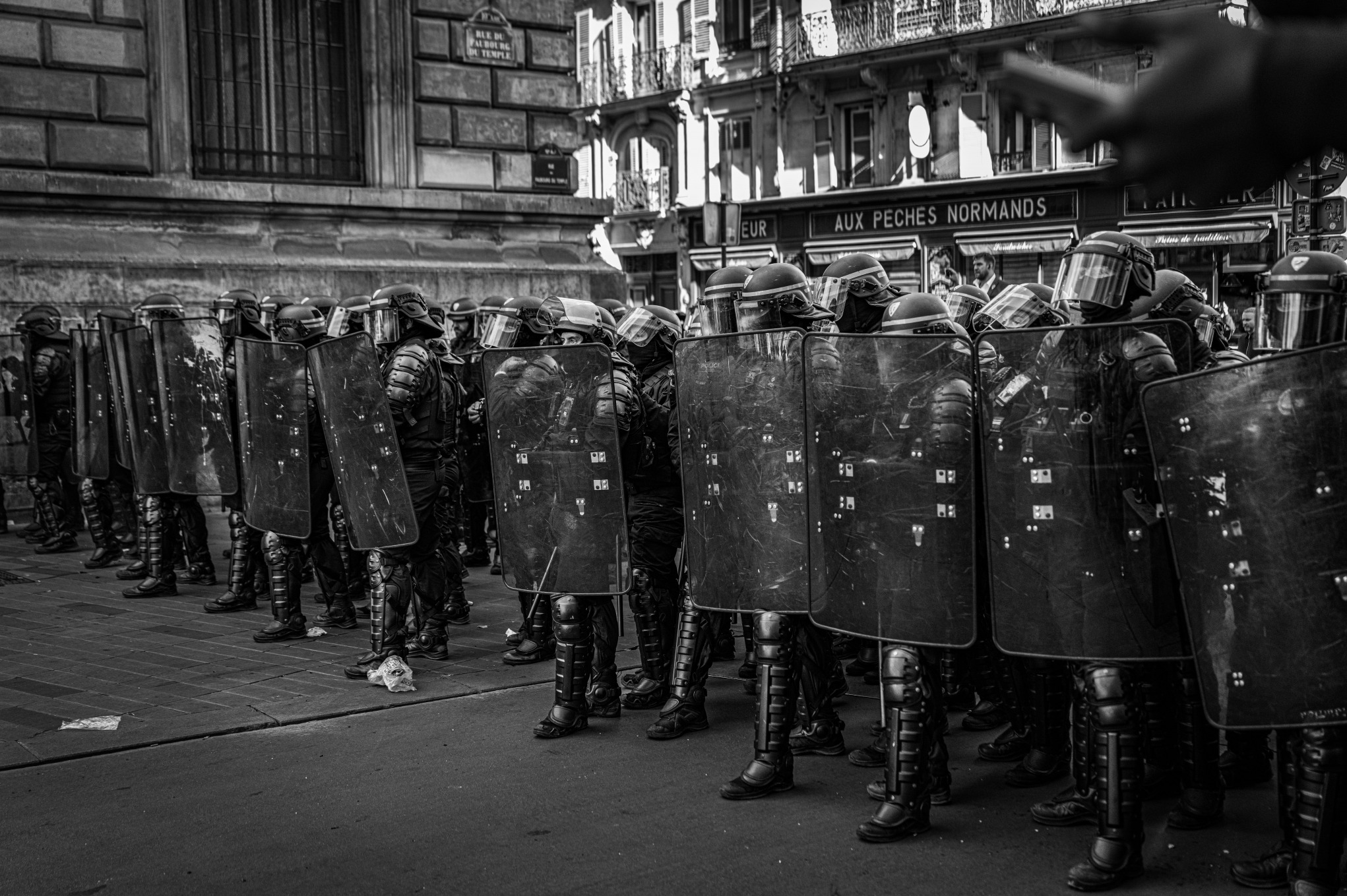
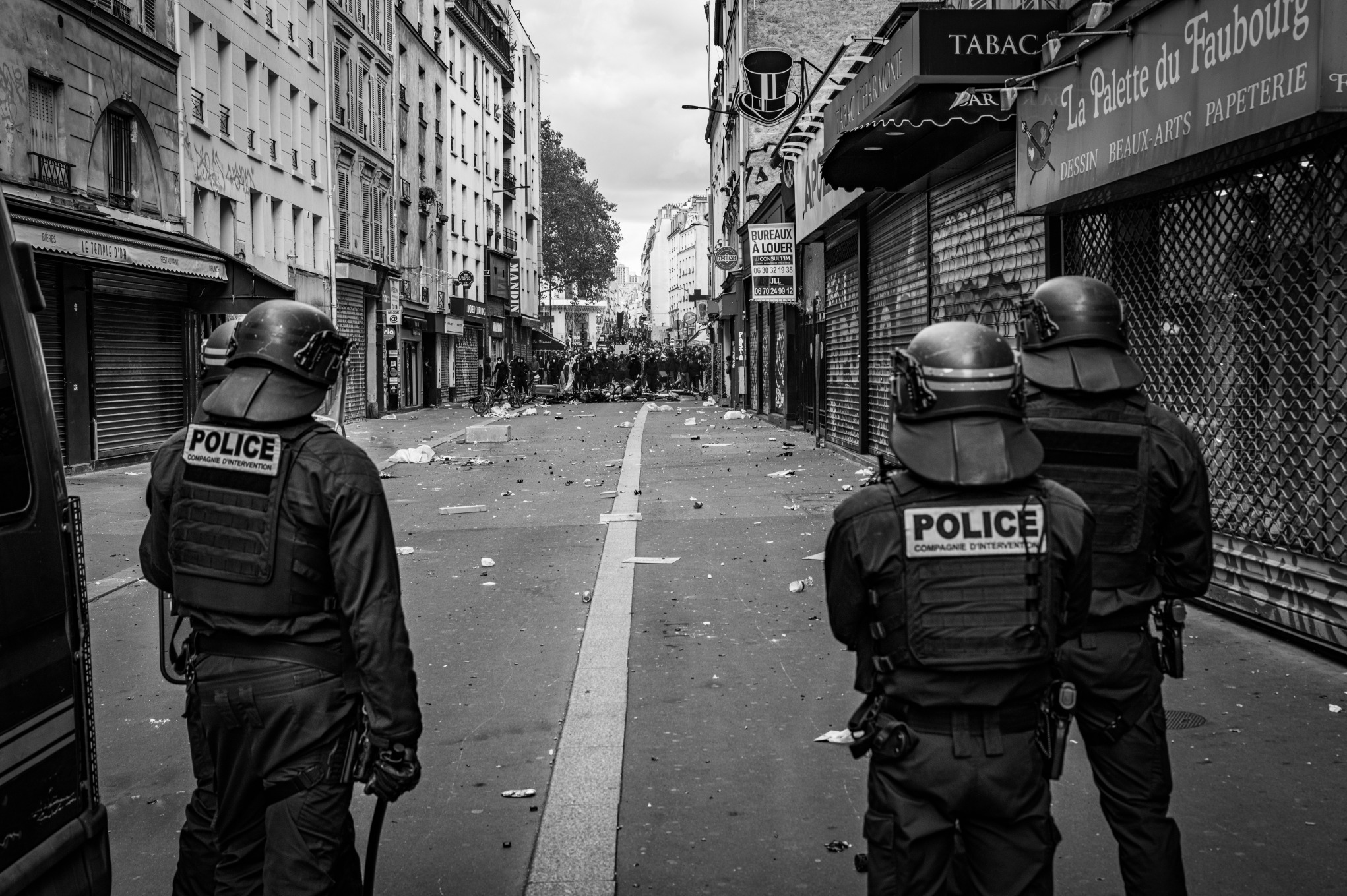
For two days and nights, France has seen intolerable scenes of insurrection verging on civil war, or at least urban guerrilla warfare, in Paris and other major cities. Lucid political leaders across the spectrum (aside from the extreme left) say the Republic and democracy itself are under attack. That includes president Emmanuel Macron, who for some unfathomable reason declined to declare a state of emergency as was done during the 2005 urban riots, and also the centre-left presidential candidate Raphaël Glucksmann.
The world has looked on in horror, and in some cases glee, as town halls have been attacked and burned. In Marseilles, the authorities estimated that tens of thousands of rioters and looters were on the streets on Saturday evening. They ransacked half of all the shops and businesses in the city centre and the Hôtel de Ville of the Socialist mayor was over-run by antifa activists and Palestine flag-wearing rioters who tore up the ground floor and shattered the bust of Marianne, symbol of the Republic.
In Limoges, the magnificent 1852 Town Hall, which survived German bombardment in the Second World War, was deliberately set on fire. The mayor says the arsonists wanted to kill people inside it. Police stations, prefectures and other public buildings have been hit. More than 500 police have been injured and firefighters assaulted. Countless businesses, large and small, have been smashed, looted or burned.
“This is the Republic that is under attack,” said Glucksmann, one of the strongest voices on the left to condemn the violence. He drew the crucial distinction between peaceful protesters and the thousands of rioters and looters who “don’t care about the social movement,” and came “to hit, burn and smash.”
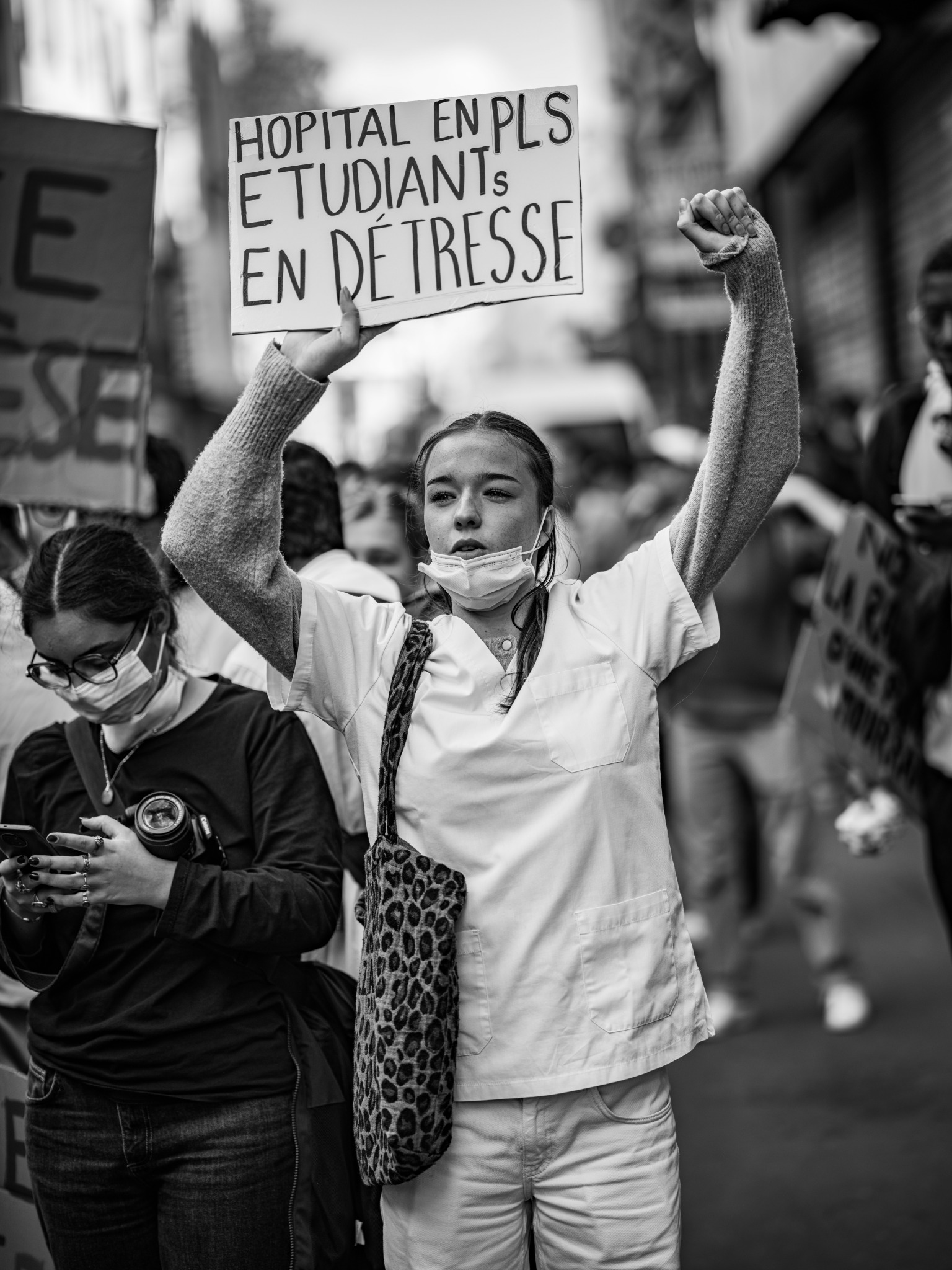
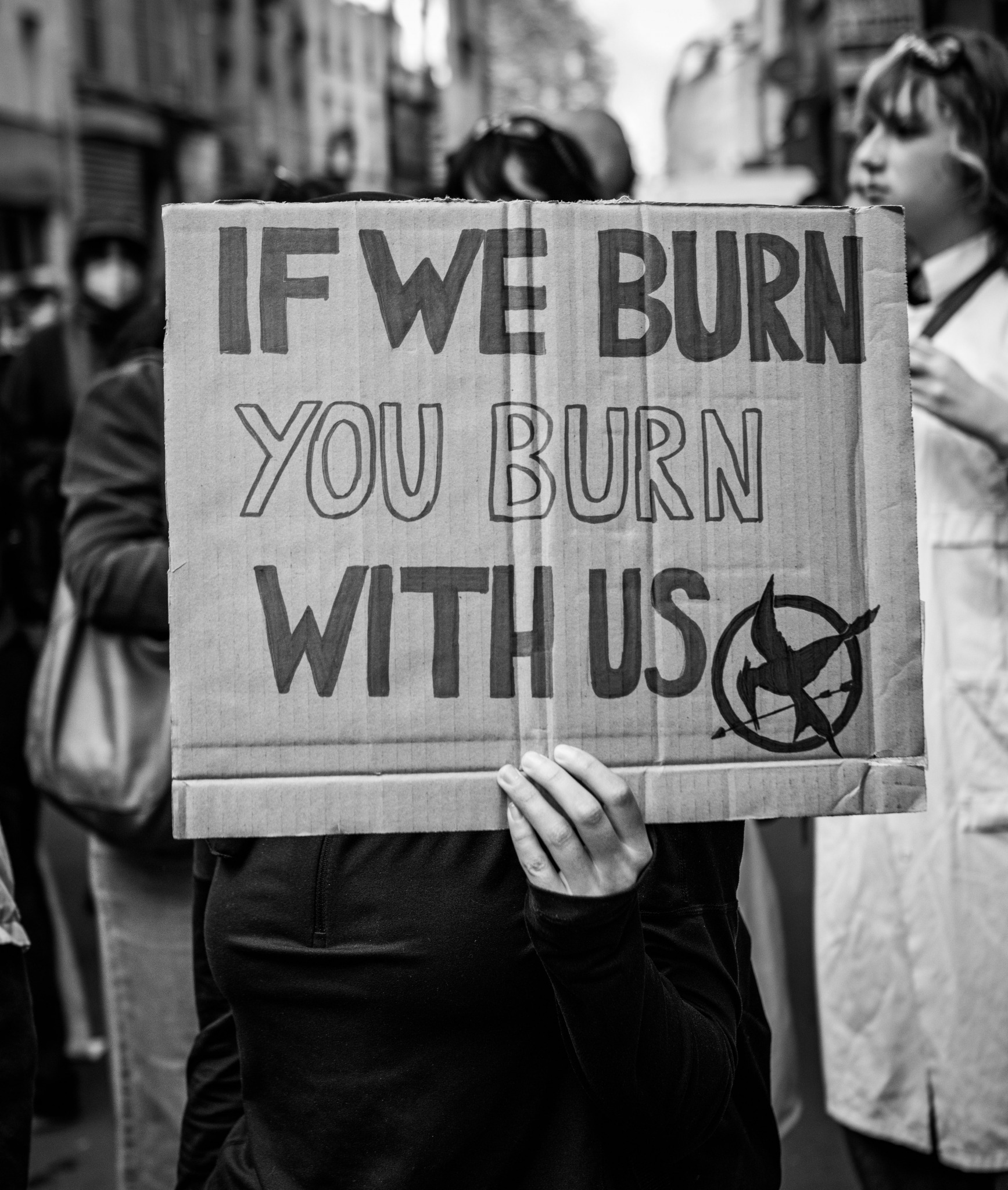
The great casualty is the relatively peaceful student movement. Its legitimate grievances have been totally eclipsed by the scenes of urban warfare.
The parallels with the January 6, 2021 attack on the Capitol in Washington are unavoidable. Again the institutions and symbols of the democratic state are the targets. Nor is this only an extreme-left phenomenon. Extreme-right agitators from the radical fringes of the Gilets Jaunes who called for Saturday’s protests and violence, are playing an important role, and were heavily present on Saturday and Sunday in Place de la République in Paris.
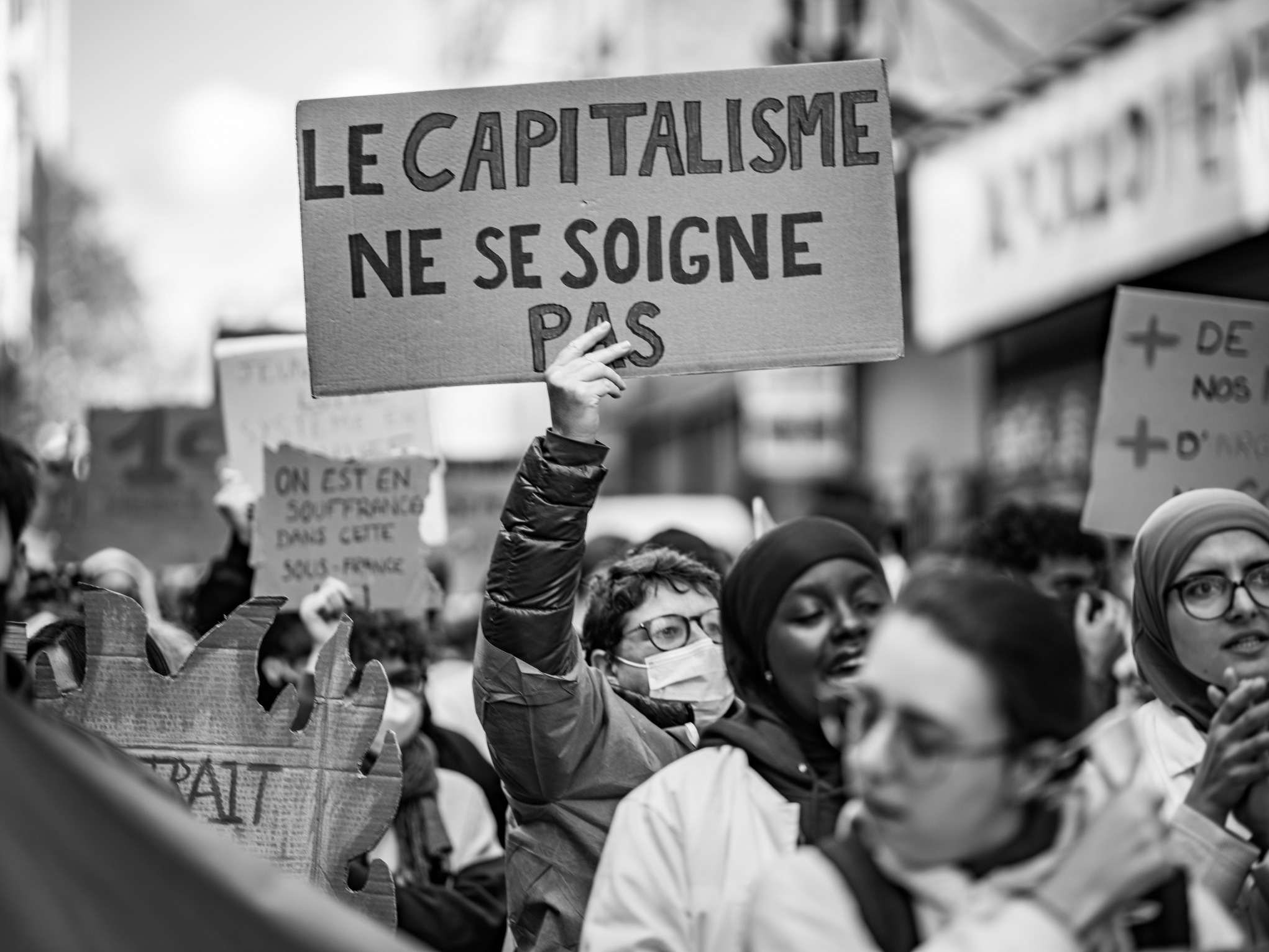
They are open about their desire to blow up the political and social order, and they converge with ultra-left militants, anarchist black blocs and suburban rioters around a common objective: chaos, and to promote the message, “down with the state and capitalism”.
Macron also acknowledged that France’s institutions were being targeted. But a second assault on the Republic has been unfolding at the same time, on smartphones and social networks.
According to police and territorial intelligence sources, and as reported by La Lettre, the violence has been “spurred, intensified, accelerated, or instrumentalised” by influencers and bloggers who have been amplified and made viral by foreign powers. Iran, Algeria and Russia are all cited. Sciences Po historian and disinformation expert David Colon, author of the new book Infodemic: How to Fight the Virus of Disinformation, has been analysing the traffic in real time.
“I’m observing accounts affiliated with the Russian informational operational pattern Storm-1516,” he said. “Yesterday, only a few French-speaking accounts relayed and weakly amplified the chaos in the French streets. Since last night, major English-speaking influencer accounts have in turn come into play and are concentrating their attacks on the president.”
He has also seen very active Israeli accounts. “France has become an informational playground for a multitude of state and non-state actors.”
The Iranian role is especially disturbing. La Lettre has revealed that the prime minister’s Secretariat for National Defence and Security (SGDSN) and Viginum, the agency tracking foreign interference, produced a detailed report on the Iranian regime’s cyberactivism and efforts to foment chaos. It identified the “signature of the Iranian regime” behind several French-language X accounts that were relaying images of violent clashes between high-school protesters and police.
Suggested Reading
Why Emmanuel Macron can’t save France
The SGDSN has been documenting Tehran’s activities since 2024. Iran had already “blown on the embers” of French social protest by discreetly amplifying last year’s “Block Everything” movement, hoping for a repeat of the 2018-20 Gilets Jaunes revolts. During the Paris Olympics, Tehran was also accused of stirring calls to boycott the Israeli delegation.
The French security services and the foreign ministry at the Quai d’Orsay wanted the most recent interference operations made public, but Macron and his foreign minister preferred “not to expose the evidence” and imposed a more moderate response to Tehran’s provocations. That restraint now looks questionable.
The activity is not confined to anonymous accounts. French-Iranian influencer Shahin Hazamy, convicted last month for “apology for terrorism”, was highly active during Saturday’s unrest, as “anti-colonial” activists, influencers and trolls worked the night on X, TikTok and Snapchat.
The journalist Nora Bussigny profiled the militant Omar Alsoumi, the pro-Khamenei activist who is currently on trial for apology for Islamist terrorism and a darling of the French extreme left. Brut media presented him in the lead-up to Saturday’s protests and riots, simply as a teacher and Palestine activist. But Bussigny pointed out that “Omar Alsoumi is an activist with a dangerous profile, a supporter of terrorism and of the Iranian regime. He is being prosecuted, he is not simply a teacher and Palestine activist. Giving him this visibility without context is serious.” Brut took down its post.
Colon points to a pattern of simultaneous, very similar urban riots in countries opposed to Putin’s war in Ukraine. “Albania, Belgium, Italy and France: four countries that support Ukraine and are therefore targets of the Kremlin; four countries that, at the same time, have had run-ins with Iran to varying degrees… And the similarities don’t end there.”
He also warns against staying silent once intelligence services have identified interference. “As the historian that I am, I feel compelled to recall that Barack Obama, in 2016, in a pre-election context, had chosen to [downplay] the foreign interference identified by his intelligence services, thinking that this would temper the zeal of hostile states,” he said. “I wouldn’t say it was a failure, but it didn’t work.”
Suggested Reading
France’s Corbyn is helping Le Pen win the presidency
Journalist Frédéric Martel, author of The West: Investigation into Our Enemies, has explored the role of smartphones in the insurrection. He saw it on the streets of Paris around midnight on Saturday: looters filming themselves smashing up shops, stealing and setting fire to bins. “They organised through Telegram, WhatsApp and Signal, and through Snapchat, which has been central to the live circulation of information about clashes and looting,” Martel notes. Encrypted messaging and auto-deleting content also limit later police investigations.
A passenger on a suburban train into Paris on Sunday watched groups of mainly young men, about ten at a time, discussing on Snapchat how to evade police. They were heading into the capital excitedly, “as if they were going to Disneyland”. On Sunday night I saw the consequences. An estimated 3,000 violent rioters and looters were roaming the capital. After 9.30pm I drove from the 9th arrondissement, through Opéra and towards the 5th. Black-clad, masked gangs were moving almost undisturbed near the Louvre, on Boulevard Saint-Germain and around Cluny.
I could barely see a police officer. Shops were smashed up and looted, bus shelters burned, people attacked. In the Marais, as Macron solemnly deplored the violence, a gang looted an optician’s, while a resident poured buckets of hot water from above to deter them.
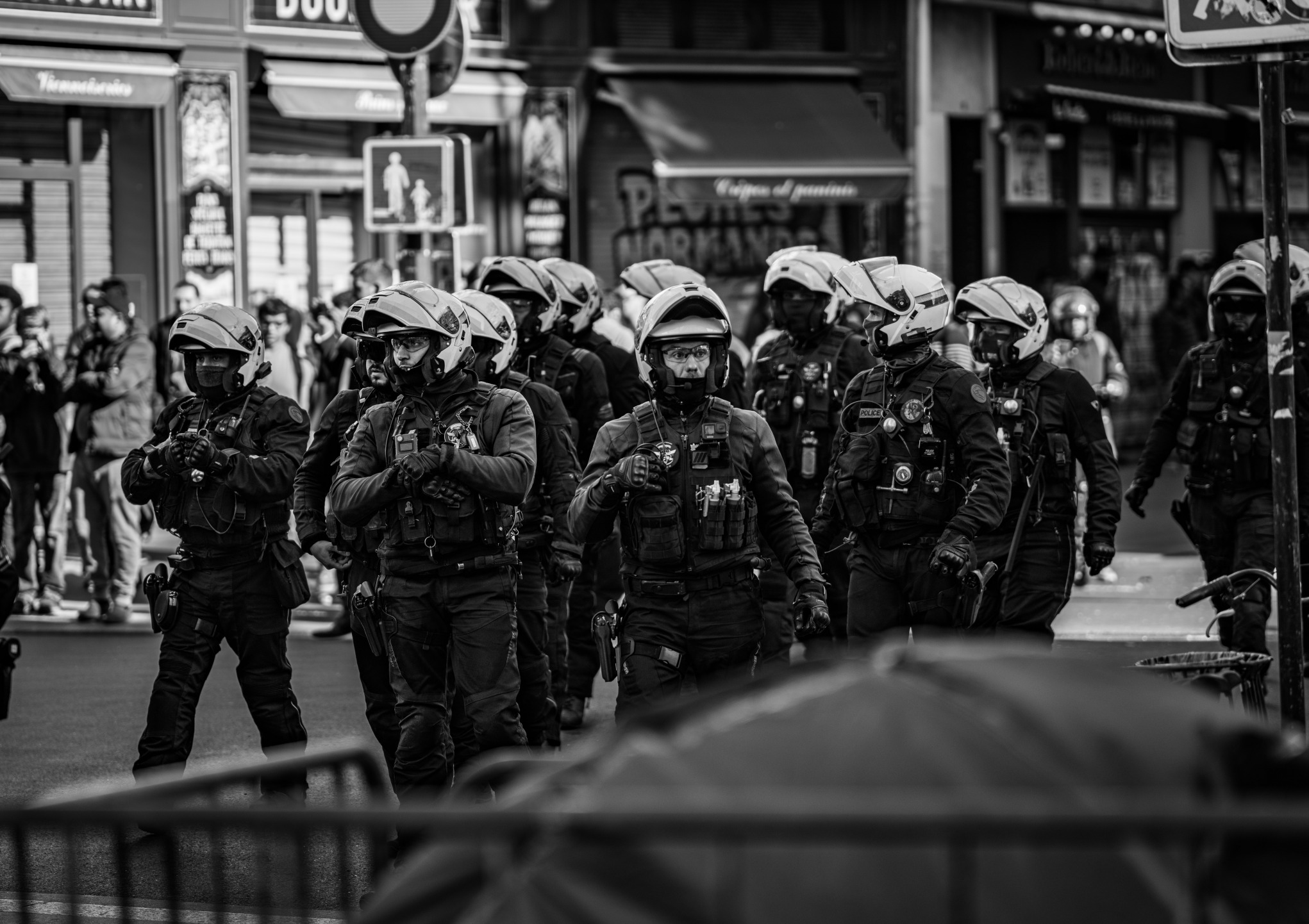
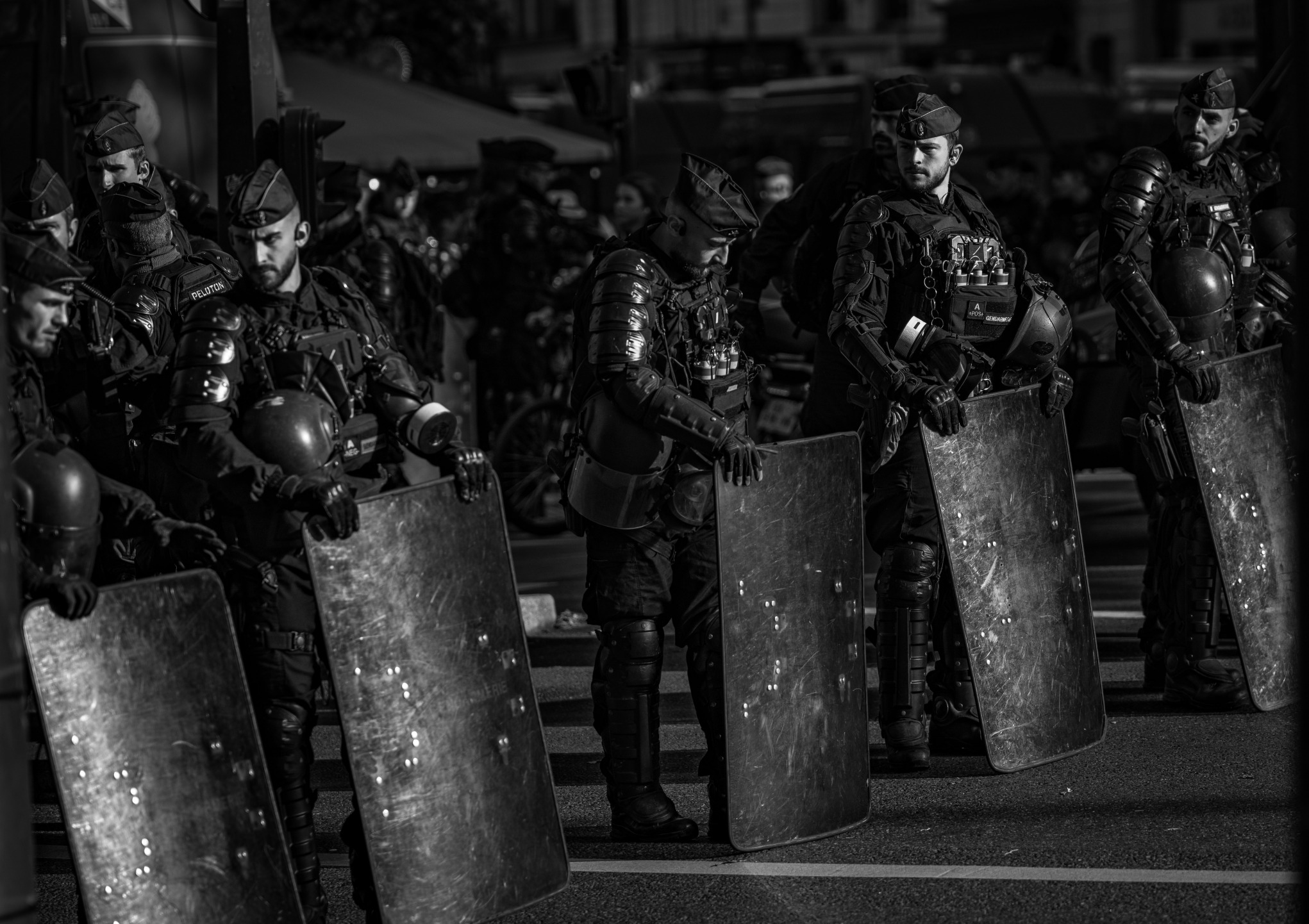
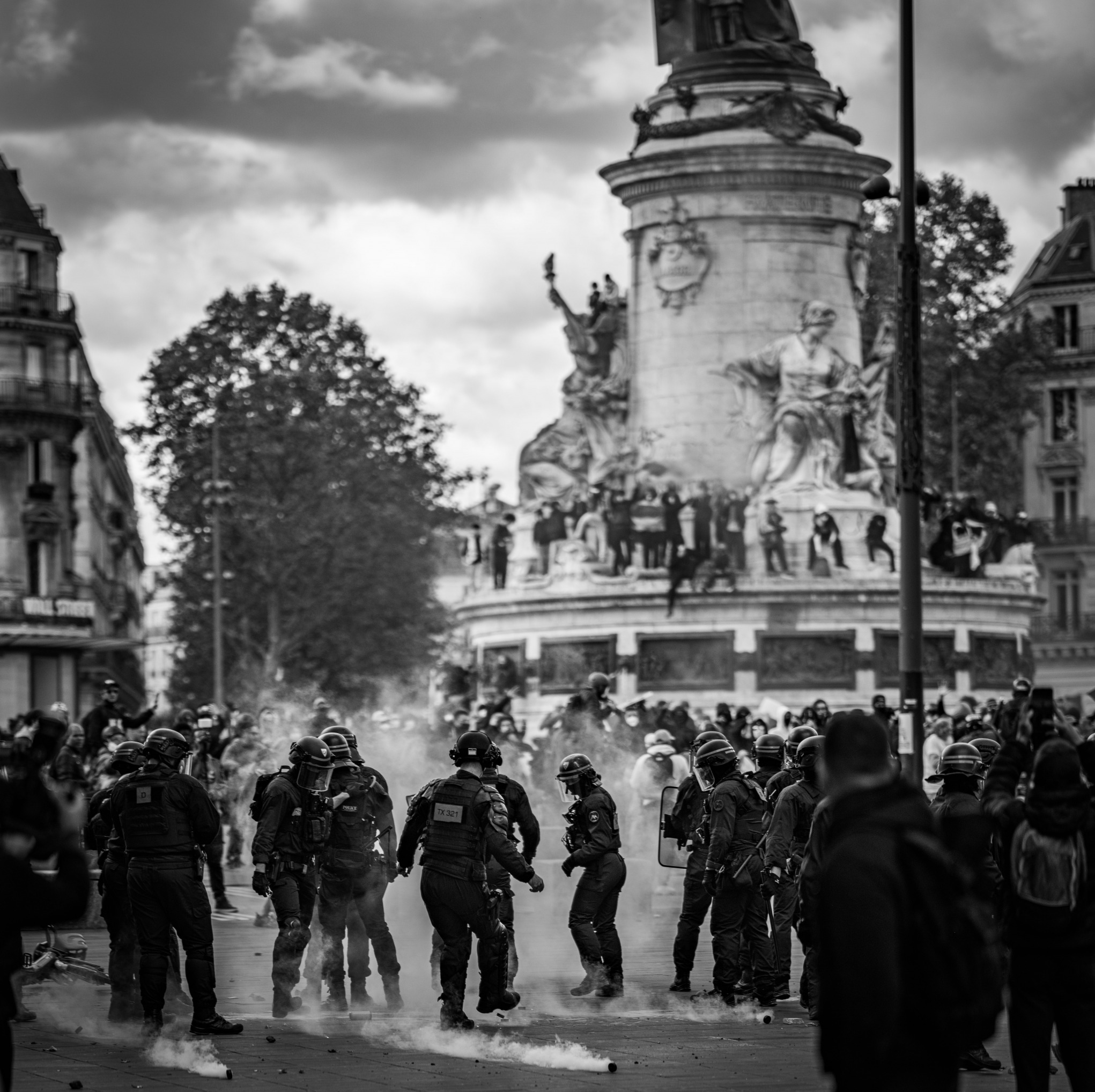
This was organised criminality on a massive scale. Macron has made a grave error in not declaring emergency measures. France is facing a street revolt and a foreign information assault at the same time.
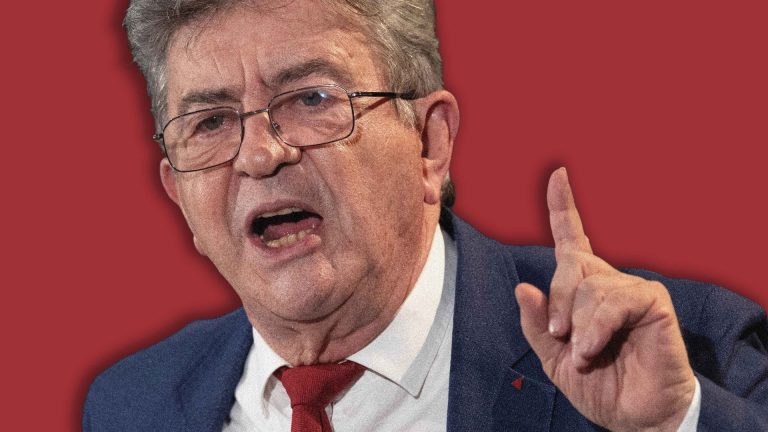
For all the breathless analogies, this uprising is not a new May 1968, much as extreme left leader Jean-Luc Mélenchon hopes. “It looks much more like a new 6 February 1934,” says the political strategist Jean-Stéphane Gourevitch, “when fascist leagues launched a massively violent riot in an attempt to bring down the Republic. It is planned and organised.”
The forces currently on the streets are not one movement. Ultra-left anarchists and black blocs want confrontation with the state. On another flank are extreme-right agitators from the radical Gilets Jaunes movement. Mixed in with them are suburban rioters and opportunistic looters with no obvious ideology at all. “Groups on the far left, including [France Unbowed], Révolution Permanente, [revolutionary Trotskyist groups], Urgence Palestine and others, have supported the mobilisation and, in some cases, participated in organising it,” he says.
Their aim, he says, is to bring down the government, bring down Macron, destabilise the Republic and provoke a full-blown insurrection.
Perversely, they are fuelling the continued rise of Marine Le Pen’s National Rally. “They want Le Pen in power because they fantasise about the revolutionary confrontation that would follow, their insurrectional ‘Grand Soir’ [big night of violence]. That is the logic that Mélenchon and France Unbowed have been pursuing: the worse the crisis, the better the conditions for a rupture with ‘the system’. In that sense, a Marine Le Pen victory would give them exactly the enemy they want.”
“This is extremely dangerous. And it is organised.”
Every burning town hall, smashed shop and image of black-clad, masked hordes roaming French cities, wrecking businesses and even invading homes with hammers, does her campaigning for her.
 Most popular
My truly deranged encounter with Trump apologist Kellyanne Conway

Suella Braverman’s book has sold only 106 copies. This is why
The moral depravity of Robert Jenrick
Hungary’s lesson to the world: Populism isn’t permanent