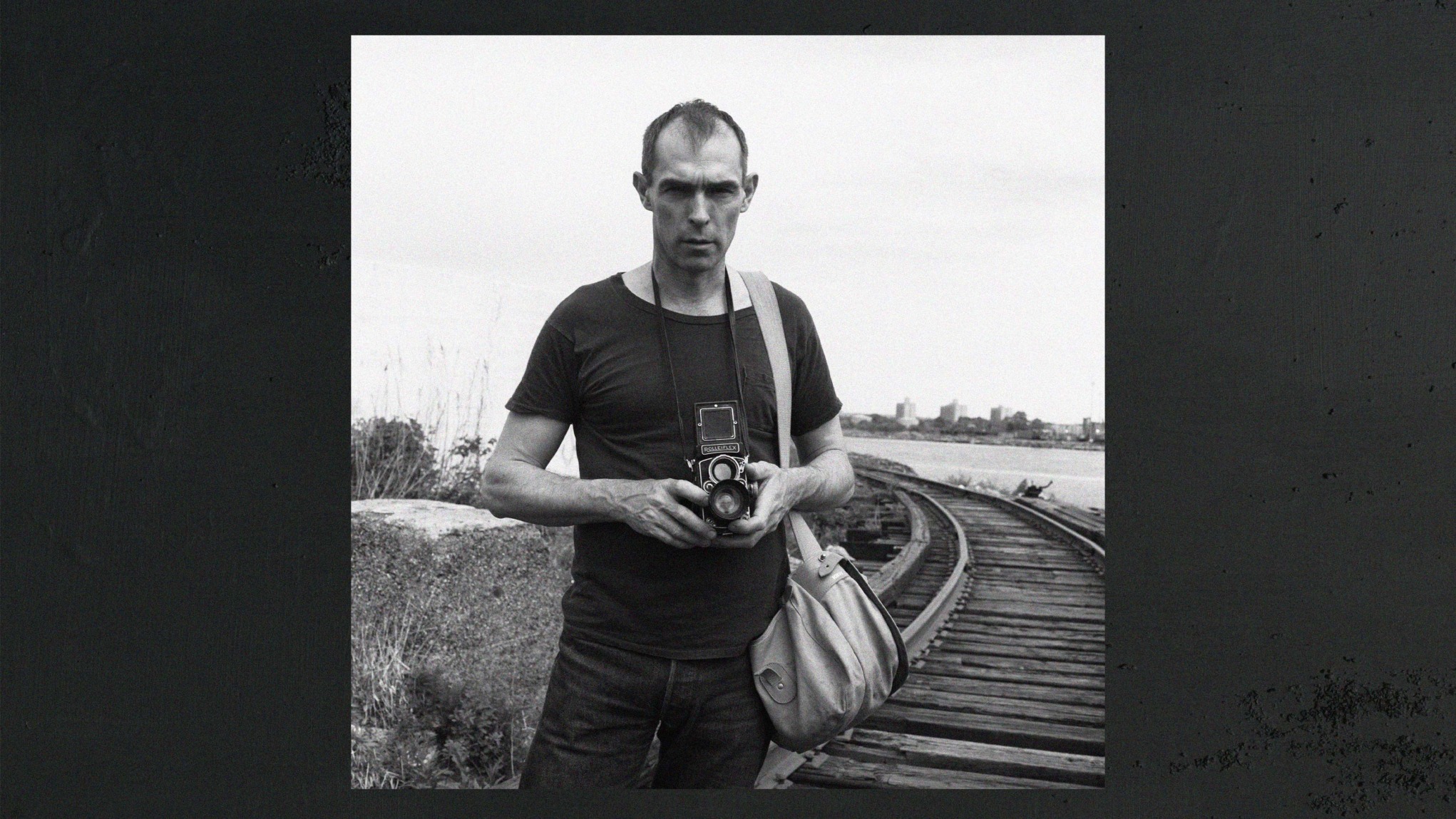
Author Gary Indiana described Peter Hujar’s photographs as “serene, elegant, haunting views of dead people and living people who look dead.”
Many of Hujar’s most striking images feature subjects in repose: Candy Darling, surrounded by flowers, dying in her hospital bed, Susan Sontag splayed across sheets like some imposing, mystical human landscape, a close-up of Dutch Anderson’s orgasmic face, posed like a Renaissance statue recently pierced by arrows. The only monograph published in Hujar’s lifetime was 1976’s Portraits in Life and Death. One of the final portraits he took for the book was of the artist Paul Thek, looking troubled.
Back in 1963, Peter Hujar, alongside Paul Thek, his lover, artistic foil and occasional nemesis, took a trip to Palermo’s Capuchin Catacombs. It was to have a profound effect on both men.
Hujar captured the disturbing, decaying bodies piled up like kindling in the caves: priests, peasants, infants, often still wearing their finery. Thek grabbed some fabric from a corpse as a souvenir, only realising later it was actually a piece of ossified skin.
After Palermo, Peter Hujar’s photographic vision solidified. Intense, intimate black-and-white portraits of New York’s bohemian elite and the city’s gay subculture. Paul Thek stopped painting and began to make artworks that resembled dissolving slabs of meat. Fleshy blocks of matter encased in metal and plastic. Both attracted a certain level of attention, but neither of them took the art world by storm.
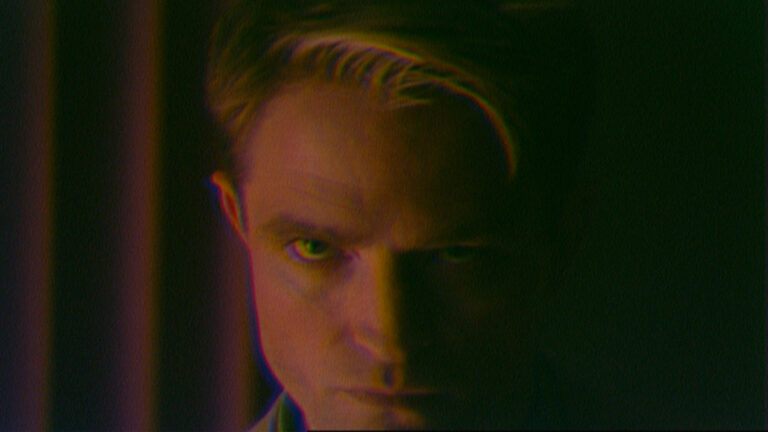

Andrew Durbin has chosen to intertwine both men’s lives into one biography: The Wonderful World That Almost Was: A Life of Peter Hujar and Paul Thek. Their relationship was a rocky one. Both were devilishly charismatic, and both were deeply troubled.
Hujar was prone to fits of rage, Thek was depressive, paranoid and delusional. And both suffered from their lack of recognition.
Thek was briefly a hotshot in the late 1960s New York art scene, as his meat pieces and wax sculptures of limbs, which he called Technological Reliquaries, gained notoriety. But the art world, always quick and cruel, moved on.
Hujar battled away in the commercial photography trenches at a time when photography was barely recognised as an artistic endeavour. Their stars were never ascendant at the same time. Always dangerous in a creative pairing.
As Durbin’s dual biography attests, the beginning and end of their relationship is hazy. They met in the mid-1950s, both leaning towards an artistic life, both in relationships with other men. They eventually got together in the early 1960s, and though neither were monogamous (Hujar claimed to have 15,000 lovers by 1970, Fran Leibowitz described him as “a genius about sex”), they were committed, and occasionally inseparable.
Both were strikingly handsome. Warhol included them on the shortlist for his Thirteen Most Beautiful Boys series. For a time, they were a Manhattan It Couple. Art shows at The Stable (where Warhol started), summers on Fire Island, validation from Richard Avedon, loft studios, cold water flats with a bathtub in the kitchen, desperate and living off art-opening crudités. The whole starving artist scene.
The next step on from that should be artistic success. They should have been the ones supplying the snacks to the next generation of struggling hopefuls at their own glittering openings. But they continued to struggle.
One of the central themes of the book is fame, art fame, and how it’s allocated. Durbin’s book provides a fascinating insight into the era. Not the glamour of MOMA retrospectives and glitzy parties, but the struggle and the dirt. Getting older, constantly striving, feeling ignored.
Thek in particular grew increasingly aggrieved by his poverty, and convinced himself he was being ripped off by his dealers, even though his work was practically impossible to sell. One of his most notable pieces was a remarkable full-body wax cast of himself, dead, entitled The Tomb (though forever known as Dead Hippie). Later he moved onto large-scale, site-specific installations, described as ‘cosmic junk piles’ by artist Mike Kelley, that were difficult to shift or store. Many were lost.
But both men were also fiercely driven to never dilute their work. Hujar’s portfolio contained images he knew would lose him gigs with magazines or commercial agencies. But he believed it to be his best stuff.
As Thek’s pieces failed to sell, his vision grew more ambitious, such as an entire nativity pageant elaborately staged in Germany in 1973 involving a gaggle of local orphans. Ambitious, impressive, but painfully uncommercial.
Hujar and Thek paid the price for this integrity. Neither are as highly regarded as they should be.
Hujar’s reputation has recently been on the rise. Orgasmic Man was used for the striking cover image of Hanya Yanagihara’s A Little Life. His portrait of Susan Sontag always seems to be one picked to illustrate anything about her life and the recent film Peter Hujar’s Day saw Ben Whishaw providing an uncanny impression of the photographer.
Thek hasn’t been so lucky. I wasn’t aware of his work before reading the book. What I’ve seen seems remarkable and decades ahead of its time, resembling later works by Ron Mueck or Duane Hanson or indeed Mike Kelley.
By the end of their relationship, Thek and Hujar were no longer friends. They seemed to tolerate each other, but there was a great deal of animosity there.
Both died within a year of each other in the late 1980s of AIDS-related conditions (Hujar was 53, Thek was 54). Durbin spares us too much detail of their demises. Save for a brief epilogue, he ends the story in the late 1970s, at the time of their parting. Thek’s final words to Hujar, via letter, read: “Any time you want to make love, just ask me.”
Suggested Reading
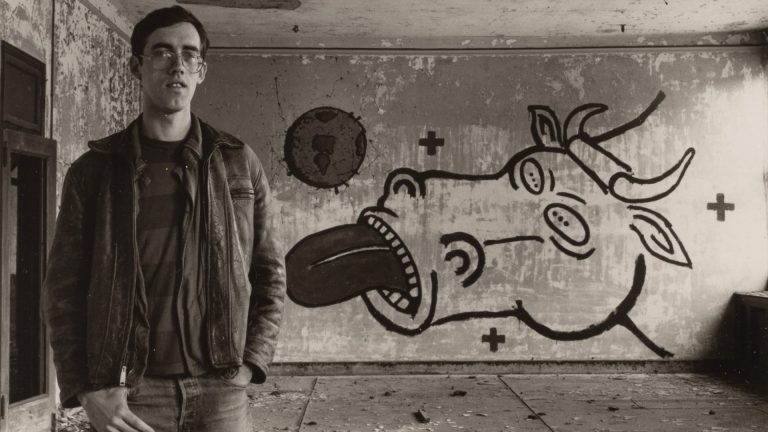
David Wojnarowicz, the angry ghost on the White House lawn
Reading about marginalised art and artists, the overwhelming sensation is acute frustration. The lost opportunities to create. The evaporated work we’ll never get to see. The reasons why they were underappreciated are nebulous. With many artists who were lost to AIDS, there was an attempt to quickly erase them from history.
It’s only recently that imbalance has started to be addressed. Thankfully, Hujar’s archive was mostly saved and stored. Ironically, the only evidence of much of Thek’s work lives on in Hujar’s photographs. Still together.
The Wonderful World That Almost Was by Andrew Durbin is published by Granta. Dale Shaw produces the You’re Booked podcast
 Most popular

What happens to Trump if he loses the midterms?

It might not look like it, but a motoring miracle has now happened
It’s time for Burnham to kill off old Labour

18 things that will absolutely, definitely happen if Trump gets whopped in the midterms