Keir Starmer has resigned. If Andy Burnham becomes the only contender to replace him, he could be prime minister by 17 July. But of all the unsolved problems that brought Starmer to his early exit, the defence and foreign policy challenge will remain the most acute, no matter how domestically focused Burnham intends his premiership to be.
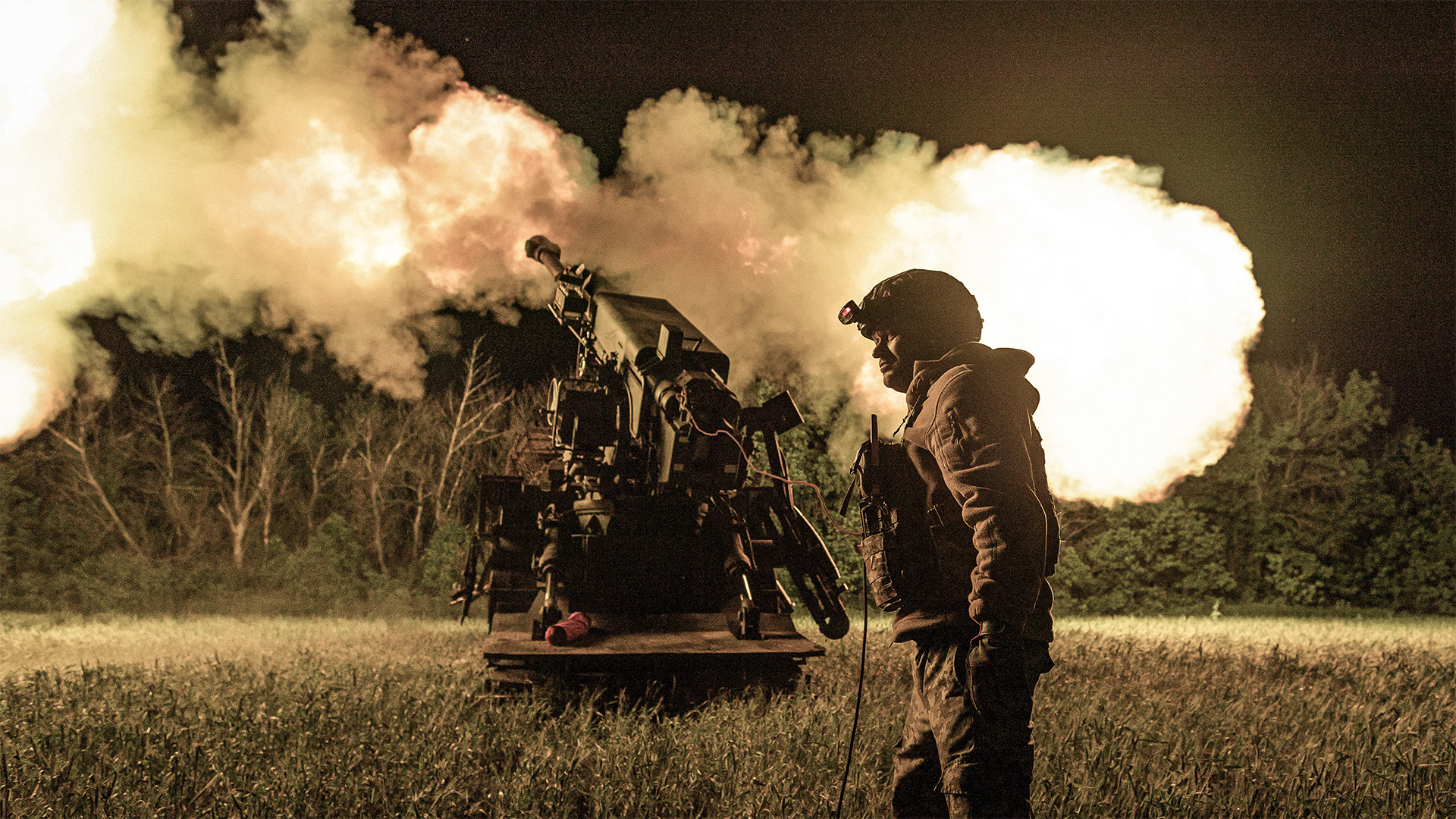
On 7 July Starmer – who will remain prime minister until the selection process is complete – must go to Ankara and explain why, having promised last year to be spending 3.5% of GDP on defence, and a further 1.5% on resilience by 2035 – he could not bring himself to commit to even 3% by 2030.
He will also need to explain why a Defence Investment Plan two years in the making is being, even as I write, effectively shredded by the officials who wrote it.
Starmer bestrode the global stage: he played a major role in de-escalating the crisis over Trump’s claims on Greenland; he stepped up to the mark on Ukraine with passion and commitment; he has ground out progress towards a new post-Brexit deal with Europe; he listened to those who told him not to join Trump and Netanyahu’s war on Iran and pledged British forces to a coalition to police the Strait of Hormuz.
But he has never been willing to commit the resources needed to rearm our country in the face of a threat he understands all too well. That’s why, at a critical moment, with the sharks circling, he forced one of his most loyal ministers – the defence secretary John Healey – to resign.
As Burnham assembles a new team – which I hope will contain the best of the current cabinet – he cannot avoid the foreign, security and defence issues. And there are hard decisions ahead.
First, the Defence Investment Plan is unaffordable with the money Starmer allocated. He should, in agreement with Burnham and any other candidate for leader, restore the £18bn minimum estimated by the National Security Adviser Jonathan Powell. He should go to Ankara with a clear pathway to 3% by 2030 and reiterate the 2035 pledge made at the Hague.
Burnham, who has a strong track record on resilience as mayor of Greater Manchester, and initiated an alliance of “Unbroken Cities” with Liverpool and Lviv during the Ukraine war, now has a perfect opportunity to use the 1.5% of GDP pledge to drive that agenda.
To Burnham, whose 10-year resilience strategy for Greater Manchester was ahead of the game, allowing a deft local response to Covid, “resilience” is about something more than ambulance response times and better police radios. It is about: “the capacity of individuals, communities, institutions, businesses, and systems within a city to survive, adapt, and grow no matter what kinds of chronic stresses and acute shocks they experience.”
Suggested Reading

I didn’t rate Starmer as PM – so why do I feel so sad?
To boost that capacity we need urgent spending to harden the critical national infrastructure of the UK – the water treatment plants, the pipelines and energy supply corridors. And we need greater state control over an industry whose privatised status has allowed decades of asset stripping and under-investment.
The Starmer administration chose to delay a planned Defence Readiness Bill – demanded last year by the independent Strategic Defence Review – until 2027-28. The bill, which takes powers over industry and utilities to make them more secure, should be brought forward to this session.
Another defence conundrum in Burnham’s in-tray is the Defence Security and Resilience Bank – a Canadian led project to create a “world bank for rearmament”. Rachel Reeves vetoed Britain’s involvement, and Starmer faces turning up at Ankara to see Mark Carney launch the initiative alongside 16 countries, with Britain as bystander.
This is something that again, by agreement with Burnham, Starmer could now remedy.
If there is no actual contest, and Burnham becomes PM on 18 July, one of his first tasks will be to attend the EU-UK summit. Here, three important deals are on the table: aligning UK agriculture standards with Europe’s, rejoining the EU’s electricity market and a mobility scheme for young people. But the bigger prize is a reset of the mood music – with Burnham on record as a rejoiner.
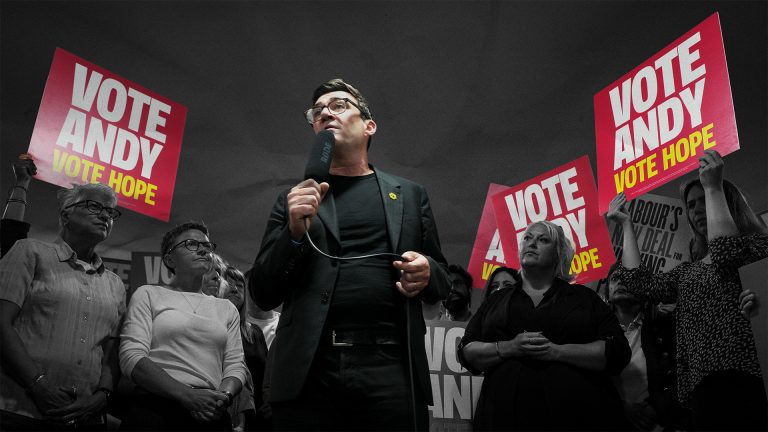
Burnham has shown that by listening to the concerns that are driving voters into the arms of both the far right and the Green Party, he can rebuild a progressive coalition that can win elections.
But the Labour Party as a political organism still has conflicting instincts in that regard. There is an “old right” faction which wants to look and act tough on immigration, a “soft left” faction that cannot bring itself to limit access to welfare provision, and a Blairite wing that believes a mixture of AI and fintech can bring back the Goldilocks years.
I have argued since Labour’s crisis began – more than 10 years ago with the loss of the 2015 election, that the only viable political combination is: left on economics, mainstream on immigration, policing, foreign policy and defence.
And by mainstream I mean: we have to limit inward migration to what is sustainable for the people who already live here; we have to crack down on the organised crime that’s blighting working class communities; support Nato; support Ukraine and rearm to face the Russian threat.
The left economic policy mix Burnham advocates – greater ownership and control of public services and utilities – will strengthen the economy and the state, and should attract rather than repel voters lost to Reform. According to one poll in the aftermath of the Makerfield by-election, Reform voters there were even more attracted to Burnham’s policies on this than Labour voters.
But without a rethink on fiscal policy, Burnham will remain stuck in the same bear trap that shattered Starmer’s cabinet. We need fiscal rules to cap welfare spending and prevent borrowing to fund current spending. But the fiscal rule that demands debt be falling by an arbitrary date three years into the future is misguided and should be altered, as Burnham’s ally Louise Haigh has proposed.
Suggested Reading

Burnham must run fearlessly into the future – and this is how
The fiscal rules are not set in stone. There have been fourteen versions of them since Gordon Brown first invented them. For the sake of rearmament and national security, Burnham has to grasp this nettle.
As to the bond markets, who will surely throw a wobble as Burnham’s plans become clear, Labour is right to fear instability there. One of the first acts of any new chancellor should be to tell the Bank of England to stop dumping UK government bonds onto a market where supply is in danger of exceeding demand.
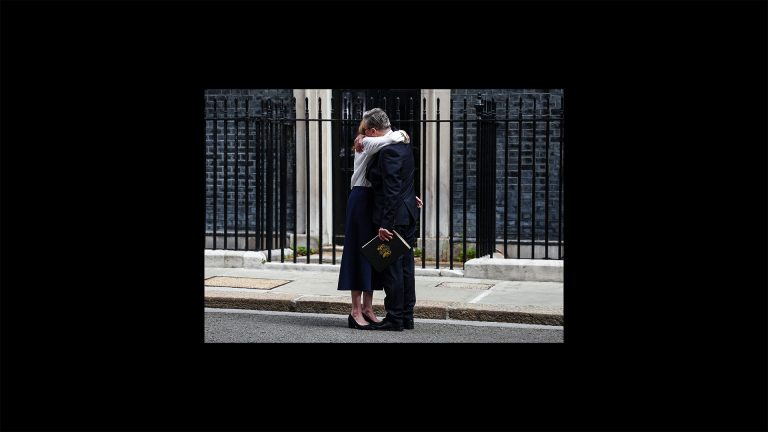
It was sad to see Keir Starmer go like this. I sat around a kitchen table with him in late 2019 planning ways to rescue the party from its coming defeat. I backed him as party leader and until his unforced error on the DIP would have liked to have seen him given a further 12 months.
But the PLP, presented with the contrast between catastrophe in the local elections and victory in Makerfield, have forced his hand, and the DIP fiasco was, for me, the final straw.
As a party Labour is entering uncharted waters: the prize is a progressive majority in 2029 and the burial of the Farage challenge. The perils are enormous – because the PLP is entirely capable of fragmenting, imposing an incoherent team and agenda on Burnham over the summer.
That’s why demonstrating continuity – on Ukraine, on the strait, on handling Trump’s mercurial recklessness with narrative dignity, and on a much closer alliance with Europe – is vital at this stage. I will be backing Andy Burnham in the Labour leadership election, if there is one. And I hope Keir Starmer will stick around in front line politics: his stature as a global leader has grown these past two years.
My one piece of advice to whoever walks through the door of Downing Street this summer is: be decisive, in control and let your moral compass be your guide. Everything Starmer got wrong, in the end, was by deviating from that path.
 Most popular
Emily Maitlis’s diary: As I was saying to George Clooney just the other day…

Why Slavoj Žižek probably hates you

There’s only one reason Trump went to Ireland – it wasn’t to meet the Taoiseach

A new film about Elon Musk reveals him as so awful it’s almost tragic. Almost