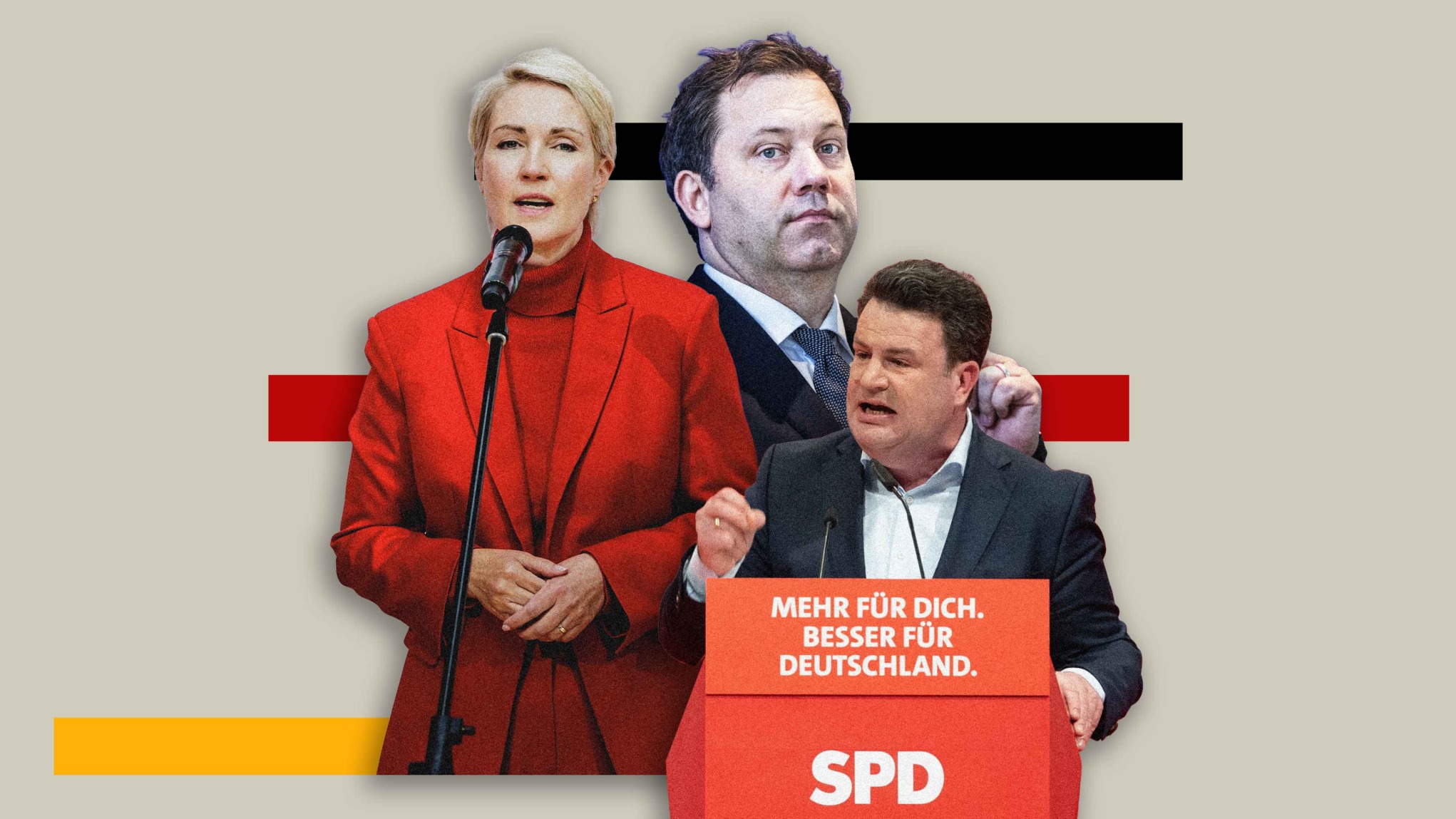
Since 2000, Germany’s social democrats – the SPD – have spent 22 years in government, currently there as a junior partner in chancellor Friedrich Merz’s coalition. But they increasingly look like victims of their own success, and an unfolding power struggle over who’ll be the new Führungsduo could accelerate their nosedive still further.
Let’s look at the latest average of the polls: AfD is at around 28%, Merz’s centre right CDU/CSU union is just above 20%, the Greens are at 15% and the SPD is hovering around 13%, with the Left Party close behind at 10.5%.
For the SPD, that’s devastating. But here’s the paradox: Merz is under attack from his own CDU, from moderate conservative media and – most importantly – from his voters for being an SPD-pleaser who constantly lets social democrats have their way.
A recent example is his caving to the vice-chancellor and finance minister, Lars Klingbeil, over the 2027 cabinet budget. At a record €560.9bn (£468bn), it’s the biggest in German history, involving another record-breaking €210bn (£175bn) in new debt.
With most of this going into social spending, one could argue that the SPD has been remarkably successful at making Merz break yet another campaign promise. Substantial cuts to virtually any welfare budget? Not happening.
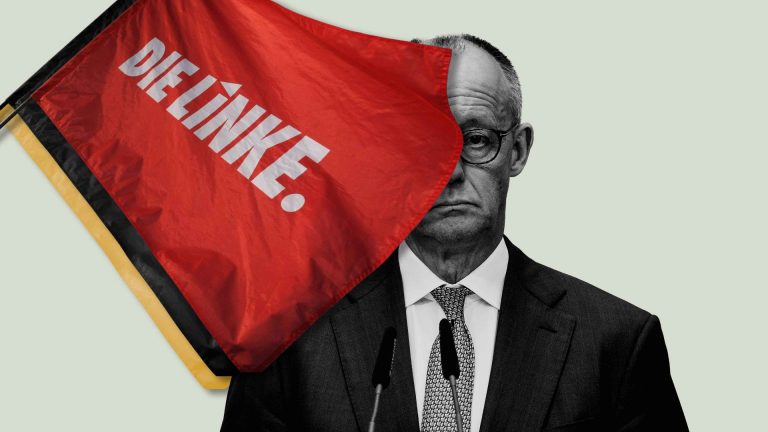
Yet there is no SPD back-slapping. Instead, Klingbeil is facing calls to give up either his cabinet post or his party chairmanship.
A month ago, his co-chair, Bärbel Bas, minister for labour and social affairs, was in the same boat. She then resigned following a bereavement in the family, saying she needed time to grieve and that the CDU wasn’t giving her any, pushing for reform drafts. No love lost there, among coalition partners.
While her part of the leadership is vacant, Klingbeil is clinging to the male half. He has the backing of cabinet members, but his support among the grassroots is low.
Now Klingbeil’s first challenger at the party convention in January has declared: Hubertus Heil, 54, a seven-year cabinet veteran and former labour minister. Heil served as federal minister of Labour and Social Affairs in the fourth cabinet of Angela Merkel and in the cabinet of Olaf Scholz from 2018 to 2025.
He says that the SPD must become more “visible” and sharpen its profile, meaning that’s not currently the case. The CDU/CSU would beg to differ, but they’re not being asked.
The more consequential appointment, however, is replacing Bas as the female part of the tandem. All eyes are on Manuela Schwesig (pronounced shvaysikh), a name worth remembering.
Suggested Reading
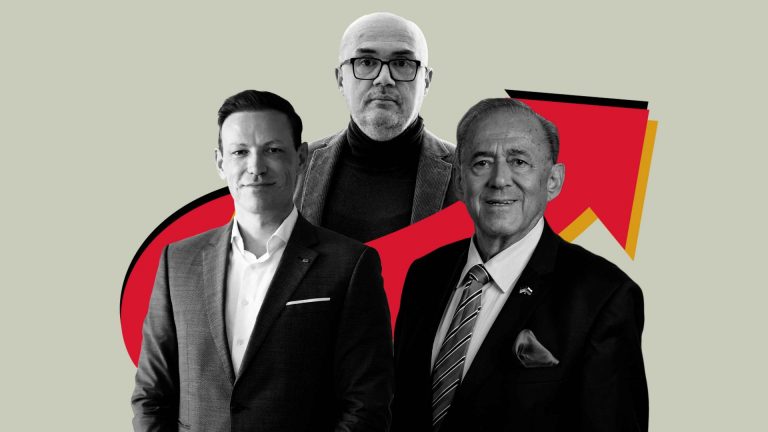
Pornstars, spies and Putin fanboys – meet the AfD
The Ministerpräsidentin of the sparsely populated Mecklenburg-Western Pomerania won her state election in late September. Her whole campaign basically rested on “it’s me or AfD”, and friendly fire against the structural reforms planned by Berlin – necessary to make Germany’s social model financially sustainable.
With Schwesig as the co-chair of the SPD (or maybe even as its single leader), governing for Merz would be even trickier, let alone the task of actually delivering what he was elected for. Schwesig could also pull the party closer to Die Linke, the Left Party, with which she already governs.
Whether that would benefit SPD – rather than the far left – is the question. Because ever since Gerhard Schröder’s reforms in the noughties, the social democrats are increasingly seen as the problem, not as problem-solvers.
The SPD’s recipe for almost everything is higher borrowing and more redistribution. A party of preservation, in other words, in a country desperately needing change.
“Twelve per cent must not be the last word in history,” leadership hopeful Heil just wrote to party members, referring to the polls. True. It could always get worse.